



Navigating the Realities of Severe Weather Delays
When severe weather closes in, the difference between eventually arriving and arriving on time becomes incredibly apparent. Across major markets like Chicago, Denver, New York, Miami, and Dallas, a single winter system or summer storm line quickly triggers ground stops and missed connections. This inevitable disruption prompts a critical question from discerning travelers: can private jets fly in bad weather, and what actually happens when conditions deteriorate?
Private jet weather delays still occur, as safety and regulatory protocols always dictate flight feasibility. The primary advantage of private aviation is not an unrestricted immunity to the forecast, but rather an agile response capability. Flexible departure timing, expedited service at private terminals, routing agility, and access to alternate airports consistently keep your travel plans on schedule.
Uncovering the Root Causes of Atmospheric Disruptions
Private jet weather delays stem from the same root atmospheric factors that ground commercial airlines, even if the passenger experience remains vastly superior. Thunderstorms generate hazardous turbulence, lightning threats, and wind shear that prompt air traffic control to heavily restrict airspace. Winter systems drastically reduce braking action on runways, elevate icing risks, and slow de-icing procedures when demand spikes across an airport. Additionally, thick fog and low ceilings consistently halt arrivals and departures whenever visibility drops below the required approach minimums.
Despite these shared natural challenges, private travel feels infinitely smoother because flight disruptions remain strictly contained. A commercial itinerary suffers from compounding network effects, meaning a delayed aircraft earlier in the morning easily ripples into a cancellation hundreds of miles away. With an on-demand charter, your trip entirely avoids the multi-city rotation of the same tail number. Your schedule routinely adjusts to depart earlier, launch later, or shift to a different airport without ever needing to rebook a convoluted itinerary.
Understanding Flight Capabilities During Complex Weather
Yes, private jets do fly in bad weather, but crews never force a departure under actively dangerous conditions. Private aircraft operate under strict Federal Aviation Administration rules and operator procedures governing everything from takeoff minimums to icing certification. In practical terms, a private jet frequently flies safely in widespread rain, moderate turbulence, and winter conditions by utilizing the proper equipment. However, your flight crew will never intentionally navigate through an active thunderstorm cell or accept unsafe wind and visibility scenarios.
Severe weather never constitutes a single homogenous category, and the operational decision to fly rarely rests on a basic headline forecast. Crews and dispatchers continuously evaluate multiple layers of real-time data, assessing airport reports, en route hazards, and available alternate runways. The result remains a meticulously crafted flight plan that looks entirely normal to the passenger, even while the system behind it makes dozens of micro-adjustments to ensure absolute safety.
Enhancing Passenger Safety and Comfort During Turbulence
Private jet turbulence safety remains exceptionally high, as modern business jets feature profound structural engineering margins that easily withstand rough air. While turbulence causes passenger discomfort, it rarely presents a structural danger to the actual aircraft itself. The most common risk involves unbelted passengers or unsecured cabin items, which explains why flight crews consistently recommend keeping seatbelts fastened even during a smooth ride.
Private aviation directly reduces your overall exposure to turbulence through a variety of operational advantages. Many business jets possess the capability to cruise higher than typical airline profiles, soaring gracefully above the agitated weather layers found at lower altitudes. Pilots frequently request customized tactical altitude or route changes, completely bypassing the rigid airline corridors crowded with hundreds of commercial planes. While this does not entirely eliminate turbulence near jet streams or mountain wave activity in Denver, it significantly condenses the time spent navigating rough air.
If turbulence remains a primary concern for your upcoming travel, the most helpful step is selecting an aircraft category fitting the weather conditions. A light jet often serves perfectly for a short trip experiencing perfectly clear skies. Conversely, a midsize or super-midsize jet provides enhanced ride quality, weight stability, and range flexibility whenever the atmospheric forecast appears more dynamic.
How Flight Crews Manage Active Storm Operations
Private jet storm operations rely entirely on conservative decision-making and continuous updates rather than sudden, last-minute improvisation. Before departure, your flight crew evaluates the precise route alongside multiple alternate airports, ensuring a safe landing location remains available if conditions drop. During active weather, flight planning actively prioritizes strategic route avoidance, heavily steering clear of the severe risks associated with hail cores and wind shear.
Operational decisions pull directly from authoritative sources and highly specialized, aviation-specific weather products. The FAA traffic management guidance plays a central role in how aircraft navigate heavily metered airspace during major weather events. Forecasting and comprehensive storm-system evaluations begin with national-level atmospheric meteorology, heavily supported by the essential data frameworks managed by NOAA.
For precise, flight-by-flight specifics, crews routinely reference accurate meteorological reports instantly available via the Aviation Weather Center. These crucial tools help crews visually spot developing icing layers, turbulence reports, and convective hazards in near real time. Additionally, top-tier operators systematically align their internal procedures with the stringent business aviation guidance championed by the NBAA, ensuring strict adherence to standard operating procedures.
From a passenger perspective, accepting slight delays often stands as the absolute safest choice for your journey. However, waiting out a storm is rarely the only operational choice available to your dedicated flight team. Reroutes, adjusted departure times, and alternate airport planning successfully preserve your travel schedule even whenever the original flight plan faces a sudden disruption.
Utilizing Private Jet Alternate Airports Across Key Hubs
One of the most meaningful advantages in mitigating private jet weather delays is unfiltered access to diverse infrastructure. Commercial airlines concentrate operations at major hubs, and whenever those specific hubs become constrained, passenger options simply vanish. Private aviation accesses thousands of additional runways, including specialized relievers and executive fields that shorten taxi times and entirely avoid congested terminal ramps.
In Chicago, O'Hare International (ORD) remains a focal point for winter storm aviation delays, especially when heavy snow and runway closures reduce arrival rates. When conditions or terminal congestion at ORD become unfavorable, your itinerary gracefully shifts to specialized airports such as Chicago Executive (PWK) or Chicago Midway (MDW). This strategic flexibility definitively provides the difference between waiting for a delayed opening at a saturated hub and arriving into the region with a seamless car transfer.
Denver presents its own uniquely challenging topography, as winter fronts and high crosswinds frequently disrupt operations at Denver International (DEN). Centennial Airport (APA) serves as an ideal alternative for business aviation, keeping sophisticated travelers safely removed from regional commercial gridlock. For peak ski season travel, an alternate arrival plan functions as a core part of the initial flight strategy, ensuring your onward connection to the snowy mountains remains fully protected.
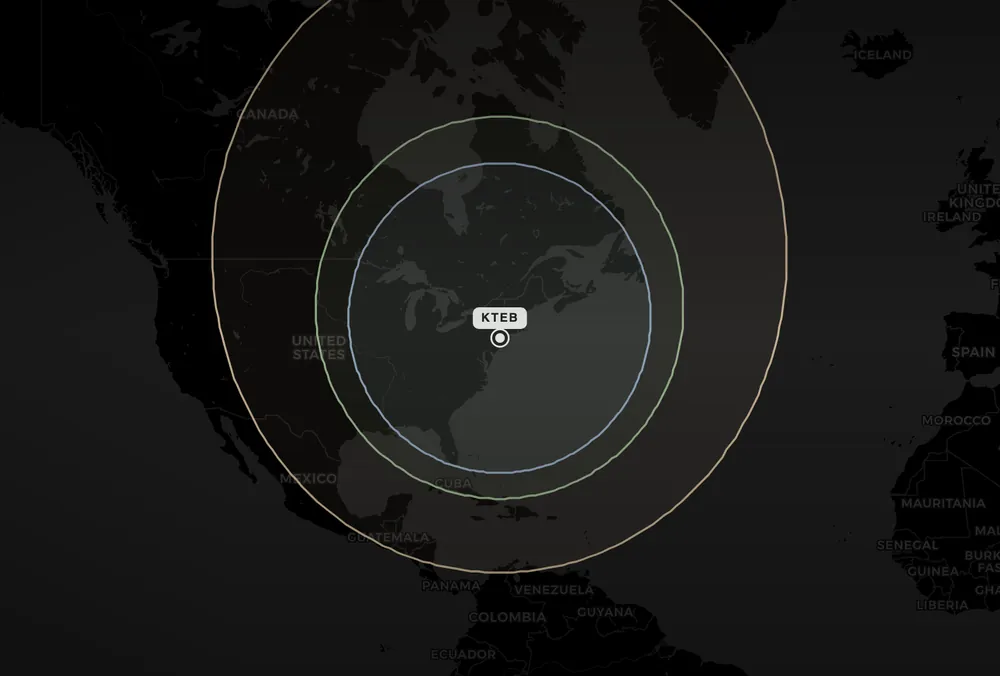
In New York, Teterboro (TEB) stands as the premier private aviation gateway for Manhattan access, though the broader region still experiences significant systemic storms. A well-designed flight plan automatically considers premium alternates such as Westchester County (HPN) whenever localized weather makes it the smarter operational choice. The ultimate travel goal is not simply landing at a renowned aviation hub, but rather arriving reliably within a comfortable drive of your final destination.
Looking south to Miami, Miami-Opa Locka Executive (OPF) proves an invaluable asset during both summer thunderstorms and hurricane season aviation planning. When coastal weather patterns become intensely volatile, the distinct ability to seamlessly reposition aircraft or strictly adjust arrival timing keeps your trip viable. Early, proactive decision-making proves exceptionally crucial during hurricane prep, as changing storm tracks dictate the necessary safe staging areas for both luxury aircraft and flight crews.
In Dallas, robust convective weather heavily impacts the warmer months, making intelligent departure timing just as critical as dynamic routing decisions. Dallas Love Field (DAL) remains a highly requested and efficient option for private flyers, while premium alternates like Addison (ADS) smoothly bypass the heaviest regional traffic. Shifting your scheduled departure forward by a single hour frequently avoids the towering afternoon buildups that routinely trigger the region's most severe flight delays.
Strategic Planning for Seasonal Weather Systems
Weather-resilient private travel fundamentally relies on building actionable flexibility into your initial booking plan. During winter travels to snowy hubs like Chicago and Denver, de-icing demand heavily surges during peak departure windows, directly slowing down the entire airport ecosystem. Booking your flight earlier and maintaining highly adaptable departure timing gives our team optimal room to secure the exact aircraft needed for ice-heavy conditions.
In the humid summer months, afternoon thunderstorm patterns across Dallas and Miami typically favor deliberate morning departures. Convective atmospheric activity invariably intensifies later in the afternoon, creating massive holding patterns or frustrating reroutes that add completely unnecessary flight time. Planning for an early, crisp morning wheels-up directly improves your anticipated on-time performance and ensures a significantly smoother flight experience.
During active hurricane season, the absolute smartest travel planning consistently happens several days before your scheduled flight. If a named storm actively threatens South Florida, parked aircraft must strategically reposition outside the projected impact zone well before official landfall. A proactive charter broker coordinates all these complicated moving parts early, meticulously protecting you from the frantic, last-minute scramble for limited lift availability.
Securing Your Itinerary With Amalfi Jets
Whenever severe weather threatens to disrupt your schedule, the true value of an experienced charter broker lies in their operational judgment and unmatched network access. Amalfi Jets proudly operates as a premium charter broker, coordinating a robust global network of rigorously safety-vetted aircraft across all jet categories. This expansive, asset-light reach grants you the exact flexibility to perfectly match a specific aircraft directly to your required mission and prevailing weather conditions.
Charter pricing accurately reflects this deeply customized planning and enhanced operational expertise. Private jet charter pricing typically ranges from approximately $5,000 to over $15,000 per flight hour, depending strictly upon aircraft size, range capabilities, and routing complexity. An intelligently proactive plan that actively anticipates alternate airports and precise timing options effectively manages both inherent weather risks and overall trip efficiency.
If you desire a deeper understanding of our dedicated approach to private aviation, explore Why Amalfi to discover how we prioritize your safety, bespoke service, and reliable precision. Whenever you are prepared to plan a trip that remains wonderfully agile despite a challenging forecast, initiate a customized itinerary by utilizing our portal to request a charter. For further guidance on expertly optimizing your global travel strategies, gracefully browse our latest news for premium aviation insights.


