



Private jet broker fees can look deceptively simple within a charter proposal. Behind that compensation is a detailed process involving aircraft sourcing, operator review, quote analysis, contract coordination, trip monitoring, and contingency support that continues well beyond the initial booking.
Amalfi Jets is a charter broker, not an aircraft operator. We arrange transportation through qualified operators and shape each trip around your route, schedule, passenger requirements, and personal priorities. Understanding how broker compensation works makes it easier to compare proposals on substance rather than focusing solely on the most visible total.
How Private Jet Charter Pricing Is Built
Before a broker margin enters the calculation, the operator prepares a price based on the aircraft and the operational demands of the itinerary. Aircraft time represents only one element of the overall calculation. Positioning, crew requirements, overnight expenses, airport charges, applicable taxes, and specific trip costs may also influence the operator’s quote.
This is why a general hourly benchmark rarely reveals what a complete itinerary will cost. Our private jet charter cost guide explains how these variables can shape a final proposal and why two apparently similar trips may require different budgets.
Availability also matters. An appropriate aircraft may already be positioned near the departure airport, or it may need to travel before collecting passengers. Travel dates, routing, crew duty limitations, airport conditions, and market demand can therefore affect the underlying price before private jet broker fees are considered.
A responsible comparison begins with the complete scope of each proposal. One quote may include expected positioning and operational charges, while another may present a lower opening figure that excludes items likely to arise later. A broker should identify those differences and explain the relevant assumptions before you commit.
Private Jet Broker Fees, Commission, Markup, and Margin
The terminology surrounding broker compensation is not always used consistently. A private jet broker commission generally means compensation earned for arranging a charter, while a jet broker markup is typically an amount added to an operator’s net rate. Margin describes the broker’s compensation as part of the final price.
In a common structure, the operator provides a net charter rate and the broker incorporates compensation for its services. In another arrangement, compensation may originate on the operator side. Some brokers instead show a distinct service fee, making it important to understand both the terminology and the complete amount payable.
A typical broker margin may fall between 10% and 15%, although the actual structure can vary with the itinerary, aircraft, operator relationship, and level of coordination required. That range should be treated as context rather than a universal rule. A straightforward direct charter may involve a different scope of work from a complex itinerary with several aircraft, exacting schedules, and multiple passenger movements.
Transparency matters because an unexplained markup makes meaningful comparison more difficult. A clear account of the broker’s compensation allows you to assess both the aircraft proposal and the professional support surrounding it. At Amalfi Jets, we believe an informed relationship is stronger than one built around an unexplained total.
How Much Do Jet Brokers Charge?
There is no universal answer to the question of how much jet brokers charge. Charter arrangements differ materially across the industry. Compensation may be based on a percentage, incorporated into the quoted total, paid through an operator arrangement, or presented as a separate fee for a particularly involved project.
The dollar effect of a margin based on a percentage also changes with the operator’s underlying price. A longer itinerary or an aircraft with greater mission capability will produce a different result from a shorter regional trip, even if the compensation method is similar. A percentage alone therefore does not establish whether a proposal is competitive or well suited to your needs.
The more productive question is whether your broker clearly identifies its role and provides enough context to evaluate the total. You should understand who communicates with the operator and what happens if the original aircraft becomes unavailable. It also helps to know how substitute options are evaluated and whether dedicated support continues throughout the itinerary.
When reviewing a broker fee, you should weigh the quality of the aircraft proposal alongside the contract terms. The thoroughness of the operator review and the support available when circumstances change also hold significant value.
What Does a Broker Fee for a Private Jet Cover?
Aircraft sourcing is the first major component. Rather than limiting the search to one operator’s immediate availability, a broker can consider suitable options from partner operators. This wider view helps identify an aircraft category perfectly aligned with the route, passenger count, baggage, cabin preferences, and schedule.
This process involves much more than selecting the largest cabin or the newest model presented. Our team considers the mission itself and reviews the aircraft categories available for charter sourcing, from turboprops and light jets through heavy and long range options. The objective is to avoid paying for unnecessary capability while ensuring the proposed aircraft fits the planned itinerary.
Operator vetting is another central responsibility. Charter brokers arrange transportation with licensed Part 135 operators, and a review may consider operating authority, insurance information, safety materials, and aircraft documentation. The operator remains responsible for operating the flight, while the broker helps you evaluate the provider and proposal before booking.
Contract coordination also forms part of the broker’s work. Charter agreements may address payment terms, cancellation provisions, schedule changes, aircraft substitutions, passenger requirements, and operational limitations. A broker helps organize these details and communicate questions so that you understand the commitments associated with the trip.
Liability related review requires similar care, but it does not transfer the operator’s responsibilities to the broker. The broker can review relevant documentation, identify contractual questions, and help confirm that transportation is being arranged through an appropriately qualified provider. Operational control always remains with the operator identified for the flight.
Sourcing and Comparing Aircraft Proposals
A broker’s market search should be guided by the mission rather than a predetermined aircraft. Passenger count, baggage, route, cabin expectations, departure window, and onward commitments all help define which options deserve consideration. The resulting recommendation should explain why the proposed category is suitable instead of merely presenting an aircraft name and total price.
Quotes also need to be normalized before they can be accurately compared. One operator may structure its proposal differently from another, and the treatment of positioning, catering, ground arrangements, or schedule changes may not be identical. A lower initial figure is not necessarily the more favorable proposal if important assumptions remain unresolved.
Established commercial relationships can improve the efficiency of this process. Operators may provide net rates or compensation arrangements based on their relationship with a broker, which can positively affect the final proposal. This is one reason a brokered charter is not automatically more expensive than approaching an operator directly.
Private Jet Broker Fees for VNY, TEB, OPF, and DAL Trips
A charter itinerary connects more than two airports. Departure timing, passenger manifests, service requests, ground transportation, and the sequence of a multistop schedule must all align with the selected operator’s plan. A broker coordinates these details so you do not need to manage several separate conversations.
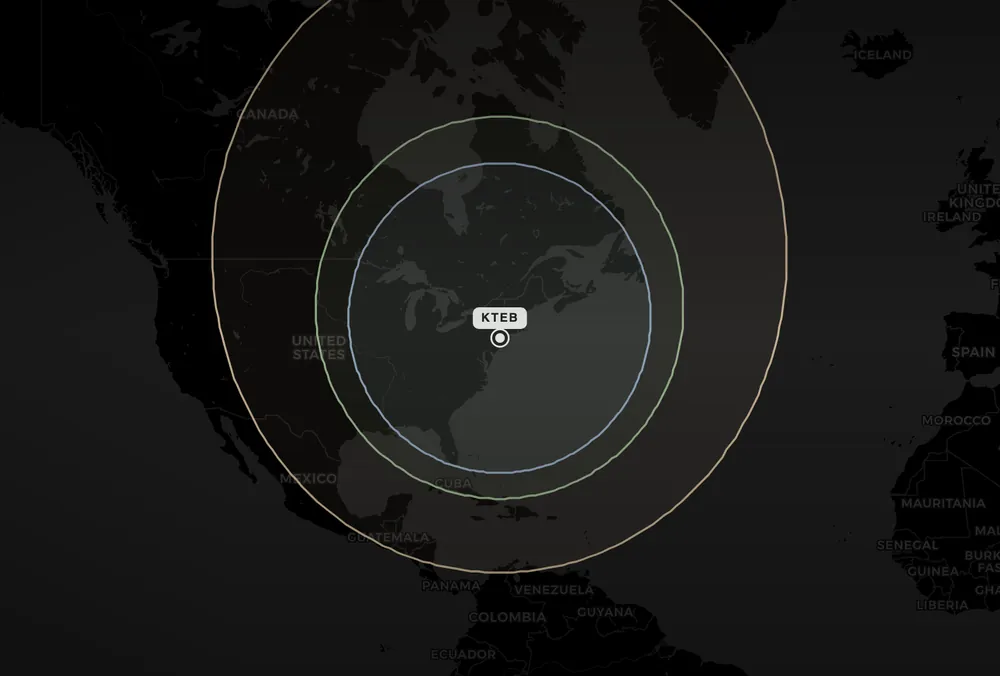
That coordination provides exceptional value at business aviation airports serving major cities. Van Nuys (VNY) serves the Los Angeles area, while Teterboro (TEB) covers the New York region. Miami Opa Locka Executive (OPF) serves Miami, and Dallas Love Field (DAL) provides excellent access to Dallas. The suitability of any specific airport depends on the actual itinerary, aircraft, conditions, and your personal priorities.
Airport services and local arrangements can vary by date and provider. These details should always be confirmed for each trip rather than assumed. The broker coordinates with the operator and relevant service providers to align arrival times, passenger information, requested services, and ground transportation.
For a Dallas departure from DAL, you may need a ground journey and arrival plan built around a fixed appointment. In Los Angeles, the timing of the drive to VNY may shape the preferred departure window. These details do not change the broker’s role, but they perfectly illustrate why charter planning extends far beyond locating an aircraft.
Monitoring, Aircraft Changes, and Rebooking Support
A charter broker’s work does not end when the agreement is signed. Aircraft availability, maintenance events, weather, airport conditions, and crew limitations can affect even a carefully planned itinerary. Active monitoring allows the broker to communicate developments and begin assessing alternatives when a change occurs.
If the original aircraft becomes unavailable, rebooking support can rescue your plans. The broker can return to the market, identify potential replacement aircraft, compare revised terms, coordinate with the operator, and help keep surrounding arrangements aligned. Without that support, you may need to address each issue directly while simultaneously managing the purpose of your trip.
Contingency planning has real value even when it is never called upon. Understanding potential alternatives and maintaining a central line of communication protects your valuable time. Private jet broker fees compensate not only for arranging the initial booking, but also for remaining engaged as the itinerary develops.
No broker can eliminate operational disruption or guarantee that a particular substitute will be available. The professional obligation is to communicate clearly, assess realistic options, and help you make an informed decision. This guidance proves essential when the original plan changes.
Private Jet Broker Commission From New York to Los Angeles
Consider a transcontinental charter from Teterboro (TEB) to Van Nuys (VNY). The broker must evaluate which aircraft categories may be appropriate under the expected conditions and then compare available options from qualified operators. Passenger count, cabin needs, baggage, aircraft positioning, and schedule all influence the recommendation.
Planning continues at both ends of the route. Ground transportation in the New York area must align with the TEB departure, while the VNY arrival should account for your next commitment in Los Angeles. Requested services and local arrangements also require confirmation with the selected operator and trusted providers.
On this type of itinerary, a private jet broker commission compensates the complete planning process rather than providing access to a single aircraft. The broker sources across partner operators, examines the proposal, manages documents, coordinates trip details, and remains available if the plan changes. This comprehensive management ensures every phase of the journey runs smoothly.
The final recommendation should carefully balance price with suitability and contractual clarity. An appealing net rate provides limited value if the aircraft does not fit the mission. It is equally problematic if significant terms remain uncertain before departure.
Broker Fees for a Miami to New York Charter
A charter from Miami Opa Locka Executive (OPF) to Teterboro (TEB) involves a different mission profile. However, the service surrounding it remains equally important. A frequent traveler often values consistent passenger preferences, familiar ground arrangements, prompt communication, and an efficient process for repeat bookings.
The operator’s underlying quote will differ from that of a transcontinental itinerary. The dollar amount associated with a margin based on a percentage will naturally differ as well. Sourcing and oversight still matter, particularly when departure windows are firm or suitable aircraft availability is limited.
Repeat travel can also demonstrate the advantage of an established broker relationship. Instead of rebuilding preferences and requirements for each OPF to TEB request, the broker can approach future planning with a clear understanding of what matters most to you. That continuity supports a more consistent experience without restricting you to one operator’s schedule.
The broker should still assess each trip independently. Aircraft availability, terms, conditions, and your personal requirements can change. Familiarity improves the planning process without replacing the need for appropriate review.
Is a Broker More Expensive Than Booking Direct?
Booking through a charter broker does not inherently mean adding an unnecessary layer of cost. An operator can propose the aircraft it has available, while a broker compares suitable options from multiple qualified providers. A broader market view may reveal more favorable positioning, a better aircraft fit, or terms that one operator cannot offer for the requested date.
Broker relationships can also positively affect access and pricing. Operators may provide net rates or compensation structures based on established commercial relationships. This approach helps balance the broker’s margin within the final proposal, proving that direct booking is not automatically the lower cost choice.
The comparison should also recognize the immense work you would otherwise assume. Contacting operators, reviewing unlike proposals, checking documentation, coordinating service requests, evaluating agreements, and responding to disruptions all require substantial time and judgment. A direct quote may not reflect the value of that administrative and advisory support even when its opening total appears lower.
For many clients, the more useful measure is total value. Aircraft suitability, operator quality, pricing clarity, and responsiveness often matter more than the lowest visible figure. Favorable contract terms and reliable support during a schedule change add further peace of mind. These elements transform a simple transaction into a well-managed travel experience.
How to Evaluate a Jet Broker Markup or Fee
Begin by confirming whether the company is acting as an intermediary or operating the aircraft. A charter broker should make that distinction clear and identify the operator responsible for the flight. You should also receive enough information to understand the proposed aircraft and the material terms attached to the booking.
Next, ask how the broker is compensated and how that compensation appears in the proposal. It may be a disclosed margin, an incorporated jet broker markup, an operator side commission, or a separately presented service fee. If the structure remains unclear, request a detailed explanation before signing the agreement.
You should also clarify what happens after payment. Ask who monitors the trip, how aircraft substitutions are addressed, and whether rebooking assistance is included. It is equally important to know who coordinates changes involving passengers or ground arrangements, as a broker’s value shines when service continues after the transaction.
Finally, compare the complete proposal rather than one isolated figure. Confirm what is included, which costs may change, and what assumptions support the quote. Clear answers indicate that the broker is focused on an informed, enduring client relationship rather than a single booking.
Transparent Charter Planning With Amalfi Jets
At Amalfi Jets, we approach each charter as an advisory relationship. We source aircraft from partner operators, assess their fit for the mission, coordinate the booking, and support the itinerary from the initial request through completion. We do not operate aircraft, and we believe that distinction should always remain perfectly clear.
Our approach to private jet broker fees reflects the work required to plan a meticulously considered trip. You can learn more about why clients choose Amalfi Jets, including the emphasis we place on attentive sourcing, clear communication, and ongoing charter support. Our goal is to ensure you feel confident at every stage of the journey.
For travelers departing through Los Angeles, New York, Miami, Dallas, or elsewhere, our purpose is to make charter planning more informed and manageable. Broker compensation should correspond to meaningful work, including aircraft sourcing, operator review, contract coordination, and trip design. Dedicated monitoring and responsive contingency support complete this comprehensive service.
If you are comparing aircraft or would like a clear explanation of the compensation structure for an upcoming itinerary, request a private jet charter proposal. Our team will shape the proposal around your route, schedule, and priorities. We will gladly explain every detail before you make your final decision.