



Aspen Airport provides the most direct private aviation access to Aspen, yet an Aspen airport private jet itinerary demands more preparation than a typical direct charter. At 7,820 feet above sea level, ASE combines high elevation with surrounding terrain, a single relatively short runway, aircraft limitations, winter weather, and airport operating restrictions.
Those factors become especially important as fall transitions into the 2026 ski season. Amalfi Jets acts as a charter broker, sourcing suitable aircraft from qualified operators and coordinating each itinerary around current conditions, traveler preferences, and a credible alternate plan.
Aspen Airport Planning for Fall and Winter 2026
Aspen/Pitkin County Airport uses the IATA code ASE and the ICAO code KASE. Both may appear in flight documentation, airport notices, and charter proposals, so travelers researching an Aspen Colorado airport should confirm that their itinerary identifies Aspen/Pitkin County Airport rather than a regional alternate.
The primary appeal of ASE airport is proximity. Arriving close to Aspen can create a more direct transition to a residence, hotel, or resort than landing elsewhere and completing a longer journey by road.
That convenience does not make airport access routine. Fall weather can change quickly in the mountains, while winter introduces snow, reduced visibility, runway contamination, deicing requirements, and concentrated demand around preferred arrival periods.
Opening dates and operating plans for the 2026 ski season may change as winter approaches. Travelers should confirm resort calendars, airport conditions, local transportation, and handling arrangements before finalizing commitments that depend on strict timing.
Aspen Airport and the Operational Reality of ASE
Aspen Airport sits at an elevation of 7,820 feet and is surrounded by significant terrain. Its single relatively short runway, airport restrictions, and mountain environment mean that aircraft performance must be evaluated for the actual trip rather than inferred from a general cabin category or advertised range.
At high elevation, an aircraft may not perform as it would near sea level. Temperature, runway condition, wind, fuel, passenger count, baggage, and ski equipment can all influence the operator assessment of the mission.
Warmer conditions can create additional performance constraints, including potential payload or weight limitations. A clear afternoon may therefore present different operational considerations from a colder morning, even when the route and requested aircraft remain unchanged.
The operating carrier and flight crew make the final decision using current weather, airport information, specific aircraft data, and company procedures. Amalfi Jets coordinates the charter as a broker but does not direct operational decisions or operate the aircraft.
Why ASE Airport Requires Flexible Scheduling
A schedule that appears simple on paper can become more nuanced at ASE. Mountain winds, low ceilings, snowfall, visibility, runway condition, traffic, and airport access can affect whether a flight proceeds as requested, waits for improved conditions, or uses an alternate.
Morning arrival requests may provide useful scheduling flexibility during winter, but no time of day guarantees access. The appropriate window depends on the forecast, aircraft, crew, operator requirements, handling availability, and the conditions expected at arrival.
Curfew and night operating rules are equally important. Current restrictions should be confirmed for the specific date because a delayed departure, an extended meeting, or a change in evening plans could place the proposed operation near an airport limit.
A resilient itinerary includes more than one acceptable scenario. Establishing the preferred schedule, a practical secondary window, and an agreed alternate airport gives the operator and traveler a clearer framework if conditions change.
KASE Airport Aircraft and Performance Restrictions
Not every private aircraft is suitable for KASE airport. Airport limitations and aircraft performance requirements must be considered alongside the operator procedures, crew qualifications, runway conditions, temperature, expected payload, and fuel plan.
Aircraft selection should therefore begin with the mission rather than the cabin alone. The most spacious option is not automatically the most appropriate choice when its operating weight or runway requirements could reduce flexibility at a constrained mountain airport.
Light, midsize, super midsize, and certain larger cabin aircraft may be evaluated for Aspen, depending on the route and conditions. Suitability cannot be promised by category because aircraft configurations, operator approvals, passenger loads, baggage, fuel requirements, and weather vary from one trip to another.
Ski equipment deserves early attention as well. The number and dimensions of skis, snowboards, boots, and other baggage may affect storage capacity, weight, and the aircraft options available for the proposed mission.
An operator may recommend another aircraft category, a fuel stop, a reduced payload, a different departure time, or an alternate airport. These recommendations are central to creating an executable itinerary rather than administrative details added after aircraft selection.
As a charter broker, Amalfi Jets presents options sourced from qualified operators and helps travelers compare the practical tradeoffs. The operating carrier retains responsibility for aircraft approval, crew assignment, flight planning, and all safety decisions.
Aspen Airport Private Jet Arrival and FBO Planning
The Aspen airport private jet experience depends partly on the FBO and handling arrangements available for the travel date. The current provider, passenger facilities, parking, fueling, deicing, hangar access, baggage support, and crew services should all be confirmed rather than assumed from a previous visit.
Winter demand can place pressure on a concentrated handling environment. Permission to arrive does not necessarily guarantee that the aircraft can remain at ASE throughout the traveler stay.
An operator may need to reposition the aircraft after passengers disembark and return before the outbound charter. Repositioning can affect aircraft availability, crew scheduling, handling arrangements, and the structure of the final quote.
Ground transportation should be arranged before departure, particularly during holiday periods and prominent winter weekends. Vehicle type, baggage capacity, local availability, road conditions, and the final destination should be reviewed together so the onward journey suits the traveling party.
ASE generally provides the most direct airport access to Aspen. Even so, handling activity, baggage delivery, winter roads, and peak arrival traffic can affect the transition, so dining reservations and meetings should include a practical margin.
Private Jet Routes to Aspen from Los Angeles, Dallas, New York, and Chicago
Aircraft choice for an Aspen charter depends on more than the distance between cities. The selected aircraft must be appropriate for the route while also satisfying the operator requirements for ASE, carrying the intended passengers and baggage, and preserving a workable alternate plan.
Wind, routing, weather, traffic management, fuel planning, and aircraft performance can change the duration or structure of any mission. Flight time and nonstop capability should therefore be calculated for the proposed aircraft and travel date rather than presented as fixed promises.
Los Angeles to Aspen Private Jet from VNY to ASE
Van Nuys Airport (VNY) is a prominent private aviation departure point for travelers beginning in the Los Angeles area. A VNY to ASE itinerary should account for departure positioning, passenger and baggage requirements, mountain weather, and the expected aircraft arrival performance at Aspen.
A shorter route does not remove the need for alternate planning. If ASE becomes unavailable, the operator may need enough fuel and operational flexibility to continue to the agreed alternate while meeting all applicable requirements.
Dallas to Aspen Private Jet from DAL to ASE
Dallas Love Field (DAL) can serve as a practical departure point for a Dallas to Aspen charter. Aircraft selection must consider both the route and the conditions anticipated at ASE, particularly when passengers are carrying substantial winter baggage or ski equipment.
Travelers may wish to compare morning and afternoon options during winter. The final recommendation should reflect current weather, operator guidance, aircraft availability, airport access, and the wider schedule rather than a universal preference.
New York to Aspen Private Jet from TEB to ASE
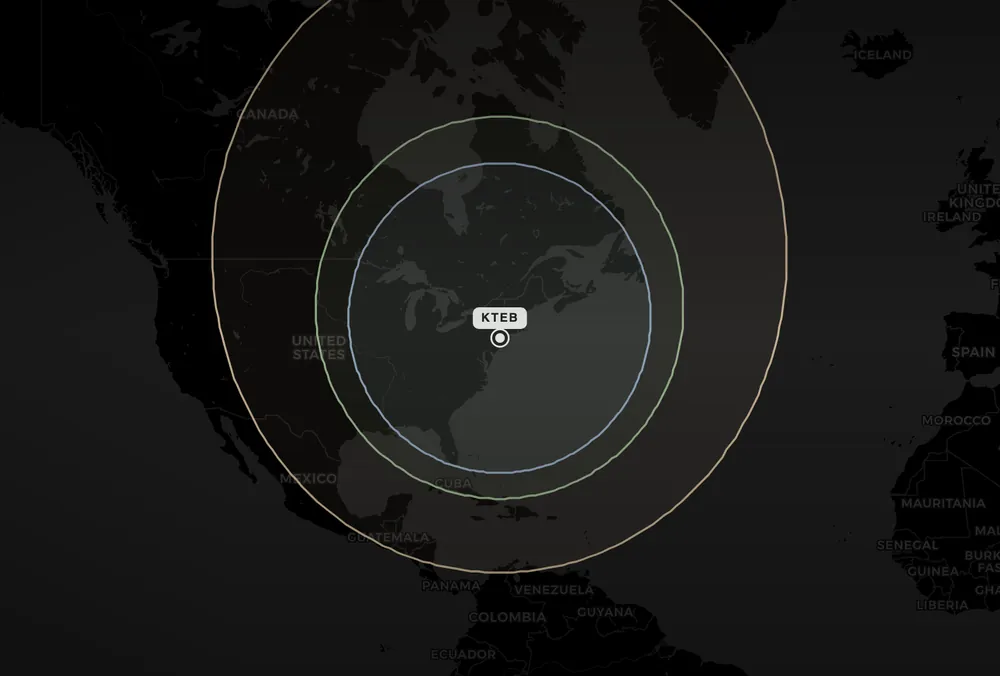
Teterboro Airport (TEB) is frequently relevant for private travelers departing from the New York area. A TEB to ASE mission places added importance on cabin preference, passenger count, baggage, fuel planning, crew duty considerations, and arrival performance.
Aircraft suitability should be reviewed for the complete mission, including the intended alternate. An aircraft that appears appropriate based on distance alone may require a different payload, fuel, or routing plan once the operational environment in Aspen is considered.
Chicago to Aspen Private Jet from MDW to ASE
Chicago Midway International Airport (MDW) may serve travelers arranging a Chicago to Aspen private jet itinerary. Current winds, winter traffic, routing, baggage, fuel requirements, and ASE conditions should be evaluated before timing or aircraft capability is confirmed.
The preferred departure airport may also depend on aircraft positioning and passenger location within the Chicago area. Amalfi Jets can compare suitable operator options while keeping the Aspen arrival and alternate strategy central to the proposal.
What Happens When ASE Airport Is Unavailable?
A private flight to Aspen should not depend on ASE alone. Weather, runway condition, aircraft performance, airport restrictions, parking, or handling availability can make an alternate necessary even when the original itinerary was planned carefully.
If conditions change, the crew may delay departure, wait for improvement, revise the route, or proceed to an alternate in accordance with operator requirements. The appropriate response is determined by the operating carrier and flight crew using the conditions and information available at that time.
An alternate changes more than the airport code on the itinerary. It can affect flight planning, crew duty, handling, ground transportation, baggage arrangements, and the final charter cost.
Selecting the alternate before departure creates clarity. It also allows transportation to be prepared in advance, reducing the number of decisions that must be made if ASE becomes unavailable during the trip.
EGE and GWS as Aspen Airport Alternates
Eagle County Regional Airport (EGE) is frequently evaluated as an alternate for Aspen travel. Its suitability depends on the current weather, aircraft, operating requirements, handling availability, road conditions, and the traveler tolerance for a longer ground transfer.
Glenwood Springs Municipal Airport (GWS) may also enter regional planning discussions. Its availability and suitability must be assessed for the specific aircraft and travel date, and onward transportation should be considered before it is included as an alternate.
Rifle Garfield County Airport uses the code RIL and should not be confused with GWS. Grand Junction Regional Airport (GJT) and Denver International Airport (DEN) may provide broader regional alternatives when conditions or traveler priorities make them appropriate.
No alternate is universally best. The right choice balances operating practicality, local weather, aircraft requirements, ground access, passenger preferences, and the plans scheduled after arrival.
Our Aspen private jet charter planning guide provides additional destination context for comparing ASE with regional gateways. Travelers should still review the final alternate strategy with their charter advisor because conditions and availability can change.
Aspen Ski Season 2026 Booking Lead Times
Aspen winter season traditionally begins in late fall and continues into early spring, subject to resort calendars and conditions. Demand can become concentrated around holiday periods, preferred weekends, and major winter dates, making early coordination valuable for fall and winter 2026 travel.
There is no single booking lead time that applies to every Aspen charter. Aircraft category, passenger count, route, date flexibility, parking, operator availability, and the requested arrival window all influence how early planning should begin.
Travelers with firm dates should speak with a charter advisor once the schedule becomes clear. Beginning early can provide more time to compare aircraft suitability, review baggage requirements, coordinate transportation, and establish an alternate before preferred periods become constrained.
Flexibility can strengthen the available choices. Adjusting an arrival by several hours, considering another departure airport, approving a suitable alternate, or allowing a broader return window may produce a more resilient itinerary during periods of high demand.
Aircraft parking should be addressed at the same stage. If the operating aircraft must reposition after arrival, the proposal should explain how that movement relates to the return flight, crew planning, and quote.
How Aspen Private Jet Charter Costs Are Shaped
Aspen charter pricing reflects more than airborne time. Aircraft positioning, crew duty, deicing, parking, hangar arrangements, handling, alternate planning, seasonal demand, and ground transportation may all influence the proposal.
Aircraft category remains important, but cabin size should not be considered independently of runway performance, route length, payload, and the operator procedures for mountain airports. The better option is the aircraft that balances passenger needs with operational suitability for the complete itinerary.
A planned alternate can also affect the quote. Additional flying, different airport charges, revised aircraft positioning, crew requirements, and a longer ground journey may become relevant if the itinerary uses EGE, GWS, RIL, GJT, or DEN.
The 2026 private jet charter cost guide explains aircraft categories, billable time, positioning, and common quote components in greater detail. An Aspen proposal should still be tailored to the exact trip rather than reduced to a generalized figure.
Can Private Jets Land at Aspen Airport?
Private jets can operate at Aspen Airport when the aircraft, operator, crew, weather, runway condition, payload, and airport restrictions support the proposed mission. Approval cannot be inferred solely from aircraft category or from a previous flight completed under different conditions.
Travelers should provide accurate passenger, baggage, and ski equipment details before selecting an aircraft. Amalfi Jets can then request the relevant review from qualified operators and present options that reflect the intended route and travel date.
What Is the Best Alternate Airport for Aspen?
The best alternate depends on the conditions and priorities surrounding a particular trip. EGE may be considered frequently, while GWS, RIL, GJT, or DEN may be relevant when aircraft suitability, weather, handling, road access, or passenger preferences point to another solution.
The decision should account for the entire onward journey rather than airport access alone. Ground transportation, winter roads, baggage, scheduled commitments, crew planning, and possible changes to the quote all deserve consideration.
Plan an Aspen Airport Private Jet Charter with Amalfi Jets
Aspen rewards precise planning. A thoughtfully crafted itinerary accounts for mountain weather, aircraft performance, airport restrictions, FBO availability, parking, ground transportation, schedule flexibility, and a credible alternate while preserving privacy and comfort.
Amalfi Jets coordinates these details solely as a charter broker. We source aircraft from qualified operators rather than operating an aircraft fleet, and we can compare suitable options from Los Angeles, Dallas, New York, Chicago, or another departure point.
If Aspen is on your calendar for fall or the 2026 ski season, begin with your dates, passengers, baggage, ski equipment, and preferred timing. Submit an Aspen charter request to receive a tailored proposal built around ASE and an alternate strategy appropriate for your journey.


