



When most travelers engage an aircraft charter broker, they experience only the front end of the interaction. You share a route, a departure time, a passenger count, and perhaps a few personal preferences. What you do not see is the rigorous sourcing work that immediately follows behind the scenes. Producing a polished proposal requires a detailed process that turns a simple request into a vetted, itemized charter option built entirely around safety, mission suitability, and total trip value.
That behind-the-scenes process is central to exactly how charter brokers work today. A truly serious charter partner is never simply searching a basic database for the lowest hourly rate. Our real job is to translate your trip into strict operational requirements, source aircraft through a trusted operator network, screen each option carefully, and present a curated shortlist that makes absolute sense for your mission. On high-demand routes involving airports such as Van Nuys (VNY) in Los Angeles, Teterboro (TEB) in New York, Opa-locka Executive (OPF) in Miami, and Dallas Love Field (DAL), that level of disciplined operational work becomes even more important.
What an Aircraft Charter Broker Does Behind the Scenes
As an aircraft charter broker, we do not operate a fixed fleet. Instead, our team sources aircraft from qualified operators and matches each individual trip to the equipment, crew, and commercial structure that best fits your exact mission. That core distinction matters deeply because we are not artificially limited to selling a single in-house option. We have the freedom to rigorously evaluate multiple operators, aircraft categories, and pricing structures before we make any formal recommendation.
For our clients, the immediate advantage of this model is both flexibility and intense scrutiny. A seasoned jet charter broker can compare several realistic choices for the same route, then expertly narrow them based on aircraft performance, cabin fit, operator quality, scheduling reliability, and total trip cost. At Amalfi Jets, our entire process is designed to perfectly balance market access with strict discipline. This structural approach ensures your final proposal reflects the actual trip you are taking, rather than a generic category quote.
Step 1: Turning Your Trip Request Into an Operational Brief
Most initial requests begin in plain, straightforward language. You may ask for a flight from Los Angeles to New York on Thursday afternoon for seven passengers with luggage, a next-day return, and a waiting car service upon arrival. To a typical traveler, that itinerary sounds incredibly uncomplicated. To an expert aircraft charter broker, it acts as the necessary starting point for a much more technical operational translation.
Your route must be defined precisely, often documented as VNY to TEB rather than simply Los Angeles to New York. The precise passenger count and baggage volume heavily influence our cabin category selections and aircraft payload assumptions. Departure timing directly affects mandatory crew scheduling restrictions, global aircraft availability, and anticipated airport congestion levels. If you want absolutely minimal compromise on comfort, nonstop capability, or strict schedule certainty, those preferences immediately shape the shortlist further.
This critical first step is where true expertise begins to show. A VNY to TEB mission may strongly point toward a super midsize or heavy jet, depending entirely on your headcount, baggage, and the specific level of cabin luxury expected. Meanwhile, a TEB to OPF trip may comfortably open a much broader range of midsize and super midsize options for your review. A DAL departure might look appealingly efficient on paper, but verifying the right choice still depends on where the aircraft is flying in from and how your day is ultimately structured.
Step 2: Where a Jet Charter Broker Actually Sources Aircraft
Once the operational brief is clear, our formalized sourcing phase firmly begins. This is the part many travelers mistakenly imagine as a quick digital search, but the real process is far more complex and layered. Our specialized team typically checks a strategic combination of direct operator relationships, highly vetted charter channels, our internal preferred operator records, and live outreach to aircraft positioned near your departure point. For a typical Van Nuys departure, we may first focus on operators with aircraft already parked in the Los Angeles area, as nearby lift can dramatically reduce repositioning costs and noticeably improve schedule flexibility.
For departures from Teterboro, Opa-locka Executive, or Dallas Love Field, the exact same logistical principle applies. The most exceptional value is often not the lowest superficially posted rate in the market. Optimal value is found in the most suitable aircraft that can seamlessly operate the mission with the fewest hidden inefficiencies. This operational dynamic beautifully illustrates why two vastly different aircraft within the exact same class can produce very different economics for your trip.
One aircraft may already be safely secured near VNY and perfectly ready to depart with minimal ferry time attached. Another jet might superficially look competitive at first glance while silently requiring massive crew repositioning hurdles, extra airport charges, or a less favorable schedule. A highly skilled charter broker is never just collecting a random pile of theoretical options for you to manually sift through. We act as your dedicated aviation advisors, actively identifying which aircraft are truly operable in real time.
Step 3: How a Charter Aircraft Broker Vets Operators
One of the most intensely important elements of our entire process happens long before you ever see a single proposal document. A highly responsible charter aircraft broker extensively verifies the operator behind the flight, moving far beyond simply checking the aircraft tail number and base hourly rate. That mandatory step requires actively confirming regulatory authority, thoroughly reviewing insurance coverage, checking mission safety suitability, and deeply understanding the operator's broader reliability profile. Here in the United States, that vetting firmly begins with Part 135 certification verification.
Beyond that foundational step, we systematically evaluate respected third-party safety benchmarks, including ARGUS, Wyvern, or IS-BAO indicators, as part of our broader internal due diligence process. While those specific labels are no substitute for professional operational judgment, they greatly help support a highly informed screening framework. Practical, real-world experience matters just as much; our team constantly monitors how thoughtfully operators communicate, how accurately they submit quotes, how consistently they execute dispatches, and how dependably they perform on the actual day of travel. A notably lower-priced aircraft will automatically fail to make our shortlist if our confidence level in that underlying operator remains low.
This stringent, unapologetic vetting stands as a defining hallmark of how charter brokers work when the sourcing process is executed perfectly. The broader aviation market may be massive, but the final list you review has already been dramatically narrowed by our incredibly strict internal standards. We systematically perform this exhaustive vetting specifically to protect both your physical safety and your overall premium travel experience. Our steadfast goal ensures every single option presented to you has truly earned its coveted place on your itinerary shortlist.
Step 4: Matching Aircraft Category to the Mission
Once initial responses from our highly qualified operators reliably arrive, our next crucial decision centers squarely on aircraft fit. Travelers sometimes casually assume the easiest answer is simply to book the outright largest jet safely fitting within their budget. In everyday practice, our technical aircraft matching process remains far more nuanced and personalized. Our team strategically recommends the aircraft category structurally poised to best align with your route, passenger load, comfort expectations, and overall trip economics.
A standard TEB to OPF mission may be brilliantly served by a premium midsize or super midsize aircraft, assuming the passenger count remains moderate and you deeply value nonstop convenience. A typical DAL to VNY trip may also easily fit that precise range sweet spot, especially when cabin comfort and flight efficiency must optimally stay in perfect balance. A demanding coast-to-coast route, such as an extended VNY to TEB flight, naturally shifts our immediate attention toward super midsize or heavier equipment, particularly when the cabin ambiance clearly matters just as much as the schedule.
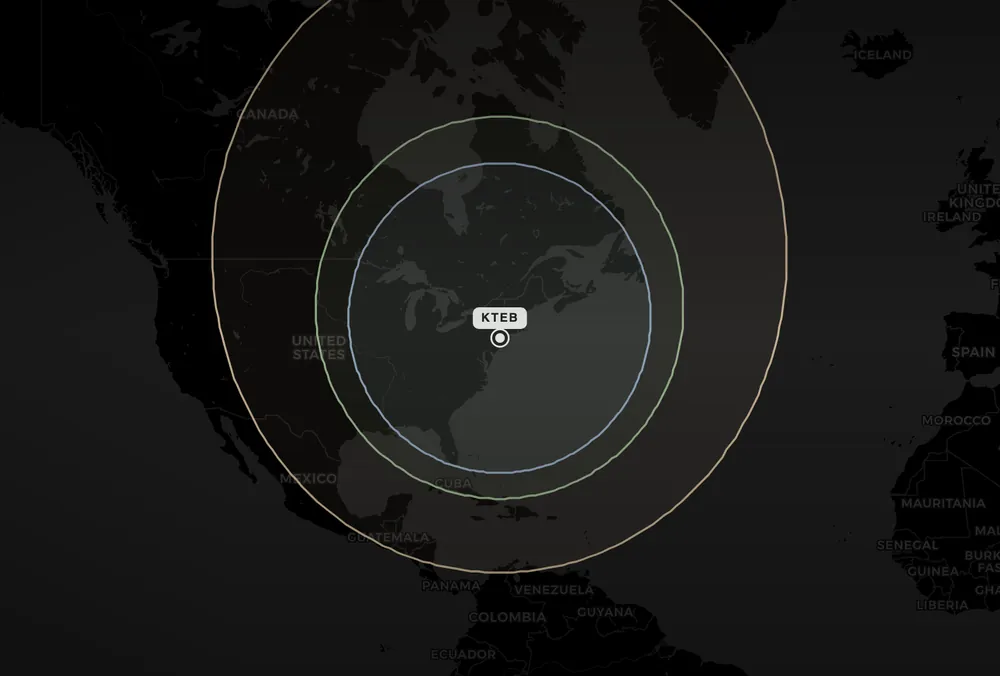
For clients wishing to seamlessly compare diverse categories, our aircraft categories and range guide acts as an excellent planning resource. It accurately demonstrates how distinctly different classes smartly align with passenger capacity, nonstop flight range, and wildly varied mission profiles. Reviewing that kind of professional range mapping gracefully helps clarify why a Challenger 350 aircraft may definitively be ideal for one itinerary, while another route organically demands a vastly different equipment class. Your specific mission requirements essentially act as the foundation dictating our perfectly optimal aircraft recommendation.
Step 5: Building an Itemized Quote Beyond the Hourly Rate
Translating raw, preliminary operator responses into a fiercely accurate total trip figure represents exactly where the glaring difference between a basic number and a professional quote materializes. An operator may quickly send a rough initial price, but that figure rarely reflects the comprehensive financial story. A premier aircraft charter broker meticulously builds a thorough proposal you can confidently evaluate with total financial clarity. As expertly outlined directly in our 2026 private jet charter cost guide, a proper quote responsibly captures base flight time, Federal Excise Tax, airport and expected handling charges, essential fuel adjustments, mandatory crew logistics, and necessary repositioning legs.
In several common operational scenarios, the final trip total must also encompass crew overnight expenses or unpredictable weather-related variables such as essential winter de-icing limits. This complex calculation easily explains precisely why two nearly identical routes surprisingly end up pricing differently. An aircraft smartly based near DAL naturally yields a much cleaner number than a jet frustratingly forced to dramatically reposition into Dallas directly before your pickup time. At chronically busy airfields like VNY, TEB, and OPF, intense local demand, tight ramp space constraints, and shifting ground handling fees can dynamically alter the total operational expense.
A distinctly refined Amalfi quote deliberately makes all of those complex operational financial assumptions cleanly visible to you. You accurately understand precisely what is fixed, what may slightly change based on live atmospheric conditions, and why one premier option organically delivers better overall value than another. Our expert advisors proactively ensure you are never unpleasantly surprised by obscure hidden charges suddenly placed onto your final invoice. Every single financial figure undergoes incredibly careful review and is presented with stunning clarity before your final decision is requested.
Step 6: How Charter Brokers Work Through the Shortlist
Immediately following intense sourcing and vetting, we decisively reduce the market to a highly refined, concise group of exceptionally qualified options. Our operational intent is never to carelessly overwhelm you with every single marginally available market response. Instead, we completely unpack exactly which exclusive aircraft truly deserve your serious consideration and precisely why they ultimately made our demanding cut. An exceptionally strong Amalfi shortlist gracefully balances established operator credibility, optimal aircraft suitability, accurate total trip cost, precise schedule fit, luxurious cabin experience, and generous cancellation flexibility.
One proudly featured aircraft inherently might represent the absolute superior nonstop logistical option specifically for your desired route. A second highly qualified option may simply provide a far more comfortable seating layout deliberately crafted for your moderately larger traveling group. A third distinct choice could realistically reduce your overall total financial spend significantly merely because the premium jet happens to be parked near your selected departure airport. The undeniable true value of our delivered shortlist rests not merely in the fact that it is conveniently shorter, but that it is intently and masterfully curated specifically around your unique requirements.
This highly proactive professional curation proudly represents the specific advisory difference modern travelers actively seek out when inquiring about exactly how charter brokers work. You rightfully wish to clearly understand precisely why an aircraft recommendation exists, what logistical trade-offs are present, and which distinct variables genuinely possess the strong potential to influence your trip. Delivering itemized, fully transparent premium proposals successfully builds absolute confidence because they systematically reveal the uniquely solid logistical reasoning anchoring every exclusive recommendation. Our expert team stands perpetually ready to deeply discuss these significant granular details so you eventually confidently book with complete certainty.
Step 7: From Aircraft Selection to Day of Departure
The moment you confidently select your highly preferred aircraft, our ongoing professional operational role is far from complete. We swiftly finalize solid confirmation documents firmly with the operator, cleanly reconcile your extensive passenger security details, and seamlessly initiate moving all complicated logistics fluidly from the proposal stage into live execution. This incredibly crucial transitional phase definitively includes essential manifest collection, orchestrating precise luxury catering requests, flawlessly coordinating exclusive ground transportation logistics, and providing explicit FBO directions specifically covering both your impending departure and arrival. Our deeply experienced operational team expertly manages these countless foundational elements ensuring your travel day feels refreshingly effortless.
Executing flawlessly remains especially highly critical at significantly high-traffic regional airports such as VNY, TEB, OPF, and DAL, where incredibly complex local traffic patterns naturally heavily dictate your final premium travel experience. Navigating operations at Van Nuys relies deeply on capturing quick curb-to-cabin efficiency, representing a highly central element strongly fueling the broader private aviation appeal. Arriving rapidly into Teterboro dictates flawless timing precision simply due to the incredibly intense sheer volume of surrounding business aviation traffic heavily operating directly near New York City. Operating regularly out of Opa-locka Executive confirms event-driven luxury demand frequently sweeping aggressively across all of South Florida, substantially dictating daily aircraft availability.
Concurrently managing complex departures at Dallas Love Field indicates regional local positioning and active service communication critically dictate heavily exactly how fluidly your day positively unfolds. Throughout this entire overarching process, our dedicated Amalfi team distinctly serves prominently as your singular dependable point of contact while we concurrently coordinate highly directly with the operator's professional operations desk quietly hidden behind the scenes. That unmatched signature continuity deeply matters because it seamlessly provides you one highly dedicated, incredibly reliable place to immediately go for timely updates, schedule changes, and ongoing dedicated operational support. You focus primarily on brilliantly executing your itinerary, and we powerfully direct essentially all of the incredibly demanding operational complexities.
Why VNY, TEB, OPF, and DAL Change the Sourcing Strategy
Intimate airport knowledge historically is incredibly vital to our broader process; it powerfully directly shapes our aggressive sourcing strategies, precision pricing models, and highly targeted aircraft selections. Busy outposts similarly like Van Nuys consistently boast exceptionally high operator aircraft density, which beautifully inherently creates incredibly attractive local availability, but predictably crowded afternoon scheduling periods certainly regularly increase overall ground handling complexities. Teterboro clearly dominates definitively as one of the exceedingly most highly important business aviation primary gateways functioning actively within the country, yet rigorous aerial traffic flows alongside incredibly strict operational curfews persistently dictate demanding precise scheduling accuracy. Opa-locka Executive rightfully flourishes powerfully as an absolutely paramount South Florida elite access point where explosive seasonal holiday peaks heavily combined with high-profile global events routinely artificially severely compress available aircraft supply limits.
Dallas Love Field powerfully serves effectively as an extremely robust domestic aviation hub prominently designed catering to high business networking, but available daily local inventory still heavily forcefully determines essentially how uniquely efficient your personal charter quote genuinely operates. Continuously examining typical approximate regional flight block times successfully helps fully demystify the complex operational matching logic deeply required efficiently supporting these heavily traveled high-density commercial corridors. Taking an aircraft from VNY to TEB routinely falls efficiently directly into a time window demanding approximately 4.5 to 5.5 hours, heavily relying upon highly dynamic seasonal atmospheric winds combined alongside your purposefully selected preferred aircraft class. Executing a highly standard TEB to OPF flight predictably mandates planning for approximately 2.5 to 3.0 hours, seamlessly providing a highly remarkably quick flight route effortlessly running directly alongside the incredibly busy eastern domestic seaboard limit.
A highly traditional flight quickly linking DAL to VNY generally forcefully demands precisely operating for a duration nearing approximately 3.0 to 3.5 hours of steady uninterrupted flight, while finishing a quick hop bridging DAL to OPF is almost entirely commonly completed neatly essentially within approximately 2.5 hours flat. Presenting these varied chronological figures serves as solid operational planning estimates rather than acting as rigid absolute timeline guarantees, but they clearly illustrate why advanced premium category technical selection must stand as a mission-specific foundational tactical planning process. Our Amalfi flight professionals thoroughly evaluate all these intricate regional geographic routing details so your carefully selected private aircraft harmonizes closely with the actual operational realities dictating your chartered flight path. That degree of nuanced geographical operational awareness significantly prevents inconvenient scheduling issues and ensures your travel day unfolds exactly as planned.


