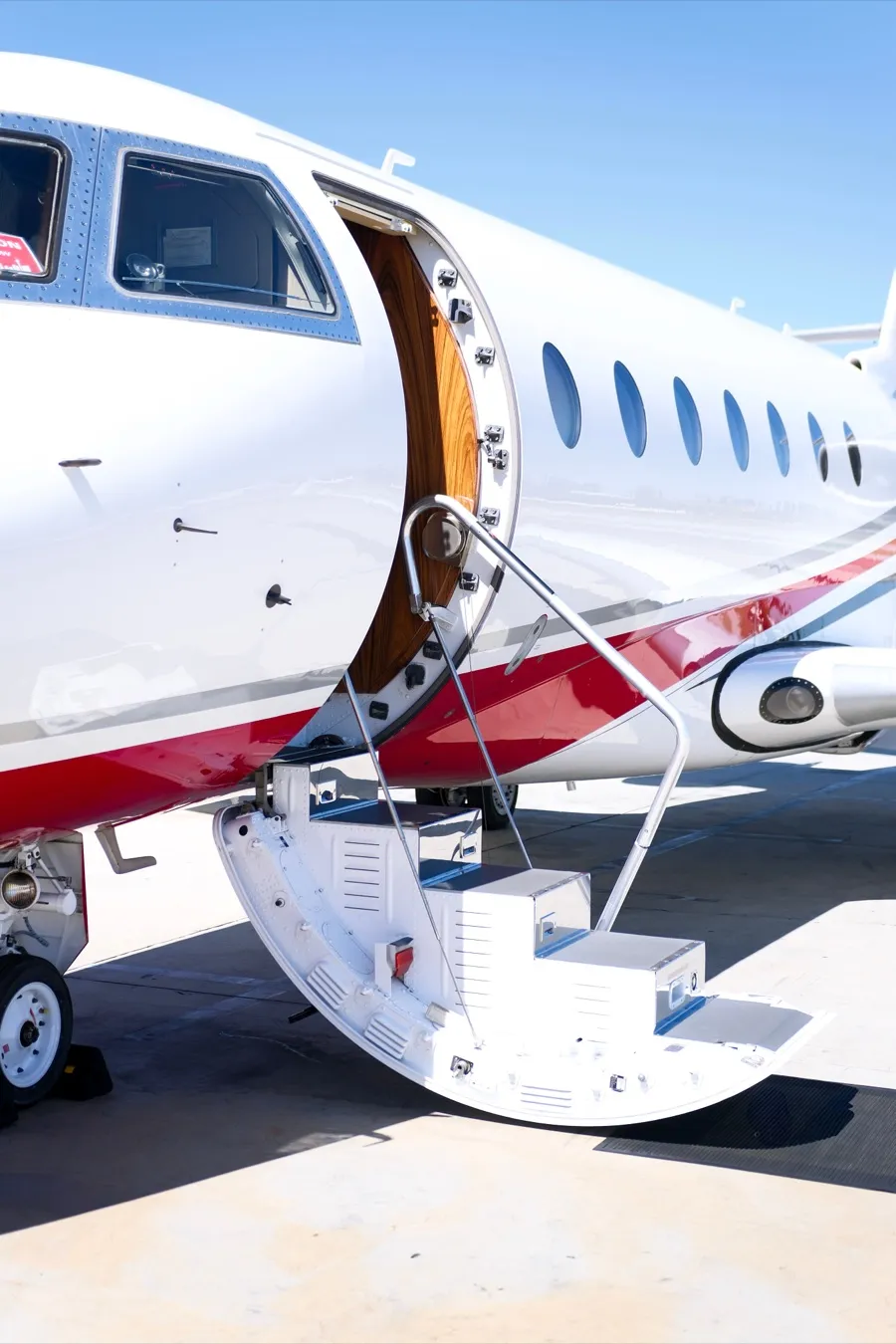




Rome in fall rewards precise planning. For travelers considering a private jet to Rome in fall 2026, the first major decision is whether to arrive through Rome Ciampino Airport (CIA) or Rome Fiumicino Airport (FCO). That choice can influence slot availability, handling, ground transportation, and the wider structure of an Italian itinerary.
The cultural calendar adds another layer to the decision. Performing arts, exhibitions, film programming, gallery events, and private engagements can concentrate demand around particular dates, making early coordination especially valuable.
As a premium charter broker, Amalfi Jets sources suitable aircraft from vetted operators rather than operating the aircraft ourselves. We coordinate every detail surrounding your journey, providing a single point of contact for aircraft selection, airport planning, regulatory requirements, and ground arrangements.
Private Jet to Rome in Fall 2026: CIA or FCO?
Ciampino is commonly favored for private aviation in Rome because it provides a business aviation environment and convenient access to many central districts. Fiumicino is the city’s principal commercial gateway, but it can be a practical alternative when CIA availability, airport restrictions, commercial connections, or the desired schedule influence the plan.
The short answer is that CIA is often the first airport considered for a Rome private jet itinerary, while FCO remains an important alternative. The right choice can only be made after the operator and handling team confirm current slots, parking, operating conditions, and services for your intended dates.
Airport selection should also account for your address in Rome and the next stage of the journey. A stay near the historic center may favor one transfer plan, while a scheduled airline connection or an onward international departure may make another arrangement more effective.
Rome Urbe Airport and Viterbo Airport can be reviewed for certain missions, but they should not be treated as automatic substitutes for CIA or FCO. Their suitability depends on the aircraft, permissions, handling arrangements, airport conditions, and final ground destination.
Rome Private Jet Airports: Why CIA Is Often Preferred
Ciampino’s appeal begins with its location relative to central Rome. For travelers staying near Via Veneto, the Spanish Steps, the historic center, or the city’s principal business districts, CIA can support a more direct arrival plan than an airport farther from the center.
Its business aviation facilities can provide a more discreet process than the commercial passenger journey at a major airline terminal. Available services, customs arrangements, aircraft access, and passenger procedures should still be confirmed for each movement because local conditions and handling provisions can change.
CIA also serves multiple categories of traffic, so business aviation movements operate within a wider airport environment. Slots, parking pressure, movement controls, noise provisions, and state activity can all affect the schedule during busy periods.
Operating windows require particular attention. Rather than assuming CIA can accommodate an arrival or departure at any hour, Amalfi Jets coordinates with the selected operator and local handler to confirm the applicable window and evaluate an FCO alternative when appropriate.
Ground Transportation From CIA to Central Rome
A private aviation Rome Italy itinerary is not complete when the aircraft lands. The airport transfer must be coordinated with the actual arrival, passport procedures, baggage movement, local access requirements, and your first commitment in the city.
A chauffeured vehicle should be arranged before departure and coordinated with the local handling team. This approach allows the pickup to respond to the aircraft’s progress and the passenger procedures in effect on the day rather than relying on a fixed assumption about when travelers will leave the airport.
Road conditions in and around Rome can change significantly throughout the day. Travelers attending an opera performance, gallery appointment, private dinner, or business meeting should preserve a sensible interval between arrival and the first scheduled engagement.
The same principle applies when several vehicles, additional luggage capacity, or security coordination is required. Bringing the flight and ground plan together creates a composed transition from the aircraft to the city.
When FCO Is the Better Rome Private Jet Airport
Fiumicino can offer valuable flexibility when CIA is constrained. It may be considered when the preferred slot is unavailable, parking cannot be confirmed, the itinerary involves timing outside CIA’s applicable operating window, or members of your party need to connect with scheduled airline services.
The passenger experience differs from CIA because FCO is built around large scale commercial activity. Private handling and coordinated assistance can simplify the process, but you should expect the airport environment and ground journey to differ from a dedicated business aviation arrival.
FCO can also protect the wider schedule as a contingency airport. If CIA cannot support the requested movement, accepting an appropriate FCO plan may be preferable to changing a carefully arranged departure, cultural engagement, or onward connection.
The decision should always be based on the complete itinerary rather than airport reputation alone. Arrival timing, transfer destination, commercial connections, permissions, parking, passenger preferences, and the next stage of travel all influence which Rome gateway offers the better result.
Private Jet From New York or Los Angeles to Rome: TEB and VNY
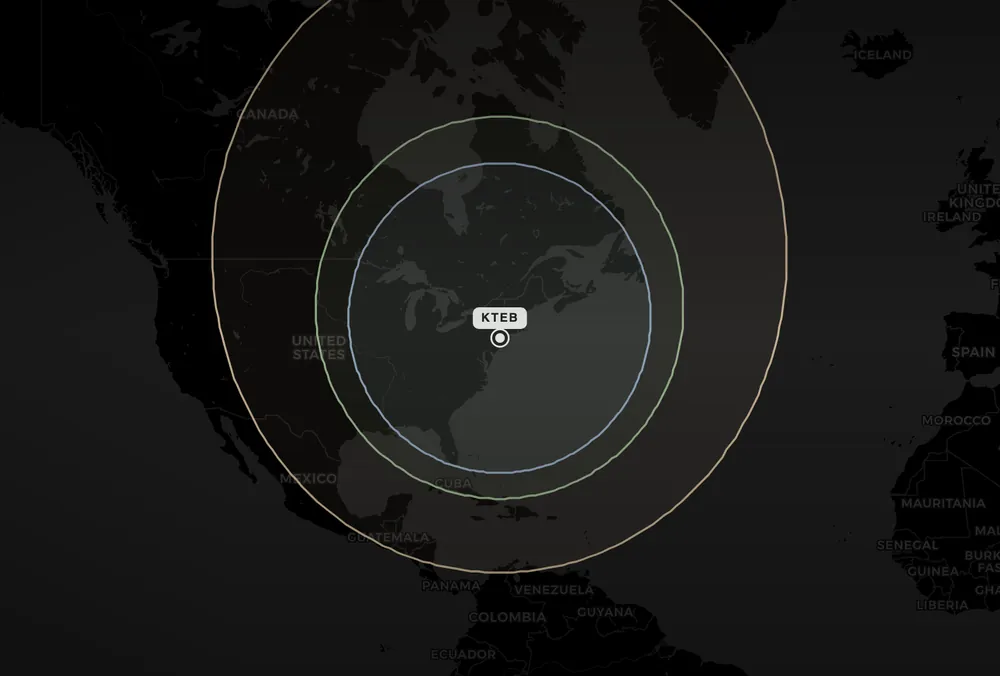
Teterboro Airport (TEB) is a frequent starting point for private travel from the New York area. A transatlantic charter flight to Rome from TEB requires aircraft selection based on passenger count, baggage, forecast conditions, routing, crew planning, airport access, and the operator’s assessment of whether the journey can be completed as proposed.
Nonstop capability should never be treated as a fixed promise for every aircraft within a broad category. Winds, air traffic routing, fuel reserves, payload, runway conditions, and the performance of the specific aircraft can affect the final operating plan.
A departure from Van Nuys Airport (VNY) near Los Angeles introduces a longer mission profile. Depending on the aircraft, conditions, crew plan, and payload, your itinerary may require a technical stop or a different routing strategy before reaching CIA or FCO.
For both TEB and VNY departures, Amalfi Jets reviews the complete schedule before recommending an aircraft. Positioning, cabin preferences, baggage, passenger count, potential fuel stops, ground transportation, and the requirements of the selected Rome airport are considered as connected parts of the journey.
You should also consider the return or onward segment before confirming the outbound aircraft. If the itinerary continues elsewhere in Italy or Europe, a different aircraft strategy may provide a better fit than selecting solely around the first transatlantic sector.
Charter Planning From London, Miami, and Dallas: LHR, OPF, and DAL
London Heathrow Airport (LHR) creates a different planning profile from the North American gateways. Although the sector to Rome is shorter, airport access, departure coordination, slots, handling, traffic flow, and the preferred arrival airport remain central to the plan.
Miami Opa-locka Executive Airport (OPF) is a natural departure point for many South Florida travelers arranging an Italian itinerary. An OPF to Rome mission requires the operator to assess weather, routing, payload, reserves, crew requirements, and the performance of the proposed aircraft before confirming the operating plan.
Dallas Love Field (DAL) involves similar considerations for a private jet Rome itinerary. General route estimates may provide context, but only the selected operator’s calculations can establish whether a specific aircraft can perform the proposed mission under the conditions expected on the day.
These routes illustrate why private charter should not be reduced to a simple city pair. A European sector from LHR, a transatlantic departure from OPF or DAL, and a West Coast itinerary from VNY each require a distinct aircraft and operational strategy, even when the destination is the same.
Airport choice at the point of departure matters as well. Availability, aircraft positioning, local restrictions, passenger location, and ground access can influence whether the named gateway remains the best option once the complete itinerary has been reviewed.
Does a Rome Charter Require Italian Permits and Slots?
Private charter in Italy can involve several layers of regulatory and airport coordination. The Italian civil aviation authority oversees relevant authorization and traffic rights requirements, while airport slots, parking, handling, customs, and immigration arrangements are managed according to the flight and airport involved.
The permits required depend on factors such as the operator’s regulatory status, route, aircraft registration, commercial authority, and the nature of the mission. Certain operators may need overflight or landing authorization, and supporting documents can be required before approval is issued.
Applicable notice periods and document requirements should be confirmed for your individual flight. An Air Operator Certificate, insurance evidence, aircraft documents, operating specifications, and other records may form part of the review, depending on the circumstances.
At CIA, slot coordination and local operating provisions can affect both arrival and departure planning. Parking, handling, passenger processing, customs support, movement limits, and noise controls should be confirmed rather than inferred from a previous journey.
Early planning gives the operator, broker, and handling team more time to address these requirements without placing unnecessary pressure on the itinerary. Amalfi Jets coordinates with the selected operator and relevant local teams while keeping you informed of decisions that could affect the schedule.
Fall 2026 and Rome’s Cultural Calendar
Fall is one of Rome’s most compelling cultural periods. Performing arts, exhibitions, cinema, design, gallery programs, and culinary events bring an energetic rhythm to the city, particularly when several prominent programs overlap.
You may encounter Romaeuropa Festival programming, Rome Art Week, jazz events, cinema presentations, design programs, and performances at Teatro dell’Opera di Roma. Individual dates, venues, and ticket details should be reconfirmed before the charter schedule is finalized because cultural calendars frequently change.
The season also encourages itineraries that extend beyond a single event. A performance can be paired with private museum access, a gallery appointment, an elegant dinner in the historic center, or several days in the countryside after your Rome stay.
Demand can cluster around opening nights, festival weekends, international gatherings, and popular travel periods. Beginning the charter process early provides more room to compare aircraft, review both CIA and FCO, and protect preferred arrival windows before options become restricted.
Flexibility remains valuable even with advance planning. A modest adjustment to departure time or airport choice can sometimes preserve the broader itinerary without compromising the primary purpose of your journey.
Understanding the Cost of a Private Jet to Rome
The cost of a private jet to Rome is shaped by significantly more than time in the air. Aircraft category, route, positioning, airport charges, handling, applicable taxes, fuel provisions, crew logistics, regulatory obligations, and seasonal demand can all influence the final quote.
Your Rome airport choice may also change the trip structure. A preferred CIA slot could require a schedule adjustment, while parking limitations or a move to FCO may affect positioning, handling, and ground transportation.
Our 2026 private jet charter cost guide explains these principal components in greater detail. For a Rome journey, Amalfi Jets presents the relevant itinerary and aircraft options clearly so you can assess the complete proposal rather than relying on a generalized hourly calculation.
Amalfi Jets is a charter broker and does not operate the aircraft. We compare suitable options from vetted operators and consider aircraft capability, operator standards, schedule fit, passenger requirements, and the practical demands of the Rome arrival before presenting a recommendation.
A lower initial figure does not always represent the most effective itinerary. Aircraft positioning, technical stops, airport constraints, crew arrangements, and the onward journey should be considered before comparing proposals solely on price.
Building a Wider Private Aviation Itinerary in Italy
Rome often serves as the opening chapter of a broader Italian journey. Depending on your plans, the itinerary may continue toward Tuscany, Umbria, the Amalfi Coast, or the northern lakes through another charter segment or chauffeured ground transportation.
The best sequence depends on dates, party size, baggage, hotel locations, cultural commitments, and the airport options near each destination. Amalfi Jets can structure the Rome arrival around an important engagement, preserve appropriate time in the city, and coordinate the next movement as part of one cohesive itinerary.
A traveler departing from TEB might arrive through CIA for an opera weekend, remain in Rome for several nights, and continue to another Italian destination after the final performance. Aircraft sourcing, operator documentation, slots, handling, transfers, and the onward schedule can then be coordinated as connected elements rather than separate bookings.
The same principle applies to departures from OPF, DAL, VNY, or LHR. Thoughtful sequencing can reduce unnecessary transfers, protect time in each destination, and create a more comfortable rhythm throughout your trip.
Ground transportation may be the better option for some onward journeys, while another charter segment may suit more distant destinations or a time sensitive schedule. Our recommendation reflects the complete experience rather than defaulting to air travel for every stage.
Choosing Amalfi Jets for a Rome Private Jet Journey
Planning a Rome private jet journey requires careful judgment at several points. The aircraft must be matched to the route, CIA must be compared with FCO, current Italian requirements must be confirmed, and airport timing must align with your plans in the city.
Our role is to manage those details while keeping your experience personal and clear. The selected operator remains responsible for operating the aircraft, while Amalfi Jets serves as the charter broker coordinating aircraft sourcing and the wider itinerary.
You can explore additional airport and destination considerations in our private jet charter guide to Rome. It provides further context for CIA, FCO, seasonal planning, and alternative airports in the Rome area.
Fall 2026 will favor travelers who plan around both the cultural calendar and the practical realities of airport access. With flexibility on timing and a carefully selected aircraft, Rome can become the center of a considered Italian itinerary rather than simply the endpoint of a flight.
When your dates begin to take shape, request a tailored private charter itinerary with Amalfi Jets by visiting our website. Our team will curate suitable aircraft options and coordinate the route, airports, regulatory details, handling, and ground arrangements for your journey to Rome.