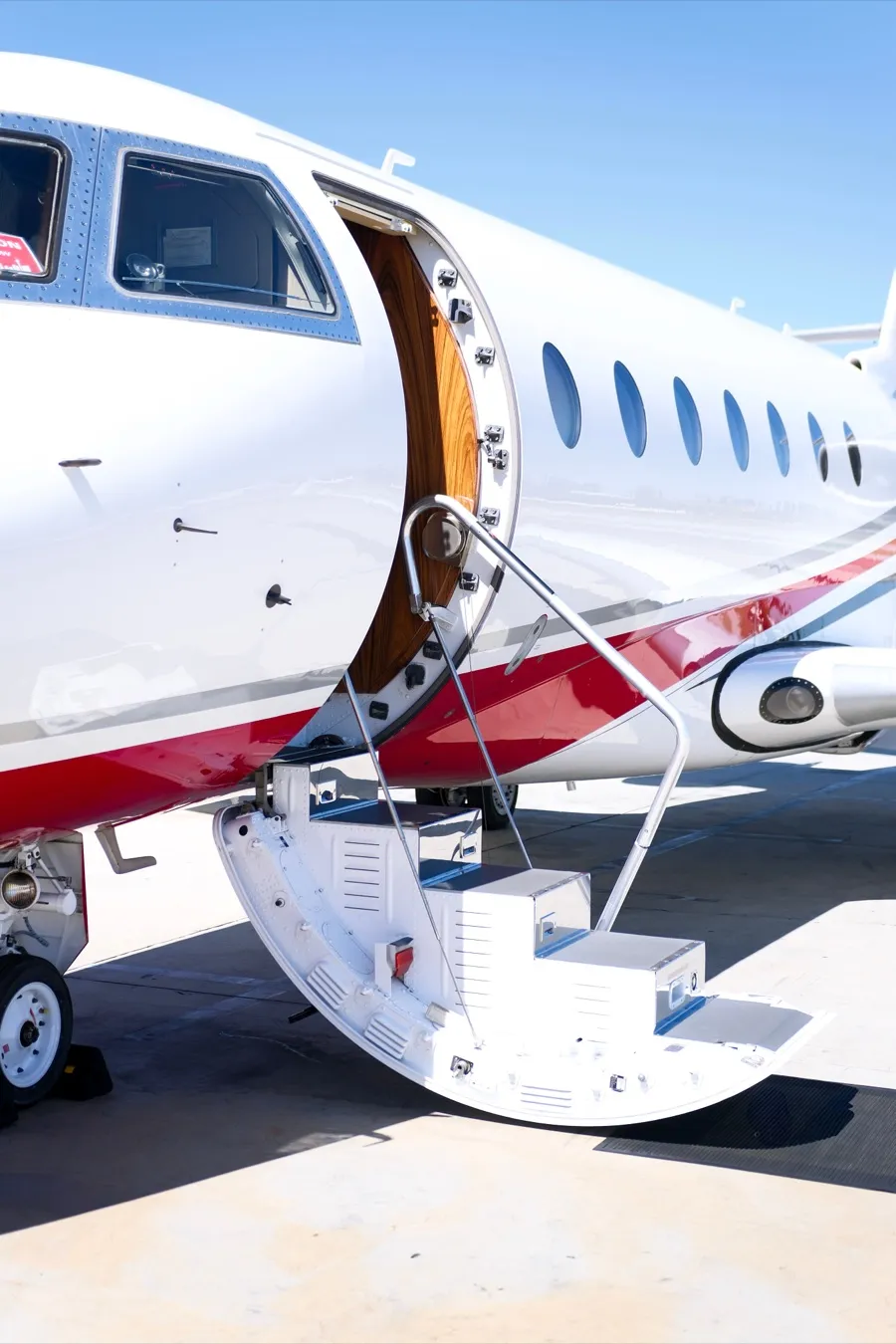




The Citation Latitude helped reset expectations for the midsize private jet category. By bringing together a flat floor, a full stand up cabin, seating for nine passengers, and a published maximum range of 2,700 nautical miles, it gave travelers a more spacious way to approach demanding domestic and select international itineraries.
That balance remains central to the aircraft’s appeal today. The Latitude can support executive schedules, private family travel, weekend escapes, and multistop journeys while retaining the efficiency associated with its class.
Cessna Citation Latitude and the Midsize Jet Category
Midsize aircraft occupy an important position in private aviation. They can suit missions where a light jet may feel constrained, yet the cabin or operating profile of a larger aircraft may exceed what the itinerary requires.
The Cessna Citation Latitude advanced that proposition with a cabin designed around greater freedom of movement. Its combination of a flat floor and full stand up cabin helped make those qualities meaningful considerations for travelers evaluating a modern midsize jet.
The difference becomes more apparent as time aboard increases. Moving through the cabin without a lowered aisle can support private conversation, focused work, dining, or uninterrupted time with family in a setting that feels more open.
Amalfi Jets arranges Latitude charters through qualified aircraft operators. As a charter broker, we compare available aircraft, operator standards, cabin configurations, payload requirements, and scheduling constraints before presenting options suited to your trip.
Citation Latitude Specs for Charter Planning
The core Citation Latitude specs include seating for nine passengers and a published maximum range of 2,700 nautical miles. Together, those figures explain why the aircraft is frequently considered for longer domestic journeys and carefully planned missions beyond the continental United States.
Published specifications should always be understood as reference points rather than guarantees for a particular departure. Winds, temperature, passenger count, baggage, routing, runway conditions, fuel reserves, and the configuration of the available aircraft can all influence the final operating plan.
This distinction is especially important when an itinerary approaches the aircraft’s practical limits. A route that appears to fit within the published range may still require a fuel stop or a different aircraft after the operator evaluates the day’s conditions.
Passenger capacity deserves the same careful interpretation. Although the model can seat nine passengers, the suitability of a particular aircraft depends on the seating layout, baggage requirements, passenger preferences, and payload considerations associated with the route.
For a focused overview of the model, the Citation Latitude aircraft profile presents its principal charter characteristics and representative mission considerations. Travelers comparing the model with other options can also review the broader midsize private jet category before selecting an aircraft class.
Citation Latitude Interior: Flat Floor, Stand Up Cabin
The Citation Latitude interior is central to the aircraft’s identity. Its flat floor and full stand up cabin allow passengers to move more naturally than they might in midsize designs built around a lowered aisle.
That change affects more than appearance, transforming how you use the available space. It can make it easier to move between seats, continue a conversation across the cabin, access the lavatory, or transition between work and rest during a longer journey.
Individual interiors vary because each charter aircraft may have a different seating arrangement, finish, or equipment package. Travelers who need a specific seat layout, connectivity feature, entertainment system, or cabin amenity should ask for confirmation during the aircraft selection process.
The nine passenger capacity can work well for executive teams, families, and small private groups. Even so, a lightly packed group of nine creates a different mission profile from nine travelers carrying substantial luggage, so cabin and loading requirements should be reviewed together.
The value of the interior is ultimately found in how its features work as a whole. Rather than relying on one decorative element, the aircraft creates its sense of space through cabin height, a flat floor, seating flexibility, and a layout intended to support movement.
Citation Latitude Range and Real World Mission Planning
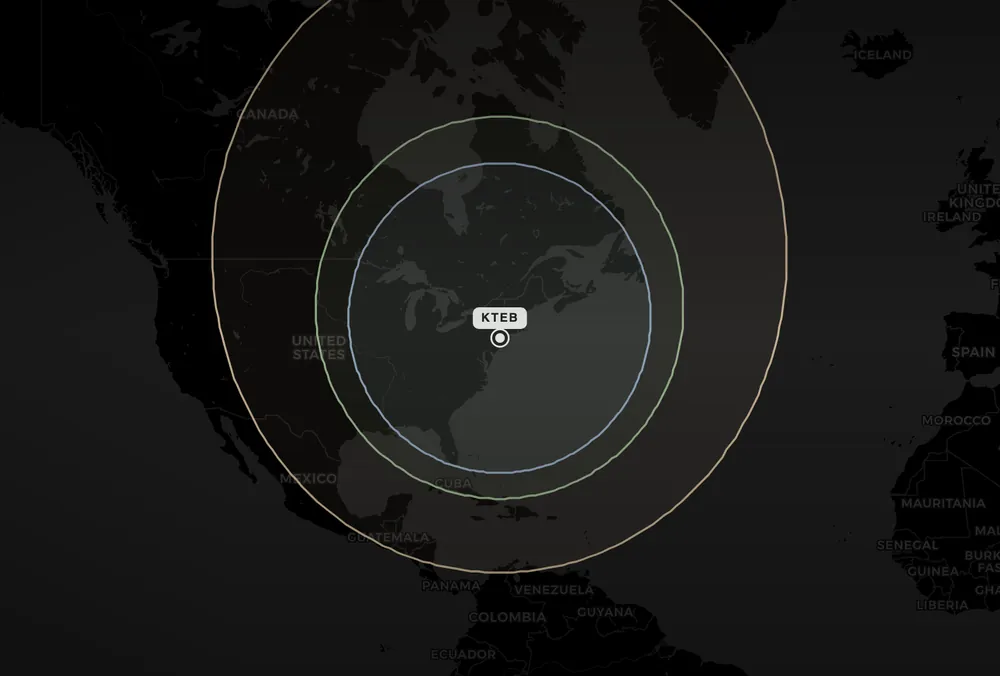
The Citation Latitude range is published at a maximum of 2,700 nautical miles. That capability brings a wide selection of domestic city pairs into consideration and allows certain international routes to be evaluated without moving automatically into a larger aircraft category.
A maximum range figure does not mean every route inside that distance can be flown nonstop in all conditions. Headwinds, weather deviations, passenger and baggage weight, reserve requirements, runway performance, and aircraft specific limitations can alter the result.
For that reason, flying from Los Angeles to the New York area should be treated as a mission requiring detailed review rather than an automatic nonstop pairing. The operator must assess the available aircraft and conditions before confirming whether a fuel stop is advisable.
The same discipline applies to shorter routes. Even when a city pair sits comfortably inside the published range, airport conditions, aircraft positioning, crew scheduling, and operating availability can shape which option best supports the itinerary.
Range is therefore most useful as the beginning of an aircraft discussion. The final recommendation should account for the entire mission, including passengers, luggage, schedule, airports, cabin priorities, and acceptable alternatives if conditions change.
Los Angeles and Dallas Citation Latitude Routes: VNY and DAL
Van Nuys (VNY) is a key private aviation gateway for the Los Angeles area. A Citation Latitude charter from VNY can be considered for regional travel, longer domestic schedules, and multistop itineraries that begin or end in Southern California.
Trips from Los Angeles to mountain destinations require particular attention to weather, elevation, temperature, runway conditions, and payload. The Latitude may be a candidate for such missions, but the operator must determine suitability for the specific departure and destination.
Longer journeys from VNY, including travel toward New York, call for an equally careful review. A nonstop plan may be possible under suitable conditions, while other circumstances could make a fuel stop or another aircraft category the more prudent choice.
Dallas Love Field (DAL) offers a well positioned departure point for travel across the United States and toward select destinations in Mexico or the Caribbean. From Dallas, the Latitude’s range can support consideration of East Coast, West Coast, and South Florida itineraries without treating every route as operationally identical.
A Dallas departure can also work well within a multistop business schedule. When several cities are involved, Amalfi Jets evaluates the aircraft’s positioning, operator availability, segment timing, passenger requirements, and the continuity of the complete journey.
Miami, New York, and Chicago Routes: OPF, TEB, and MDW
Miami Opa Locka Executive (OPF) serves private aviation in the Miami area. Its location can make it a relevant choice for South Florida itineraries, subject to aircraft availability, local conditions, and the requirements of the operating provider.
The Latitude may be considered for Miami travel from cities in the Northeast and Midwest. Each trip still requires a route specific assessment, particularly when passenger count, baggage, weather, or onward ground arrangements influence the schedule.
Teterboro (TEB) is a prominent private aviation gateway for the New York City region. Demand, traffic management, airport restrictions, and aircraft positioning can all affect how a departure from or arrival into TEB is planned.
For a Los Angeles to New York itinerary, the published range provides only an initial framework. Amalfi Jets coordinates with the proposed operator to assess winds, reserves, payload, and any potential fuel stop before presenting the aircraft as a suitable option.
Chicago Midway International (MDW) can support private aviation access near central Chicago. Routes from Chicago to New York, Dallas, Miami, or other major domestic markets may sit within the aircraft’s published range, but every segment remains subject to operational review.
Together, OPF, TEB, and MDW illustrate the range of schedules the aircraft may support. They also show why airport selection cannot be separated from aircraft selection, especially when a trip involves several cities or tightly coordinated appointments.
How the Citation Latitude Changed Midsize Missions
Earlier midsize aircraft established the category as a capable solution for regional and longer domestic travel. The Latitude helped move the conversation forward by pairing meaningful range with a cabin experience shaped by a flat floor and full stand up height.
The change was not simply about adding visual space. A flat floor influences how the cabin is used, from moving between seats to reaching the lavatory or maintaining conversation without the physical interruption of a lowered aisle.
Its published range also broadened the types of schedules travelers could evaluate within the midsize category. Instead of considering a midsize aircraft only for shorter trips, clients could discuss longer domestic routes and select international missions while retaining a cabin sized for a focused group.
That balance matters because the best aircraft is not necessarily the largest available option. It is the aircraft that accommodates passengers, baggage, airports, timing, and desired nonstop capability without introducing unnecessary capacity or compromising the operating plan.
Is the Citation Latitude Right for Nine Passengers?
The aircraft can accommodate nine passengers, but seat count alone does not determine whether it is right for a particular group. The available cabin layout, quantity and type of baggage, route length, and passenger preferences all influence the recommendation.
A group of nine traveling with compact personal luggage may have a different set of requirements from a group carrying presentation materials, recreational equipment, or numerous large bags. These details should be discussed before an aircraft is presented as a final match.
For smaller groups, the Latitude can offer additional personal space without automatically moving into a larger category. Travelers who value cabin movement, a flat floor, and full stand up height may find that distinction especially meaningful on longer trips.
Another midsize model or a larger aircraft may still be preferable when payload, nonstop capability, baggage, or availability becomes the deciding factor. Amalfi Jets focuses on mission fit rather than directing every client toward one aircraft model.
Comparing the Latitude With Other Midsize Aircraft
Aircraft such as the Citation Excel and Hawker 800XP remain relevant in the midsize category, while models such as the Legacy 450 and Praetor 500 may also enter a mission comparison. The right choice depends on the specific aircraft available, its cabin configuration, the operator, and the demands of the proposed route.
The Latitude’s defining distinction is the way its flat floor and stand up cabin are combined with nine passenger seating and a 2,700 nautical mile published maximum range. Other aircraft may present different advantages for baggage, payload, airport performance, availability, or itinerary specific range.
As a charter broker, Amalfi Jets can compare suitable aircraft across qualified operators rather than limiting the search to a single source. Our charter broker approach centers on coordinating the aircraft, operator, route, schedule, and cabin requirements as one complete itinerary.
This comparison is particularly valuable for trips involving constrained airports, elevated temperatures, mountain destinations, or several consecutive segments. In those circumstances, a model that appears suitable from headline figures alone may not be the best operational choice.
The Airport Experience Beyond the Aircraft
Aircraft selection is only one part of a well planned charter. Airport choice can influence ground transportation, departure timing, vehicle coordination, aircraft positioning, and the transition between the private terminal and the final destination.
At airports with several handling options, the operating provider may select facilities according to parking, local arrangements, fuel requirements, or operating procedures. Amalfi Jets coordinates these details with the operator and relevant local partners so the itinerary functions as a continuous journey.
This work becomes especially important on a schedule connecting VNY, DAL, OPF, TEB, and MDW. Each segment introduces its own timing, aircraft positioning, airport access, and ground coordination considerations, even when the aircraft’s published range is more than sufficient.
Ground transportation can also be arranged around the confirmed flight schedule. Vehicle type, pickup location, passenger preferences, and local availability are coordinated for the actual itinerary rather than assumed in advance.
Planning a Citation Latitude Charter
Charter pricing is tailored to the itinerary rather than assigned as a fixed fare for an aircraft model. Flight length, aircraft positioning, airport selection, scheduling, operator availability, and current demand can all influence the final quote.
The private jet charter cost guide explains these factors without reducing a detailed trip to a generic estimate. For a Latitude itinerary, the most useful proposal is based on actual dates, passenger count, route, baggage, cabin priorities, and scheduling requirements.
Advance planning can create more time to compare qualified aircraft and operators, particularly for multistop journeys or travel involving high demand airports. Short notice arrangements may also be possible, although aircraft availability and positioning become more influential as departure approaches.
Readers continuing their research can explore additional private aviation insights before deciding which aircraft category best supports their plans. A direct conversation with a charter advisor can then translate those priorities into a route specific aircraft search.
The Cessna Citation Latitude remains a defining midsize charter option because its flat floor, stand up cabin, nine passenger capacity, and published range work together as a coherent proposition. Its enduring appeal comes not from one specification alone, but from how effectively those qualities can support both business and personal travel.
Amalfi Jets will evaluate the route, available aircraft, qualified operator, cabin configuration, and ground arrangements as one complete itinerary. Request a Citation Latitude charter, and our team will curate options around your schedule, priorities, and preferred way of traveling.