




The Amalfi One vs charter decision begins with your travel calendar, not a headline rate. If you expect to fly privately for 15 or more hours per year, Amalfi One’s dynamic pricing and no-deposit model may offer the stronger fit. If you fly less often, on-demand charter generally offers a more flexible starting point.
That threshold is a useful guide, not a promise of savings on every journey. The right choice depends on your routes, aircraft requirements, booking conditions, and complete trip costs. A meaningful comparison puts those details beside your expected annual flying before you make a commitment.
Amalfi One vs Charter: The Essential Difference
On-demand charter lets you consider each journey separately, with aircraft options and a quote tailored to that itinerary. Amalfi One offers a no-deposit access model with dynamic pricing, making it relevant to travelers whose private flying is a recurring part of the year. The distinction is not simply membership versus an individual booking; it is how the arrangement serves your actual usage.
A conventional jet card vs on-demand charter comparison often begins with prepaid hours or a funded balance. Do not assume that framework describes Amalfi One. Its no-deposit model changes the cash-flow discussion, while leaving the need to understand payment obligations and booking terms firmly in place.
In either case, Amalfi Jets is your charter broker, not the aircraft operator. We help source and coordinate flights with third-party operators and evaluate the arrangements around your itinerary. The aircraft, operating carrier, and applicable conditions should be clear before you confirm your journey.
When 15 Annual Flight Hours Changes the Comparison
If you anticipate flying 15 or more hours annually, Amalfi One deserves a close comparison with individual charter quotes. At that level of recurring use, its dynamic pricing and no-deposit structure may offer a more compelling overall fit. The opportunity depends on whether the benefits apply to the trips you actually expect to take.
Start with a realistic calendar rather than an ambitious estimate. Include business journeys you routinely make, personal trips already taking shape, and likely return travel. Keep speculative journeys separate so the decision does not rely on hours you may never fly.
The 15-hour guideline is not a universal break-even calculation. Two travelers with similar annual hours can have different results because their aircraft needs, dates, and routes differ. Use the threshold to decide when a detailed comparison is worthwhile, then let itinerary-level costs determine the recommendation.
What the Pricing Figures Tell You
Comparison figures vary by aircraft category, from Light Jets through to Heavy Jets. That variation gives travelers a concrete reason to examine Amalfi One rather than assume every access arrangement has the same economics. It also shows why aircraft category belongs in the discussion from the beginning.
Any published average is not a quote for your journey or a guarantee of equivalent savings. The billing unit, comparison baseline, and included charges need to be clear before you apply a figure to a travel budget. Do not multiply an average by your expected flight hours without first establishing what that average represents.
Dynamic pricing also means the appropriate question is not simply whether one published figure looks attractive. Ask what the proposed arrangement would cost for your dates, route, and passenger needs. A complete itinerary comparison is more useful than a percentage considered in isolation.
No Deposit Does Not Mean No Terms
A no-deposit model addresses the need to place funds in advance as a standing balance. It does not, by itself, establish when an individual flight must be paid for or what happens if your plans change. Those obligations should be understood before you rely on any access arrangement.
Ask how payment timing, booking confirmation, cancellations, and itinerary changes apply to your travel. If other charges or commitments apply, include them in the comparison rather than treating them as separate details. Clear terms make it easier to judge whether the arrangement simplifies your flying.
The same discipline applies to on-demand charter. Approving trips individually gives you control over each booking decision, but the confirmed itinerary still carries its own payment and cancellation conditions. Flexibility in choosing when to request a flight should not be confused with unrestricted changes after confirmation.
When On-Demand Charter Is the Better Starting Point
For travelers flying fewer than 15 hours a year, on-demand charter is generally the more flexible place to begin. You can evaluate each request as it arises rather than decide how a recurring access arrangement fits an uncertain calendar. That approach is especially useful when private aviation is occasional rather than routine.
It also suits travelers who are still learning what they need from private flying. Your passenger count, cabin preferences, and preferred departure airports may change from one journey to the next. Reviewing individual options helps you understand those preferences without assuming a consistent annual pattern.
On-demand charter does not necessarily produce the lowest quote for every trip. Availability, aircraft positioning, dates, and itinerary requirements can affect the total. Its central advantage is the freedom to assess the available options for a specific journey before deciding whether to proceed.
Compare Complete Trip Costs, Not Just Rates
An Amalfi One vs charter comparison becomes useful only when the alternatives are evaluated on the same basis. Match the route, travel dates, passenger count, and aircraft requirements before comparing prices. Otherwise, a lower figure may reflect a different journey rather than a better financial fit.
Review billable time and ask which charges are included in the total. Taxes, airport charges, aircraft positioning, and crew requirements may affect an itinerary, depending on the quote and applicable terms. The Private Jet Charter Cost 2026 guide provides a useful starting point for that broader conversation.
Changes deserve the same attention as the initial price. A delayed meeting, revised return date, or additional stop can alter the economics of a trip. Ask how each option handles those possibilities so your comparison reflects the way you actually travel.
Los Angeles VNY, New York TEB, Miami OPF, Dallas DAL, and Chicago MDW
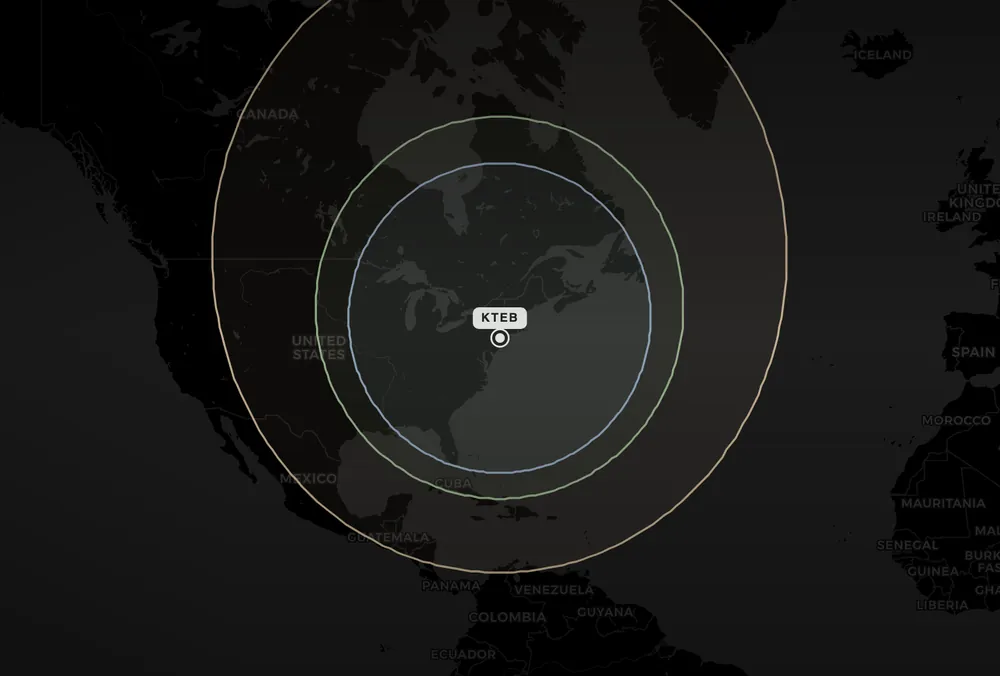
For Los Angeles travel, Van Nuys (VNY) may be part of your itinerary; for the New York area, that may be Teterboro (TEB). Include your preferred airport when requesting a comparison rather than leaving it as a detail to resolve later. Airport choice can affect the available aircraft options and the overall arrangements.
The same approach applies to Miami-Opa-locka Executive (OPF), Dallas Love Field (DAL), and Chicago Midway (MDW). None of these airports automatically makes Amalfi One or on-demand charter the better choice. Each request needs to be evaluated against its dates, aircraft requirements, and complete quote.
A recurring Los Angeles to New York itinerary provides a practical route to compare across expected travel dates. Occasional trips involving Miami, Dallas, or Chicago may call for separate assessments as plans develop. In both cases, use the airports you genuinely intend to request rather than assume one arrangement delivers the same result everywhere.
Jet Card or Charter: Look Beyond Annual Hours
Annual usage helps narrow the choice, but it does not describe everything that matters. Consider how far in advance you typically book, how often plans change, and whether your aircraft requirements remain consistent. Those factors can be as important as the number of hours you expect to fly.
Booking access also needs careful interpretation. Ask about the conditions that apply to your dates and aircraft needs rather than assuming that access means an unconditional guarantee. If particular cabin features are essential, make those requirements part of the initial discussion.
A traveler with regular, well-defined journeys may find recurring access easier to assess than someone whose calendar changes constantly. Yet an unpredictable schedule does not automatically rule out Amalfi One, just as frequent travel does not automatically rule out on-demand charter. The terms and actual itinerary comparisons should guide the choice.
Is Amalfi One Worth It for You?
Amalfi One is most compelling to evaluate when you expect to fly at least 15 hours annually and want to explore dynamic pricing without a prepaid balance. Its value should come from how the arrangement performs against your expected journeys. Neither the annual threshold nor any published averages should replace that comparison.
On-demand charter may be the stronger fit when you fly less frequently or prefer to approve travel one itinerary at a time. It also offers a practical starting point when your future usage is difficult to estimate. As your travel pattern becomes clearer, you can revisit whether a recurring access arrangement makes sense.
The most useful Amalfi One vs charter assessment starts with a short set of real travel plans. Bring your likely routes, dates, passenger counts, and cabin requirements, along with any uncertainty around them. That gives the discussion a sounder foundation than a general preference for one booking model.
Make the Decision Around Your Next Journey
Explore Amalfi One access and pricing with our team, or request a tailored charter comparison for an upcoming trip. We can help you examine the aircraft options, complete costs, and booking conditions together rather than make the decision around a single rate.
As your charter broker, Amalfi Jets keeps the focus on the travel you need to accomplish. Whether your calendar favors recurring access or individual bookings, the right arrangement should make sense for your next journey and the year ahead.