



Destination Hub
Private Jet Charter to Rome

Private arrival into Rome is simplest when the day is built around Ciampino Airport (CIA), your aircraft, and a ground plan prepared before touchdown. Instead of connections and published schedules, the itinerary moves around your calendar: arrive, clear the formalities arranged for the flight, and continue directly into the city.
Quick facts
Why charter a private jet to Rome?
Chartering privately into Rome gives travelers control over the arrival hour, the passenger list, and the pace of the ground transfer after landing.
A cleaner arrival through CIA
Ciampino Airport (CIA) is the primary airport for this destination, which keeps the planning focused on one preferred gateway rather than a patchwork of connections. For many itineraries, that means fewer moving parts: one aircraft schedule, one handling request, and one coordinated transfer into the city.
Flexibility that matches the trip
A private charter is especially useful when the itinerary is built around fixed appointments, family travel, villa check-ins, hotel timing, or a short stay where every hour matters. You choose the departure window, adjust the passenger list within the aircraft plan, and avoid the constraints of airline timetables.
- Business travelers can align arrival with meetings instead of overnighting around a commercial schedule.
- Leisure parties can keep families, luggage, and onward transfers together.
- Event travelers can plan around ceremonies, Vatican visits, private dinners, or weekend commitments with less schedule friction.
Time saved on the ground
For travelers moving between airports, hotels, residences, and historic districts, the value of charter is not only the flight itself. It is the continuity of the day: aircraft, handling, and ground transport organized as one movement rather than several separate steps.
“Our charter desk secures the preferred CIA arrival window and handling first, then matches aircraft options to firm dates. For May, June, and September travel, early confirmation helps widen choice.”

When is the best time to fly to Rome?
May, June, and September are the peak months for Rome, when mild weather, luxury leisure travel, Vatican visits, weddings, and fall events increase demand for private aircraft.
These months suit travelers who want long days, outdoor dining, and a city that feels fully awake without the deepest heat of high summer. Because preferred aircraft and arrival windows can be requested early, firm dates should be planned ahead rather than treated as last-minute placeholders.
January, February, and November are often the value-minded months for Rome travelers, with cooler days, quieter streets, fewer tourists, and better aircraft availability. Travelers who can accept softer weather may find a calmer version of the city: easier pacing, more room in museums, and less pressure around preferred departure times.
If the trip is built around a ceremony, private tour, hotel opening date, or fixed meeting schedule, secure the flight plan early. When the calendar is flexible, let the charter desk compare multiple days to find the cleanest aircraft match.
Where our clients stay and go
Rome rewards private travelers with a city that can move from ancient stone to aperitivo light in the space of a single afternoon.
Morning arrives in layers: church bells, scooter traffic, shutters opening above narrow streets, and the pale color of travertine warming in the sun. The Tiber cuts through the city with a quiet curve, while domes, umbrella pines, and ruins give the skyline its particular rhythm.
The city’s power is not confined to a single monument. On one day, a traveler might move from the Vatican Museums to a private palazzo visit, pause over lunch near a fountain, and finish with dinner in a courtyard where the evening seems to slow around the table.
Private travelers come for art, diplomacy, fashion, family milestones, and the pleasure of being in a place where history is not staged. They also come because the city works beautifully as a starting point: a few days here can lead onward to Tuscany, the Amalfi Coast, Umbria, or the lakes without losing the feeling of a considered journey.
The pleasure of Rome is that it does not need to announce itself. A bronze door, a shaft of late light, the sound of water in a piazza, and the scent of espresso from a bar can make the day feel designed, even when it is only unfolding at its own ancient pace.
What determines the cost of a flight to Rome?
The cost of chartering into Rome is determined by the aircraft selected, the routing, the trip structure, CIA operating considerations, seasonal demand, and any suitable empty-leg opportunity.
What shapes the quote
No two charter quotes are identical because the aircraft, schedule, and operational plan are built around the trip rather than a public fare.
- Aircraft class: Larger cabins, longer range, higher passenger capacity, and premium cabin configurations generally carry higher operating costs.
- Routing: A one-way charter can be priced differently from a round trip because the aircraft may need to reposition before or after the passenger flight.
- Airport positioning and fees: CIA-related handling, parking, crew logistics, and airport charges are part of the final operational picture.
- Seasonal demand: May, June, and September can tighten availability as luxury leisure trips, Vatican visits, weddings, and fall events increase charter activity.
- Empty-leg availability: An empty leg may create value when an aircraft is already scheduled to move in a compatible direction, but timing, route, and aircraft type must align.
Why early planning matters
Seasonal demand matters because the best-fit aircraft are often the first to be requested for firm dates. A flexible departure time, an alternate acceptable airport, or a willingness to consider several aircraft categories can all influence the options presented by the charter desk.
Which airports serve Rome?
Rome is served for private charter planning by CIA as the primary gateway, with LIRU, FCO, and LIRV considered when the itinerary calls for an alternate.
Ciampino Airport (CIA)
For most charter days, CIA is the cleanest starting point because it is the named primary airport for the city. The charter desk can focus the plan around a preferred arrival window, coordinated handling, and a direct onward transfer rather than beginning with a wide airport search.
The airport is typically selected when travelers want the most straightforward private-flight plan into the capital. Use it as the baseline option unless timing, permissions, congestion, or the onward destination suggests another field deserves review.
Rome Urbe Airport (LIRU)
This alternate is worth evaluating when the traveler’s ground plan points toward a more city-focused arrival concept. It may make sense for itineraries where access, local operating suitability, and the specific aircraft plan can be confirmed in advance.
It should not be treated as interchangeable with the primary gateway. The right use case depends on aircraft, permissions, handling arrangements, and how the airport fits the traveler’s final address.
Fiumicino Airport (FCO)
FCO can be useful when the broader journey touches commercial-airline infrastructure, international connections, crew logistics, or a ground route that makes the western side of the region more practical. It is a secondary option for this charter plan, not the default.
Because it also serves a large volume of scheduled airline traffic, the charter desk reviews timing and handling carefully before recommending it. The advantage is situational: it may be the smarter choice for a specific itinerary, even when CIA remains the primary private-arrival plan.
Viterbo Air Force Base (LIRV)
Viterbo Air Force Base is a more specialized alternate and should be considered only when the trip profile, permissions, and onward geography support it. For travelers continuing toward Viterbo or northern Lazio, it may be part of the conversation if access can be arranged appropriately.
This is not a casual substitute for the main airport plan. The charter desk would confirm suitability early, including operating permissions, handling feasibility, and whether the ground transfer truly benefits the passenger.
Choosing the right field
Before any alternate is proposed, the practical question is simple: which airport makes the total journey smoother from aircraft door to final address. The answer depends on schedule, permissions, aircraft plan, congestion, and the ground route after landing.
Routes to & from Rome
Common questions about Rome charter
Which airport is best for a private jet arrival in Rome?
Rome itineraries are usually planned around Ciampino Airport (CIA), the primary airport, with alternates considered when schedule, permissions, or onward plans favor another field.
Can I use FCO instead of CIA?
Travelers into Rome may use FCO when the broader itinerary, connections, or ground routing make it the better fit; the charter desk confirms handling and timing before dispatch.
What determines the cost of chartering into the city?
The cost of chartering into Rome depends on aircraft class, routing, one-way or round-trip structure, CIA positioning and airport fees, seasonal demand, and any suitable empty-leg availability.
When should I book peak-month travel?
Demand for Rome is strongest in May, June, and September, so firm dates should be secured early to widen aircraft choice and protect preferred arrival times.
Which alternate airports can be considered?
Charter plans for Rome can also review LIRU, FCO, or LIRV when access, congestion, permissions, or a shorter onward drive to part of the region makes an alternate sensible.
Does flying privately reduce schedule friction?
Arriving into Rome by private aircraft can reduce schedule friction by removing airline connections and aligning departure, arrival, and ground transfer around your party.

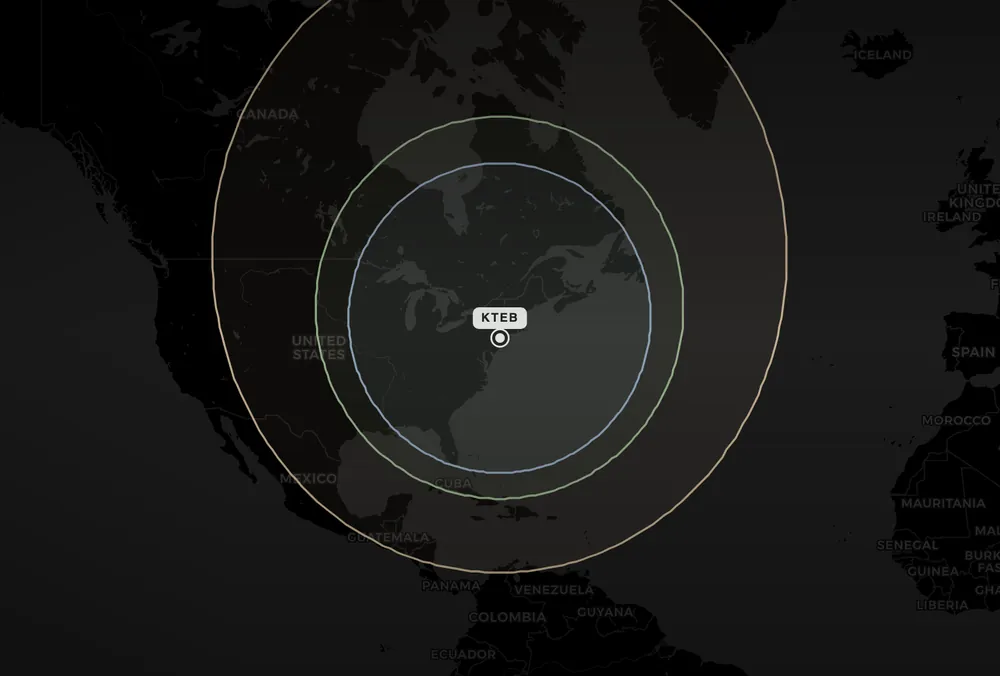
Try Range Explorer
See how far you can fly nonstop
Explore aircraft range, compare options, check flight times, and better understand which aircraft fits your trip.

Ready to fly to Rome?
Request a charter and our team will tailor an itinerary for your next journey.
*Takes only about 40 seconds to request your quote.
