



What makes jet card programs valuable?
For frequent private flyers, the real question is rarely whether to fly private. It is which access model makes the most sense. That is why jet card programs remain a major point of interest in 2026. For travelers who value efficiency, consistency, and a more refined booking experience, a structured program often feels more practical than arranging every flight from the ground up.
Not all private jet card programs are built the same way. The differences consistently appear in the details that matter most once you start flying regularly, including availability commitments, peak-day rules, surcharges, refund policies, and your true level of flexibility. This guide explains how jet card programs work, who benefits most from a private jet card program, when on-demand charter may still be the better fit, and how our Amalfi One program compares in the 2026 market.
What is a jet card program?
A private jet card program is typically a prepaid aviation solution that gives clients a structured way to access aircraft. In most cases, travelers either purchase a block of hours, often beginning around 25 hours, or place funds on deposit that are drawn down as trips are booked. In return, they receive a defined commercial framework that may include published, fixed, or capped hourly pricing, access to certain aircraft categories, and service commitments tied to specific notice periods.
The appeal of jet card programs is straightforward. They deliver predictable pricing and streamlined booking without requiring the capital commitment or operational complexity of fractional or whole aircraft ownership. For executives, families, and frequent leisure travelers, this middle ground is where the real value sits. A well-designed card structure reduces quoting friction, improves confidence around access, and creates a seamless relationship with a trusted private aviation partner.
How do jet card programs work in practice?
If you are asking how jet card programs work, the answer involves a simple booking process backed by nuanced contract terms. A client funds the program through either hours or a deposit, then submits a trip request within the required notice window. This window is inherently program-specific, often falling between 24 and 72 hours depending on the provider, route, and travel date. The provider confirms an aircraft that fits the agreement, and the account is debited according to the pricing structure in the contract.
Where many buyers go wrong is assuming the hourly rate tells the whole story. In reality, the true utility of jet card programs is entirely shaped by the provider's specific terms. Sophisticated buyers seek to understand how peak dates are handled, whether service is genuinely guaranteed or merely offered on a best-efforts basis, what charges are included in the rate, and whether unused funds remain refundable. In 2026, these operational procedures matter profoundly because they determine whether a card feels effortless or unexpectedly restrictive when market demand tightens.
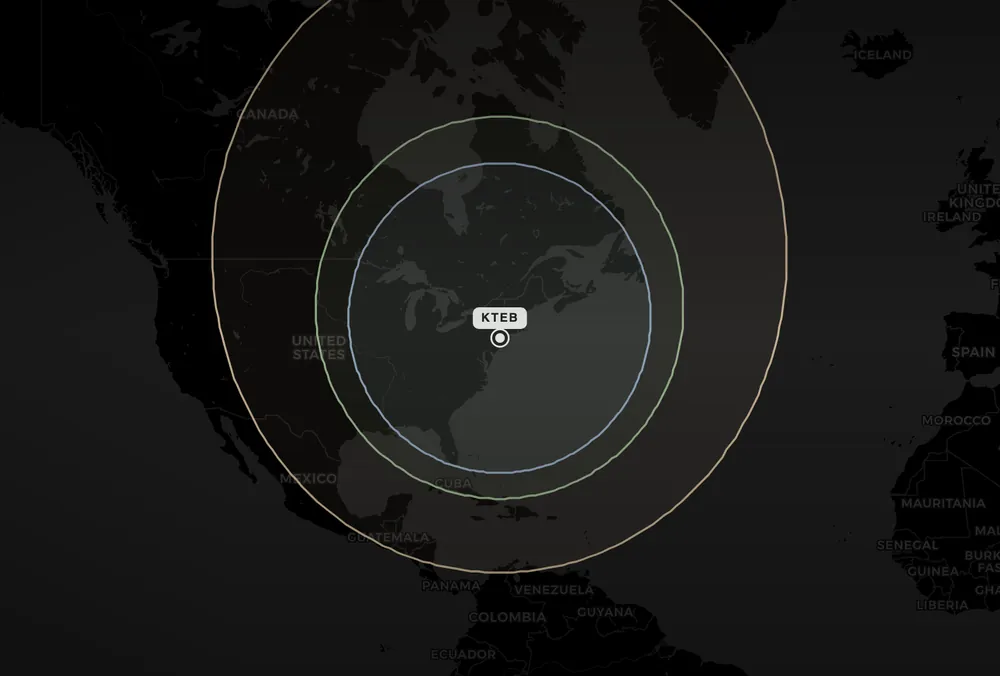
This operational reality becomes especially relevant for travelers flying through busy private aviation gateways such as Van Nuys (VNY), Teterboro (TEB), Addison (ADS), and Scottsdale (SCF). At these airports, schedule pressure intensifies quickly during major business weeks and event periods. As a result, language surrounding guaranteed availability and peak-day access transcends legal fine print. It effectively becomes part of the true ownership experience of the program.
The main types of jet card programs
Not all jet card programs follow the same pricing philosophy, as they are typically built around fixed rates, capped rates, or dynamic pricing with member benefits. A fixed-rate card offers one published hourly figure for a given aircraft class, which can impart a reassuring sense of simplicity. However, the most important question is what that fixed figure actually includes. If fuel surcharges, taxi time, de-icing, airport fees, or recovery charges sit outside the rate, the final invoice will differ significantly from the initial promise.
A capped-rate model establishes a price ceiling while still allowing flexibility beneath that cap. For many travelers, this creates a perfectly balanced structure because it protects against severe spikes while leaving room to benefit when market conditions are favorable. Dynamic pricing models, by contrast, provide broader route-by-route transparency but predictably offer less certainty around what a flight will cost on any given day. Ultimately, the most attractive model offers the clearest structure, complete transparency, and significantly fewer billing surprises over time.
Jet card vs charter: which fits your flying profile?
The jet card vs charter decision ultimately depends on your actual flying pattern rather than generic industry marketing. Jet card programs tend to suit travelers who fly frequently, typically ranging from 25 to 50 hours per year or more. These individuals value streamlined booking, distinct pricing guardrails, and total confidence around aircraft access. Programs prove particularly appealing for clients who repeat similar mission profiles, travel on shorter booking windows, or prefer to allocate funds to private aviation in advance.
On-demand charter typically makes more sense for travelers whose schedules are less predictable or whose missions vary significantly from one trip to the next. If you fly only occasionally, prefer to compare market options case-by-case, or want complete freedom without pre-funding, charter remains the more efficient choice. This is entirely why the jet card vs charter conversation should always begin with passenger behavior rather than an immediate product pitch. The defining question is which access model maps more cleanly to the way you actually travel.
For many clients, there is also a clear, practical inflection point regarding access. As flying frequency rises, the pure convenience of a structured private aviation program becomes far more compelling. Conversely, as frequency falls or trip profiles become highly irregular, the flexibility of traditional charter prevails. We believe the best long-term relationship in private aviation relies entirely on proper fit, rather than placing a traveler in a program that does not suit their needs.
Why headline hourly rates do not tell the full story
One of the most common mistakes in evaluating jet card programs is focusing solely on the posted hourly rate. A significantly more useful comparison metric is the total trip cost. Our 2026 private jet charter cost guide illustrates this clearly by detailing how aircraft category, routing, taxes, airport fees, fuel, and positioning affect the final price of every private flight.
For broad context, on-demand charter in 2026 ranges from approximately $1,500 to $3,000 per hour for turboprops and very light jets, $2,500 to $4,000 for light jets, and $4,000 to $8,000 for midsize aircraft. Super-midsize jets span from $5,000 to $10,500, while heavy and ultra-long-range aircraft command from $8,500 to well over $20,000 per hour before taxes and additional line items. These operational ranges are vital because a card may appear more expensive initially, yet compare favorably once market compression, short-notice sourcing, or peak demand affects one-off charter pricing. For occasional flyers with flexible timing, the opposite remains true, and ad hoc charter routinely produces superior value.
Sophisticated buyers inherently look beyond hourly marketing headlines to gauge true value. They seek to understand exactly what their typical route mix, cabin preferences, lead times, and annual usage will cost across an entire calendar year. The most meaningful question is never simply what a jet card charges per hour. Instead, it is what your specific flying pattern costs in the real world.
What the best jet card program 2026 gets right
If a traveler is searching for the best jet card program 2026, the evaluation should begin with strict criteria rather than brand names. The strongest programs in today's market seamlessly blend operational clarity, geographic flexibility, and financial trust. Their contracts clearly define whether access is guaranteed or best-efforts, and establish whether ancillary expenses sit inside or outside the quoted structure. Premium providers also logically detail how peak departure days function and inform clients exactly what happens if itinerary plans naturally change.
Contract clarity has become paramount as modern travelers compare aviation offers more thoroughly. In a market where availability tightens around major events, high-season leisure periods, and key corporate travel windows, rigid access language cannot be ignored. This significantly impacts routes tied to airports such as VNY, TEB, ADS, and SCF, where recurring demand directly increases the value of guaranteed, premium access. Buyers connecting through these standard gateways must rigorously review notice requirements, blackout dates, and any contractual clauses that alter service levels during peak operational periods.
Aircraft flexibility serves as another defining operational factor for private flyers. Some aviation programs are tightly bound to a narrow, limited fleet model. Others intelligently source transparently across multiple aircraft categories and vetted global operators. For travelers whose requirements comfortably shift between a short regional flight, a transcontinental mission, and an extended international itinerary, dynamic fleet flexibility is just as valuable as price predictability.
How our Amalfi One private jet card program compares
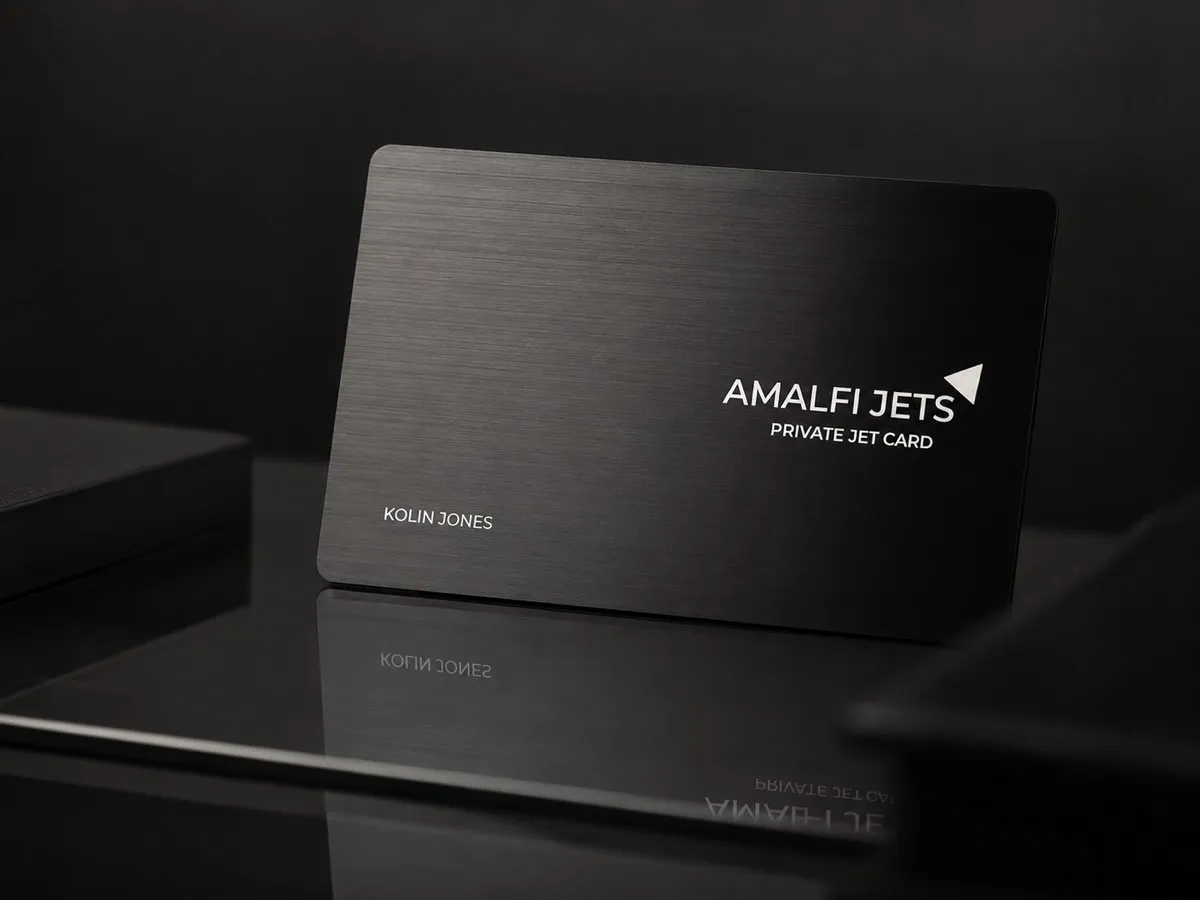
Our Amalfi One private jet card program is thoughtfully designed around a modern interpretation of what discerning clients require. Rather than forcing members into a restrictive block-hour mindset, Amalfi One operates as a capped-rate and dynamically priced structure that preserves reliability while enhancing client control. Core program features include capped hourly pricing, dynamic pricing that frequently falls below the cap, guaranteed worldwide availability within 48 hours, and a fully refundable account balance. Furthermore, our members never pay initiation fees, membership fees, repositioning fees, or worry about expiration dates on their unused deposited funds.
This unique combination cleanly addresses the primary concerns sophisticated buyers naturally harbor regarding traditional private cards. Instead of locking clients into a framework that feels overly restrictive once their travel patterns inevitably change, Amalfi One actively offers financial protection without excessive rigidity. We pair these highly favorable commercial terms with dedicated account management and elite concierge support. This human element matters immensely for clients who expect an exceptional, personalized level of service right alongside operational efficiency.
For travelers actively comparing options across the industry, our Amalfi private aviation programs overview provides vital context regarding where Amalfi One fits within our wider service platform. This comprehensive ecosystem matters greatly because a client's ideal aviation solution almost always evolves over time. A traveler might begin with on-demand charter, comfortably transition into a card structure as their total annual hours increase, and eventually blend private flying with additional upscale lifestyle benefits as their distinct needs mature.
Why our broker model matters
Our structure as a premier charter broker remains an essential element of this dynamic aviation conversation. An operator typically sells access strictly tied to its own fleet or controlled capacity. As a broker, our team sources from a global network of vetted operators to accurately match the ideal aircraft to your specific mission. For our Amalfi One card members, this agile approach creates a highly adaptable experience, particularly when cabin requirements vary from trip to trip.
Consider a frequent traveler who needs a light jet for a regional meeting one week, a super-midsize cabin for a VNY to TEB route the next, and a heavy aircraft later for an international itinerary. A broker-led model naturally supports this diverse range rather than forcing every trip into a rigid, one-fleet approach. This explicitly explains why Amalfi One strongly appeals to flyers seeking card-style predictability completely decoupled from a narrow inventory structure. Through our global network access, representing more than 3,500 aircraft, we consistently align aircraft size, range, and value directly to the journey itself.
Jet card programs at VNY, TEB, ADS, and SCF
The practical application of jet card programs becomes immediately clear when observing the primary airports frequent flyers utilize. Van Nuys frequently serves as the preferred private gateway for the Los Angeles area, offering rapid access to the San Fernando Valley and Beverly Hills. Teterboro reliably functions as the premier business aviation hub for Manhattan, where demand spikes dramatically during major corporate events. Addison gracefully accommodates the north Dallas corporate market, while Scottsdale consistently experiences maximum private traffic volume throughout the busy winter and spring seasons.
For a traveler regularly flying structured routes such as VNY to TEB, VNY to ADS, or SCF to VNY, the value proposition of a fixed program is undeniable. Repeat city pairs, short-notice requests, and compressed travel periods dramatically increase the appeal of guaranteed operational access. However, if those missions remain infrequent or highly varied, pure on-demand charter often delivers superior financial efficiency. This operational reality reinforces exactly why the jet card vs charter decision fundamentally requires a thorough evaluation of your actual travel history rather than blindly acting on broad industry assumptions.
When on-demand charter still wins
A transparent discussion regarding jet card programs must state clearly that a card is not automatically the universal answer. On-demand charter remains the optimal choice when your annual flying volume stays relatively low, or when your missions frequently alternate in required distance and passenger count. It also makes practical sense for travelers who consciously avoid pre-funding private flights, or who purposefully utilize route-specific market opportunities to capture competitive one-off pricing. For many discerning clients, that ultimate freedom of choice provides far more value than a predetermined, prepaid structure.
There is also an inherent philosophical advantage to traditional charter for certain independent buyers. Many travelers genuinely prefer evaluating every upcoming trip individually and thoughtfully selecting the exact aircraft that fits that momentary requirement. If that precise method seamlessly aligns with how you prefer to book, attempting to force a rigid card framework into your life will likely add friction rather than remove it. Ultimately, the industry's best private aviation strategy is always the one that effortlessly supports the traveler's lifestyle.
How to decide if a jet card is right for you
The most reliable method for evaluating a private jet card program requires a candid assessment of your personal airport usage. Consider exactly how many flight hours you realistically log each year and precisely how often you require an aircraft on remarkably short notice. You must also proactively determine whether you genuinely value distinct pricing guardrails over total flexibility, and if you are entirely comfortable pre-funding your private travel. The answers to these strategic questions usually point an executive quite clearly toward either a prepaid card or standard charter.
If your travel pattern consistently demonstrates recurring routes, robust annual flight hours, and a desire for predictable, effortless access, a jet card warrants serious consideration. If your personal schedule remains sporadic and your itineraries constantly fluctuate in distance, timing, and geographic scope, on-demand charter provides the cleaner solution. In either scenario, the smartest course of action invariably involves deeply analyzing real, historical missions rather than entirely hypothetical flights.
Next steps with Amalfi Jets
Jet card programs continue to hold significant value in private aviation, but modern buyers are understandably more discerning than ever. They actively look past generalized hourly marketing rates to ask critical questions regarding overall transparency, program refundability, aircraft flexibility, and genuine operating standards. That is exactly where Amalfi One prominently stands out from the crowd. Our unique framework delivers the premium benefits travelers desire from a luxury card while expertly mitigating the hidden tradeoffs that frequently undermine traditional, restrictive models.
If you are carefully weighing a dedicated card against trip-by-trip flying, the most valuable next move is an expert analysis of your personal travel profile. You can closely explore our Amalfi One private jet card program and review our complete Amalfi private aviation programs overview online. When you are ready to formally evaluate whether Amalfi One or on-demand charter is the superior fit for your lifestyle, simply request a private charter consultation with our team.