



If you are asking how much is a private plane, start with two separate questions. What will the aircraft cost to acquire, and what will it require each year? The purchase is a capital commitment, while crew, hangar space, insurance, maintenance, and management create continuing obligations. Those expenses matter even during months when the aircraft rarely flies.
The right comparison begins with your travel rather than a particular aircraft. Consistent routes and frequent use create a different ownership calculation from occasional departures or changing destinations. At Amalfi Jets, we help travelers consider charter against those requirements without assuming that buying an aircraft is the natural next step.
How Much Is a Private Plane? Separate Purchase From Ownership
There is no single purchase figure that represents the private aircraft market. Aircraft category, age, condition, equipment, and maintenance history all affect the acquisition, while your operating arrangements determine much of the ongoing commitment. Without a specific aircraft and a defined travel plan, a precise total would be misleading.
A useful comparison separates acquisition expenses, annual operating cash requirements, and the broader economic consequences of ownership. Acquisition covers the transaction and preparation for use; annual expenses support keeping the aircraft available and flying it. Financing, depreciation, and eventual resale require additional consideration rather than disappearing into a single operating estimate.
This distinction matters because a lower purchase price does not necessarily mean lower overall ownership costs. An aircraft approaching significant maintenance or needing upgrades may require substantial attention after closing. The question is whether the entire commitment fits your travel and financial priorities.
Private Jet Cost to Buy: What the Purchase Includes
The advertised asking price is a starting point, not necessarily the amount required to complete an acquisition. A proposed transaction may involve inspections, legal and advisory work, taxes, registration, delivery arrangements, and financing expenses. Which items apply depends on the aircraft, agreement, ownership structure, and relevant jurisdiction.
Preparing the aircraft for your intended use can introduce further commitments. Interior changes, equipment upgrades, or corrective maintenance should be evaluated separately from the headline purchase figure. Establishing those requirements before signing helps distinguish an appealing listing from an aircraft ready to serve your schedule.
For a new aircraft, review the equipment, options, completion terms, and delivery provisions included in the agreement. For a pre-owned aircraft, examine the condition and records of the individual aircraft rather than relying on a model's general reputation. Both paths require a detailed assessment of what is included and what remains your responsibility.
New Versus Pre-Owned: Compare Condition and Commitments
Age alone does not establish an aircraft's value or likely ownership burden. Airframe hours and cycles, engine condition, maintenance-program terms, inspection timing, avionics, damage history, and records all deserve attention. An independent pre-purchase inspection and specialist records review help clarify the aircraft's actual position.
An older aircraft may need refurbishment or equipment changes that are not apparent from photographs. A newer aircraft still requires careful review of its condition, agreements, and upcoming obligations. The meaningful comparison is between aircraft suitable for your intended use, not simply between their asking prices.
Maintenance-program enrollment also needs closer examination than a yes-or-no answer. Coverage, exclusions, transfer conditions, and any outstanding obligations depend on the particular agreement. Your acquisition team should establish what transfers with the aircraft and what additional commitments may follow.
What Is the Cheapest Private Jet to Buy?
The cheapest private jet to buy is not necessarily the least expensive aircraft to own. The lowest-priced new aircraft and the lowest-priced pre-owned aircraft also represent different comparisons, with different capabilities and ownership responsibilities. Neither search identifies the best fit without considering your routes, traveler count, and baggage needs.
A lower acquisition commitment can come with greater exposure to inspections, engine work, refurbishment, or equipment changes. It may also leave you arranging another aircraft for trips that fall outside its capabilities. Those additional requirements belong in the ownership assessment rather than being treated as exceptions.
Before you buy a private jet, define the travel it must support. Then compare suitable aircraft on condition, upcoming work, and total commitments. Starting with the lowest asking price can narrow the search before the most important questions have been answered.
Yearly Fixed Costs Continue Between Trips
Fixed expenses form the standing foundation of an annual ownership budget. Crew compensation, recurrent training, hangar arrangements, insurance, and management can create obligations that continue when the aircraft is not flying. The exact structure depends on how ownership and operations are arranged.
Crew planning involves more than assigning pilots to departures. Training, scheduling, benefits where applicable, and coverage during absences all require consideration. Hangar and insurance arrangements likewise need to reflect the aircraft, its use, and where it will be based.
A quieter travel year does not remove these commitments. That is why ownership should be evaluated against both your expected schedule and a lower-use scenario. A plan that works only when you fly at your busiest anticipated pace may be less resilient when circumstances change.
Variable Costs Follow Aircraft Use
Fuel, applicable airport and handling charges, crew travel, and usage-related maintenance increase with the flying you undertake. These costs sit alongside the standing budget rather than replacing it. A useful forecast considers the actual pattern of trips, not annual hours in isolation.
Maintenance does not fit neatly into a purely fixed or variable category. Some obligations depend on calendar intervals, some on hours or cycles, and others on aircraft condition. Upcoming inspections and engine events therefore deserve their own review before acquisition.
Maintenance reserves can support financial planning, but a reserve allowance is not the same as the timing of an actual payment. A particular year may contain work that differs materially from a smoothed annual estimate. Your budget should show both expected ongoing expenses and identifiable upcoming obligations.
Operating Expenses Are Not the Full Economic Cost
An operating budget does not capture every financial consequence of owning an aircraft. Financing costs, depreciation, refurbishment, and upgrades may sit outside the quoted operating total. Confirming what an estimate includes prevents an incomplete comparison with other travel arrangements.
Resale introduces another layer of uncertainty. Condition, records, maintenance status, and market circumstances can influence an eventual sale, so future proceeds should not be treated as guaranteed. An exit plan belongs in the acquisition discussion, even if you expect to keep the aircraft for years.
Tax treatment also depends on the ownership structure, aircraft use, jurisdiction, and your circumstances. Your legal, tax, and financial advisers should evaluate the proposed arrangement directly. Potential tax outcomes should not be presented as automatic benefits or substitutes for a sound ownership case.
What Aircraft Management Changes
An aircraft-management company may coordinate crew, training, maintenance planning, records, scheduling, insurance administration, and accounting. The scope depends on its agreement with the owner. Clear responsibilities and reporting arrangements help an owner understand both the service and the underlying expenses.
Management does not eliminate the cost of keeping an aircraft crewed, housed, insured, and maintained. It changes who coordinates those responsibilities and adds its own contractual terms and fees. Our private aircraft management guide explores the distinction between owning an aircraft and arranging professional support for it.
Amalfi Jets is an air charter broker, not an aircraft-management company. We arrange charter through aircraft operators rather than managing an aircraft you own. Keeping those roles separate makes the ownership-versus-charter comparison clearer, demonstrating why Amalfi focuses entirely on sourcing the appropriate aircraft for your specific trip.
Los Angeles, New York, Miami, and Dallas: Airport Fit
Home base affects practical ownership planning, including hangar arrangements, crew positioning, and maintenance coordination. For Los Angeles travelers considering Van Nuys Airport (VNY), those questions should be addressed alongside aircraft selection. Local arrangements need to be assessed for the proposed aircraft rather than assumed from the airport's location.
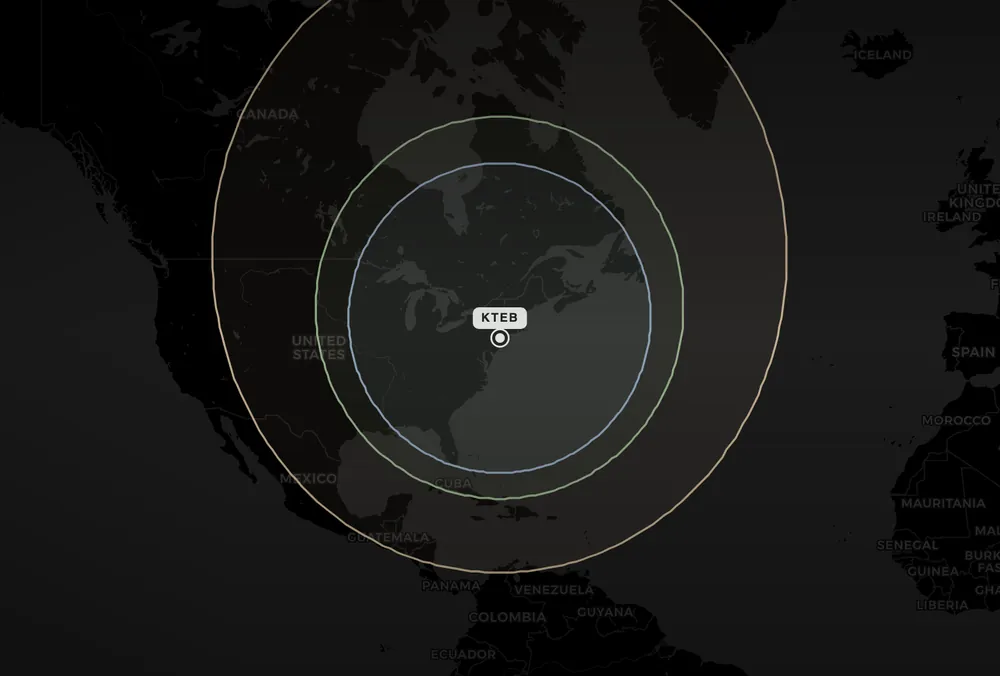
New York travelers may consider Teterboro Airport (TEB), which is in New Jersey. Miami travelers may evaluate Miami-Opa-locka Executive Airport (OPF), while Addison Airport (ADS) is a Dallas-area consideration. Airport suitability, access requirements, and available arrangements should be confirmed for the aircraft and itinerary.
The wider route pattern matters just as much as the departure airport. Regular trips with consistent requirements present a different ownership question from an itinerary that changes throughout the year. Charter allows aircraft selection to follow each trip, while ownership centers the plan on the aircraft you acquire.
Annual Flight Hours Change the Comparison
As annual flying increases, fixed expenses are spread across more hours, while usage-related expenses continue to accumulate. When flying less frequently, fewer trips carry the same standing commitments. This relationship is important, but it does not establish a universal point at which ownership becomes preferable.
Aircraft suitability, financing, maintenance exposure, availability requirements, and your route pattern all affect the result. Consider expected travel, a quieter year, and the possibility of needing alternative lift during maintenance. Our guide to buying versus chartering a private jet examines these differences between holding an aircraft as an asset and arranging access for individual trips.
A fair comparison uses equivalent travel requirements on both sides. It should also distinguish annual cash spending from broader economic costs such as depreciation. Otherwise, an ownership estimate and a charter proposal may appear comparable while measuring different things.
Leasing Is a Separate Commitment
Leasing can provide aircraft access without an outright purchase, but its obligations depend on the particular agreement. Responsibility for crew, maintenance, insurance, and other expenses must be established rather than assumed. A recurring lease payment alone does not describe the full commitment.
Our guide to leasing versus chartering a private jet explores this distinction. For your decision, the central question is whether an ongoing aircraft arrangement serves your travel better than access booked trip by trip. Compare the full contractual responsibilities, not simply a lease payment against an aircraft asking price.
How Charter Compares for Lower or Variable Use
For travelers flying fewer hours, charter can avoid the standing responsibilities of owning an aircraft. It also allows the aircraft search to reflect each itinerary's traveler count, baggage requirements, and cabin preferences. That flexibility can be valuable when no single aircraft suits every journey.
Charter still requires trip-specific planning and pricing, and suitable aircraft remain subject to availability. It is not automatically the better answer for every traveler. The comparison should reflect your schedule, expectations, and the commitments you are prepared to undertake.
Amalfi Jets sources charter options through aircraft operators and coordinates arrangements around your requirements. We are an air charter broker and do not own or operate aircraft. Our focus is finding an appropriate option for the trip rather than fitting every itinerary to one owned aircraft.
Build Your Comparison Around Your Travel
The most useful answer to how much is a private plane goes beyond the purchase agreement. Acquisition, yearly expenses, maintenance exposure, financing, and changing flight patterns all belong in the decision. For lower or variable annual use, charter deserves consideration alongside an ownership proposal.
Request a charter with Amalfi Jets and share your dates, routing, traveler count, and aircraft preferences. If you are weighing ownership, include your expected annual travel pattern so our team can prepare a tailored charter proposal. You can then consider trip-by-trip access alongside the responsibilities of owning an aircraft, with your travel at the center of the comparison.