




Why are private jets white? A white finish reflects sunlight, makes exterior maintenance clues easier to notice, and provides a neutral foundation for changing designs. Its popularity comes from these practical advantages, rather than a requirement that every aircraft look identical. The familiar white fuselage leaves room for distinctive stripes and logos, but for travelers, aircraft selection depends far more on the itinerary, cabin, and needs of the people on board.
Why are private jets white? Start with sunlight
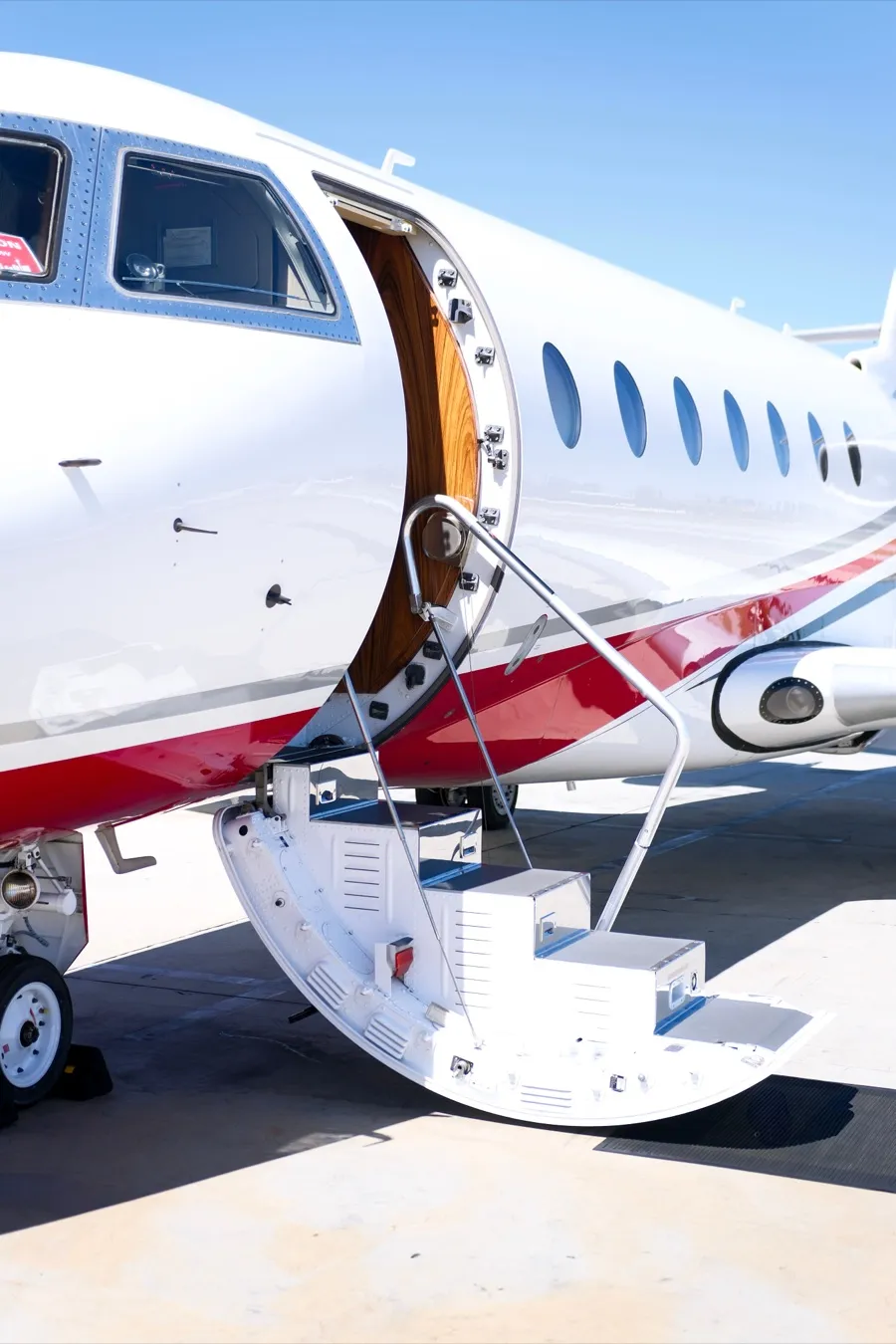
White generally reflects more sunlight than darker colors, which absorb more of that energy as heat. On an aircraft parked outdoors, a reflective finish can help limit solar heating of the exterior surfaces. The principle is familiar from everyday life, as a dark surface left in direct sunlight often becomes hotter than a comparable white surface. Aircraft coatings involve additional technical considerations, but this basic difference helps explain why white remains such a common starting point.
That does not mean a white jet guarantees a cooler cabin at departure. Cabin conditions also depend on factors such as the aircraft systems, how it has been prepared, and its exposure to the sun. Exterior color contributes to the overall picture without determining the entire passenger experience.
Why are planes white across aviation?
Private and commercial aircraft share several considerations when selecting exterior finishes. Both require coatings suited to their demanding operating environments, and both benefit from a finish that balances sunlight reflection, upkeep, and visual identity. White provides a useful background for recognizable markings without requiring the entire aircraft to carry a dominant shade. A restrained base can accommodate a distinctive design while preserving flexibility if that design changes in the future.
Still, white is not a universal requirement or the right answer for every aircraft. The approved coating system and any applicable manufacturer guidance matter far more than a general preference for one specific color. A different hue does not, by itself, indicate a problem or a compromise in aircraft quality.
A light background makes exterior clues easier to see
A white surface provides contrast for oil stains, streaks, chips, and other visible changes. Depending on the mark and the surrounding finish, these details may be easier to notice than they would be against a dark or visually complex design. The distinction is between noticing a clue and understanding exactly what it means. A stain is something for maintenance professionals to assess, rather than a diagnosis that a passenger can make from the ramp.
Similarly, a clean and glossy exterior is not proof of the mechanical condition beneath it. Paint can conceal underlying deterioration, and a light finish does not replace formal inspection methods. Changes such as blistering, flaking, or cracking may warrant attention, but their significance depends entirely on professional evaluation. White supports visual contrast without serving as a shortcut for judging safety.
Private jet paint protects more than appearances
Private jet paint functions as an essential part of a coating system, not simply a decorative layer. Depending on the aircraft and specified products, that system helps the finish adhere and protects the underlying metal or composite from environmental exposure. A primer typically supports adhesion and may include corrosion-inhibiting properties. The topcoat supplies the visible color and contributes vital resistance to weathering and other elements.
Those protective functions depend on the selected products, proper surface preparation, expert application, and the ongoing condition of the finish. White pigment does not provide all those protections on its own merit. Two aircraft with similar-looking exteriors may possess very different coating systems and maintenance histories. That is why the condition of the finish deserves careful attention beyond whether it looks polished in a photograph.
White offers flexibility for redesign and resale
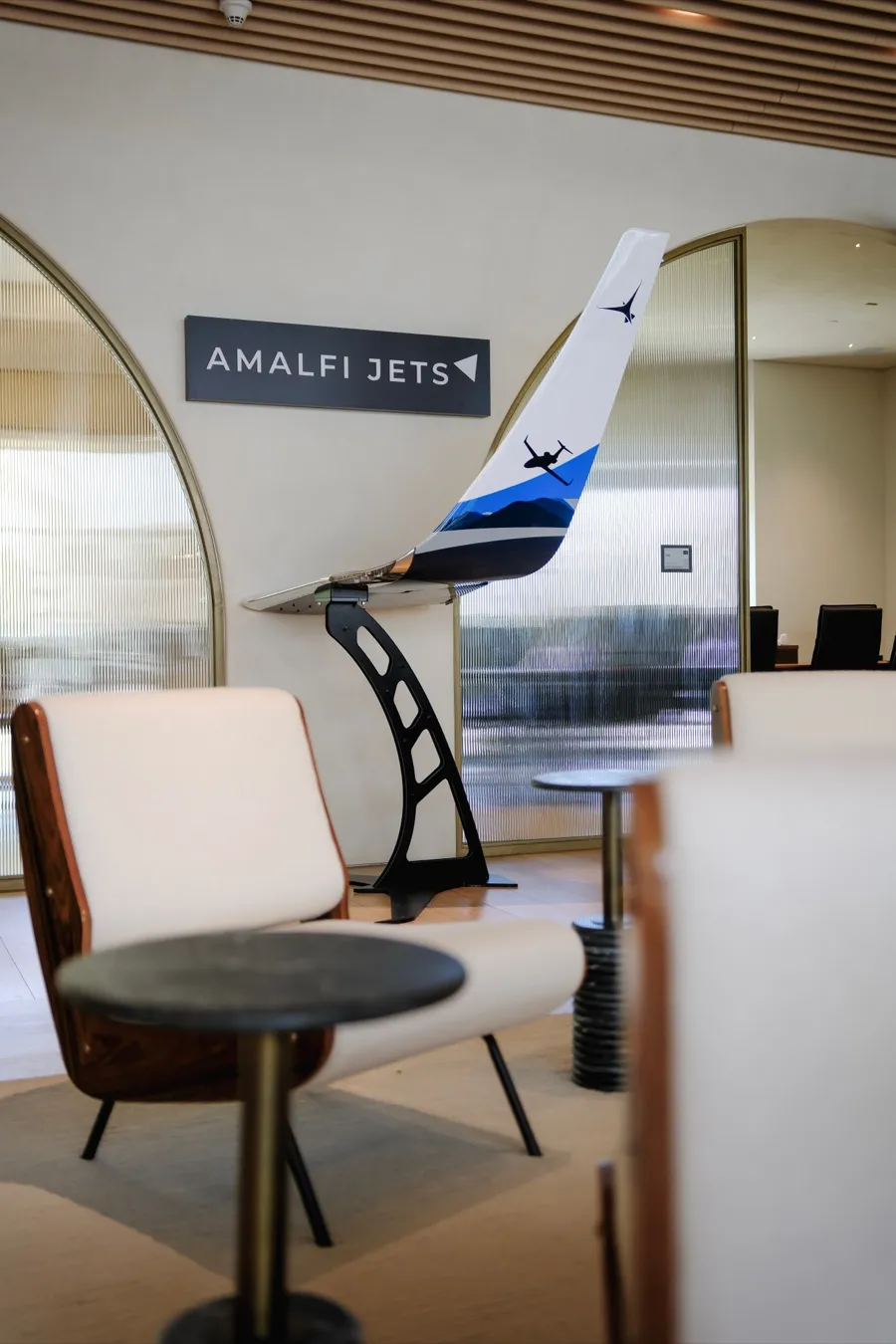
A mostly white fuselage gives an owner a neutral canvas for adding stripes, logos, and other custom accents. The aircraft can establish a recognizable identity without committing every surface to an elaborate or highly personalized design. That flexibility frequently becomes useful when an owner alters their preferences or the aircraft passes to someone else. Depending on the existing coating and the proposed design, revising selected details may be simpler than replacing a more extensive color scheme.
The scope of the work still requires an aircraft-specific assessment by a qualified maintenance facility. The resale argument is best understood in those entirely practical terms. A neutral exterior may make it easier for a prospective buyer to imagine a different identity, but it does not automatically guarantee a stronger resale value. Aircraft condition, maintenance records, installed equipment, and other operational factors remain part of a much broader purchase decision.
For charter travelers, neither a restrained exterior nor a bold design establishes flight suitability. Both styles can appear on aircraft with profoundly different cabins and operational capabilities. The paint scheme remains a visual preference, rather than a substitute for understanding the aircraft behind it.
Fading and paint weight deserve a closer look
White often shows less noticeable fading than deeper colors after prolonged exposure to sunlight. That characteristic helps a finish retain a consistent appearance, although gloss loss, discoloration, and other changes may still gradually occur. The coating system, operating environment, frequency of use, and regular care all influence how a finish ages over time. There is no single repainting interval that can be reliably inferred from color alone.
A white aircraft still needs appropriate inspection and upkeep, just as an aircraft with a darker finish does. The condition of the coating matters significantly more than a broad assumption about its shade. Another common explanation suggests that white paint is always lighter than other colors. In practice, the weight of a finished scheme depends heavily on the specific products, coverage area, number of layers, and applied thickness.
Color alone is never a reliable basis for comparing two aircraft finishes. A simpler design may require less material than a more elaborate one, depending entirely on how each is applied. That remains fundamentally different from claiming that choosing white automatically creates a substantial weight advantage. Reflectivity, visual contrast, and design flexibility offer a far more dependable explanation for its widespread appeal.
Private jet colors are not limited to white
Private jet colors range from subtle neutral schemes to darker tones and highly distinctive accents. Some designs leave most of the fuselage white, while others make the exterior a prominent expression of the owner and their personal preferences. Any proposed scheme needs to be completely appropriate for the particular aircraft and its specific coating requirements. Darker finishes and specialized effects should never be treated as interchangeable choices that suit every surface or aircraft.
The technical details belong with qualified professionals who are familiar with the specific aviation project. For passengers, the most important point is much simpler, as color does not identify cabin size, baggage space, or flight range. Two jets with nearly identical white exteriors may suit profoundly different journeys. Aircraft with contrasting designs may also offer comparable comfort and capability options for a particular trip.
Choosing an aircraft in Los Angeles, New York, or Miami
Whether your journey begins in Los Angeles, the New York area, or Miami, the right charter comparison always starts with your travel plans. Passenger count, baggage needs, cabin preferences, and airport suitability are far more useful selection criteria than the color of the fuselage. For Los Angeles travel, your itinerary may involve departures from Van Nuys Airport (VNY). For the New York area, Teterboro Airport (TEB) in New Jersey frequently serves private aviation, while Miami-area plans often involve Miami-Opa-locka Executive Airport (OPF).
The appropriate departure airport and aircraft depend on the precise details of your journey rather than a standard choice for every traveler. Our guide to the most popular private jets introduces aircraft you may encounter while comparing your charter options. A familiar exterior can appear across different aircraft categories, so recognizing a paint scheme will only take you so far. Understanding the cabin layout and the aircraft suitability makes the comparison much more meaningful.
Our guide to types of private aircraft provides another excellent starting point for that important conversation. Aircraft categories help organize the available options, but an individual trip still requires a closer look at the specific aircraft. Amalfi Jets helps you carefully evaluate those differences against your personal itinerary and preferences.
Look beyond the color with Amalfi Jets
The answer to why are private jets white comes down to a highly useful balance of practical considerations. White can limit solar heat absorption, improve contrast for some exterior clues, and offer superior flexibility when designs change. Those compelling advantages help explain its enduring popularity without making it a definitive measure of aircraft quality.
As a charter broker, Amalfi Jets helps you compare excellent aircraft options arranged through trusted aircraft operators. We do not own or operate aircraft, and exterior appearance is only one small part of the selection conversation. Our primary focus remains squarely on finding options suited perfectly to the journey you want to make.
Share your departure point, destination, passenger count, and what matters most to you on board. Request a charter with Amalfi Jets, and let our dedicated team help you look beyond the finish to secure an aircraft that fits your plans perfectly.