



When comparing private jet vs fractional options in 2026, the central question is not which access model appears more established. It is which structure fits the way you fly, the capital you are prepared to commit, and the flexibility your schedule requires.
Fractional ownership can offer defined access and a more consistent aircraft experience, but it also involves an asset purchase, recurring fees, contractual obligations, and eventual resale considerations. On-demand charter avoids the ownership commitment and allows the aircraft to be selected for each mission, although pricing and availability can vary with market demand.
The right decision becomes clearer when you examine occupied flight hours, recurring routes, passenger needs, preferred aircraft categories, and the value of maintaining flexibility. If your schedule or aircraft requirements change from year to year, brokered charter often provides the more adaptable starting point.
Private Jet vs Fractional Ownership at a Glance
Fractional ownership involves purchasing a deeded share in a business jet program in exchange for an annual allocation of occupied flight hours. The size of a private jet fractional share generally corresponds with the number of hours allocated under the agreement, although the exact structure depends on the program and contract.
A one-sixteenth share is commonly associated with approximately 50 occupied hours per year. Larger shares may provide greater annual allocations, but the purchase is only one part of the financial and contractual commitment.
Fractional agreements generally include recurring management fees and occupied hourly charges. They may also contain rules covering advance notice, peak travel periods, aircraft interchange, contract duration, and the eventual sale or return of the share.
Charter is an access model rather than an ownership structure. You reserve an aircraft for a particular itinerary without purchasing an aviation asset or committing to several years of ownership expenses.
This distinction affects more than cost. It influences how easily you can change aircraft categories, adjust annual usage, respond to an evolving schedule, and keep capital available for other priorities.
How Fractional Jet Ownership Works
Fractional ownership may appeal to you if your annual use is stable and concentrated within an aircraft category available through the chosen program. Defined access terms and a familiar cabin environment can be valuable when your routes, passenger counts, and scheduling patterns remain consistent.
Owning a share does not necessarily mean that each trip will take place on the aircraft identified in the agreement. Programs may provide another aircraft within their system, with access governed by contractual notice requirements, interchange rules, and peak-date provisions.
The agreement therefore matters as much as the share itself. As a prospective buyer, you should understand how occupied hours are calculated, how unused hours are treated, when additional charges may apply, and what rights govern aircraft substitution or program exit.
Capital exposure also deserves your careful consideration. The initial purchase places money into an aviation asset, while the eventual value received at exit may be influenced by depreciation and the terms of the agreement.
Fractional ownership can still be a compelling fit when you value program consistency and expect dependable annual use over the contract period. The benefit depends on alignment between the program structure and your actual missions, rather than an annual hour estimate alone.
How On-Demand Charter Works Through a Broker
Amalfi Jets is a charter broker, not an aircraft operator or an ownership program. Our team sources suitable aircraft from qualified operators and curates options for each trip based on passenger count, range requirements, baggage, airport considerations, cabin preferences, and your schedule.
This broker model allows your regional mission to use a different aircraft category from a transcontinental or international itinerary. You can review our private aircraft categories for charter to understand how different options serve distinct mission profiles.
Charter is priced trip by trip rather than through a share purchase and recurring ownership obligation. A complete quote may account for the aircraft category, estimated billable time, taxes, airport charges, fuel adjustments, crew logistics, and aircraft positioning.
For that reason, a headline hourly figure rarely provides a complete comparison. Our 2026 private jet charter cost guide explains why the total mission budget is more meaningful than an isolated hourly rate.
Our role as your charter broker is to translate itinerary requirements into suitable aircraft options and present the relevant mission costs clearly. The Amalfi Jets charter broker approach centers on thoughtful sourcing, responsive communication, and an aircraft selection process shaped around the individual trip.
Fractional Ownership vs Charter: The 50-Hour Question
Understanding fractional ownership vs charter economics begins with a realistic estimate of your annual occupied flight hours. A common planning guideline suggests that fractional ownership may become more relevant at approximately 50 or more occupied hours per year, while you may be better suited to on-demand charter below that level.
This threshold is not a universal break-even point. Aircraft category, route mix, contractual terms, peak travel needs, positioning, management fees, and the cost of committed capital can all affect the result.
At approximately 50 hours per year, the potential fixed-cost efficiency of fractional ownership begins to warrant closer analysis. Whether it actually becomes less expensive than charter depends on the complete ownership commitment and the cost of the missions you would otherwise book.
If you anticipate annual use above that level, you should still examine consistency. Fifty hours concentrated in recurring trips with similar passenger counts may support a different conclusion from 50 hours divided among regional journeys, transcontinental routes, and occasional international travel.
Charter may remain efficient beyond the commonly cited threshold when your mission requirements vary significantly or your annual demand is uncertain. Fractional ownership may compare more favorably when your usage is dependable, your aircraft needs are consistent, and the contract provides access terms that match your schedule.
Fractional Jet vs Charter: Comparing the Full Commitment
A fractional jet vs charter comparison should begin with total annual and contractual costs, not only the occupied hourly charge. For fractional ownership, your analysis may include the share purchase, recurring management fees, occupied hourly charges, applicable adjustments, depreciation exposure, and the terms governing the share at exit.
The opportunity cost of capital also belongs in the calculation. Money committed to a fractional share is unavailable for other purposes during the ownership period, and the amount you recover later may depend on market conditions and contractual provisions.
Charter follows a different financial structure entirely. There is no aircraft share to purchase, no recurring ownership management fee, and no aviation asset that must be sold when your travel requirements change.
Instead, we evaluate each mission according to its aircraft and operating circumstances. Pricing can rise during periods of strong demand, and suitable availability may become more limited when travel dates are inflexible, but advance planning and informed sourcing can help address those variables.
If you expect approximately 50 flight hours in a year, you should therefore compare more than 50 fractional occupied hours with 50 charter hours. The useful comparison is the complete fractional commitment over the relevant contract period against realistic charter budgets for the missions you are likely to book.
Aircraft fit can materially influence that analysis. If part of your annual schedule is suitable for a light jet while another part requires a larger cabin category, charter may avoid purchasing access around the most demanding mission and using that same category for every trip.
Capital Commitment, Contract Terms, and Exit Planning
A fractional share introduces an upfront asset commitment and an ongoing contractual relationship. Before purchasing, you should understand the length of the agreement, recurring obligations, adjustment provisions, access standards, and the process for selling or returning the interest.
Depreciation treatment deserves particular attention because the exit value may not equal your original purchase commitment. Contract language can also influence timing, fees, and the practical ability to leave the program if your annual travel changes.
Charter removes your direct exposure to aircraft depreciation and fractional share resale. You can increase or reduce activity without resizing an ownership position, subject to aircraft availability and current charter pricing at the time of each request.
That distinction can be important if your schedule responds to changing personal, strategic, or market priorities. A flexible access model allows your aviation plan to adjust alongside those priorities rather than remain tied to a predetermined annual allocation.
The decision should account for more than your projected spending. You should consider how long you are comfortable committing capital, how confidently you can forecast future hours, and whether you are willing to accept an exit process if your needs change.
Charter vs Fractional Private Aviation Flexibility
The charter vs fractional private aviation decision often turns on the balance between consistency and choice. Fractional ownership generally offers a standardized experience within a defined program, while charter allows the aircraft category to be selected around each of your itineraries.
That mission-by-mission flexibility matters when your passenger count, baggage, destination, cabin preferences, or range requirements change. You may choose one category for a short regional trip and another for a longer journey without being anchored to a fractional share category.
As a fractional owner, you operate within the terms of your program. Notice requirements, designated peak periods, aircraft interchange provisions, and other contractual rules can affect when and how access is provided.
Charter access depends on current market availability. This makes planning especially important for fixed dates and periods of stronger demand, but it also allows you to consider aircraft options from qualified operators rather than remaining within one ownership structure.
If your schedule is predictable, the defined framework of fractional ownership may carry meaningful value. If your travel changes throughout the year, charter can provide greater control over aircraft fit and annual commitment.
Los Angeles, New York, Miami, Dallas, and Chicago Travel Patterns
Annual hours provide a useful starting point, but the routes behind those hours often determine which access model fits best. If you are based in Los Angeles, New York, Miami, Dallas, or Chicago, you may combine short regional trips with longer missions requiring entirely different aircraft categories.
If you fly out of Los Angeles, you might divide annual use between journeys across California and the West, business travel to New York, and occasional longer itineraries. If one recurring mission dominates your schedule, fractional ownership may warrant closer consideration, while a varied route pattern may strengthen the case for charter.
When departing from New York, you may combine regular business journeys to Chicago, Dallas, Miami, and Los Angeles with personal or international travel. A fractional share can align with a stable domestic pattern, but charter allows your selected aircraft category to change as the route, passenger count, and cabin requirements evolve.
If you are based in Miami, you may have a mix of journeys within Florida, across the Southeast, and to destinations beyond the continental United States. Differences in group size, baggage, airport suitability, and range can make aircraft selection by mission particularly valuable.
When traveling from Dallas or Chicago, you can face a similar mix of regional and transcontinental requirements. In each market, the more varied your schedule becomes, the more important it is to compare actual missions rather than rely on annual hours in isolation.
Comparing VNY, TEB, OPF, DAL, and MDW Missions
When departing Van Nuys Airport (VNY), you may use one aircraft category for a regional itinerary and another for a journey to the New York area. Frequent travel between VNY and Teterboro Airport (TEB) may create a consistent mission profile, but additional regional or international routes can change the aircraft mix required across your year.
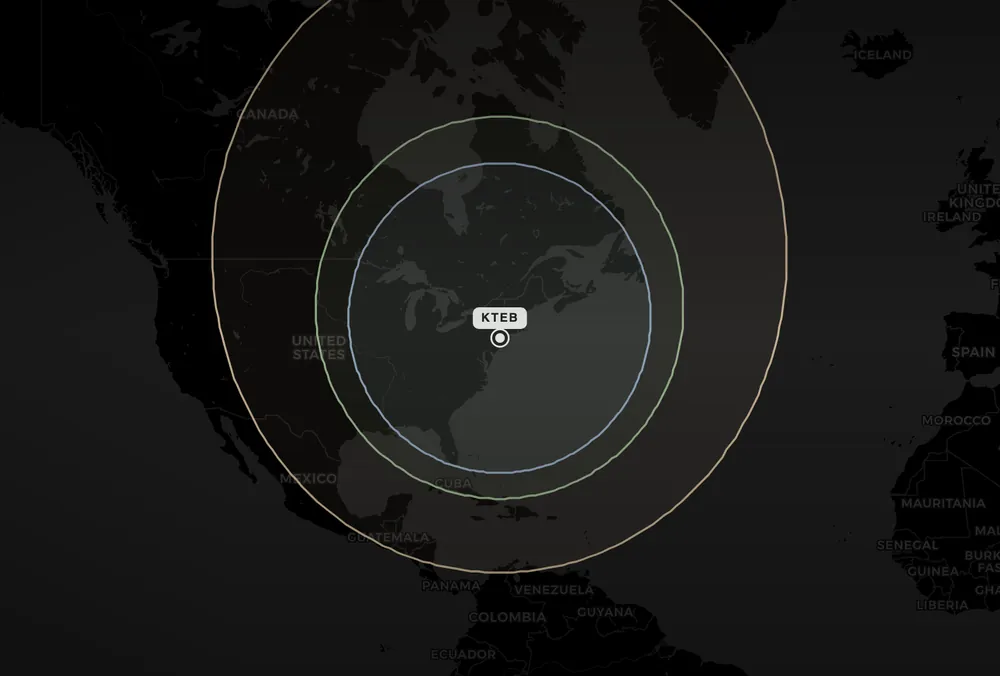
Travel from TEB may include recurring journeys to Chicago, Dallas, Miami, and Los Angeles. When those trips share similar passenger counts and cabin requirements, a fractional structure may merit consideration, while varied missions can favor the adaptability of charter.
When using Miami Opa-locka Executive Airport (OPF), you may encounter meaningful differences among domestic and international itineraries. Selecting an aircraft for each mission can help account for changing group sizes, baggage needs, and route requirements without assuming that one category suits every trip.
Dallas Love Field (DAL) and Chicago Midway International Airport (MDW) can support schedules that combine regional business travel with longer journeys. The relevant question is not simply how often you depart, but whether those departures consistently require the same aircraft category.
Airport preference is only one part of mission planning, and suitability depends on your specific itinerary and operating circumstances. Our team can review each request with qualified operators and present suitable options based on the complete trip.
Questions to Examine Before Purchasing a Fractional Share
Before entering a fractional agreement, review how many occupied hours you actually flew during the previous year and how many you can reasonably expect during the contract period. Separate your recurring travel from aspirational plans that may not become part of the schedule.
Next, determine whether those hours require one aircraft category or several. An annual total may appear suitable for fractional ownership but become less compelling when divided among short regional missions, coast-to-coast travel, larger group trips, and international itineraries.
Contract governance deserves equal attention. Examine management fees, occupied hourly charges, access rules, designated peak periods, aircraft interchange provisions, depreciation treatment, exit rights, and all other material obligations before committing capital.
Consider how much value you place on consistency compared with choice. Fractional ownership may provide a familiar program experience, while charter gives you the freedom to change aircraft categories and adjust annual usage as your schedule evolves.
Finally, compare the complete financial picture over the same period. A sound analysis places your total fractional commitment beside realistic charter mission budgets rather than comparing isolated hourly figures from fundamentally different models.
Why Brokered Charter Remains Compelling in 2026
If you fly below approximately 50 occupied hours per year, charter remains the natural financial starting point. It may also remain attractive above that level when your aircraft requirements vary, annual demand is uncertain, or preserving capital flexibility matters more than program standardization.
If you are seriously considering a private jet fractional share, you can use charter to better understand your actual behavior before entering a multiyear agreement. A period of mission-based charter may reveal your annual usage, preferred aircraft categories, recurring route patterns, and the practical importance of access during high-demand dates.
Brokered charter also allows each request to be evaluated independently. The aircraft you select for a regional business trip does not need to define the aircraft used for a longer personal journey later in the year.
Amalfi Jets works as an intermediary between you and qualified aircraft operators. Our role is to understand your itinerary, source suitable options, and communicate mission considerations clearly so you can make an informed choice.
Making the Right Private Jet vs Fractional Decision
The private jet vs fractional decision is ultimately a question of fit. Fractional ownership may suit you if you have stable annual use, recurring missions, consistent aircraft needs, and a willingness to accept capital exposure and contractual obligations in exchange for defined access.
Charter may be the stronger choice when your annual hours are lower or less predictable, aircraft requirements vary, or preserving flexibility is a priority. It allows your aviation strategy to follow personal and business needs without requiring those needs to conform to an ownership structure.
If you are assessing fractional ownership vs charter for travel from Los Angeles, New York, Miami, Dallas, Chicago, or another market, Amalfi Jets can help you compare real mission requirements before you make a long-term commitment. Request a private jet charter to begin shaping a flexible 2026 aviation plan around the way you intend to travel.