



Summer 2026 is shaping up to be one of the busiest seasons for international leisure travel in private aviation, especially for travelers departing Los Angeles, Miami, and New York for Mexico and Caribbean beach destinations. If you are flying from Los Angeles (LAX) or Van Nuys (VNY) to Cabo San Lucas (SJD), or from Miami (MIA), Teterboro (TEB), or JFK to Cancún (CUN), the experience is effortless only when the logistics are handled well in advance. The most common surprise for first-time international flyers is that private jet international customs permits are not a single form; they are a sequence of coordinated approvals, declarations, and on-the-ground services that heavily influence timing and total cost.
This guide explains the operational realities behind the scenes, what to plan for during peak season, and how fees differ from a domestic itinerary. As a sophisticated charter broker, we ensure your departure feels as seamless as your arrival by managing these complexities on your behalf.
Private Jet International Customs Permits: What Changes Abroad
Domestic private jet travel is largely focused on aircraft availability, positioning, and airport operating hours. The moment you cross a border, the trip becomes a regulated international operation requiring multiple checkpoints and specific authorizations. Private jet international customs permits typically include passenger and crew data submissions, advance notice to government agencies, and destination-specific permissions for the aircraft to overfly and land in foreign territory.
For peak summer travel, these requirements matter significantly because the same agencies and handlers are supporting a high volume of flights, often within the same narrow arrival windows. When demand surges on California-to-Mexico routes, a permit that is normally routine can become a timing risk if it is initiated late or if passenger information changes close to departure. Our goal is not simply compliance, but protecting your schedule and ensuring the arrival experience stays private and refined.
International Charter Flight Process: From Manifest to Arrival
A smooth international charter begins with details that are operationally decisive, including passenger names exactly as they appear on passports, dates of birth, and precise arrival and departure schedules. Once these elements are confirmed, the international charter flight process becomes a choreography between our team, the aircraft operator, the handling agent, and government authorities. The operator prepares the required passenger manifest submission and coordinates with ground handling at both ends of the journey.
Your handling team does far more than arrange a parking spot on the ramp. They align your arrival with customs availability, verify documentation standards for that specific airport, and confirm that your flight can legally operate under the correct authorizations. When the trip involves Mexico, this also includes coordinating overflight and landing permissions and any associated charges that must be settled through approved local channels. Because peak summer travel often includes last-minute schedule adjustments, it is wise to plan early even if your itinerary remains flexible, as a solid framework can easily absorb changes without triggering re-approvals or late fees.
Customs Private Jet Arrival Rules at LAX, VNY, TEB, JFK, and MIA
For flights arriving back into the United States, U.S. Customs and Border Protection (CBP) procedures are a defining part of the travel experience. Operators typically submit an Electronic Advance Passenger Information System (eAPIS) manifest no less than 60 minutes before departure. Furthermore, they may need to obtain official CBP permission to land from the arrival port depending on specific routing and airport-specific protocols.
Arrival protocol is intentionally strict at major ports of entry such as Teterboro (TEB), Kennedy (JFK), Miami (MIA), and Los Angeles (LAX). In many cases, passengers are required to remain on board with the aircraft door closed until CBP officers grant explicit authorization to disembark. This is a mandatory compliance requirement that protects the status of both the operator and the passengers.
For readers who wish to review the official standards, the government provides detailed information on private aircraft procedures at amalfijets.com/customs-reference. It is a useful resource for understanding why documentation accuracy is paramount. From a client experience standpoint, the advantage of flying private is that customs clearance usually happens at the Fixed Base Operator (FBO) rather than inside a crowded commercial terminal, allowing for a discreet and efficient transition.
Private Jet Overflight Permits for Mexico: AFAC, SENEAM, and IBP
Mexico remains one of the most popular international markets for our clients, yet it is also one of the most misunderstood from a permitting standpoint. For flights into Los Cabos (SJD) and Cancún (CUN), operators must arrange permissions that cover both overflight and landing. In this context, private jet overflight permits are a core part of legal operation rather than an optional administrative step.
Mexico permitting is typically coordinated through the Agencia Federal de Aviación Civil (AFAC), with permits initiated at least 48 hours in advance for routine operations. However, lead times can expand during peak summer periods and around holiday weekends. For commercial Part 135 charter operations, another layer is the Indefinite Blanket Permit (IBP), which is tied to operator documentation and can take many weeks to secure. This is why working with an experienced broker like Amalfi Jets is essential, as we match you with an operator that already holds the necessary authorizations for your exact dates.
International Private Aviation Fees: What Adds 10 to 20 Percent
Clients often compare international quotes to domestic quotes and assume the difference is simply flight time. In reality, international private aviation fees introduce additional line items that can add approximately 10 to 20 percent to the base charter cost. These additions include permitting charges, foreign air traffic and navigation charges, and international handling or supervision fees at the destination.
Mexico flights also include SENEAM charges, which cover air navigation services and must be coordinated by handlers and operators. Depending on the airport and schedule, you may also see charges associated with customs coordination, overtime staffing, and specific departure or arrival taxes. For a deeper understanding of how these variables impact your travel budget, our team has prepared an extensive guide available at amalfijets.com/news/private-jet-charter-cost-2026. This resource provides detailed budgeting guidance across various aircraft categories.
Summer 2026 Route Planning: LAX to SJD, MIA to CUN, TEB to CUN
Summer travel patterns are highly predictable, with demand concentrating on high-desirability arrival windows, often Thursday through Sunday. For Summer 2026, routes between California and Mexico are expected to remain particularly competitive, which can impact both permit processing timelines and FBO slot availability at popular facilities.
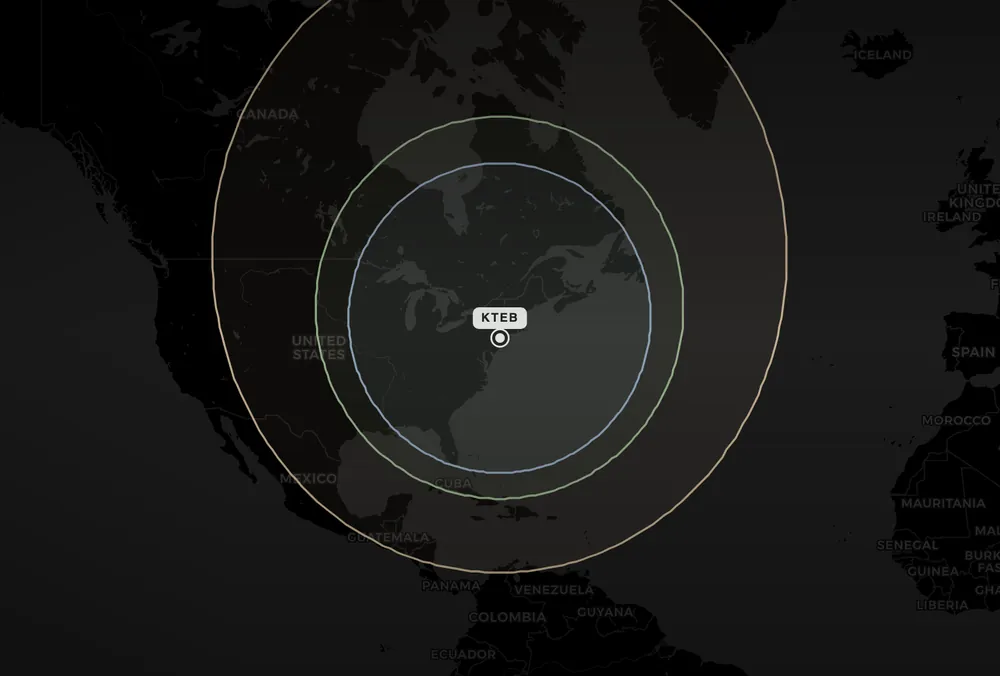
From Los Angeles to Cabo San Lucas, flights from LAX or VNY to SJD commonly average around 2.5 hours, making the trip ideal for a long weekend escape. The operational reality is that SJD can become congested during peak periods, so aligning permit readiness and ground transport is vital for a smooth transition. Similarly, a Miami to Cancún flight is often around 1.5 hours, remaining one of the most frequent international leisure routes. In the Northeast, travelers departing Teterboro (TEB) for Cancún face flight times of approximately four hours, where paperwork discipline is necessary to ensure the departure remains refined and the arrival is unencumbered by administrative delays.
The Amalfi Jets Advantage: White Glove Coordination
Booking the aircraft is only one part of an international mission. Amalfi Jets serves as your broker and project manager, overseeing the permits, documentation flow, and handling coordination so you do not have to manage operational details. Our clients rely on us for summer travel precisely because peak season is when the system is least tolerant of late planning or documentation errors.
We provide access to a global network of over 15,000 private aircraft, allowing us to source options that fit your cabin expectations while strictly meeting the regulatory requirements of your route. We evaluate every quote in terms of total trip cost, ensuring you understand where international fees appear and how to plan for them with absolute confidence. Our commitment to excellence ensures that every detail of your journey is managed with the highest level of professional care.
To learn more about how we approach safety, operator standards, and client service, please visit amalfijets.com/why-amalfi. For those ready to secure their Summer 2026 itinerary and receive a tailored pricing proposal, please contact our experts at amalfijets.com/request-a-charter. Early coordination protects your preferred departure window and ensures your travel day remains focused entirely on your destination.