




A private jet fuel surcharge can make an otherwise straightforward charter proposal feel less predictable. For travelers arranging fall 2026 departures, understanding the adjustment is especially useful because Jet A pricing may change between the day an itinerary is quoted and the day the trip begins.
Fuel is only one part of the complete trip budget. Aircraft time, applicable taxes, airport charges, crew logistics, and positioning can also shape the final amount, as explained in our private jet charter cost guide for 2026. This guide focuses specifically on fuel adjustments, including why they appear, how operators approach them, and what to clarify before confirming a trip.
What a Private Jet Fuel Surcharge Means
A private jet fuel surcharge is a variable adjustment connected to the cost of Jet A. It may appear when expected fuel expenses exceed the pricing baseline an operator used to calculate a charter proposal.
The adjustment is not a universal flat fee, nor is it another name for a tax. Its treatment may depend on current fuel conditions, the departure airport, the operator’s purchasing arrangements, the selected aircraft, and the assumptions behind the itinerary.
That distinction matters because the phrase can sound more standardized than it is. No single surcharge rate applies to every operator, aircraft, airport, or route, so two proposals for a comparable trip may account for fuel differently without either structure necessarily being inaccurate.
Presentation can vary as well. One operator may display fuel as a separate line item, while another may incorporate the same cost consideration into the aircraft rate or complete charter total. The more useful question is whether the proposal explains what is included, what remains variable, and which events could change the amount.
Why Fuel Adjustments Appear on Some Charter Quotes
Each operator begins with its own pricing assumptions. When expected Jet A expenses are already incorporated into the aircraft rate, a separate fuel line may not appear. When the operator’s baseline differs from expected market conditions, the proposal may include an adjustment or allow fuel to be recalculated before departure.
Timing can influence that structure. A trip reserved well before departure gives fuel conditions more time to change, while an itinerary arranged closer to departure may reflect more current information. Neither approach should be judged by the label alone because the complete trip total and its accompanying terms provide the more meaningful comparison.
A fuel surcharge charter flight proposal may therefore look different from a proposal with fuel embedded in the base amount. Comparing only the aircraft rate can make one option appear more favorable even when its complete cost is similar or could become higher after additional charges are applied.
Aircraft positioning adds another consideration. If an aircraft must travel to collect passengers or reposition after the requested itinerary, the operator may account for fuel associated with those movements in its broader pricing. Amalfi Jets evaluates the complete trip rather than treating the passenger itinerary as an isolated segment.
How a Private Jet Fuel Surcharge Is Calculated
The underlying calculation generally begins with the operator’s assumed Jet A baseline and the fuel conditions relevant to the proposed trip. When actual or expected expenses exceed that baseline, the difference may contribute to a fuel adjustment.
There is no single industry formula that can be applied reliably to every charter proposal. Operators may have different purchasing arrangements, pricing methods, aircraft considerations, and procedures for responding to market changes. A separate surcharge on one proposal may therefore have no direct equivalent on another.
A clear proposal should state whether fuel is fixed at confirmation, subject to later adjustment, or incorporated into the quoted total. It should also explain when a recalculation could occur and whether the traveler will approve a revision before the trip proceeds.
Requested itinerary changes can affect the calculation as well. A different departure airport, an added stop, a revised schedule, or a change of aircraft may alter the assumptions used for the original proposal. The important point is whether the resulting cost is explained before the revised itinerary is approved.
What Affects Private Jet Fuel Cost in Fall 2026
Jet A prices may vary over time and by location, which means a broad market trend does not establish the exact private jet fuel cost for a particular airport or itinerary. Fall 2026 travelers should assess the operator’s current proposal rather than relying on an earlier trip or a general national estimate.
Local airport conditions can differ from broader averages, and posted fuel information may change frequently. Any visible airport rate should be treated as current context rather than a guaranteed input for future charter pricing.
The price displayed at an airport also does not automatically translate into the amount shown on a charter proposal. Operators may obtain fuel through specific purchasing arrangements or account for it within a broader pricing model. A local figure may offer context, but it does not reveal every assumption behind the proposed trip total.
Airport selection can still influence the economics of an itinerary. Two airports in the same metropolitan area may involve different fuel considerations, airport charges, aircraft availability, or positioning requirements. A charter broker can compare those variables without assuming that the lowest visible fuel figure will create the best complete itinerary.
Fuel Adjustments, Taxes, and Airport Charges
Fuel adjustments, taxes, and airport charges should not be treated as interchangeable. Taxes arise under applicable governmental rules, while airport charges and trip expenses reflect separate operational considerations.
A fuel adjustment is instead connected to the operator’s fuel pricing assumptions. The appearance of taxes and fuel on neighboring lines does not mean they were calculated for the same reason or under the same framework.
Understanding this distinction helps travelers ask more precise questions. A proposal should identify which amounts are governmental, which relate to airports or trip operations, and which respond to changing fuel conditions.
Transparent presentation becomes especially important when comparing proposals from different operators. The jet fuel private charter cost may be embedded in one total and separated in another, while taxes, positioning, and crew logistics may also be displayed differently. A lower headline figure is not necessarily the lower final commitment.
How to Review a Charter Quote Before Approval
Begin with the complete trip total rather than the aircraft rate alone. Confirm whether fuel is included, listed separately, or subject to adjustment, then review how the proposal treats taxes, airport charges, positioning, and crew logistics.
The proposal should also explain how long its pricing remains valid. If an operator allows a later fuel adjustment, ask what event triggers the change, when the revised amount will be communicated, and whether approval is required.
Next, consider how itinerary revisions will be handled. Moving the departure time or airport may affect aircraft availability and positioning, while an additional stop could change fuel and operating assumptions. A clear revision should show the effect on the complete total rather than presenting an unexplained increase.
Finally, compare proposals on a consistent basis. Amalfi Jets reviews what each total includes, the conditions that could change it, and whether the aircraft and itinerary align with the traveler’s priorities. That analysis is more useful than comparing one prominent number while overlooking the assumptions beneath it.
Can a Charter Fuel Surcharge Be Negotiated?
The market price of fuel is not something a traveler or broker can negotiate away. The structure of a charter proposal can still be examined, clarified, and compared before a commitment is made.
If a surcharge appears unusually prominent, ask how it was determined and whether it will be fixed at confirmation. A traveler can also ask whether another suitable aircraft, schedule, or departure option would improve the complete trip economics while continuing to meet the itinerary’s essential requirements.
Negotiation should not be confused with asking an operator to disregard a genuine operating expense. A more productive approach is to seek transparency, compare appropriate options, and determine whether the quoted structure creates exposure to a later adjustment.
Amalfi Jets is a charter broker and does not operate aircraft. Our team sources appropriate options from qualified operators and helps travelers interpret how each proposal treats fuel and the other components of the trip.
Fall 2026 Fuel Planning for VNY, TEB, OPF, and DAL
Fall travel is often arranged well before the intended departure date. That interval can make fuel adjustment terms more relevant because market conditions may change between confirmation and departure.
For Los Angeles plans involving Van Nuys (VNY), specific airport context matters. A proposal should reflect the current operator, selected aircraft, schedule, positioning needs, and applicable airport considerations rather than a generalized estimate for Southern California.
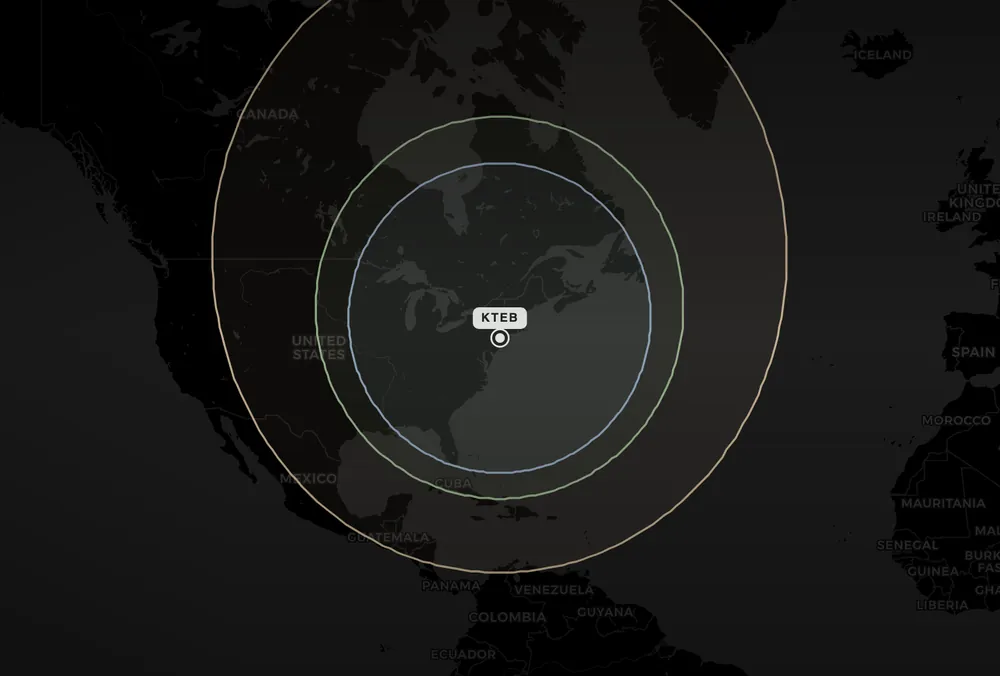
For New York travel involving Teterboro (TEB), the same principle applies. Fuel treatment, airport charges, aircraft positioning, and timing can all influence a proposal even when the requested route initially appears simple.
Miami itineraries involving Miami Opa Locka Executive (OPF) should be reviewed according to their own current assumptions. Local fuel or trip costs should not be inferred from another airport, another operator, or an earlier journey.
For Dallas plans involving Dallas Love Field (DAL), the applicable operator proposal should guide the discussion. Current pricing assumptions are more useful than generalized fuel estimates, particularly when positioning or an itinerary revision changes the original plan.
Across Los Angeles, New York, Miami, and Dallas, airport comparisons should support the itinerary rather than dominate it. Schedule, aircraft suitability, positioning, airport convenience, and the complete trip total belong in the same conversation as fuel.
Questions to Resolve Before Confirming a Charter
Ask whether the private aviation fuel fee is fixed, variable, or embedded in the aircraft rate. If it can change, confirm when the operator may recalculate it, what conditions trigger a revision, and how the new amount will be communicated.
It is also important to confirm whether the proposal includes expected taxes, airport charges, crew logistics, and aircraft positioning. If another proposal appears materially different, request a comparison of the included components rather than assuming fuel accounts for the entire difference.
Travelers should also understand what happens after a schedule, routing, departure airport, or aircraft change. Even a reasonable revision may alter the operator’s pricing assumptions, and clarity in advance can reduce the possibility of an unexpected line item.
Amalfi Jets brings those details into focus while curating an aircraft and itinerary suited to each trip. For fall 2026 travel, our role includes assessing current operator proposals, explaining how fuel is treated, and helping each traveler approve an option with a clear understanding of the complete cost.
Plan Fall 2026 Private Travel With Clarity
A private jet fuel surcharge should never be evaluated in isolation. Its significance depends on the operator’s baseline, the structure of the proposal, the airport context, and whether the amount remains subject to change.
Amalfi Jets brings these considerations together as a charter broker, providing a clearer basis for comparing suitable aircraft and itinerary options. To begin planning travel from Los Angeles, New York, Miami, Dallas, or another destination, request a private charter proposal from our team.