




Private jet availability during peak travel weeks: what changes
For travelers who plan their year around Aspen ski weekends, South Florida holiday escapes, and high-profile event weeks, private jet availability is the detail that determines whether your preferred itinerary feels effortless or becomes a series of compromises. Peak travel weeks compress supply quickly, especially on the most popular routes and departure windows. The aircraft you prefer can be committed long before the calendar looks busy to the casual observer.
The reason for this compression is straightforward. During private jet holiday travel and winter surges, the exact same aircraft are requested at the same time, often from the same regional hubs. These aircraft must still satisfy strict crew duty limits, mandatory maintenance schedules, and logical positioning routes. When demand stacks up, availability tightens first for the most desirable cabin categories, the best-maintained late-model aircraft, and the cleanest departure times.
Planning early is less about being overly cautious and more about actively protecting your choices. Data-driven reporting on seasonal business aviation activity supports what frequent fliers already feel in real time. If you track broader demand patterns, you can see how quickly traffic rises around clustered weeks and how that ripple affects charter pricing across the board. For context on these specific demand dynamics, you can review the reporting on seasonal private aviation demand at WingX.
Private jet high demand dates and private jet peak days to plan around
Private jet high demand dates tend to repeat every year, but the stress they place on supply changes based on weather, major events, and how early travelers commit to their trips. The most reliable pressure points include Thanksgiving week, Christmas through New Year’s, and long winter weekends that combine school schedules with the heights of ski season. Presidents’ Day weekend is a standout period, and certain event weeks can create a similar draining effect in destination markets like Las Vegas.
In practice, peak day private jet travel revolves around the behavioral trends surrounding a specific holiday. Thursday departures and Sunday returns typically carry the most strain because they seamlessly align with both leisure schedules and executive business obligations. When those travel patterns overlap with destination airport constraints, the broader market reacts fast with notably fewer choices and consistently higher operational rates.
Many rigid membership programs formalize these high-stress periods into their operational calendars. It is incredibly common to see designated private jet peak days each year where additional notice is required and significant premiums may apply. For a clear overview of how these program rules work across the industry, reference the peak day private jet travel policy analysis at Private Jet Card Comparisons. Even if you charter on demand, these program rules matter because they directly influence how much fleet capacity is effectively removed from the open market.
Private jet booking lead time: realistic timelines for peak day travel
A realistic private jet booking lead time depends heavily on three variables: route popularity, destination airport restrictions, and your personal flexibility regarding schedule and cabin category. In quieter weeks, select missions can be executed with very short notice. During peak periods, the overarching goal is not simply to secure an aircraft, but to confirm the right aircraft, the precise departure time, and the optimal operating profile for your trip.
For standard weeks, booking one to two weeks out often delivers strong choices and excellent value. During private jet holiday travel, that operational window shifts meaningfully. If you want a preferred tail, a specific cabin class, or a high-demand departure day, planning three to six weeks ahead is the most reliable way to preserve your options. For the absolute most competitive weekends, it is profoundly wise to consider even earlier outreach, especially when travel involves Aspen or a major post-holiday return.
Holiday trends in charter booking and availability are frequently covered by industry publications that watch global fleet utilization closely. For additional context on holiday booking behavior and its market impact, review the charter availability reporting at AIN Online. Earlier planning buys you more than a confirmed aircraft; it secures better departure times, a newer aircraft age, and superior positioning efficiency. It also vastly reduces the chance that you are forced into an inconvenient repositioning pattern that adds unnecessary cost without adding any comfort.
Airport pressure points: TEB, OPF, ASE, PBI, LAS, and DAL
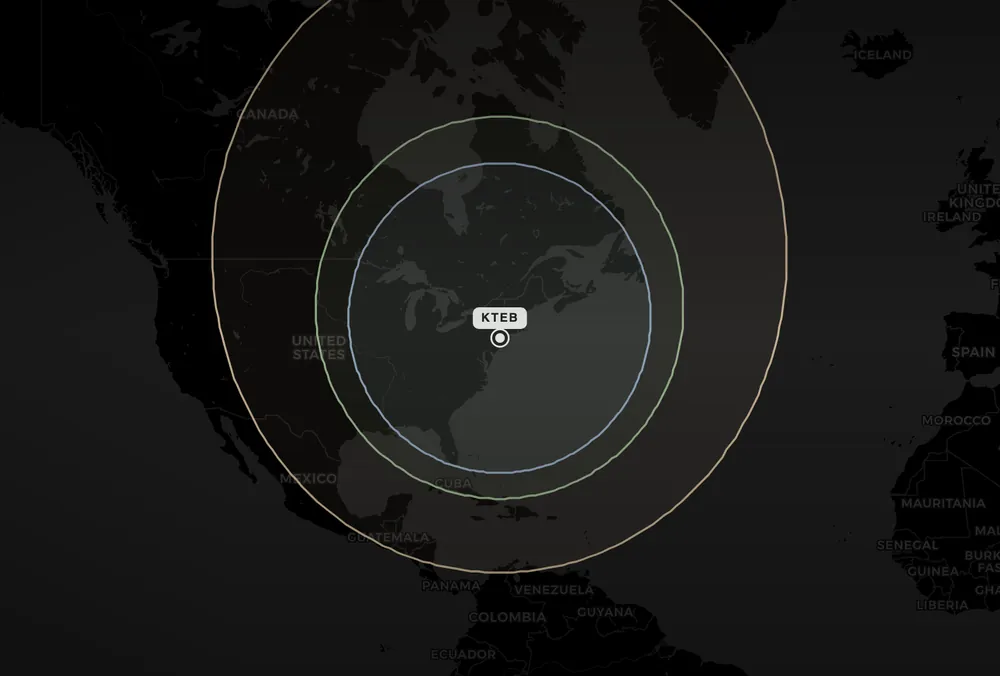
Peak travel stress is not evenly distributed across the aviation network. It overwhelmingly concentrates around airports that serve the highest density of private flyers, locations with strictly constrained ramps, and hubs that sit precisely at the center of popular seasonal flows. In New York, Teterboro (TEB) is a highly reliable bellwether. Around major holidays, TEB sees heavy outbound demand to warm weather markets and ski gateways, and the return flows intensely compress into narrow time bands.
When numerous travelers request a similar Sunday afternoon return, the market feels incredibly tight because positioning aircraft into TEB at the right time becomes the limiting operational factor. In South Florida, both Miami Opa-Locka (OPF) and Palm Beach International (PBI) experience historic holiday surges. These dynamic markets are absolute magnets for both leisure and business travel, and the outbound spike often begins well before the holiday itself. OPF provides exceptionally fast access to Miami destinations, while PBI serves as the preferred gateway for Palm Beach, offering swift ground transfers directly to Worth Avenue.
Aspen (ASE) requires incredibly unique consideration during the winter months. Private jet ski season travel concentrates into a notably narrow window, and the physical operational constraints are very real. Weather, altitude, and tight parking limitations can make timing far more delicate than travelers might expect. Even when a suitable aircraft is technically available, securing practical logistics such as arrival timing, necessary ground handling, and return planning demands sophisticated early coordination.
Las Vegas (LAS) can quickly shift from standard volume to saturated capacity when major entertainment and sporting weekends hit the calendar. Dallas Love Field (DAL) functions as both a remarkably strong origin market and a strategic connector for business travel patterns. When DAL demand overlaps with event-driven peaks in LAS, charter schedules tighten swiftly, and preferred heavy or super-midsize cabins disappear first. Across all of these distinct airports, high-volume periods place an absolute premium on operational discipline. For general operational context and precise safety culture guidance that becomes especially relevant during busy periods, consult the resources provided by the National Business Aviation Association. While you certainly do not need to manage those intricate operational details personally, you significantly benefit from working with a team that treats peak periods as a complex operating environment. The end result is a luxurious travel experience that feels truly effortless, regardless of the heavy traffic occurring outside your window.
What it costs on peak days and how to protect value
Peak demand directly changes pricing because it fundamentally alters the holistic cost of access. When the exact same aircraft can be naturally sold multiple times over a short period, operators prioritize the most efficient flight schedules and the strongest financial economics. That underlying reality can create a dual effect for travelers, resulting in noticeably higher hourly rates and increased trip totals due to unavoidable positioning inefficiencies. Protecting your travel value requires understanding these baseline operational factors before committing to a booking.
As a sensible planning baseline, Aspen winter flying is often cited from approximately $5,000 per hour and up, depending heavily on the aircraft category, routing, and timing. Peak holiday windows seamlessly command even higher baseline premiums. In the broader market, light jets commonly fall into a mid-four to low-five-figure hourly range for many regional missions. Midsize and super-midsize aircraft step up meaningfully in cost, and heavy jets understandably increase further depending on cabin configuration, range capabilities, and regional availability.
Final trip pricing also includes specific operational items such as mandatory landing and handling fees, crew overnight expenses when required, necessary winter deicing considerations, and required repositioning legs. Protecting your value during peak periods is rarely about rigidly chasing the lowest numerical number. It is intensely about proactively reducing avoidable costs and intelligently securing the exact right aircraft for your specific mission. Flexibility of even one or two hours on your departure time can substantially improve overall positioning efficiency. Choosing the right cabin size for your specific itinerary prevents you from needlessly paying for unused capability. Booking highly preferred routes earlier also keeps you firmly in the top tier of available aircraft rather than relying on strictly remaining inventory. These precise strategic choices ensure your investment inherently goes directly toward luxury comfort, absolute safety, and profound time savings. A highly capable charter broker will transparently guide you directly through these variables to maximize the brilliant value of your flight.
Charter availability private jet: how Amalfi Jets sources options when others cannot
When global supply tightens, travelers quickly discover that the private aviation market absolutely does not operate like a simple digital calendar. Securing charter availability private jet sourcing vastly depends on privileged relationships, remarkable speed, and a remarkably clear understanding of what matters most to the passenger. As a charter broker, Amalfi Jets intentionally provides access to a comprehensive global network of over 15,000 vetted aircraft. This broad reach perfectly allows our team to search comprehensively beyond a single fleet and successfully curate options that perfectly align with your schedule, cabin expectations, and routing realities.
This exclusive access is particularly valuable during private jet peak days, when some fractured models rely on rigid rules, extended mandatory notice periods, or heavily limited guarantee frameworks. Instead of clumsily forcing your elegant trip into a predetermined corporate structure, our dedicated team focuses entirely on magnificent outcomes. We strategically locate the absolute finest available aircraft in the market and meticulously build an efficient schedule that minimizes unnecessary repositioning. Our highly comprehensive approach includes flawlessly coordinating ground transportation and successfully helping you make genuinely smart scheduling adjustments when the market is notably tight. If you are currently planning peak day private jet travel between New York and South Florida, or smartly positioning for private jet ski season travel into Aspen, the distinct advantage extends profoundly beyond simply finding an aircraft. It is entirely about securing the perfect combination of aircraft quality, precise timing, and invisible operational feasibility. We ensure the entire experience predictably remains completely seamless from the exact moment you request your itinerary. To actively understand our premium service standards and exactly what differentiates our specific approach, visit Why Amalfi.
How to book with confidence when the calendar is crowded
Peak travel weeks consistently reward a notably strategic and proactively engaged approach. Start by clearly identifying the absolute one element you thoroughly will not compromise on, whether that is a highly specific departure time, a strictly required cabin size, or a remarkably precise arrival window. Once that key priority is brilliantly clear, cleanly decide exactly where you can afford to be uniquely flexible. Flexibility immediately creates profound operational advantages, and these advantages naturally translate directly into vastly better aircraft options when market supply actively tightens.
It significantly helps to successfully finalize your complete round-trip strategy beautifully early in the planning process. In heavy peak periods, the required return leg predictably is often the absolute biggest constraint, especially on Sundays following major crowded holiday weekends. Securing perfectly both legs well in advance is distinctly one of the most brilliantly simple ways to completely protect your highly preferred schedule. If your complex plans might inevitably change, casually discuss that deeply upfront so our spectacular team can efficiently build the luxurious trip with remarkably realistic contingencies rather than deeply stressful last-minute adjustments.
Most importantly, intentionally treat peak week planning elegantly as a comprehensive concierge service rather than a profoundly simple technical transaction. The absolute best outcomes remarkably happen when your charter broker perfectly aligns seamless aircraft availability, superb airport conditions, and remarkably optimal timing. When you are genuinely ready to perfectly secure private jet availability for highly anticipated upcoming holidays, lovely ski season weekends, or remarkably high-demand event weeks, proactively submit your exact trip details beautifully early so we can exclusively curate the absolute strongest glorious options. You can easily request a charter quote directly with our team, and wonderfully explore significantly more private aviation planning resources intuitively at our news hub.