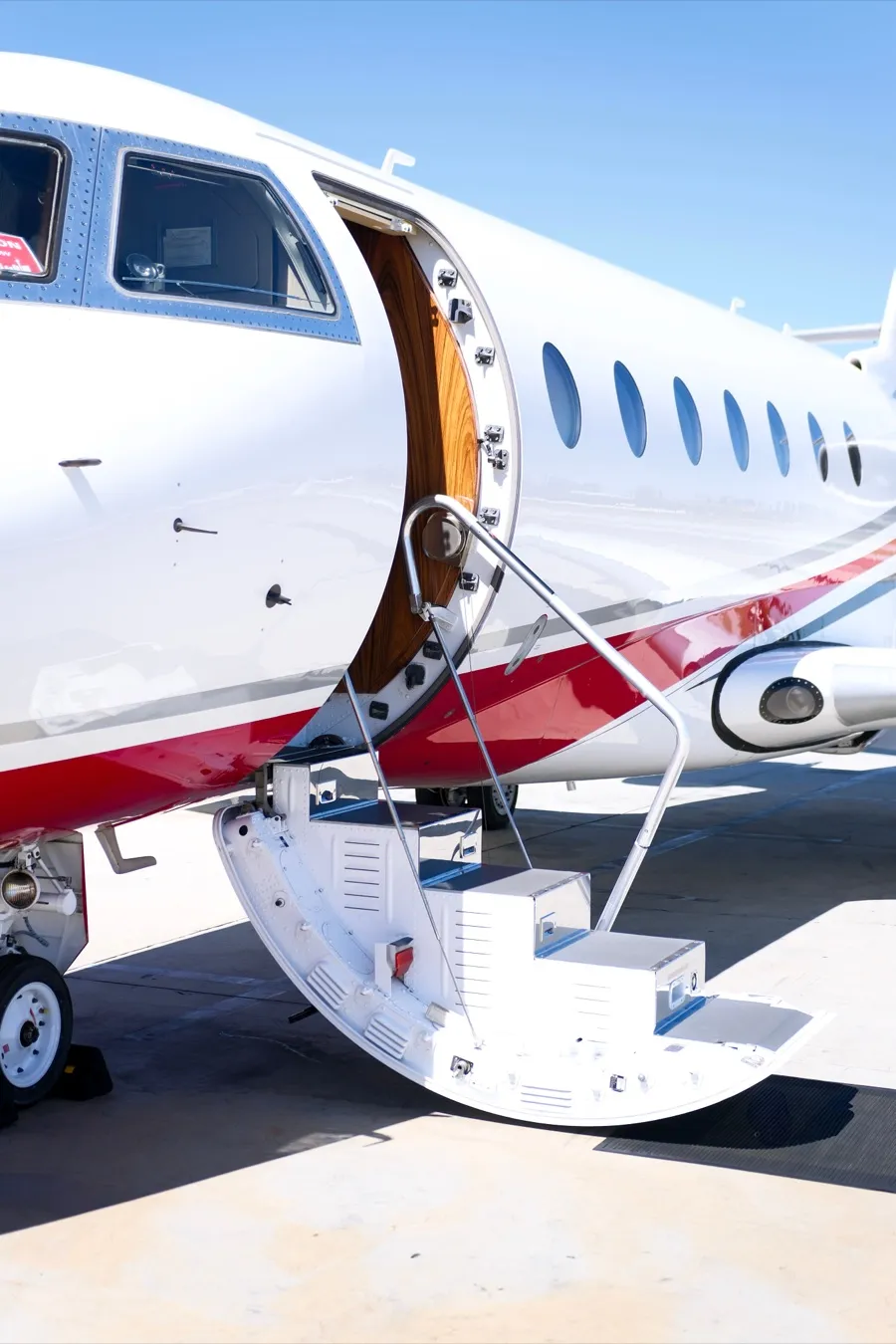





Choosing between a light jet vs midsize jet starts with more than distance. Passenger count, luggage, preferred airports, and the way you want to spend time onboard all influence the right choice. A heavy jet adds another possibility, but the largest aircraft is not automatically the most suitable one.
At Amalfi Jets, we approach aircraft selection as a matching exercise rather than a hierarchy. As a charter broker, we source and compare options from aircraft operators, ensuring you find the right fit for your travel needs. Our role is to help you understand which choices suit your itinerary and what each cabin adds to the journey.
Private Jet Sizes at a Glance
Light jets generally suit smaller parties and shorter journeys, offering a compact cabin that can be entirely appropriate for a straightforward trip. Midsize jets provide more cabin room and often offer greater flexibility for your route and baggage. Heavy jets typically bring larger cabins and longer-range capability, making them worth considering when additional space or a demanding itinerary calls for it.
These are starting points, not guarantees about a particular aircraft. Seating, usable baggage space, headroom, and cabin layout vary within each category. A category label helps narrow the search, but the individual aircraft determines whether the proposal works for your group.
Our guide to the types of private jets provides a broader introduction, including categories beyond these three. For this decision, the most useful question is what a larger aircraft would contribute that you will actually use.
Light Jets: A Considered Choice for Smaller Groups
A light jet can be a practical option for a small group traveling on a shorter domestic route with manageable luggage. Its compact cabin makes it especially relevant when your priorities are a suitable schedule and a straightforward journey rather than extra room onboard. The seating configuration and baggage arrangement still need to match the actual travelers.
A seat for every passenger does not necessarily mean the cabin will feel right for the trip. A few people carrying overnight bags have different needs from a fuller party bringing larger suitcases. Share the number and type of bags early, including any unusually shaped items, so our team can consider them alongside passenger count.
This category deserves attention for regional business travel and shorter personal trips. If you do not need much room to move around, a larger cabin may offer little practical advantage. If headroom, seating flexibility, or baggage space is important, comparing a midsize alternative is worthwhile.
Midsize Jets: More Space Without Automatically Going Larger
Midsize jets generally offer more cabin room than light jets, which can make a difference as the journey becomes longer. Additional space may be useful for working, sharing a conversation, or simply settling into your seat. Headroom varies by aircraft, so comfortable standing should be checked rather than assumed.
Baggage needs can also make this category worth considering. However, a larger cabin does not establish whether every suitcase or piece of equipment will fit. The storage configuration, passenger load, and operational requirements need to be assessed together.
For many travelers, the appeal is balance rather than maximum capacity. A midsize aircraft may provide the space you want without the additional cabin volume of a heavy jet. The strongest recommendation depends on what your group needs, not on moving up a category by default.
Heavy Jets: Cabin Volume for More Demanding Journeys
Heavy jets are generally considered when travelers need more cabin space, longer-range capability, or accommodation for a larger group. Some layouts provide distinct areas for conversation, work, and rest. Those arrangements can be useful when passengers have different priorities during the same flight.
The configuration matters as much as the category. A cabin with additional seating may serve a different purpose from one arranged around fewer passengers and more room to relax. Rest arrangements and usable baggage capacity should be confirmed for the aircraft being proposed.
A heavy jet makes the clearest case when its added capability answers a specific requirement. That may be a longer itinerary, a group that needs more room, or a preference for separate cabin areas. On a shorter journey with a small party, those benefits may not be necessary.
Light Jet vs Midsize Jet: Comfort, Luggage, and Range
The light jet vs midsize jet decision often comes down to how the cabin will feel with your actual group onboard. A smaller aircraft may be entirely suitable for a few travelers with modest luggage. A fuller party, additional bags, or a preference for more personal space can make the midsize option more appealing.
Range is important, but a published figure is not a promise that an aircraft can fly every itinerary nonstop. Passenger and baggage loads, winds, required fuel reserves, airport conditions, and other operating considerations affect suitability. The operator must evaluate the specific flight before a nonstop plan can be confirmed.
When both categories are appropriate, compare the details that change your experience. Ask about seating layout, headroom, baggage arrangements, and the complete trip quote. This makes the decision more useful than choosing by size or an advertised range figure alone.
Heavy Jet vs Midsize: When More Space Earns Its Place
The central question in a heavy jet vs midsize comparison is whether the additional cabin serves a clear purpose. A larger group or a need for separate work and rest areas may justify the extra space. A smaller party comfortable in one shared cabin area may find a midsize aircraft sufficient.
Super-midsize jets also belong in this conversation. They can provide another option when comparing cabin comfort and longer-route capability without immediately selecting a heavy jet. Their suitability still depends on the particular aircraft and the requirements of your itinerary.
Comparing more than one category can make the trade-offs easier to understand. One proposal may prioritize cabin volume, while another may meet the same core requirements with less space. The aim is to identify a meaningful benefit, not to assume that a larger aircraft is always a better choice.
Los Angeles (VNY) to New York (TEB): Start With Nonstop Requirements
Travel between Los Angeles through Van Nuys Airport (VNY) and the New York area through Teterboro Airport (TEB) puts nonstop preferences near the beginning of the discussion. Tell your broker whether a fuel stop would be acceptable or whether nonstop capability is central to the request. That distinction helps frame which aircraft deserve consideration.
A light jet should not be assumed suitable for this itinerary simply because its published range appears promising. Midsize, super-midsize, and heavy options may warrant evaluation, depending on the aircraft, direction of travel, passenger load, and conditions. The operating carrier must assess the proposed flight before a nonstop itinerary can be confirmed.
Cabin priorities remain important even after operational suitability is established. Travelers who plan to work or rest may value a different arrangement from those who simply want to sit together comfortably. Explain those preferences before comparing proposals.
New York (TEB) to Miami (OPF): Compare the Whole Cabin
For travel between New York through Teterboro (TEB) and Miami through Miami-Opa Locka Executive Airport (OPF), light and midsize aircraft may both be candidates for evaluation. The route alone does not decide which category is right. Passenger count, luggage, schedule, and aircraft availability remain part of the assessment.
A small party with overnight bags may have little need for additional cabin space. A group bringing larger suitcases or wanting more room throughout the flight may prefer a midsize option. Comparing the actual layouts is more helpful than relying on category names alone.
Dallas (DAL) and Chicago (PWK): Match the Aircraft to the Itinerary
For Dallas travel through Dallas Love Field (DAL), start with your departure point and final destination rather than choosing an aircraft category in isolation. On a New York to Dallas request, light and midsize options may be worth reviewing, subject to operational suitability. Extra cabin room may be the deciding preference even when more than one category can meet the itinerary.
Chicago travel through Chicago Executive Airport (PWK) calls for the same approach. A light jet may be a useful starting point for a smaller party on a suitable regional route, while additional luggage or cabin preferences may favor a midsize aircraft. The airport code identifies the intended arrival point, not a guaranteed aircraft recommendation.
Airport Choice Is Part of Aircraft Selection
Your preferred airport needs to work for both the flight and your plans after arrival. Van Nuys, Teterboro, Miami-Opa Locka Executive, Dallas Love Field, and Chicago Executive should be considered in relation to your final address and schedule. Airport operating requirements and availability also influence which aircraft can be proposed.
Ground transfers deserve attention alongside the cabin. The most suitable airport for one meeting location may not be the best choice for another. Handling arrangements and any applicable customs requirements should also be coordinated for the specific itinerary rather than assumed from the aircraft category.
How Aircraft Size Affects the Quote
Moving to a larger category can change the proposal, but size is only one component of the total. Aircraft positioning, flight requirements, airport and handling charges, applicable taxes, crew logistics, and availability can affect the amount quoted. An hourly rate alone may not capture the differences between two options.
Our private jet charter cost guide explains the factors that can shape a proposal. For this decision, compare the full trip quote alongside the cabin arrangement and operational fit. Additional space has the most value when it addresses something important to your journey.
What Size Private Jet Do I Need?
Choose the smallest category that comfortably meets your passenger, baggage, route, and cabin requirements, then confirm the specific aircraft's suitability. A light jet is a sensible starting point for smaller groups on shorter routes, while a midsize aircraft deserves consideration when you want more room. A heavy jet becomes relevant when additional cabin volume or longer-range capability is necessary.
These are general guidelines, not substitutes for an itinerary-specific assessment. Share your travel dates, preferred airports, passenger count, and luggage details before requesting a category. Explain whether nonstop travel is essential and whether working, resting, or moving around comfortably matters to your group.
Our aircraft categories and representative aircraft can help you become familiar with the options before discussing a proposal. Learning about different models ensures you feel confident in your final choice.
Compare Suitable Aircraft With Amalfi Jets
As a charter broker, Amalfi Jets helps you compare aircraft sourced from operators and understand the differences relevant to your trip. That conversation should make the choices clearer, whether the answer is a compact cabin, additional room, or a larger aircraft for a more demanding itinerary. The right recommendation follows your requirements rather than a category preference alone.
To request a charter with Amalfi Jets, share your route, preferred dates, passenger count, baggage needs, and cabin priorities. Our team can help you compare suitable options and coordinate the details of your journey.