




A useful private jet charter cost estimator starts with your itinerary, not an hourly figure. Establish your route and dates, assess provisional flight time, identify suitable aircraft requirements, and account for trip structure, repositioning, and potential additional charges. Together, those inputs create a planning framework rather than a confirmed price.
At Amalfi Jets, we work as an air charter broker, sourcing aircraft from qualified operators and comparing options around your journey. Our role is to help you understand the proposed cost, the aircraft options, and the assumptions behind each proposal before you make a decision.
Private Jet Charter Cost Estimator: Start With the Route
Begin with your departure and destination airports, then add your travel dates and preferred departure windows. A city name provides an initial direction, but a specific airport gives our team a more defined itinerary to assess. If your journey includes several stops, include the full route from the outset.
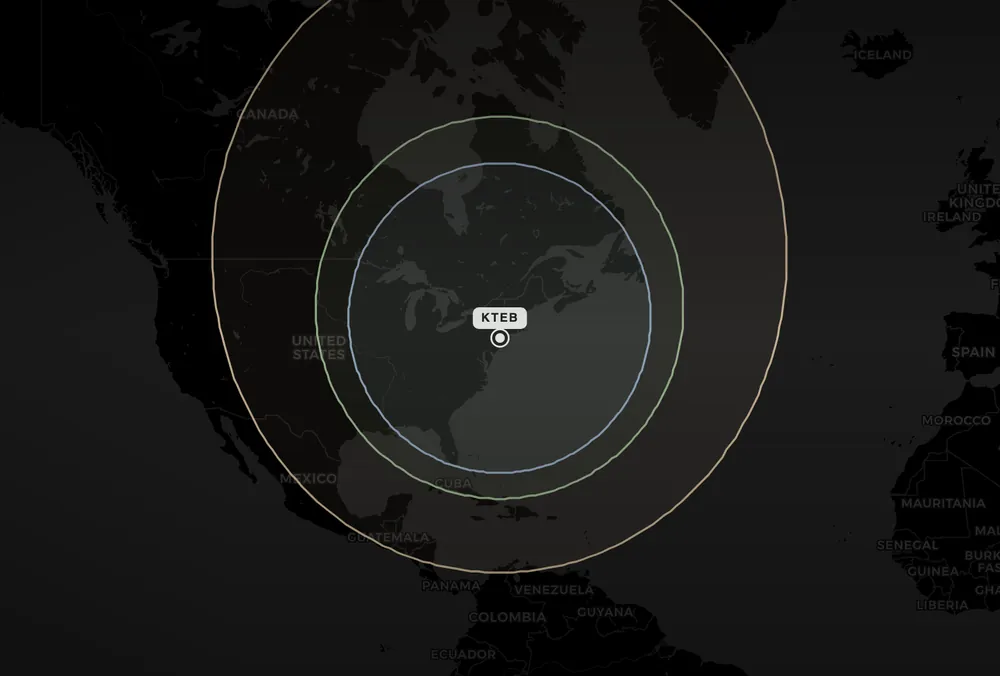
Use our Aircraft Range Explorer to begin exploring the route and its range requirements. Treat that assessment as a starting point for an aircraft discussion, not as a price calculation or a guaranteed flight time. Ask our team to confirm the flight-time assumptions appropriate to your itinerary before using them for budgeting.
Range and flight time are related, but they answer different questions. Passenger load, baggage, weather, routing, and fuel reserves can affect aircraft suitability and the eventual flight plan. An initial route assessment therefore needs to be considered alongside the details of your actual journey.
The distinction that matters most for an estimate is passenger flight time versus billable time. Your proposal may account for aircraft movement beyond the flight you take, including positioning. Ask what the time calculation covers before treating it as the basis for your total.
How Aircraft Selection Shapes Private Jet Rental Pricing
Aircraft selection begins with the mission rather than a preferred model name. Passenger count, baggage, route length, cabin preferences, and nonstop expectations all influence which options are appropriate. The smallest cabin that seats your group is not necessarily the right aircraft for the trip.
Describe your requirements before narrowing the category. If nonstop travel is important, make that clear, and if you are traveling with substantial baggage or unusually shaped items, provide those details early. Our team can then assess options against the requirements that actually matter to you.
Aircraft category is an important input, but it does not determine private jet rental pricing on its own. Availability, aircraft location, scheduling, and operator arrangements can also affect the proposal. Two aircraft in the same category may therefore produce different total trip costs.
For early planning, keep your aircraft preferences separate from your essential requirements. That distinction allows meaningful comparisons without suggesting that every available option will deliver the same cabin experience or operational capability.
Define One-Way, Round-Trip, and Waiting Requirements
A one-way itinerary and a round-trip itinerary create different scheduling questions. A one-way journey may require an aircraft to arrive from another location before departure or relocate after your flight. A round trip may involve waiting at your destination, repositioning between flights, or another aircraft arrangement.
Neither structure guarantees a particular pricing outcome. Returning later the same day presents a different planning question from returning after an extended stay. Share your intended return date and time so the proposal can reflect the complete journey rather than an assumed schedule.
If you need the aircraft to remain available at your destination, state that requirement explicitly. If you only need transportation at agreed departure times, explain that instead. Those details help establish which waiting, crew, parking, or positioning considerations may apply.
For travel with multiple stops, include the time you expect to spend at each destination. Each stop can affect aircraft scheduling and operational arrangements. An estimate based only on the first leg leaves part of the itinerary outside the budget discussion.
Account for Repositioning Before Comparing Totals
The aircraft selected for your journey may not already be at your departure airport. Bringing it into position, or relocating it after your passenger flight, can affect the total. This is one reason an estimate based only on time in the passenger cabin may be incomplete.
Aircraft location also helps explain why similar routes can receive different proposals. An aircraft already near your departure point presents a different positioning requirement from one that must travel to reach you. Availability can change, so an earlier planning assumption may not describe the options available when you request a proposal.
As a broker, Amalfi Jets can compare suitable aircraft options with different starting locations. Positioning is considered alongside aircraft suitability, your schedule, and the overall proposal. The objective is to understand the complete itinerary rather than judge an option by its hourly component alone.
Ask whether repositioning, sometimes described as ferry time, is included in billable time or shown separately. If it is already included, do not add it again in your own calculation. Clear treatment of this component makes comparisons more useful and helps prevent double counting.
Airport Inputs for Los Angeles, New York, Miami, Chicago, and Dallas
For Los Angeles, identify Van Nuys (VNY) if that is your intended departure or arrival airport. For New York, specify Teterboro (TEB) when it matches your plans, and for Miami, identify Opa-locka Executive (OPF). These are precise itinerary inputs, not promises about availability, suitability, or airport charges.
The same approach applies to Chicago Executive (PWK) for Chicago and Addison (ADS) for Dallas. Naming the airport gives our team a defined request to assess. It also avoids treating every airport serving a metropolitan area as interchangeable.
Landing, handling, ramp, and parking charges may vary with the airport and itinerary. Operational requirements may also influence which aircraft and schedules can be considered. Those details belong in the planning discussion rather than being assumed from the city name alone.
If you are open to another airport, state your preferred option first and explain your flexibility. Our team can then assess alternatives in the context of your journey. Any comparison should consider the complete travel plan, including your ground arrangements and timing priorities.
Let Travel Dates and Departure Windows Shape the Estimate
Dates influence which aircraft may be available for your itinerary. Peak travel periods and major events can constrain options and change positioning requirements. An estimate without dates therefore leaves a meaningful part of the planning unresolved.
Your departure window matters as well as the day of travel. Specify whether the timing is fixed or whether a reasonable adjustment could work, and provide the same clarity for your return. Flexibility gives our team additional parameters to assess, but it should not be treated as a guarantee of a lower total.
Some costs or arrangements may remain conditional during early planning. Crew logistics, fuel treatment, catering, and weather-related services may require further clarification for the selected aircraft and itinerary. Ask which items are included, which are estimated, and which could become additional charges.
There is no single booking window that replaces an assessment of your trip. Once your dates, airports, passenger count, and essential timing are known, a tailored proposal becomes more meaningful than a general planning figure. This is particularly important when your itinerary includes several stops or specific aircraft requirements.
Build a Total-Trip Estimate, Not Just an Hourly Calculation
A practical framework is estimated billable time multiplied by the applicable aircraft rate, with taxes and itinerary-specific charges added where they are not already included. Positioning, crew arrangements, and requested services also need to be accounted for in the appropriate place. This organizes the budget discussion without turning an indicative calculation into a guaranteed private jet price.
After exploring your route with the Aircraft Range Explorer, review our 2026 Private Jet Charter Cost Guide. It provides context for understanding why an hourly figure is only one part of the discussion. Use that context to identify the questions your itinerary still needs answered.
Consistency matters more than filling every field with an assumed number. Each cost component should appear once, with a clear explanation of what it covers. If a charge remains subject to confirmation, keep it separate from confirmed inclusions rather than treating the entire estimate as settled.
You do not need to prepare a detailed invoice before speaking with our team. A defined itinerary and a clear account of your priorities are more useful than a precise-looking total built on uncertain assumptions. The purpose of early budgeting is to frame the conversation, not to replace an aircraft-specific proposal.
From a Planning Estimate to a Private Jet Charter Quote
A preliminary estimate helps you consider whether an itinerary fits your travel budget. A formal proposal depends on available aircraft, operator confirmation, positioning, airport arrangements, and the details of your request. Until those elements have been assessed, the planning figure should remain provisional.
When comparing one jet charter quote with another, keep the underlying requirements consistent. Different airports, departure windows, aircraft categories, or waiting arrangements can create differences that look like pricing alone. Ask what each proposal includes before deciding which offers the better fit.
Our guide, How to Read a Private Jet Charter Quote Clearly, explains how to examine a proposal once it arrives. Focus on the identified aircraft, billable time, positioning, inclusions, potential additional charges, and applicable terms. A clear comparison considers what the proposal delivers, not simply the lowest total.
Amalfi Jets brings a broker perspective to that process by evaluating aircraft and operator options for your itinerary. We do not own or operate the aircraft we arrange. Our team helps connect your priorities with suitable charter options and makes the assumptions behind the proposal easier to understand.
What to Include in Your Charter Quote Request
Provide your departure and arrival airports, travel dates, and whether the journey is one way, round trip, or includes multiple stops. Include your preferred departure and return windows, along with any timing that cannot change. If the aircraft needs to wait at your destination, make that requirement explicit.
Add your passenger count, baggage expectations, cabin preferences, and any priority for nonstop travel. Describe catering or special service requests that should be considered with the itinerary. If you have flexibility on airports, departure times, or aircraft category, explain its limits rather than leaving our team to assume them.
Finally, ask for the inclusions, assumptions, and potential additional charges to be explained. A private jet charter cost estimator is most useful when it prepares you to ask better questions, rather than suggesting certainty before the aircraft and itinerary are confirmed. Clear inputs make the move from preliminary planning to a meaningful proposal more straightforward.
Begin with the Aircraft Range Explorer, review the cost guide, and bring us the details that define your journey. Visit amalfijets.com to request an itemized charter proposal. Our team will help you evaluate aircraft options around your route, schedule, and priorities.