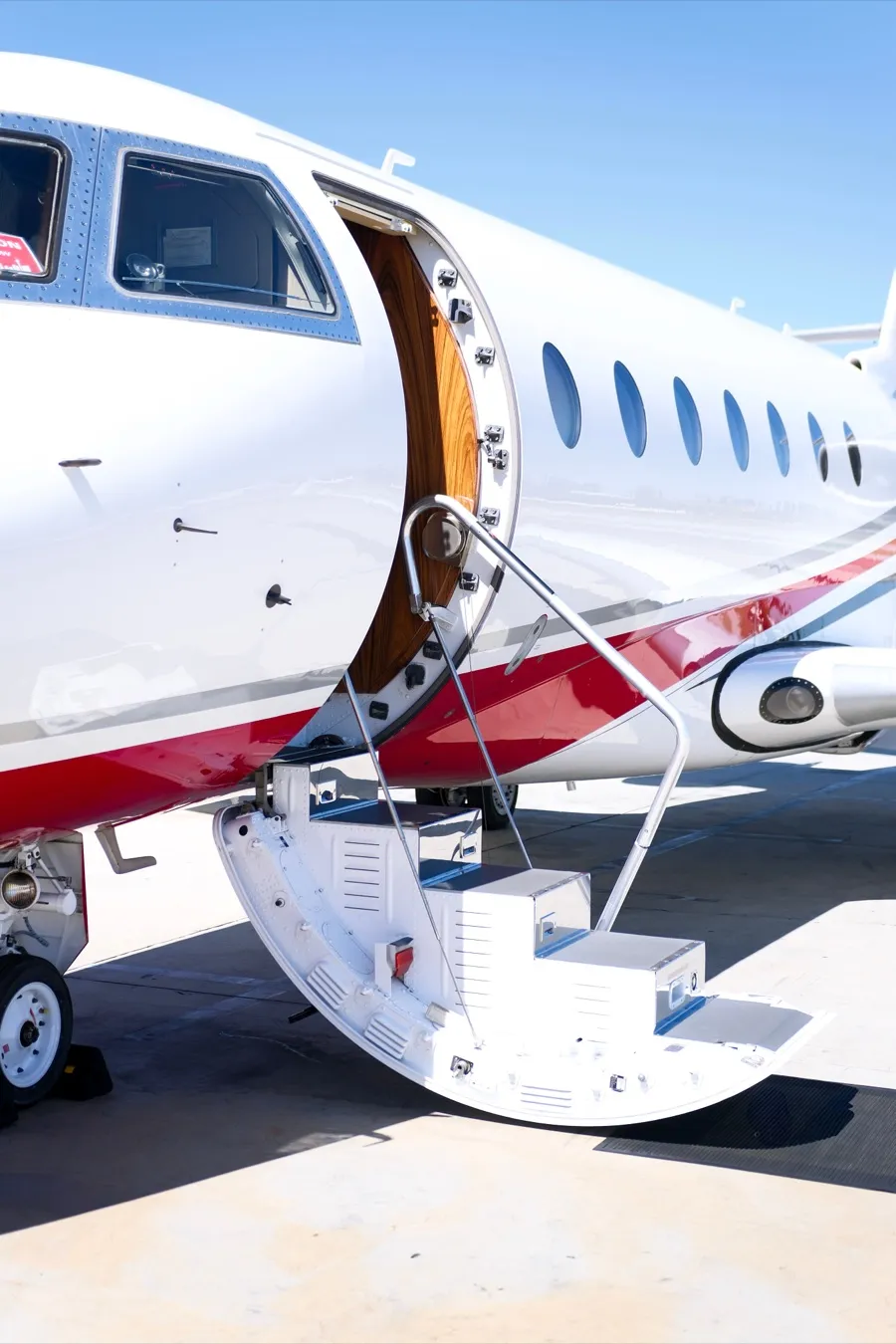




For travelers planning a heavy jet charter in Summer 2026, the decision is rarely about choosing the biggest aircraft for its own sake. It is about choosing the right cabin, the right range, and the right onboard environment for a mission that may stretch across the country or across the Atlantic. When an itinerary calls for overnight comfort, multiple living areas, stronger baggage capacity, and room for a larger group to move naturally, a large cabin jet begins to feel less like an indulgence and more like the correct tool for your trip.
What a Heavy Jet Charter Means in 2026
In private aviation, a heavy jet charter sits above midsize and super midsize categories, offering a true large cabin environment built for longer sectors, larger groups, and more demanding itineraries. These aircraft are designed for missions where the cabin needs to do more than simply transport passengers from one airport to another. On the right trip, the aircraft becomes a place to work, dine, meet, and rest in a way smaller categories simply cannot match.
Our heavy jet charter category highlights aircraft such as the Gulfstream GIV-SP, Bombardier Challenger 605 and 650, and Embraer Legacy 650 as core examples of this segment. In practical terms, that means stand-up cabin dimensions, multiple seating zones, stronger baggage capacity, and seating for roughly 10 to 14 passengers, with some configurations accommodating even more. When you are comparing a super midsize jet against a large private jet, this is usually where the distinction becomes real.
That distinction matters most on Summer 2026 itineraries linking New York, Los Angeles, Miami, London, and Dallas. These are markets where transcontinental and international flying often overlap with larger travel parties, compressed schedules, and a preference for privacy that remains intact from departure through arrival. For our team, ensuring your aircraft aligns perfectly with these requirements is always our top priority.
Why a Large Cabin Jet Changes the Flight Experience
The phrase "biggest cabin in the air" sounds dramatic, but the true value of a large cabin jet is not just scale. It is functionality over time, offering an environment that adapts to your needs during longer flights. A shorter domestic hop can be comfortable in many aircraft categories, but a six-hour, eight-hour, or overnight mission places very different demands on the cabin.
In heavy jet private aviation, many aircraft are arranged in three distinct zones. One space may support conversation or work around club seating, while another is configured for dining or meetings. A third may provide a quieter area for rest, creating a more residential and productive atmosphere. This is especially true for executive teams, families, touring professionals, or anyone traveling with assistants, advisors, or children.
A larger cabin also tends to improve the details that become more important as flight time increases. The galley is often more capable, luggage volume is more forgiving, and sleeping arrangements can be more realistic on select aircraft. The result is not simply more room, but a significantly better rhythm to your journey. You can spread out, preserve privacy, and use the aircraft in different ways throughout the day or night rather than sharing a single, fixed cabin experience from wheels up to landing.
Heavy Jet Aircraft 2026 Travelers Should Know
Representative heavy jet aircraft 2026 travelers are likely to encounter include the Gulfstream GIV-SP, Bombardier Challenger 600 series aircraft such as the 604, 605, and 650, and the Embraer Legacy 600 and 650. These are often best described as classic heavy jets, providing exceptional comfort for long-range travel. They are highly relevant for long domestic sectors, many transatlantic routes, and itineraries where cabin comfort and practical range need to be balanced carefully.
Above that tier sit aircraft such as the Gulfstream G550 and G650, along with Bombardier Global 6000 and Global 7500 variants. These aircraft move further into ultra-long-range territory and can open up more nonstop possibilities on longer international sectors. For you comparing categories, this is an important distinction to understand before booking your charter. Not every heavy jet offers the same range profile, cabin footprint, or sleeping flexibility, even if two aircraft appear broadly similar at first glance.
That is why a category label alone is not enough for our team when planning your flight. The right aircraft depends on passenger count, expected baggage, runway considerations, prevailing winds, and whether the trip demands a classic heavy or a more capable long-range platform. In other words, a large private jet should be selected around your specific mission, not just the marketing name.
When a Heavy Jet Charter Is the Right Choice
There are several moments when a heavy jet charter becomes the smart choice rather than the aspirational one. The first is group size, because once a trip involves 10 to 14 passengers, a smaller cabin can begin to feel compressed very quickly. This is particularly true when everyone is carrying more than a light overnight bag for an extended stay. In that scenario, a heavy jet offers more than additional seats by providing a cabin that remains comfortable once the trip is fully loaded.
The second factor is stage length for your specific itinerary. Coast-to-coast flights between Los Angeles, New York, Miami, and Dallas can run long enough that extra space becomes meaningful. A large cabin jet gives passengers room to work, dine, and rest without asking the entire group to function in one compact space for the duration of the flight.
The third consideration is international routing, especially for overseas flights. Once the itinerary includes London or other long-haul sectors, heavy jets often become the natural category to consider. Even when a route could technically be served by a smaller aircraft under certain conditions, the cabin experience may not align with what you actually expect from an overnight or transatlantic mission.
The fourth consideration is cabin purpose during your flight. If the aircraft needs to serve as a mobile office, family lounge, meeting space, and private retreat in the same day, the heavy category stands apart. This is especially true for board travel, touring schedules, and multi-generational family itineraries where different passengers want to use the cabin differently.
Heavy Jet Charter Routes From TEB, VNY, OPF, LHR, and DAL
Demand for heavy jet charters is expected to be strongest from major private aviation gateways such as Teterboro (TEB), Van Nuys (VNY), Opa-locka (OPF), London Heathrow (LHR), and Dallas Love Field (DAL). Each of these airports supports a different pattern of long-range flying, but all are closely associated with travelers who value larger cabins. These locations provide the necessary infrastructure for flexible mission planning and larger aircraft operations.
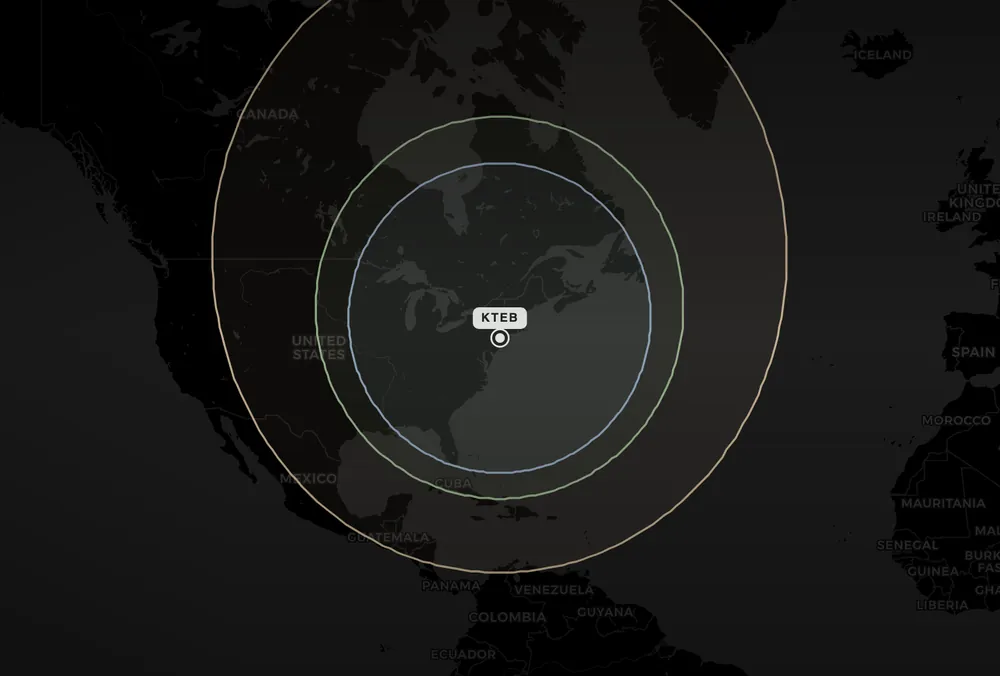
In the New York market, Teterboro remains one of the most important launch points for transatlantic and coast-to-coast private travel. For missions from TEB to London, South Florida, Texas, or the West Coast, a heavy jet can be ideal when the trip combines larger group size with a meaningful stage length. It is also one of the clearest examples of when a super midsize aircraft may begin to feel limited for your travel party.
From Los Angeles, Van Nuys frequently supports East Coast, Texas, Miami, and Hawaii missions. This is a market where heavy jets are especially useful because flight times are long enough for cabin separation to matter. For Europe, the aircraft choice becomes even more important, as some classic heavy jets may require different planning assumptions than ultra-long-range aircraft. Therefore, route feasibility should always be assessed on the exact mission profile by our team.
In Miami, Opa-locka is a natural gateway for London, South America, and transcontinental United States flying. Heavy jets are well suited here because many trips combine international handling needs with a preference for larger cabins and stronger baggage capacity. Summer calendars can tighten availability quickly in South Florida, particularly for aircraft with established long-haul capability.
For London arrivals and departures, London Heathrow remains a major global gateway, though not every private itinerary will choose it over nearby alternatives. Still, for many United States origin missions, heavy jets are selected because they deliver the right mix of range, sleeping comfort, and cabin separation for overnight travel. Charges related to airport handling, fuel, and sustainability programs can also influence the final quote, which makes airport selection part of the overall aircraft strategy we manage for you.
Dallas Love Field offers another compelling heavy jet use case for central geographic departures. DAL is well positioned for coast-to-coast trips, larger group movements, and transatlantic flying. Its central geography can also support efficient positioning and mission planning on more complex itineraries. For you based in Texas, a large cabin jet often provides the perfect balance of comfort and operational flexibility.
Heavy Jet Charter vs Super Midsize for Long-Range Travel
A super midsize jet can be an excellent aircraft, and many trips do not need anything larger. But the difference becomes obvious once missions extend in duration, passenger count, or complexity. This is exactly where heavy jet private aviation justifies itself for your most demanding itineraries.
A heavy jet generally provides more usable cabin volume, greater separation between work and rest, stronger baggage flexibility, and better suitability for overnight or international flying. Those advantages may not matter much on a short two-hour sector with a small group. They matter a great deal on New York to London flying, Los Angeles to the East Coast itineraries, or multi-leg family travel during peak summer weeks.
The easiest way to approach this decision is to evaluate your time onboard. If the trip is short and lightly loaded, a smaller category may be entirely appropriate and cost-effective. If the mission needs endurance, privacy, and a cabin that still feels livable after several hours in the air, a large private jet becomes the more intelligent choice.
Heavy Jet Charter Pricing in 2026
Pricing remains one of the most important parts of the conversation, and it should always be approached with nuance. Our 2026 private jet charter cost guide notes that heavy and ultra-long-range aircraft often start around $8,500 per flight hour and can exceed $20,000. These figures fluctuate depending on the aircraft, route, age, configuration, and mission profile.
For a heavy jet charter, the hourly figure is only the starting point of your total investment. Total trip cost may also reflect federal excise tax on qualifying United States itineraries, landing and ramp fees, FBO and handling charges, fuel surcharges, overnight crew expenses, aircraft positioning, international handling, and sustainable aviation fuel related charges on some European missions. This is why comparing two aircraft based only on an hourly rate can be misleading for your budget.
A trip that looks efficient at first glance can change significantly once airport fees, crew logistics, and long-haul routing realities are accounted for. This is also why itemized quoting matters more in the heavy category, where routing details magnify financial impacts. On a complex trip from New York or Miami to London, or a transcontinental summer itinerary from Los Angeles or Dallas, the structure of the quote matters just as much as the category name.
Summer 2026 Demand for Large Private Jet Travel
Summer tends to concentrate demand around longer leisure travel, multi-generational family itineraries, board travel, and transatlantic schedules. That naturally increases interest in the heavy category for many of our clients. For Summer 2026, that demand is likely to be especially visible in New York, Los Angeles, Miami, London, and Dallas, where long sectors and larger groups frequently intersect.
Booking windows matter significantly when planning these peak season itineraries. We generally recommend planning heavy and ultra-long-range missions four to six weeks in advance during busy periods, especially when preferred cabin layouts, international handling coordination, or sustainability-related line items need to be confirmed early. This is not simply about securing any aircraft, but rather about securing the right aircraft at the right time with transparent assumptions built into your quote.
Weather also plays a vital role in how we plan your long-range travel. Longer itineraries can be influenced by summer thunderstorms, seasonal winds, and broader operational constraints, which makes performance margin and routing flexibility highly valuable. In peak periods, the strongest aircraft options are often claimed first, so early planning tends to deliver a much better result for your trip.
How Amalfi Curates the Right Large Cabin Jet
One of the most important things to understand about this category is that heavy jets are not interchangeable. Two aircraft with similar seating counts may differ meaningfully in refurbishment date, baggage access, sleeping layout, galley capability, onboard connectivity, and real-world route suitability. This is precisely where our broker model becomes particularly valuable for your travel planning.
Because Amalfi Jets is a charter broker rather than an operator, our team can compare aircraft options around your exact mission rather than pushing a limited in-house fleet. A Challenger may suit one transcontinental itinerary, while a Legacy may be ideal for another. A Gulfstream or Global platform may become the stronger choice when route length or nonstop preference changes the equation for your travel party.
This kind of tailored aircraft selection is especially important in heavy jet aircraft 2026 planning because the spread between acceptable and ideal can be substantial. You can review why Amalfi offers a superior approach to securing these aircraft, or explore our latest private aviation insights for additional background. Whenever you are ready, you can request a charter for a customized quote based on your route, passenger count, and preferred cabin style.
Is a Heavy Jet Charter Right for Your Mission?
A heavy jet is the right answer when your mission demands more than speed alone. It is the category to consider when you need cabin separation, longer range, stronger baggage capacity, and an onboard environment that can support a full day or night in the air without compromise. For Summer 2026, that will be especially true on routes connecting New York, Los Angeles, Miami, London, and Dallas.
If the trip involves a larger group, an international crossing, or a transcontinental itinerary where comfort and functionality matter equally, a heavy jet charter is absolutely the best fit. To explore aircraft in this category, start with our heavy jet charter category guide. You can also review the 2026 private jet charter cost guide for current budget context, and request a charter when you are ready to price your specific mission.


