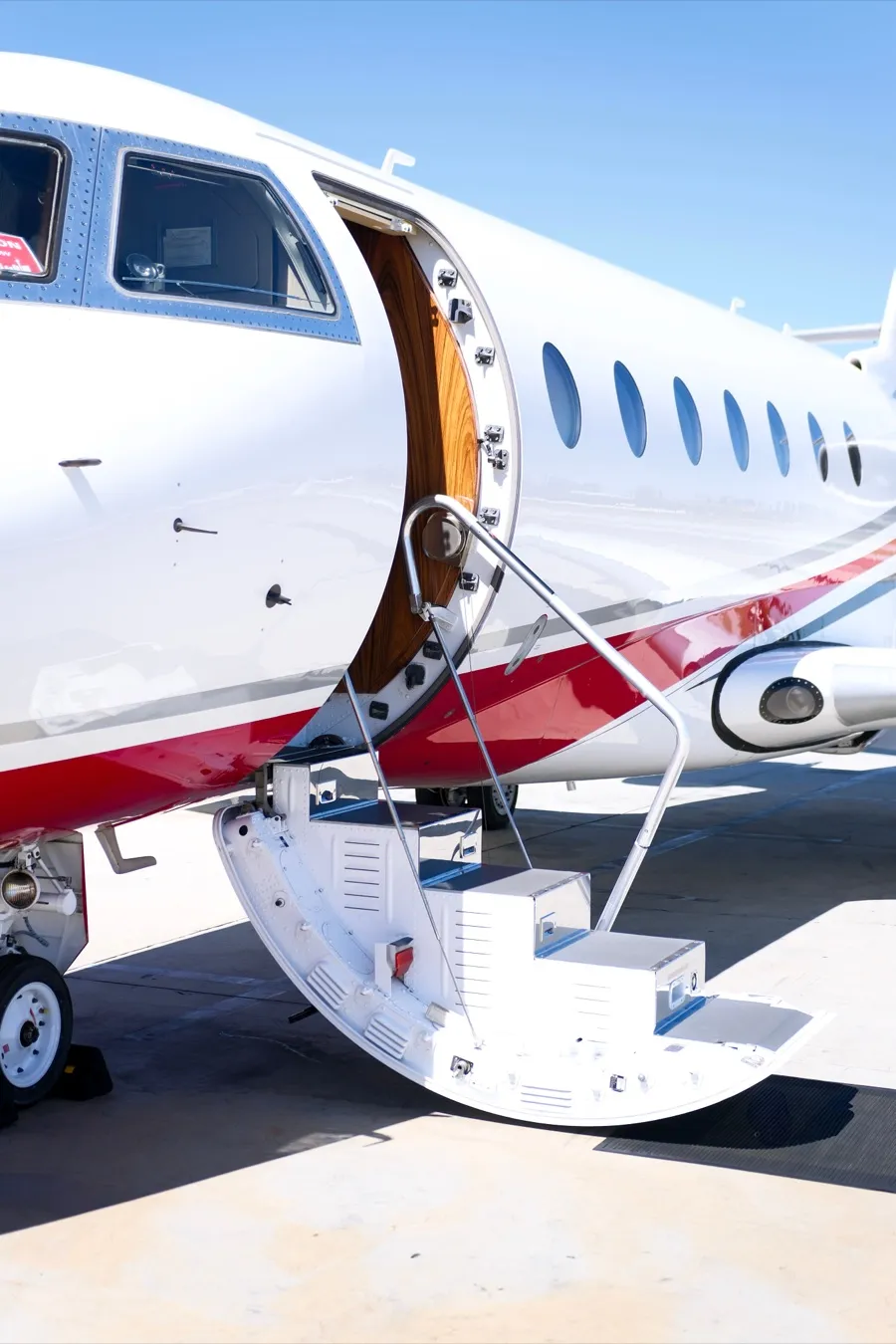


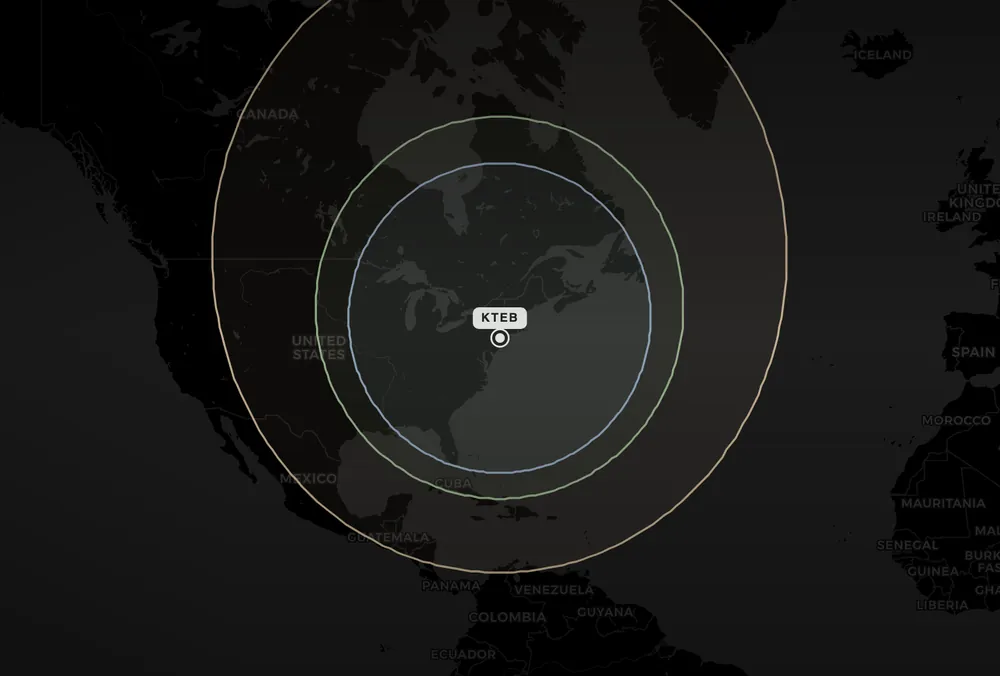


An FBO, short for fixed-base operator, is an airport business that supports aircraft, crews, and passengers. Its private jet terminal is the passenger-facing space where your arrival, baggage, and boarding are coordinated for your flight rather than through a public airline gate. At Teterboro Airport (TEB), Van Nuys Airport (VNY), and Miami-Opa Locka Executive Airport (OPF), the most useful arrival detail is the exact facility on your confirmed itinerary. The airport code identifies the location, but the facility name, street address, and passenger-entry instructions tell you and your driver exactly where to go.
What Happens at an FBO?
A typical departure begins at the passenger entrance, where you identify yourself and confirm your flight details. Required documents are checked, baggage is coordinated with the crew, and you may spend a short time in the passenger area while departure preparations continue. When the aircraft and access arrangements are ready, the crew or terminal personnel direct you toward boarding. Please follow their instructions rather than approaching an aircraft independently, even if it is visible from the building.
This sequence serves as a general guide rather than a strict guarantee for every departure. Applicable security procedures, passenger documentation, baggage requirements, and aircraft readiness can all affect both the order and the timing of your boarding process. It also helps to distinguish the businesses involved since the airport service provider supports the visit, the aircraft operator conducts the flight, and Amalfi Jets serves as your charter broker. For a fuller explanation of these distinct roles, read What Is an FBO? alongside your trip instructions.
Before You Leave for the Private Jet Terminal
Your confirmed itinerary should identify the airport, assigned facility, street address, and any specific passenger-entry instructions. Share this complete information with your driver rather than requesting a general transfer to the airport alone. You must check the details for the current trip, even if you have departed from the exact same airport before. A saved address or familiar entrance may not match your latest arrangements, and any discrepancy is best resolved before you leave your residence, office, or hotel.
Have the identification and travel documents required for your itinerary ready, and ensure that all passenger names match the flight arrangements perfectly. Tell Amalfi Jets about any passenger changes in advance so the relevant parties can address document or operational requirements promptly. Discuss baggage during booking rather than waiting until you reach the terminal to reveal extra items. The number and size of bags, specialty equipment, aircraft storage limits, and operator requirements all affect what can travel safely.
What You Can and Can’t Bring on a Private Jet is a useful companion to that initial packing discussion. For any particular specialty item, ask for confirmation that applies to your specific flight rather than assuming a general packing recommendation guarantees acceptance.
Teterboro FBO: Arriving for New York at TEB
For a New York departure through Teterboro (TEB), direct your driver to the specific facility named on your itinerary. An instruction to head to the airport is only the beginning since the confirmed street address and passenger entrance complete your transfer plan. Build your ground journey around your actual starting point and the precise arrival instruction for your flight. Road conditions and your pickup location can affect the transfer, so avoid treating an earlier journey to the airport as a reliable template.
If you intend to leave a vehicle, confirm the parking arrangement with the assigned facility well before your departure. Ask where to enter, where the vehicle should remain, and how collection works when you return rather than assuming a general airport parking arrangement applies. For a chauffeured pickup after landing, share the confirmed meeting point with your professional driver. If an international inspection is part of the itinerary, confirm whether that requirement changes where you will meet your car before finalizing the transfer.
Van Nuys FBO: Arriving for Los Angeles at VNY
For a Los Angeles itinerary through Van Nuys (VNY), make sure your transportation reservation specifies the assigned facility address. Van Nuys is a separate airport destination, not a terminal at Los Angeles International Airport or Hollywood Burbank Airport. Confirm passenger parking, drop-off, and collection arrangements for the facility selected for your specific flight. Leaving a car for the duration of a trip is a different request from a brief passenger drop-off, and you should discuss each on its own terms.
Once inside the terminal, wait for instructions before moving toward the waiting aircraft. Ramp access is highly controlled, and any permitted movement between the building and aircraft must follow the directions given for your departure. The exact same care applies after your arrival back in Los Angeles. Confirm your driver's meeting point in advance, and follow the crew's or terminal personnel's guidance through the transition from aircraft to ground transportation.
Opa-locka FBO: Arriving for Miami at OPF
For Miami travel through Miami-Opa Locka Executive Airport (OPF), use the facility details on your current itinerary rather than the airport's general address. Confirm that your driver has the correct airport destination and the specific passenger entrance as the final stop. A previous departure from this location does not establish the arrangements for your next visit. Send the latest confirmation to your driver even if the airport is familiar, and replace any saved directions that no longer match the itinerary.
If you plan to park, ask about the arrangements that apply to your vehicle and specific travel dates. If you are using a car service instead, establish the drop-off and pickup points and clarify whether any access instructions need to reach the driver beforehand. An international arrival requires a separate discussion about inspection and onward transportation. Confirm the processing location and applicable arrangements for your flight rather than assuming you will leave through the same passenger entrance used for departure.
How Early Should You Arrive at a Private Jet Terminal?
There is no single arrival lead time that suits every charter flight at these major airports. Domestic or international routing, required documents, baggage, applicable security procedures, and aircraft readiness all influence the appropriate arrival instruction. Follow the arrival time confirmed for your itinerary rather than borrowing a rule from a previous flight. If you are unsure whether a time refers to reaching the terminal or departing from your pickup location, clarify that distinction before arranging the car.
Plan the ground transfer separately from the terminal arrival requirement to ensure a smooth start to your journey. Give your driver the exact destination and enough flexibility to account for road conditions, and let Amalfi Jets know if your plans change en route. Reaching the terminal does not necessarily mean boarding begins immediately upon your arrival. Passenger checks, baggage coordination, aircraft preparation, and safe ramp access still need to be completed, so a brief wait may be part of the planned sequence.
Parking, Drivers, and Access to the Aircraft
The useful parking question is not simply whether a facility has somewhere to leave a car. It is whether the arrangement you need is available for your visit and what instructions apply to entering, parking, and collecting the vehicle. Tell our team whether you are being dropped off, meeting a driver after arrival, or leaving a vehicle during your trip. Confirm any applicable charges and access conditions before treating the ground transportation plan as fully settled.
Your driver should have the complete address, passenger-entry directions, and the agreed meeting point. If the facility assignment changes, share the latest instructions with everyone involved in the transfer rather than assuming the update has reached them automatically. Direct vehicle access to an aircraft should never be assumed at any major private terminal. Unless a different arrangement has been expressly confirmed, use the passenger entrance and wait for the crew or terminal personnel to guide the next step.
Domestic and International Trips Follow Different Paths
A domestic departure may involve identification, baggage coordination, applicable screening, and directed boarding through the assigned terminal. An international itinerary can add customs and immigration requirements that affect documents, inspection arrangements, and your onward movement. The inspection location and release process must be confirmed for the individual flight. Do not assume that the departure terminal, arrival inspection point, and driver meeting location will all be the same place.
Keep required travel documents accessible rather than placing them in baggage that may be loaded separately. Follow the instructions supplied for your itinerary, including any requirements that apply to individual passengers or items traveling with them. For an international arrival, coordinate your car around the confirmed processing plan rather than a presumed immediate departure from the aircraft. If the sequence changes, updated communication helps keep the transfer aligned with your release to continue onward.
How Amalfi Jets Coordinates Your Arrival
Amalfi Jets is a charter broker, not an aircraft operator or terminal service provider. Our role is to help coordinate suitable charter options and the relevant passenger, airport, and ground arrangements around your unique itinerary. For the terminal experience, that means helping you understand where to arrive, what to have ready, and which instructions apply to your flight. Aircraft operation, terminal services, and ground transportation remain distinct responsibilities that need to work together seamlessly.
Airport and handling charges may also be highly relevant to the complete charter proposal we present to you. Ask our team which charges are included and which may be additional rather than evaluating the trip through an hourly figure alone. Our Private Jet Charter Cost Guide provides context for that broader quote discussion. Your own proposal should always remain the basis for understanding the arrangements and exact charges associated with your itinerary.
Start With a Clear Arrival Plan
A well-planned departure through Teterboro, Van Nuys, or Opa-locka begins before you ever reach the terminal entrance. Confirm the facility address, arrival time, required documents, baggage arrangements, and driver instructions so each stage connects effortlessly with the next. Request a charter with Amalfi Jets to explore suitable aircraft options and coordinate the important details surrounding your flight. Our team can help bring the terminal arrival and onward transportation into a clear plan built entirely around your itinerary.