




Destination Hub
Private Jet Charter to Opa-locka

Most private flights into Opa-locka arrive through Miami-Opa Locka Executive Airport, giving the day a clear focal point from the first schedule hold to the final car movement. The experience is direct and composed: your aircraft, ground timing, and regional alternates are organized around the way you intend to move through South Florida.
Quick facts
Why charter a private jet to Opa-locka?
Chartering privately into Opa-locka is about controlling time in a region where meetings, waterfront plans, and seasonal events can pull a traveler in several directions at once.
A cleaner arrival pattern
Miami-Opa Locka Executive Airport is the primary airport for the city, so an itinerary can be built around OPF from the beginning rather than adapted around airline schedules. For travelers staying north of central Miami, moving between Miami-Dade and Broward, or coordinating multiple stops in the area, that focus can simplify the day.
Private aviation also changes the rhythm of arrival. You choose the departure time, set the passenger list, and avoid the fixed cadence of commercial service. If a meeting moves, a yacht boarding shifts, or a family schedule changes, the charter plan can be adjusted with far more discretion than a scheduled airline itinerary.
Flexibility across South Florida
The region gives charter planners meaningful options. OPF may be the natural first choice, while Ft. Lauderdale Executive Airport, Miami Executive Airport, Miami International Airport, and Ft. Lauderdale - Hollywood Airport can each make sense depending on where the trip begins or ends on the ground.
That flexibility matters most during winter high season and event-heavy weeks, when aircraft availability, preferred arrival windows, and ground logistics can tighten. A strong charter desk will not treat the airport as an isolated booking; it will coordinate the aircraft, crew schedule, landing plan, passenger handling, and onward drive as one sequence.
Time saved where it counts
The advantage is not only the flight itself. It is the ability to leave closer to your own timetable, keep companions and luggage together, and land with a ground plan already aligned. For executive travel, family travel, and quick South Florida turns, that control often matters more than the clock time in the air.
“Our charter desk secures the preferred airport plan first, then reviews alternates before confirming aircraft options. For December, February, and March travel, firm dates earlier in the process usually widen aircraft choice.”

When is the best time to fly to Opa-locka?
The best time to visit Opa-locka depends on whether you value peak-season energy or greater scheduling flexibility.
Peak months
December, February, and March bring some of the strongest private aviation demand in South Florida. Winter high season overlaps with major cultural, marine, tennis, and school-break travel patterns, including Art Week, boat shows, the Miami Open, and spring break. During these periods, preferred aircraft, arrival slots, and ground services are best secured early.
Value months
August, September, and October are generally quieter for the region’s luxury-travel calendar. The tradeoff is weather: the period is hot, humid, and sits within hurricane season, so smart planning includes flexible timing, close weather monitoring, and a readiness to adjust if conditions require it.
Editorial guidance
For fixed-date travel, book as soon as the calendar is firm. For flexible leisure plans, the shoulder between major event weeks can offer a calmer South Florida experience, with more room to shape the itinerary around restaurants, water, art, and private appointments rather than the pressure of a crowded regional calendar.
Where our clients stay and go
Opa-locka is a Miami-Dade city with an aviation-minded location and an architectural identity that feels unlike the glass-and-water shorthand of South Florida.
Set northwest of Miami’s urban core, the city sits in the movement corridor between central Miami, North Miami, and Broward County. The light is unmistakably South Florida: bright on stucco, hard-edged at midday, softened by palms and late-afternoon cloudbanks. From here, the region opens quickly toward Miami Beach, downtown business districts, stadium-area plans, waterfront homes, marinas, and the broader sweep of Biscayne Bay.
What gives the place its own register is its Moorish Revival heritage. Domes, arches, minaret-like details, and patterned facades remain part of the city’s visual language, a reminder of the 1920s Florida land-boom imagination that shaped its early identity. That makes arrival feel different from the more familiar private-aviation gateways of South Florida: less resort facade, more neighborhood texture and history.
For private travelers, the draw is practical as much as atmospheric. The city can serve as a calm, efficient entry point for a Miami-focused itinerary without requiring every movement to begin at the region’s most commercial gateways. Executives can move toward Miami-Dade meetings; families can continue toward the beach, the arts calendar, or a private residence; yacht and event travelers can keep plans fluid across county lines.
The best itineraries do not overcomplicate the stop. Arrive, keep the ground transfer tight, and let the region unfold from there: the skyline to the southeast, the Atlantic air beyond the barrier islands, and the inland grid of palms, warehouses, residences, and historic facades that gives this part of Miami its working character.
What determines the cost of a flight to Opa-locka?
The cost of a charter into Opa-locka is determined by the aircraft selected, the structure of the itinerary, airport-related planning at OPF, seasonal demand, and aircraft availability.
Aircraft selection
Aircraft class is one of the clearest cost drivers. Cabin size, range profile, baggage needs, passenger count, onboard service expectations, and crew requirements all influence which aircraft are suitable for a given trip. A shorter regional flight with a light passenger load will be quoted differently from a longer itinerary that calls for a larger cabin and more scheduling flexibility.
One-way or round trip
A one-way itinerary and a round trip are priced differently because the aircraft and crew still have to be positioned efficiently. If the aircraft can be matched with another trip, the economics may improve. If it must reposition solely for your departure or return, that movement becomes part of the quote.
OPF planning and fees
Airport selection affects the final proposal. OPF handling, parking, crew timing, passenger services, and any applicable airport-related charges are reviewed before a firm quote is presented. The same trip may price differently if an alternate airport is better for aircraft positioning or schedule flow.
Seasonal demand
Winter high season, Art Week, boat shows, the Miami Open, and spring break can increase demand for aircraft and preferred timing across South Florida. During those periods, early booking generally improves choice. In August, September, and October, the hotter, more humid hurricane-season lull may create more flexibility, though weather planning remains important.
Empty-leg availability
Empty legs can be useful when your timing, route, and passenger requirements match an aircraft that already needs to move. They are opportunistic rather than guaranteed, and they usually require flexibility. For travelers with firm schedules, a dedicated charter remains the more dependable structure.
Which airports serve Opa-locka?
Opa-locka is served primarily by OPF, with several South Florida alternates available when the ground plan or aircraft schedule points elsewhere.
OPF: the primary choice
Miami-Opa Locka Executive Airport is the natural starting point for most private arrivals into the city. It keeps the flight plan centered on the destination rather than routing the traveler first through a larger commercial gateway. For many itineraries, that means a simpler handoff from aircraft to vehicle and a cleaner plan for moving through Miami-Dade or toward Broward.
FXE: a Broward-focused alternate
Ft. Lauderdale Executive Airport can make sense when the traveler’s day is weighted north of Miami-Dade. If meetings, residences, marinas, or hospitality plans are closer to Fort Lauderdale than to central Miami, FXE may reduce unnecessary ground movement. It is especially useful to consider when the trip naturally belongs in Broward rather than as an overflow choice.
TMB: useful for southern Miami-Dade plans
Miami Executive Airport is a practical alternate when the itinerary points south. Travelers continuing toward southern Miami-Dade, private residences in that direction, or onward road plans toward the Florida Keys may find TMB more logical than crossing back through the northern side of the metro area.
MIA: a commercial gateway with private-use relevance
Miami International Airport may be appropriate when the trip connects to airline service, international travel logistics, or a broader aviation plan tied to Miami’s principal commercial airport. It is not always the quietest option for a private arrival, but it can be the right answer when commercial connectivity or a specific operational requirement matters more than a smaller-field experience.
FLL: helpful for northern regional access
Ft. Lauderdale - Hollywood Airport gives charter planners another option on the Broward side of the market. It may be useful when passengers are continuing north, coordinating with commercial travel, or trying to avoid sending the ground plan back through Miami when the day’s appointments sit closer to Fort Lauderdale.
A well-built charter plan compares these airports before the quote is finalized, not after the aircraft is selected. The best choice is the one that aligns the runway, handling plan, passenger flow, and final address with the least friction.
Common questions about Opa-locka charter
Which airport should I use for a private flight into the city?
For Opa-locka, OPF is usually the primary airport to consider because it centers the itinerary on the destination and keeps the ground plan focused from arrival to departure.
When would an alternate airport make more sense than OPF?
An Opa-locka trip may use FXE, TMB, MIA, or FLL when the final address, aircraft positioning, commercial connections, or regional congestion makes another South Florida airport more practical.
What determines the cost of chartering into the area?
For Opa-locka, pricing depends on aircraft class, passenger and baggage needs, one-way versus round trip structure, positioning, OPF-related handling and fees, seasonal demand, and possible empty-leg availability.
How early should I book for winter travel?
Travelers flying to Opa-locka in December, February, or March should book once dates are firm, as winter high season, Art Week, boat shows, the Miami Open, and spring break can tighten aircraft availability.
Is late summer a quieter time to plan a charter?
August, September, and October can be quieter for Opa-locka travel because the region is hot, humid, and within hurricane season, so flexible timing and weather-aware planning are important.

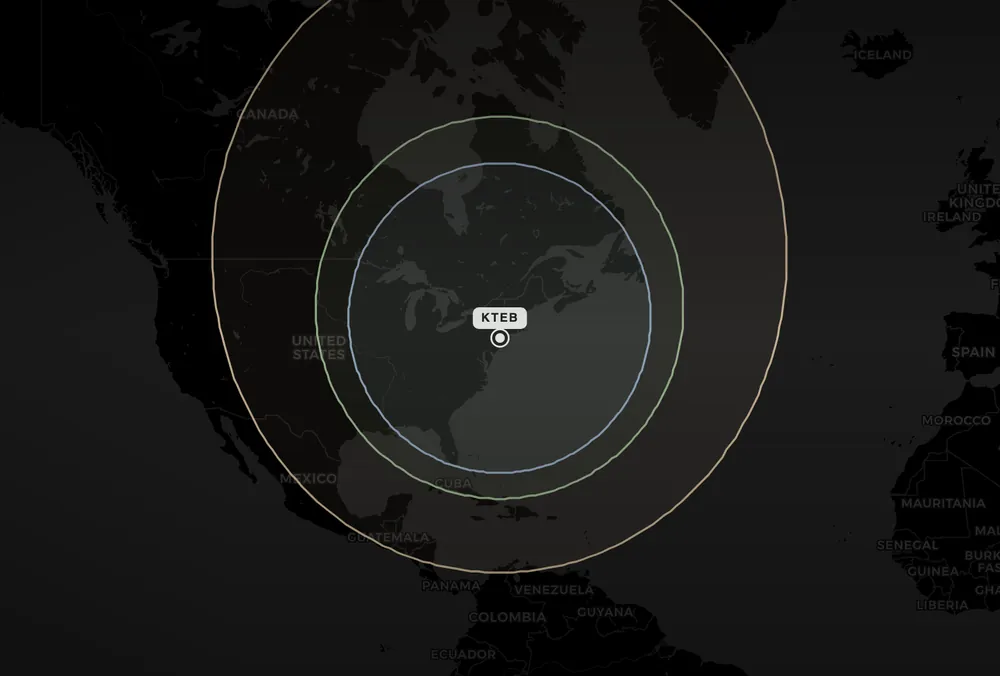
Try Range Explorer
See how far you can fly nonstop
Explore aircraft range, compare options, check flight times, and better understand which aircraft fits your trip.

Ready to fly to Opa-locka?
Request a charter and our team will tailor an itinerary for your next journey.
*Takes only about 40 seconds to request your quote.
