



Private jet tipping etiquette remains a common inquiry for first-time flyers exploring premium travel. A practical guideline is to tip approximately $50 to $200 per crew member per flight, adjusting for flight duration, service level, and overall complexity. While gratuity is entirely optional on a private jet charter, the appropriate amount directly reflects the personalized experience delivered. If you are building a comprehensive mission budget, our 2026 private jet charter cost guide provides helpful context on how flights are quoted across different aircraft categories.
In most domestic charter scenarios, pilots generally receive $50 to $100 each on shorter flights. On longer or more demanding itineraries, a gratuity of $100 to $200 per pilot is customary and appreciated. Flight attendants tend to receive between $100 and $300, depending heavily on the level of cabin service and itinerary personalization. For the most refined etiquette, presenting cash in a discreet envelope at the end of the final leg remains the standard practice, as digital transfers are highly uncommon in private aviation.
Private Jet Tipping Etiquette: The Simple Baseline
The purpose of a tip in private aviation varies significantly from traditional service industries. It is a private gesture that acknowledges excellence, effort, and professionalism, particularly when the crew enhances your journey in subtle ways. Because many crews are salaried professionals held to strict operational standards, tipping should never feel obligatory. It serves simply as a gracious token of appreciation for an elevated travel experience.
For charter clients, viewing tipping as a flexible range rather than a fixed rule provides the best approach. The ideal amount depends on factors like the length of the flight, the number of legs flown, and the degree of customized cabin service. A smooth flight with standard service naturally aligns with the lower end of common gratuity ranges. Conversely, a highly complex day involving intricate catering or last-minute schedule adjustments easily justifies a gesture at the upper end.
It is also important to note that not every charter includes a dedicated flight attendant. Many light jets and midsize aircraft operate with pilots only, while larger cabin aircraft feature a flight attendant by default. Your gratuity approach should naturally adapt to the actual crew onboard your specific flight. You can always ask your Amalfi Jets charter advisor what is customary for your selected aircraft and routing prior to departure.
How Much to Tip Private Jet Crew by Role
When wondering how much to tip private jet crew members, clients generally want to ensure their gesture is both appropriate and polished. The guidance provided below centers on domestic charter flying within the United States. It outlines practical ranges that aviation professionals recognize as standard, thoughtful expressions of gratitude.
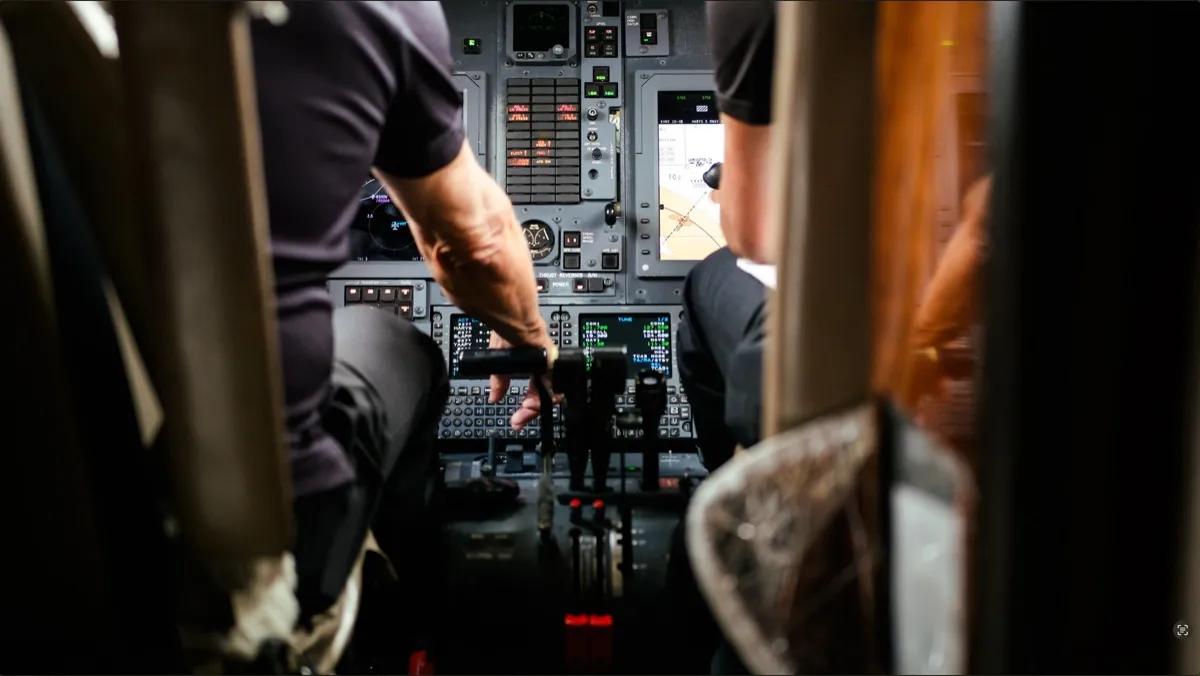
Pilots and captains manage far more than simply guiding the aircraft from departure to destination. They oversee passenger safety, weather planning, performance calculations, and ground team coordination, all while fiercely protecting your privacy. When considering how to tip pilot private jet professionals, $50 to $100 per pilot constitutes a standard gesture for a concise flight. For longer transcontinental routes, such as flying from Los Angeles to New York, $100 to $200 per pilot is a well-received acknowledgment of their extended focus.
Flight attendants frequently elevate the cabin experience from merely comfortable to truly exceptional. They coordinate specialized catering menus, anticipate personal preferences, and execute service with complete discretion. A standard gratuity for a flight attendant ranges from $100 to $300 per individual journey. The upper end is highly appropriate for tailored service, multiple travel legs, or large groups requiring continuous attention throughout the flight.
Ground teams at the Fixed Base Operator (FBO) provide essential logistical support before departure and immediately after arrival. They assist with baggage handling, coordinate rapid fueling, and seamlessly accommodate last-minute passenger needs. While tipping FBO staff is never required, offering $10 to $20 per person is an appreciated norm for dedicated hands-on assistance. A higher gratuity of $20 to $50 is fitting when the team manages heavy luggage in inclement weather or expedites an urgent departure window.
Group travel sizes also influence the expected gratuity structure based on the actual physical workload involved. Assisting a party of two with small carry-on items requires significantly less coordination than supporting a large family with extensive luggage and specific catering modifications. The objective is simply to match your monetary expression of gratitude to the distinct level of service and care delivered by the team.
Tipping on Charter Flight: When and How to Give Gratuity
Executing a tip gracefully on a charter flight relies heavily on timing and absolute discretion. Private aviation maintains a calm, sophisticated atmosphere, and the presentation of a gratuity should blend into that environment. Cash remains the preferred method, ideally placed in a refined envelope and handed quietly to each individual crew member. Some clients prefer presenting a single sealed envelope to the lead captain for internal distribution, which beautifully maintains an understated tone.
For a direct, single-leg itinerary, the most appropriate time to offer a tip is upon disembarking at your final destination. When navigating multi-leg days, presenting the private jet crew gratuity at the end of the final segment is standard, especially if the crew changes. If you are flying a multi-day itinerary with the identical crew, offering a tip after the outbound leg sets an excellent precedent. A final gesture at the conclusion of the entire journey then recognizes their consistent dedication to your comfort.
Passengers should note that digital payment applications are not a reliable standard within the private aviation sector. While select operators maintain internal systems for gratuities, you should never assume platforms like Venmo or Zelle are available on the ramp. If you strongly prefer traveling without cash, consult your charter advisor in advance to determine the operator's preferred alternative.
Whenever uncertainty arises, choosing a highly discreet approach is always the best course of action. A modest, well-presented envelope paired with a sincere verbal expression of gratitude is universally appropriate. This quiet professionalism is frequently remembered by crew members far more than an overly complicated or highly visible exchange.
Airport and Route Context for Los Angeles, New York, and Miami
Los Angeles, New York, and Miami represent some of the most frequently traveled private aviation corridors in the United States. These high-traffic markets feature deeply experienced flight crews and bustling FBO terminals, where small gestures for attentive service are universally understood. While tipping is never mandatory, understanding the specific operational dynamics of these hubs ensures a seamless travel experience.
In the Los Angeles area, Van Nuys (VNY) serves as a flagship private aviation gateway, alongside robust private operations at Los Angeles International (LAX). When an FBO team actively coordinates a rapid curb-to-cabin transition or manages tight turnarounds, $10 to $20 per person remains a polished standard. During challenging circumstances, such as weather disruptions or highly time-sensitive departure windows, an increased gratuity elegantly acknowledges their standout effort.
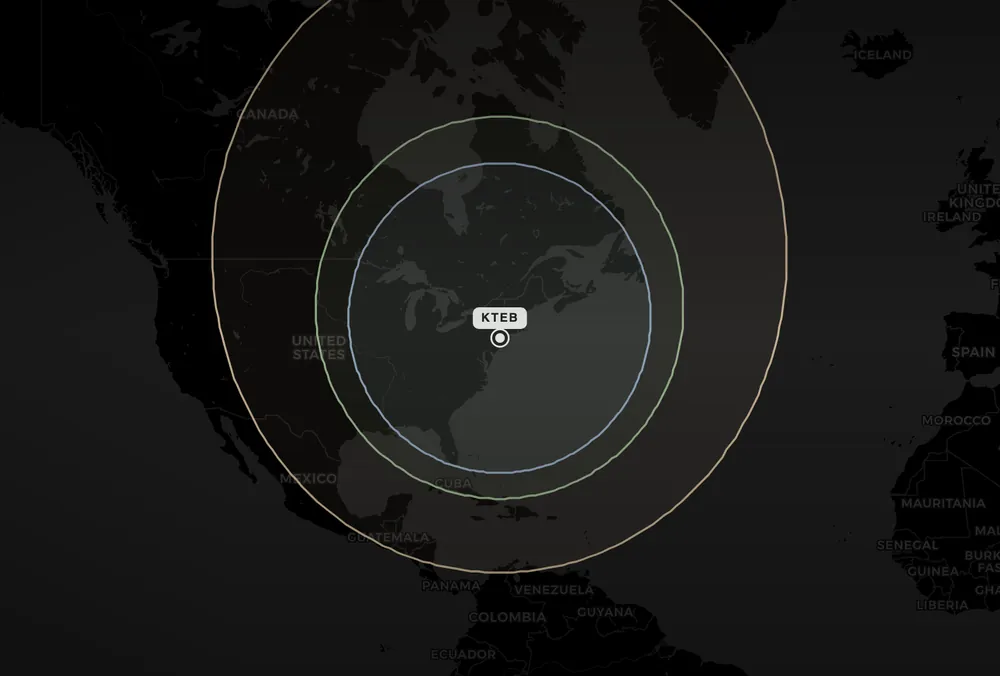
For flights operating in the New York region, Teterboro (TEB) acts as the primary hub, while John F. Kennedy International (JFK) also accommodates significant private traffic. Ground operations can become demanding during winter months, particularly when aircraft de-icing or late-night repositioning is strictly required. If the FBO team works efficiently through difficult freezing conditions to protect your schedule, a thoughtful gratuity of $20 to $50 reflects their critical support.
Operating out of Miami International (MIA) or Opa-locka (OPF) involves rapid operational turnarounds and exceptionally high service expectations. When ground staff move efficiently with luggage, coordinate exact vehicle positioning, or accommodate sudden schedule changes, a $10 to $20 tip per person is customary. For peak holiday demand periods or complex logistical requests, modest increases are warmly received by the dedicated local teams.
The total route distance also serves as a subtle driver of gratuity expectations among professional flight crews. A transcontinental journey heavily demands continuous attention, intricate operational planning, and an extended service window from all personnel. This increased operational workload is precisely why many clients naturally lean toward the higher end of typical pilot and attendant tipping ranges on longer transcontinental missions.
International Trips, Business Travel, and Discretion
The guidance provided above aligns closely with domestic customs, as private jet tipping etiquette varies significantly by global region. On numerous international itineraries, particularly throughout European airspace, tipping culture remains far more restrained than within the United States. When flying internationally, it is prudent to view gratuities strictly as an unexpected reward for truly exceptional service. You can always consult your dedicated charter advisor regarding the specific local customs of your target destination.
Corporate travelers must carefully balance their gratitude with internal corporate policies and firm compliance standards. If your organization maintains strict guidelines regarding commercial gratuities, adhering to those regulations is paramount. Should you wish to recognize exceptional crew care while traveling on behalf of a firm, using personal funds offers a discreet, compliant solution. Your advisor can easily confirm the most appropriate gratuity method accepted by the specific flight operator.
For repeat charter clients, maintaining a consistent and gracious approach builds tremendous goodwill with exclusive flight crews. Aviation professionals distinctly remember clients who regularly exhibit organization, respect, and clear communication. Offering a fair, professional gratuity stands as a simple yet highly effective way to elevate your flight experience over time.
Fly with Amalfi Jets: Polished Details, Seamless Service
As a premier charter broker, Amalfi Jets guarantees transparent quoting while meticulously sourcing the ideal aircraft for your specific mission. We grant clients access to thousands of safety-vetted private aircraft across all categories, ensuring complete and uncompromising flexibility. This tailored approach means the optimal jet for a flight to Miami may differ entirely from the ideal aircraft for a journey to New York. By actively managing these complex logistics and crew compositions, we allow you to focus entirely on your scheduled travel experience.
Tipping protocols naturally feel far more comfortable when the broader financial logistics of your trip remain fully transparent. Broad market hourly rates generally span roughly $1,500 to $20,000 or more, depending heavily on the aircraft class and specific operational requirements. To thoroughly understand the overarching cost structure before your flight, we invite you to review our 2026 private jet charter cost guide. You can then comfortably apply the tipping ranges discussed here as a final, complementary layer of your travel planning.
When you are prepared to secure your next flight, our team is ready to manage every essential detail from aircraft selection to ground transportation. We encourage you to visit /request-a-charter to begin crafting your personalized itinerary seamlessly. To learn more about our rigorous operator vetting and dedicated client support structure, please explore the /why-amalfi approach. For further industry insights and practical guidance regarding private aviation, you can also browse our latest /news updates.
Private Jet Tipping Etiquette FAQ
Do you tip on private jets?
You certainly can, but it is never a mandatory requirement for traveling passengers. Private jet crew gratuity remains completely optional, and flight crews maintain the highest professional standards regardless of a tip. Gratuities are simply reserved for gracefully recognizing exceptional service, smooth handling of operational complexity, or highly personalized cabin styling.
How much should you tip private jet pilots?
A customary gesture ranges from $50 to $100 per pilot for shorter, straightforward flights. For longer transcontinental journeys or days complicated by difficult weather systems, a tip of $100 to $200 per pilot is deeply appreciated. Adjusting toward the higher end of this scale serves as a naturally refined acknowledgment of tight scheduling and expert navigation.
Should you tip the flight attendant on a charter flight?
Tipping is a highly standard practice when a flight attendant is onboard, primarily due to the intensely service-oriented nature of their role. Clients generally offer between $100 and $300, depending on the length of the travel day and the sheer complexity of the cabin service. The exact amount should seamlessly reflect how customized the catering and personal attention were throughout the flight.
Should you tip FBO staff?
Tipping ground terminal staff is highly encouraged when they thoughtfully provide direct assistance with baggage handling or special logistical requests. A gesture of $10 to $20 per person is standard, with higher amounts gracefully reserved for teams managing difficult weather conditions or urgent turnarounds. If you do not require any hands-on assistance during your boarding process, skipping the ground gratuity is entirely acceptable.
What is the best way to tip private jet crews?
Offering exact cash inside a discreet envelope at the completion of your final flight leg remains the definitive industry standard. It elegantly maintains the sophisticated atmosphere of private aviation while directly rewarding the specific crew members who assisted you. If you strongly prefer using a digital transfer method, you must consult your advisor in advance, as these platforms are rarely supported by operators.