




There is no single annual flight hour total at which jet card programs become the right choice. At 10 hours, booking each trip individually deserves close consideration; at 25 hours, a funded arrangement becomes worth comparing; and at 50 hours, consistency may carry more weight. None of those figures is a universal break-even point.
The more useful question is what those hours need to accomplish. Your routes, booking notice, aircraft requirements, and comfort with a financial commitment can matter more than the annual total. A sound decision starts with your calendar, then examines which arrangement supports it.
Jet Card Programs and Private Jet Memberships: What Changes?
On-demand charter begins with an individual itinerary. You request a trip, review suitable aircraft options and complete charges, and approve the arrangements for that journey. A jet card typically involves prepaid funds or purchased hours, with subsequent bookings governed by the agreement.
Private jet memberships describe a broader category, so the terminology deserves careful attention. A private jet subscription may provide access or defined benefits rather than a balance of flight hours. The label “jet membership” does not, by itself, establish guaranteed availability, fixed charges, or unrestricted aircraft choice.
Our Private Jet Memberships Explained guide offers further context for these distinctions. Before comparing annual hours, establish what you are funding, how each trip reduces the balance, and which conditions still apply to individual bookings.
At 10 Hours a Year, Start With Individual Trips
If you expect to fly approximately 10 hours annually, on-demand charter is a useful starting point. It lets you evaluate each itinerary without maintaining a prepaid program balance and select an aircraft around that journey’s requirements. This can be particularly relevant when travel is occasional or difficult to predict.
Consider a calendar with a business trip, a family journey, and another departure that remains tentative. Committing funds around all three could leave part of the balance unused if plans change. Booking separately keeps the commitment tied to travel you actually intend to take.
Low usage does not automatically rule out a card, however. If your few departures are particularly time-sensitive, contractual access provisions may matter more than the number of hours flown. Confirm that those provisions apply to your dates, departure points, and booking notice before assigning them value.
At this level, compare complete charter proposals with the funding requirement and obligations of the alternative. Cancellation terms, aircraft suitability, and the treatment of unused funds deserve attention alongside the booking process. Avoid assuming that every purchased hour will necessarily be used.
At 25 Hours a Year, Compare Commitment With Convenience
At approximately 25 annual hours, a funded arrangement warrants a closer look. That does not make the figure a financial threshold or a recommendation to prepay. It simply provides a useful scenario for assessing whether repeat bookings justify an ongoing commitment.
Start with the confidence of your forecast. A recurring business itinerary may be easier to estimate than travel shaped by changing destinations, passenger groups, and personal plans. If expected usage remains uncertain, expiration and refund provisions deserve as much attention as convenience.
Next, examine aircraft flexibility. A traveler who alternates between shorter journeys and longer trips should understand whether categories can change and how those changes affect the balance. A consistent booking process has limited value if the available choices do not suit the itinerary.
For some travelers, the appeal of jet card programs at this level is administrative rather than purely financial. A standing arrangement can simplify repeat requests when its conditions fit the schedule. On-demand charter remains a valid alternative for those who prefer to review aircraft and complete proposals independently each time.
At 50 Hours a Year, Look for Repeatability
At approximately 50 annual hours, booking procedures and access conditions may affect more departures across your calendar. That makes a detailed comparison worthwhile, but it does not make a funded arrangement automatically preferable. The pattern of travel remains central.
Two travelers can accumulate the same hours while needing very different solutions. One may repeat a familiar route with substantial notice, while another frequently changes destinations and departure times. The same agreement may serve those schedules very differently.
Look closely at the circumstances you encounter most often. If meetings regularly move, change and cancellation provisions become particularly important. If several trips fall on designated peak days, the terms for those dates may matter more than the standard booking conditions.
On-demand charter can still fit at this usage level, especially when passenger needs and aircraft requirements vary. Compare the potential consistency of a funded structure with the flexibility of selecting an aircraft for each journey. Fifty hours should deepen the review, not settle the outcome.
Guaranteed Availability, Peak Days, and Flexibility
Treat guaranteed availability as a contractual provision rather than an unrestricted promise. Establish the required booking notice, applicable service area, and whether the commitment concerns an aircraft category rather than a particular model. Ask how substitutions are handled and what the agreement provides if the expected arrangement changes.
Peak-day terms require equally close attention. Identify the designated dates, any additional notice requirements, and the consequences of changing or canceling a trip. Do not assume that the standard access provision applies unchanged to your most important departures.
Flexibility also matters after a booking is confirmed. You may need to move a departure, change airports, or adjust the passenger group. Understand how those requests affect aircraft suitability, availability, and the complete trip charges before committing funds.
Annual Flight Hours Are Not Always Billable Hours
Planning scenarios at 10, 25, and 50 hours describe expected annual travel, not necessarily the amount deducted from an account. Before comparing a proposed balance with your calendar, establish how usage is measured. Airborne time, billable time, and minimum charges should not be treated as interchangeable.
An hourly figure alone cannot describe the complete financial commitment. Ask how taxes, positioning, airport charges, minimum billable time, and applicable change or cancellation charges are handled. Compare complete proposals for representative trips rather than multiplying a headline rate by your estimated annual hours.
Unused balances are another part of the calculation. Establish whether funds or hours expire, whether refunds are available, and which conditions apply. An arrangement that fits your forecast may look different if your travel needs change substantially.
New York and Miami: Compare TEB and OPF Itineraries
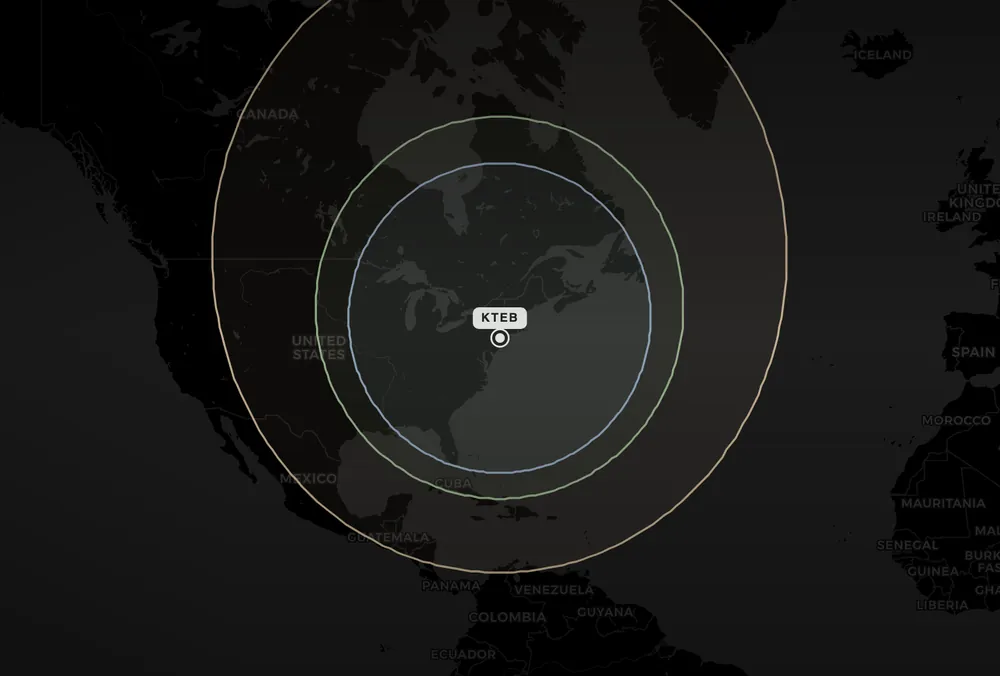
For New York travelers considering Teterboro (TEB), a representative journey to Miami Opa-locka Executive (OPF) can provide a useful comparison. Review the same passenger requirements, travel dates, and scheduling assumptions under both booking approaches. This keeps the assessment focused on your intended trip rather than a generic annual flight hour calculation.
Then test what happens when the itinerary changes. A different departure time, an additional passenger, or a revised return date may reveal distinctions that the initial proposal does not. Airport selection should also reflect your final destination and the wider itinerary, rather than become a fixed assumption.
Los Angeles, Dallas, and Chicago: VNY, ADS, and PWK
Los Angeles travelers considering Van Nuys (VNY) may have schedules that alternate between regional and transcontinental journeys. That variation makes aircraft category flexibility an important question. Assess any proposed arrangement against both types of travel, not only the itinerary that makes it look most favorable.
For Dallas travelers considering Addison (ADS) and Chicago travelers considering Chicago Executive (PWK), the same principle applies. Representative journeys to New York or Miami can help reveal whether a standing arrangement fits the broader calendar. Keep passenger needs, scheduling expectations, and final destinations consistent when comparing options.
These city and airport examples are starting points, not assumptions about flight duration or aircraft suitability. The proposed aircraft, routing, and travel dates belong in each assessment. Your annual total becomes more useful when it is connected to identifiable journeys.
Jet Card vs Charter: Compare the Same Travel
The clearest jet card versus charter comparison uses identical representative itineraries. Choose a routine journey, a trip with different aircraft requirements, and a departure with less notice than you usually prefer. Reviewing each scenario under both arrangements makes practical differences easier to recognize.
For each trip, compare complete charges, booking deadlines, and the aircraft commitment. Then examine what happens if you move the departure or cancel. This gives flexibility and access the same attention as the initial financial obligation.
Your preferred way of managing travel also matters. Some travelers value a standing account and defined booking structure, while others prefer to approve each aircraft and itinerary separately. Our Private Jet Charter vs. Jet Card guide explores that decision further, but neither approach is inherently better for every calendar.
Where Amalfi Jets Fits Into Your Decision
Amalfi Jets is a charter broker, not an aircraft operator or a jet card program provider. We arrange charter flights with operating carriers, which are responsible for conducting the flights. Our role is to help align your itinerary and aircraft requirements with suitable charter options.
If you are reviewing the Amalfi One page alongside other arrangements, apply the same questions about funding, access, booking notice, aircraft categories, and unused balances. A page title or program name should not replace a close reading of the applicable agreement. The decision rests on what the terms provide for your travel.
Begin with your expected journeys rather than a preferred product label. A practical assessment should distinguish the booking arrangement, the contractual commitments, and the party responsible for operating the flight. That clarity makes the comparison more useful at every annual usage level.
Choose Around Your Calendar, Not a Threshold
At 10 hours, begin with the flexibility of booking trip by trip. At 25 hours, compare that flexibility with the commitment and convenience of a funded arrangement. At 50 hours, give greater attention to repeatability while keeping on-demand charter in consideration.
Jet card programs make sense only when their terms suit the travel you expect to take. Availability conditions, aircraft fit, booking notice, and the treatment of your funds can be more consequential than reaching a particular annual total. Leave room in the decision for the changes your calendar may require.
Request a charter with Amalfi Jets and share your expected annual hours, usual departure airports, and representative itineraries. Our team can help you evaluate suitable charter options and identify the practical questions to weigh against any funded arrangement you are considering. Start with the journeys that matter, then choose the booking approach that fits.