




Private Jet Market 2026: What Is Driving Demand in Q4
For travelers assessing the private jet market 2026 outlook, the central question is how changing demand translates into aircraft availability and a complete charter proposal. Post-pandemic normalization does not necessarily mean a return to earlier travel patterns, nor does it guarantee easier booking or lower costs. For fall and Q4 travel, the most useful perspective connects broader market considerations to the specific journey you need to arrange.
Business priorities, passenger requirements, available aircraft, and operating logistics all influence that journey. Their importance varies whether you are departing from Los Angeles, New York, Miami, or Dallas, or planning travel involving London. A national market headline cannot tell you whether the right aircraft will be available for a particular airport pair and departure window.
Amalfi Jets approaches these decisions as a charter broker, comparing aircraft options from vetted operators against your requirements. The aim is to identify a suitable aircraft and a workable itinerary while making the proposal’s assumptions clear. Flight operations remain the responsibility of the selected operator.
What Post-Pandemic Normalization Means for Travelers
Normalization is a useful framework, but it should not be mistaken for a uniform description of every part of private aviation. Moving beyond an exceptional period of travel disruption can change purchasing behavior without removing the reasons people consider private flying. Schedule control, privacy, and the ability to connect several commitments remain relevant to the decision.
It is also important to distinguish overall business aviation activity from on-demand charter demand. Corporate flight departments, fractional operators, and charter operators serve different requirements, and their activity need not move together. An industry-wide trend therefore does not establish availability for a particular aircraft category, airport, or travel date.
For your planning, the implication is straightforward. You must compare the options for your actual itinerary rather than relying on a broad description of the market. A flexible trip may present several suitable alternatives, while a fixed arrival time or specific cabin requirement can narrow the search. Normalization does not remove the need for careful aircraft matching.
Private Aviation Market Trends: Productivity and Schedule Control
Productivity helps explain why business travelers continue to evaluate private charter. When an itinerary includes multiple meetings, several cities, or commitments that cannot easily move, the value of the journey depends on how well it supports the working schedule. Transportation becomes part of a broader decision about time and coordination.
Airport selection belongs in that decision. The most suitable airport is not automatically the most familiar one, but rather the location that works with the aircraft, operating requirements, and final destination. Ground transportation should be assessed separately, because a nearby airport does not guarantee a predictable transfer.
A useful charter brief begins with the purpose of the trip. A fixed arrival commitment, a flexible return date, and a multi-city schedule each create a different sourcing challenge. Establishing those priorities early helps distinguish essential requirements from preferences that can be adjusted.
Private Jet Demand 2026: More Selective Travel Decisions
Private charter demand is better understood through different traveler needs than through an assumption that everyone is flying more. An executive traveling alone may place particular value on airport access and departure flexibility, while a group may need a different cabin arrangement or more baggage capacity. A transatlantic itinerary introduces additional questions about routing and whether a nonstop mission is practical.
Financial conditions can also influence the willingness of individuals and businesses to charter. Corporate performance, personal priorities, and the perceived value of schedule control may affect how often travelers fly and which aircraft they consider. Those influences do not support a single prediction for every customer or market.
Selectivity makes aircraft matching especially important. Choosing more aircraft than the mission requires can change the economics, while an unsuitable category can introduce compromises in capacity or routing. The objective is to find an aircraft that serves the journey, not to make the largest available cabin the default choice.
Private Aviation Industry 2026: Why Supply Still Matters
Demand is only one side of the availability equation. Aircraft delivery schedules, maintenance requirements, and the availability of aircraft for charter can affect how readily supply responds to a request. A broader change in the aircraft market does not automatically create an available aircraft at your preferred airport.
Crew scheduling and positioning introduce further considerations. An aircraft may fit the mission but be unavailable during the required window, or it may need to travel from another location before your trip begins. These details can affect both the proposed schedule and the total cost.
Our private jet aircraft categories resource provides a starting point for comparing cabin types and mission requirements. Passenger needs, baggage, and routing help narrow the selection, but suitability and availability still require itinerary-specific assessment. As a broker, Amalfi Jets sources aircraft from operators rather than offering an Amalfi-owned fleet.
Charter Market 2026: What Demand Means for Pricing
Changes in demand can influence the options available to you, but they do not determine a charter quote on their own. Aircraft suitability, positioning, crew arrangements, and the complete itinerary remain important. Two similar-looking proposals may reflect different operational assumptions.
Aircraft resale values and charter costs also describe different transactions. A softer market for pre-owned aircraft does not automatically produce a proportionate reduction in the cost of arranging a flight. The expenses and scheduling requirements associated with your particular mission still need to be considered.
Your proposal may include aircraft time, positioning, fuel adjustments, crew logistics, taxes, and airport charges. A lower headline hourly figure is not necessarily the lower complete-trip cost. The useful comparison is between proposals that cover the same passenger requirements, airport pair, timing, and included services.
The 2026 private jet charter cost guide helps frame the distinction between general planning information and a mission-specific proposal. Before approving a charter, establish what time is billable, which positioning assumptions apply, and what operational items are included. These questions are more actionable than trying to infer your quote from a single industry trend.
The return journey deserves the same attention as the outbound flight. A longer stay, a different return date, or a change of airport can alter aircraft and crew arrangements. Comparable alternatives make those trade-offs easier to evaluate.
Sustainability Pressures and Itinerary-Specific Costs
Environmental considerations can influence private aviation decisions through corporate travel policies, fuel arrangements, and applicable regulation. Their relevance depends on the itinerary, jurisdiction, and operator. They should not be presented as one standard charge applying to every charter.
For travel involving Europe or the United Kingdom, ask which taxes, fuel-related items, or environmental charges are reflected in the proposal. Sustainable aviation fuel arrangements and passenger taxes are separate considerations, and neither should be assumed to have identical treatment across different trips. The applicable details require confirmation for the proposed journey.
A clear proposal should distinguish included costs from potential additional items. If an operator offers an environmental option, ask what it covers and how it is documented. Specific explanations are more useful than broad claims about the environmental effect or cost of every flight.
Los Angeles VNY and New York TEB: Airport Choice and Availability
For Los Angeles travel, Van Nuys Airport (VNY) is a relevant starting point for private charter planning. Its suitability for your trip still depends on the selected aircraft, operating requirements, and where you need to go after arrival. Airport choice should support the entire itinerary rather than simply follow a familiar code.
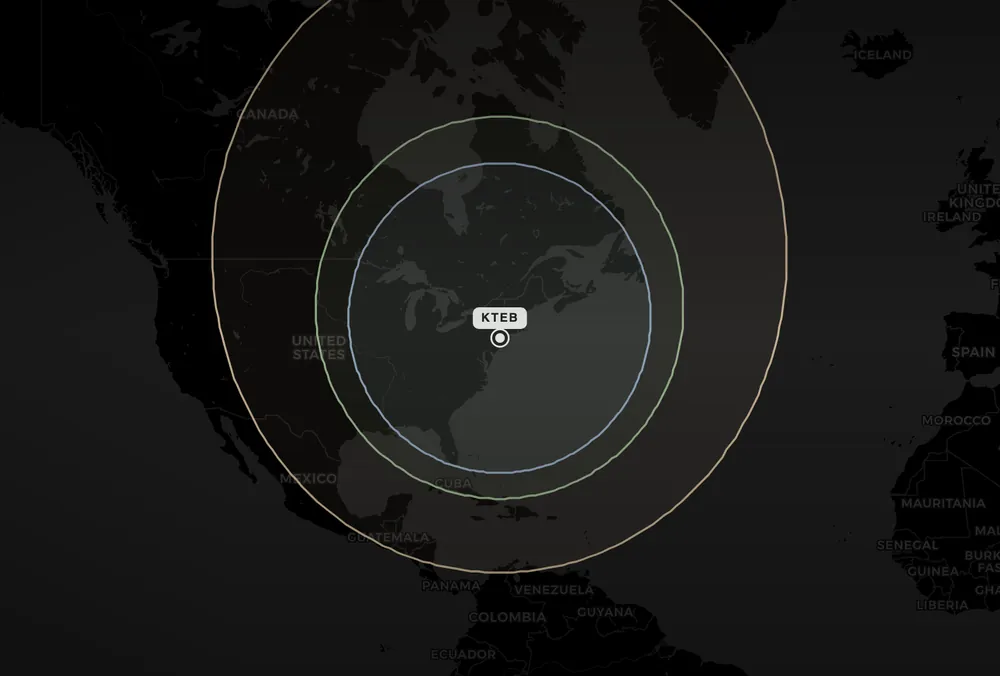
For New York, Teterboro Airport (TEB) is an important option to consider for travelers heading to Manhattan and the surrounding area. Your final destination, ground arrangements, and requested operating window belong in the assessment. Aircraft availability must be established for the actual dates rather than inferred from the airport’s role in business aviation.
In both cities, comparing aircraft options requires more than identifying the departure airport. Local availability and repositioning can change which proposal best fits your schedule. Keeping the arrival commitment clear while allowing reasonable flexibility elsewhere can broaden the search.
Miami OPF and Dallas DAL: Matching Aircraft to the Trip
Miami Opa-locka Executive Airport (OPF) offers a South Florida business aviation option, while Dallas Love Field (DAL) is relevant to charter planning in Texas. These locations help define the initial search but do not establish which aircraft will be available. The passenger count, baggage requirements, and operating window remain central.
Ground travel also deserves a realistic assessment. Traffic, weather, and the location of your final destination can affect the journey beyond the airport. A useful itinerary considers those variables without promising a transfer duration before the arrangements are established.
For trips connecting Miami, Dallas, or other business centers, the aircraft category should follow the mission. A short stay, a multi-city schedule, and an extended visit can lead to different aircraft and crew arrangements. Comparing those structures helps explain why seemingly similar journeys may receive different proposals.
London LHR: Confirm the Airport Strategy First
London Heathrow Airport (LHR) should be treated here as a commercial-airport reference point, not as an assumed private charter arrival solution. A London itinerary requires its own airport assessment based on the proposed operation and onward destination. Any private aviation arrangements involving Heathrow need flight-specific confirmation before they become part of the agreed itinerary.
For transatlantic travel, a city-pair label alone does not establish aircraft suitability. Passenger load, baggage, winds, routing, and runway conditions can affect whether a nonstop journey is practical. The relevant operator must assess the proposed aircraft against the actual mission.
London-related planning should also account for applicable taxes and the return journey. A change in the departure airport or travel date can alter the operational structure of the charter. Considering those options together produces a more useful comparison than evaluating the outbound flight in isolation.
Fall 2026 and Q4: Plan for Variation, Not a Universal Surge
A practical fall 2026 outlook recognizes that availability can vary by airport, date, and aircraft category. Economic conditions, geopolitical developments, and operational disruption may affect travel decisions or sourcing options. None of these elements supports a confident forecast that every market will become busier or quieter at the same pace.
Holiday periods and major events can create pressure around specific travel windows. That is a reason to assess availability early, not evidence that every Q4 itinerary will carry an additional charge. Your exposure depends on how fixed your requirements are and what alternatives you can accept.
September and October provide a useful opportunity to review late-year commitments and identify the least flexible journeys. There is no universal booking deadline for every charter request. Larger groups, transatlantic travel, and multi-city trips can benefit from additional time to compare suitable options and clarify arrangements.
Fall weather and later-season deicing may also become relevant to particular operations. Those considerations belong in a flight-specific assessment alongside routing and airport conditions. Flexibility in departure windows and return arrangements can help accommodate changing circumstances without relying on a fixed promise about journey duration.
What to Clarify Before Approving a Charter
Begin with the requirements that cannot easily change, such as passenger count, baggage, airport pair, and arrival commitment. Then establish whether nonstop travel is essential and whether the departure time, return date, or aircraft category can vary. A clear brief makes proposed alternatives easier to evaluate.
Next, examine the economics of the complete trip. Ask what positioning is assumed, which taxes and airport charges are included, and how crew logistics are handled. Any relevant environmental or fuel-related items should be explained alongside the other costs.
Finally, review change and cancellation terms before committing. A proposal that fits the initial itinerary still needs to be understood in the context of possible schedule adjustments. The operational assumptions deserve the same attention as the cabin because both affect how well the charter serves your plans.
Arrange Your Q4 Travel Around the Mission
The private jet market 2026 outlook is most useful when it helps you make a better itinerary decision. Demand, supply, and pricing interact, but your outcome depends on the available operator aircraft, the trip requirements, and the terms of the complete proposal. Careful comparison turns those variables into practical choices.
At Amalfi Jets, our team compares vetted operator options and helps coordinate the charter arrangements around your requirements. We keep the discussion focused on a suitable aircraft, a workable schedule, and a proposal you can evaluate with confidence. To plan your fall or Q4 journey, start a charter request with Amalfi Jets and share the commitments your itinerary needs to support.