



Private Jet Game Day Travel Starts With the Itinerary
Private jet game day travel works best when the entire itinerary is built around your time on campus. For alumni, families, and executive guests planning a November 2026 rivalry weekend, kickoff is only one milestone in a journey that also includes airport arrival, ground transportation, stadium entry, and the return home.
Private charter allows a group to request a schedule around its priorities, subject to operational requirements and aircraft availability. The most considered plan connects those preferences with suitable airports, confirmed handling arrangements, and a realistic return window before departure times are finalized.
Whether your group begins in New York, Chicago, or Dallas, start with the experience you want in Columbus or Ann Arbor. Confirm the event date, host venue, and announced kickoff before committing to travel arrangements, especially as plans develop toward conference championships.
Work Backward From Your Campus Arrival
Begin with when you want to reach campus rather than when you want the aircraft to arrive. Guests meeting friends before the game need a different schedule from a group heading directly to its seats, and both need time for traffic, walking, and entry procedures.
Work backward through the campus transfer, arrival at the FBO, and departure from your origin airport. Keep those milestones separate in the itinerary so that an aircraft arrival time is never mistaken for a stadium arrival time.
The return deserves the same attention at the outset. Staying through the final moments, joining a gathering afterward, or departing campus promptly creates different requirements for the aircraft, crew, and ground transportation.
November 2026 Rivalry Travel: Columbus OSU and Ann Arbor ARB
Columbus and Ann Arbor require separate airport assessments, even when they appear in the same rivalry conversation. Confirm which campus is hosting your chosen event before comparing access options, and avoid treating either airport as a default destination for every November weekend.
Ohio State University Airport (OSU) is an option to assess for a Columbus campus itinerary. Its suitability depends on the proposed aircraft, passenger and baggage requirements, handling arrangements, parking, and the intended operating window, not simply its position on a map.
Ann Arbor Municipal Airport (ARB) requires its own aircraft and itinerary review. The selected operator must assess whether the proposed aircraft can support the trip, while passenger services, parking, and ground transportation need separate confirmation.
Neither airport code establishes that your preferred arrival or departure can be accommodated. A sound plan identifies an appropriate alternative if the preferred airport cannot support the complete journey.
Choose the Airport and Aircraft Together
The nearest airport is not automatically the most useful airport for your group. Aircraft performance, runway suitability, passenger count, baggage, weather, and applicable operating restrictions all influence the decision.
Airport and aircraft selection should therefore develop together rather than as separate reservations. A larger cabin may suit the group’s preferences while changing which airports are appropriate, and a tightly defined return window may introduce additional constraints.
The itinerary should also identify the exact fixed-base operator, or FBO, where passengers will meet the aircraft. Our guide to FBOs and the private-terminal experience explains this distinction, detailing how the facility supports the airport visit while the selected aircraft operator remains responsible for operating the flight.
Departing New York TEB, Chicago PWK, and Dallas DAL
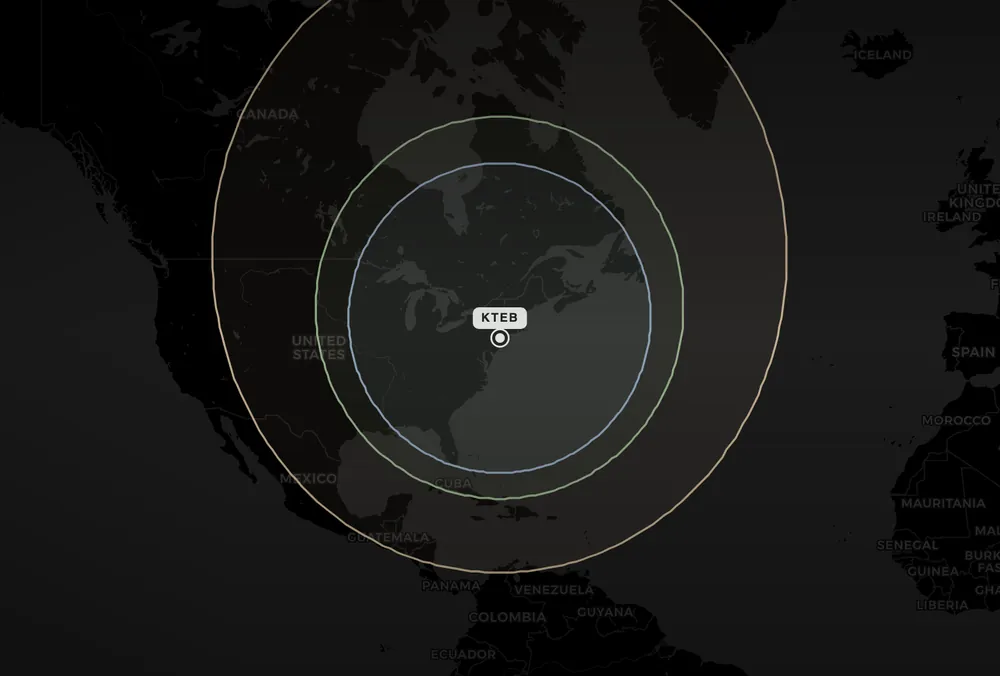
For travelers beginning in the New York area, Teterboro Airport (TEB) is an origin option to assess against the group’s gathering point and onward itinerary. Confirm the assigned FBO and meeting instructions rather than sending passengers or drivers to the airport name alone.
Chicago Executive Airport (PWK) deserves the same itinerary-specific review for a Chicago departure. The preferred arrangement should account for where guests are starting, the aircraft under consideration, and the destination’s handling and parking requirements.
Dallas Love Field (DAL) is another origin option for a Dallas group. Passenger instructions should include the confirmed facility, meeting time, and ground-access details once those arrangements have been established.
Across all three markets, consistency matters more than choosing a familiar airport code. One shared itinerary helps ensure that guests, drivers, and the charter team are working from the same departure and return instructions.
Small Airports Need an Event-Specific Plan
Smaller airports near campuses can offer a convenient arrival experience, but event traffic still has to fit within their operating capabilities. Ramp space, aircraft parking, handling resources, and any applicable arrival procedures need to be reviewed for the actual date and schedule.
An accepted arrival does not necessarily establish that the aircraft can remain parked throughout the game. The operator and handling facility need to determine whether the aircraft can stay, requires another arrangement, or needs a revised schedule to support the requested return.
Ask whether any event-specific reservations, notices, or restrictions apply to the proposed itinerary. These should be treated as questions for confirmation, not assumptions about how a particular airport handles every rivalry weekend.
November weather also belongs in the planning conversation. Conditions may affect aircraft performance, de-icing needs, airport access, or ground movement, so the itinerary should allow for a review closer to departure rather than rely on a favorable forecast far in advance.
Match the Aircraft to the Entire Group
Passenger count begins the aircraft search, but it does not complete it. Baggage, cabin preferences, route requirements, airport suitability, and the group’s return plans all influence which aircraft category merits consideration.
Share realistic baggage expectations early, including overnight bags and any larger items that guests intend to bring. A seating arrangement that accommodates everyone still needs to work for the group’s belongings and the operational requirements of the route.
Our aircraft category guide provides context for comparing cabin types and baggage considerations. A recommendation should follow the specific trip requirements and operator assessment rather than a promise of a particular model before those details are settled.
If some guests want to return the same day while others intend to stay, address that difference before the itinerary is finalized. Resolving it early helps avoid building a plan that serves the headcount but not the people behind it.
Make the Campus Transfer Part of the Plan
The journey from the FBO to campus deserves the same attention as the flight. Arrange transportation in advance, provide the confirmed facility details, and establish a destination that is more precise than the name of the university or stadium.
An ordinary drive estimate should not become a game-day commitment. Event traffic, road controls, pedestrian routes, and campus access arrangements can change the transfer, so the schedule needs an appropriate buffer and confirmed drop-off instructions.
The return pickup should be equally clear before guests enter the stadium. Agree on a meeting location, nominate a group contact, and make sure the driver understands how updates will be communicated if the event or campus departure runs later than expected.
Planning a Private Jet to Rivalry Game Weekends
For a group considering a private jet to rivalry game travel, the same-day return is often the most demanding part of the request. The final whistle begins another sequence of walking, meeting the vehicle, leaving campus, and returning to the FBO before the departure process can continue.
Private jet game day travel should account for that full sequence rather than an assumed game finish alone. A schedule that leaves no room for overtime, departing crowds, or a delayed pickup may not match the experience your group wants.
The selected operator must also assess crew duty limits and the aircraft’s operating plan. Airport restrictions, handling access, parking arrangements, and weather remain relevant even when every passenger is ready to leave.
Treat a same-day turnaround as a planning objective rather than a guarantee. If staying until the end is the priority, consider whether an overnight itinerary provides a better fit before committing to a return window.
Review the Complete Charter Scope
The flight itself is only one element of an event-day charter proposal. Aircraft positioning, billable time, handling, airport charges, taxes, crew logistics, and parking arrangements may affect the scope of the trip and should be understood before a decision is made.
Our 2026 private jet charter cost guide explains why the complete itinerary matters more than an isolated hourly figure. It offers useful context when considering the implications of a same-day return versus an overnight stay without assuming that either structure will suit every group.
Compare proposals against the same passenger needs, airport assumptions, and return expectations. Ask what is included, what remains subject to confirmation, and how a change in the itinerary would be addressed.
Keep One Coordinated Itinerary
Before departure, every guest should receive one clear itinerary with the confirmed airport, FBO, meeting instructions, and ground-transfer arrangements. It should also cover the intended campus arrival, postgame pickup, return window, and the person to contact if plans change.
Review passenger count, baggage, aircraft suitability, parking, operating arrangements, and weather considerations together. A change to the return time may also affect the driver, crew plan, or handling facility, so it should be assessed across the whole journey.
As rivalry weekends give way to conference championships, apply the same process to each new trip. A different venue calls for a fresh review of airport options, campus or stadium access, and return feasibility rather than a simple reuse of the previous itinerary.
Plan Your Rivalry Weekend With Amalfi Jets
Amalfi Jets is a charter broker, sourcing aircraft options through third-party operators rather than operating aircraft itself. We bring the aircraft search and travel coordination into one planning conversation, with operational suitability assessed by the selected operator.
Share your preferred event, departure city, passenger count, baggage needs, and return expectations when discussing private jet game day travel with our team. Together, those details provide the foundation for an itinerary that gives your departure, time on campus, and journey home the attention each deserves.