



Wondering what to expect at a private jet FBO? Your visit generally follows a coordinated sequence: arrive at the assigned facility, meet your contact, complete the applicable checks, and board when the aircraft and departure arrangements are ready.
For a first-time passenger, the unfamiliar details often happen before boarding. Knowing which entrance to use, who will handle your bags, and when to approach the aircraft makes the experience easier to navigate. Amalfi Jets helps coordinate those details as your charter broker, working with the aircraft operator and the other parties involved in your trip.
What to Expect at a Private Jet FBO Before You Leave
An FBO, short for fixed-base operator, is an airport business that provides ground services for aircraft, crews, and passengers. It is not simply a lounge, and it is distinct from the aircraft operator conducting your flight. Our companion guide to what an FBO is and how it works explains that broader role.
For your first visit, the most important distinction is practical: you are traveling to a particular facility within an airport, not necessarily to its commercial terminal. Review the FBO name, street address, passenger entrance, and requested arrival time before leaving home or your hotel. Share those same details with your driver, since an airport code alone may not identify the correct entrance.
Keep your trip contact’s details accessible and confirm which identification and travel documents you need. Discuss baggage, mobility needs, ground transportation, and any workspace requirements in advance. Essential arrangements should be confirmed for your visit rather than assumed to be available.
Arriving at a Private Jet FBO for the First Time
If you are visiting a private jet terminal for the first time, follow the entrance instructions in your itinerary rather than looking for a commercial departures hall. Depending on the facility, you may be directed to a passenger reception area or a designated vehicle entrance. Contact your trip representative if the entrance is unclear instead of trying another access point.
A facility representative or crew member will typically help connect you with your flight. Have your name, trip details, and required documents ready for the applicable checks. The sequence depends on the airport, FBO, aircraft operator, and itinerary.
Private travel does not remove identification, security, or operating requirements. The process may feel more personal than a commercial terminal, but you should not expect to bypass every check or proceed directly to the aircraft. Follow the instructions established for your departure.
Baggage Handoff and What to Keep With You
Baggage handoff is usually part of the coordinated arrival process. A facility or crew representative can explain where to place your bags and how they will reach the aircraft. Wait for that guidance rather than carrying them toward the ramp yourself.
Tell your charter team in advance about items that require particular handling or could affect aircraft suitability. Keep passports, identification, and other required documents accessible while your baggage is being handled. If you need an item before boarding, clarify whether it should remain with you.
Inside the FBO Lounge: What May Be Available
Your FBO experience may include time in a passenger lounge while departure preparations are completed. Depending on the facility, amenities may include seating, refreshments, Wi-Fi, workspaces, or meeting rooms. Availability and access terms vary, so none should be treated as universal.
If a private business call or meeting matters to your schedule, raise it before travel. A shared passenger lounge is not necessarily a confidential workspace, and a separate room may require an arrangement of its own. Ask your trip contact to clarify what can be accommodated.
The lounge is a place to wait if needed, not a mandatory stop of a fixed length. Your time there depends on aircraft readiness and the requirements of your itinerary. Plan around the arrival instructions you receive, not a promised waiting time.
From the Lounge to the Ramp and Aircraft
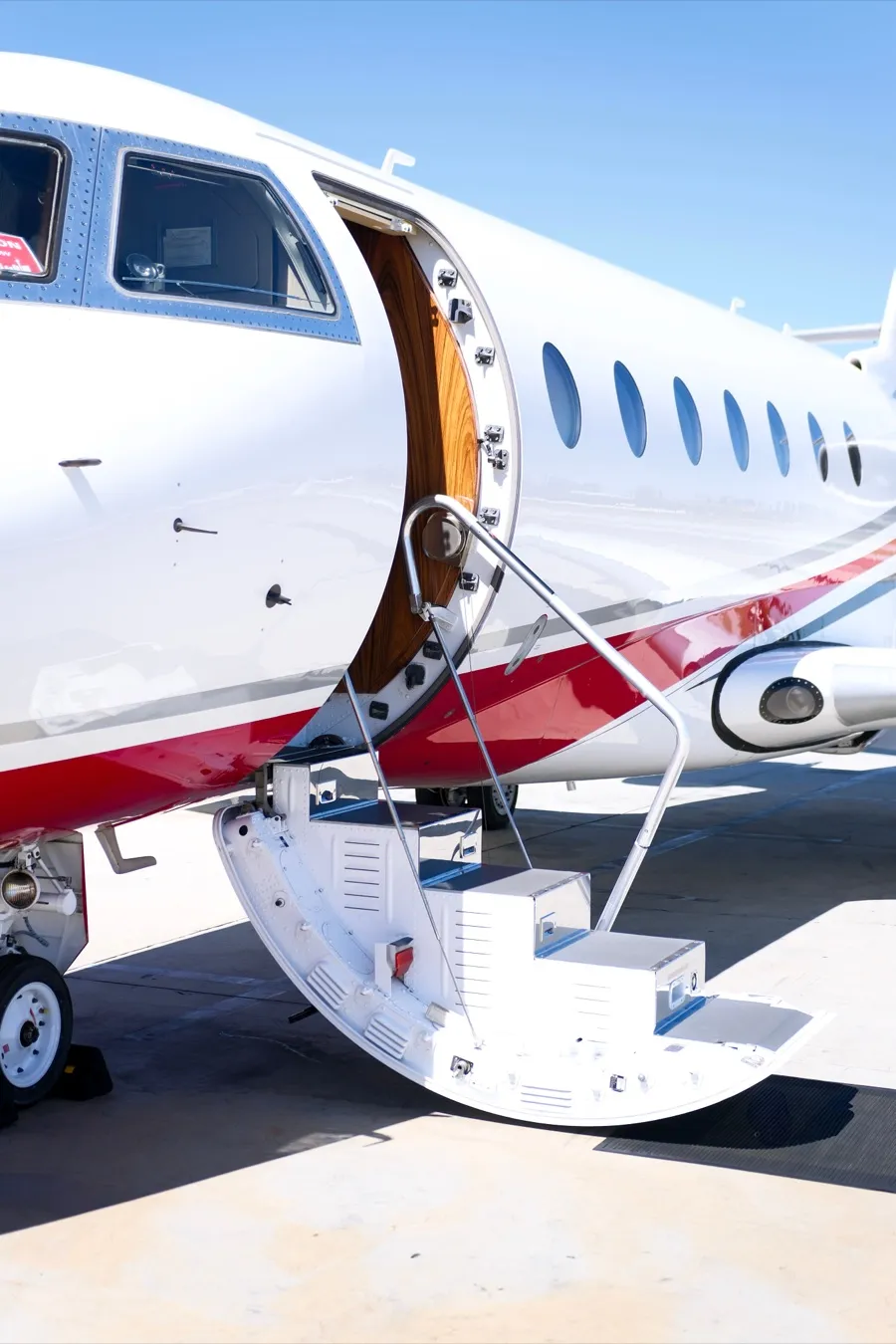
The ramp is the aircraft parking and ground service area, where passenger access follows the facility’s procedures. When boarding is ready, a crew member or facility representative may escort you or provide specific directions. Seeing your aircraft outside does not mean you should walk toward it independently.
The transfer from the building to the aircraft varies by facility and operating arrangements. Follow instructions about where to wait, which route to take, and when to move. Vehicle access beside the aircraft should never be assumed.
Once aboard, follow the crew’s guidance for seating, belongings, and the safety briefing. A coordinated ground experience still operates within applicable safety and departure requirements. If the plan changes, your contact can explain the next step.
How the FBO Experience Differs From a Commercial Terminal
The principal difference is that your visit is organized around an individual trip and its assigned facility. Rather than navigating public ticketing areas and commercial departure gates, you follow instructions connected to your aircraft operator and FBO. That makes the facility name and your trip contact especially useful.
Think of this as a different process, not an absence of process. Identification, security, customs, immigration, and other applicable requirements still matter. Do not base your plans on an assumption that every departure is immediate or that screening never applies.
Your requested FBO arrival time and scheduled departure time are separate details. Ask for both when organizing your ground transportation. If this is your first time flying private, that distinction is more useful than a general arrival rule borrowed from commercial travel.
Arriving at an FBO After a Domestic Flight
After landing, follow the crew’s instructions for leaving the aircraft and reaching the passenger area or transportation meeting point. Baggage transfer and vehicle coordination depend on the facility’s procedures. Your driver may need to wait at a designated pickup location rather than beside the aircraft.
Give your driver the destination FBO name and confirmed meeting point, not simply the airport name. Keep your trip contact available in case the facility assignment or pickup arrangements change. A precise handoff helps the ground journey continue smoothly.
Customs and Immigration for International Flights
International travel requires advance coordination of customs, immigration, and passenger documentation. Depending on the itinerary, processing may take place through an FBO or another designated airport facility. The appropriate location and arrangements must be confirmed for the specific flight.
Availability can depend on the airport, facility, operating hours, advance notification, route, aircraft, and passenger documents. An airport’s ability to accommodate some international arrivals does not mean every facility can handle every arrival at any time. Do not assume that landing completes the entry process.
Have passports and all required travel documents accessible, and ensure the final passenger manifest reflects the travelers on the trip. Follow the crew’s instructions about where to remain and when to proceed. Your onward transportation should be coordinated around the confirmed customs and immigration process, not an assumed aircraft-to-car transfer.
Los Angeles FBO Arrivals at Van Nuys Airport (VNY)
For Los Angeles travel through Van Nuys Airport (VNY), confirm the assigned FBO and passenger entrance before setting out. Give your driver the facility address from your itinerary rather than a general airport destination. The correct entrance is the one attached to your flight arrangements.
Discuss any essential lounge amenities or special assistance in advance. If your itinerary involves international travel, ask your trip team to explain the required routing and processing arrangements. Do not infer those arrangements from the airport code alone.
New York FBO Arrivals at Teterboro Airport (TEB)
For a New York area trip using Teterboro Airport (TEB), keep the designated FBO name with your ground transportation details. Your driver needs the assigned passenger entrance, not simply an instruction to go to Teterboro. Confirm the requested arrival time alongside the facility address.
Apply the same precision to your return pickup after landing. Share the confirmed meeting point and follow any updated instructions from your trip contact. Neither vehicle access nor the transfer route should be assumed from a previous visit.
Miami FBO Arrivals at Miami-Opa Locka Executive Airport (OPF)
For Miami travel through Miami-Opa Locka Executive Airport (OPF), review both the facility assignment and your arrival instructions. If the flight is international, confirm the designated customs process before arranging onward transportation. The airport name alone does not establish where or how processing will occur.
For a domestic departure, the same practical preparation still applies. Keep your documents accessible, confirm the passenger entrance, and let your trip contact know about any ground requirements that need attention before boarding.
Dallas FBO Arrivals at Dallas Love Field (DAL)
For Dallas travel through Dallas Love Field (DAL), use the FBO details provided by your trip team. A general airport destination may not direct your driver to the passenger entrance arranged for your flight. Confirm the address and arrival time before leaving.
If someone is collecting you after landing, share the named facility and meeting instructions with them. Ask about baggage transfer and vehicle access if either affects your plans. Those details should follow the arrangements for your particular visit.
Understanding FBO Charges Within Your Charter Proposal
Ground arrangements are part of the broader charter planning conversation. Depending on the itinerary, handling, parking, or other airport-related charges may affect the proposal. Ask what is included and whether any services you requested carry separate charges.
Our guide to private jet charter costs in 2026 explains the broader components of a charter budget. For your FBO visit, focus on whether the ground services you expect are reflected in your proposal. Clarifying that before departure helps align the entire journey with your plans.
Questions About Your First Private Jet FBO Visit
Do I need a ticket? Do not expect the same ticket counter process as a commercial departure. Ask your charter team which trip confirmation, identification, and travel documents to have available, and how to identify your flight at reception.
How early should I arrive? Use the arrival time provided for your itinerary rather than a universal private aviation rule. Timing depends on the facility, aircraft operator, route, and applicable procedures, with international travel potentially requiring additional arrangements.
Can I go directly to the aircraft? Only follow a direct-to-aircraft arrangement when it has been specifically confirmed for your trip. Otherwise, report to the designated passenger entrance and wait for guidance about ramp access and boarding.
Are lounge amenities included? Services, access, and any applicable charges vary by facility. Confirm anything important to your visit, including a workspace or meeting room, before relying on it.
Your First FBO Visit, Clearly Arranged
Knowing what to expect at a private jet FBO starts with a few clear details: where to go, what to bring, and whom to meet. Your departure plan should cover the facility assignment, documents, baggage, boarding instructions, and transportation. International itineraries also require a confirmed customs and immigration plan.
Amalfi Jets is a charter broker, curating aircraft options through aircraft operators and coordinating with the parties involved in your journey. When you are ready to request a charter, share your itinerary and ground preferences with our team. We will help you approach your first FBO visit with clear arrangements and confidence.