



A private jet charter quote should explain the proposed aircraft, the billable itinerary, the included services, and any charges that remain conditional. The total matters, but its value becomes clear only when you understand the assumptions behind it.
At Amalfi Jets, we help you review those details as your charter broker, sourcing suitable aircraft through independent operators and clarifying the differences between proposals. This private jet quote breakdown explains the lines you may encounter and the questions to ask before approving your trip.
How to Read a Private Jet Quote: Start with the Itinerary
Before reviewing charges, confirm that the proposal describes the journey you intend to take. Check the travel dates, departure times, passenger count, airports, and every requested flight segment, including the return if you are planning a round trip.
The proposed aircraft category or model should be clear, along with any details still awaiting confirmation. Ask whether the offer concerns a specific aircraft or an aircraft category, what remains subject to availability, and how long the proposal is valid.
Also check how times are displayed, particularly when the itinerary crosses time zones. A quote that accurately reflects your request provides a sound basis for reviewing the financial details that follow.
Airport Choices for Los Angeles, New York, Miami, Dallas, and Chicago
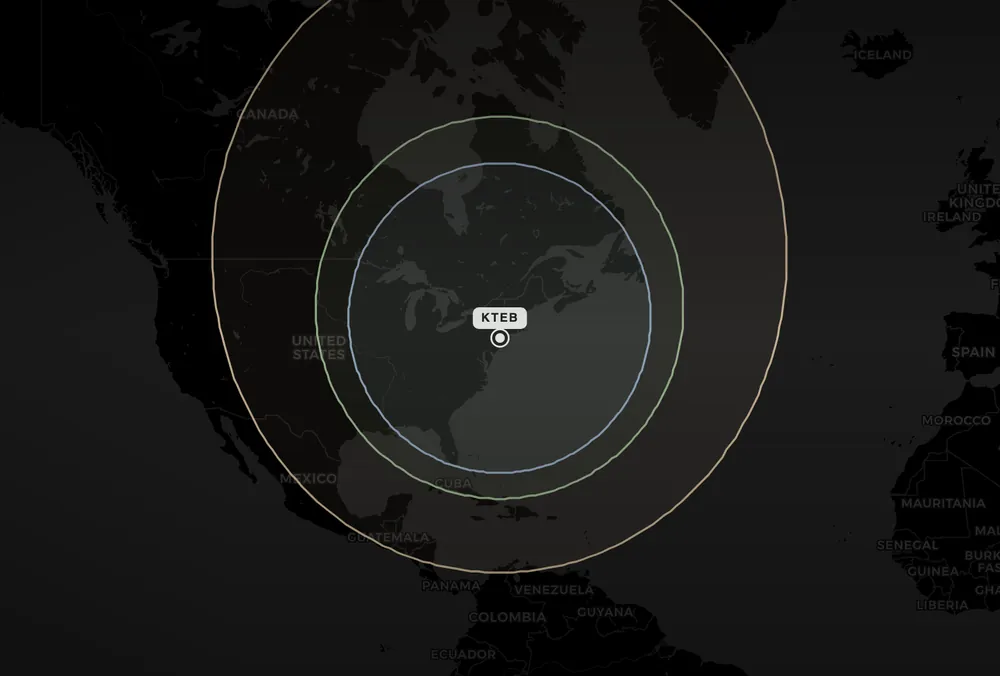
Airport selection deserves the same attention as aircraft selection. Van Nuys Airport (VNY) for Los Angeles, Teterboro Airport (TEB) for the New York area, Miami-Opa-locka Executive Airport (OPF), Dallas Love Field (DAL), and Chicago Executive Airport (PWK) are specific itinerary choices.
Confirm that the airport shown matches your plans and ground transportation requirements. If you are considering a different airport, ask for an updated proposal rather than assuming the original operating assumptions and airport charges will remain unchanged.
The fixed-base operator, or FBO, is a separate detail. If the facility has not been selected, ask when it will be confirmed, whether any related charges remain estimates, and when you will receive the correct passenger entrance and facility address.
Aircraft Charges and Billable Flight Time
The aircraft line establishes what is being proposed, while the flight time calculation explains part of the billing basis. Read them together, because proposals are difficult to compare when one names a particular model and another identifies only a broad category.
Occupied flight time generally describes the flight segments during which you are traveling. Billable time may be calculated differently, so ask whether the proposal accounts for taxi time, minimum billing requirements, or additional aircraft movements elsewhere in the total.
A proposal may present an aircraft charge without displaying a separate hourly calculation. In either format, ask your broker to explain what the charge covers and how it relates to the itinerary, rather than assuming the presentation determines the billing method.
Our private jet charter cost guide provides broader context on the components of a trip total. For your own proposal, the immediate priority is understanding which flight segments and operating assumptions the aircraft charge represents.
Positioning, Minimums, and Crew Expenses
An aircraft may need to travel to your departure airport before your passenger itinerary begins. This movement is commonly described as positioning or repositioning, and its cost may be incorporated into the aircraft charge or shown separately.
A one-way passenger trip does not necessarily represent every movement required of the aircraft. Ask whether the proposal accounts for the positioning associated with your itinerary and whether any related assumptions remain unresolved.
Minimum billable time and crew logistics also deserve attention when they apply. A trip with an overnight stay may involve crew accommodation or other expenses, but their treatment depends on the operating plan and the agreement.
Our private jet pricing guide explains how aircraft selection, routing, and operating requirements can influence a proposal. When reviewing these lines, establish whether minimums, crew expenses, fuel adjustments, and other operational charges are included, itemized separately, or subject to change.
Taxes and Statutory Charges
Taxes should be identifiable rather than left for you to infer from the final figure. The applicable treatment depends on the itinerary and governing rules, so a tax line should not be treated as a universal formula for every charter.
Ask which taxes or statutory charges apply and what amount forms the taxable basis. Where passenger counts or taxable segments affect the calculation, confirm that the proposal reflects your actual travel plan.
If a quote states that taxes are additional, request clarification before comparing it with another offer. You need to know whether the displayed figure is a subtotal or an amount that already includes the applicable taxes.
Private Jet Landing Fees, Parking, and FBO Handling
Private jet landing fees are distinct from other charges associated with an airport visit. A landing charge generally relates to the aircraft use of the airport, while parking concerns its stay on the ground. Handling and ramp-related charges may cover other support services, such as baggage loading or facility access.
Those labels do not establish exactly what a particular proposal includes. If several services appear under one airport services line, ask which charges it covers and whether parking, handling, or other requested support appears elsewhere.
An FBO provides airport-based services and is not the aircraft operator. Depending on the facility and arrangements, its role may include fueling coordination, aircraft parking, baggage assistance, and catering delivery. Those services should not be assumed to be included in every handling charge.
Our guide to what an FBO is explains this distinction in more detail. For the quote review, confirm the facility, the scope of its services, and whether the related charges are confirmed or estimated.
Catering, Connectivity, and Ground Transportation
Catering should have a clear billing status even if your preferences are not yet final. A proposal may include a defined selection, offer catering as an optional addition, or provide for separate billing after your choices are confirmed.
Ask what is covered and how additional requests would affect the total. The same distinction applies to connectivity and other onboard requests, as availability does not establish that a service is included in the quoted amount.
Ground transportation should also be identified as included, separately arranged, or excluded. Once the FBO is confirmed, make sure the transportation arrangements use the correct facility address and passenger instructions.
De-Icing and Other Conditional Charges
De-icing is a conditional operational service, not an automatic charge on every itinerary. For travel where winter weather could make it relevant, ask whether it is included, estimated, or billed separately if required.
A weather-dependent service may not be fully predictable when the quote is issued. Ask how any required treatment would be documented, how its billing would be communicated, and which terms govern the additional expense.
Other conditional items can include additional crew expenses, international permits, customs arrangements, or extra handling, depending on the trip. The useful question is not whether every possible expense appears on the page, but whether the proposal explains the circumstances that could create an additional charge.
Safety-related operating decisions remain the responsibility of the operator. Your quote review should clarify the financial treatment of those decisions without implying that a necessary service can simply be declined to preserve the original total.
Private Jet Charter Fees Explained: What the Labels Mean
A label such as Included should identify a service covered by the quoted total. Optional generally identifies something you can choose to add, but you should still confirm whether approval is required and whether an allowance already appears in the proposal.
The term Estimated means the amount is not yet final. Ask what could change it, when a firmer amount may become available, and how any difference will be reflected in the final invoice.
Items listed At Cost need an explanation of their own. Confirm which expense will be passed through, what documentation will accompany it, whether any separate administrative charge applies, and whether an allowance is already represented in the displayed total.
A phrase like All-In is useful only when its scope is defined in writing. Request clear inclusions, exclusions, estimates, and conditional charges rather than treating the phrase as a guarantee that no circumstances can affect the amount.
Compare Each Private Jet Charter Quote on the Same Basis
A useful comparison begins with matching dates, airports, passenger counts, and aircraft requirements. It also requires comparable service assumptions, including catering, transportation, and any requested ground support.
Read aircraft suitability alongside billable time and included charges. One proposal may incorporate positioning and crew logistics into its aircraft charge, while another may show them separately. The lower displayed subtotal does not necessarily represent the lower complete trip cost.
Change and cancellation terms belong in the comparison as well. Ask where those terms appear, what happens if you revise the itinerary, and whether an aircraft substitution could affect the services or commercial terms being offered.
Finally, check the validity period of the quote and the steps required to confirm the booking. A proposal, an accepted agreement, and a final itinerary serve different purposes, so ask your broker to explain what each document establishes.
What to Ask Before You Approve
Start with the operating plan and the parties responsible for it. Ask which operator will conduct the flight, what aircraft model and registration are proposed or awaiting confirmation, and what information is available about the authorization of the aircraft for the intended charter.
For a domestic charter within the United States, ask your broker to clarify the applicable Part 135 authority of the selected operator. A detailed fee breakdown does not establish operating authorization, so treat this as a separate question rather than an inference from the presentation of the quote.
Then confirm what billable time includes and whether positioning, taxes, landing charges, handling, parking, and crew expenses are accounted for. Review catering, transportation, connectivity, and de-icing where relevant, and identify every line that remains estimated or conditional.
If something is unclear, request a written explanation or revised proposal before approving the trip. You should be able to follow the document from itinerary to total without guessing which services are covered or which circumstances could create additional charges.
Review Your Proposal with Amalfi Jets
As your charter broker, Amalfi Jets helps connect your travel requirements with suitable aircraft options and a coordinated itinerary. Our team can help you compare proposals, clarify operating assumptions, and coordinate airport and FBO arrangements with the selected providers, while the operator remains responsible for conducting the flight.
Your private jet charter quote should leave you informed about both the journey and the commitments behind it. Request a charter with Amalfi Jets to discuss your itinerary and review a proposal with the clarity and attention your travel deserves.