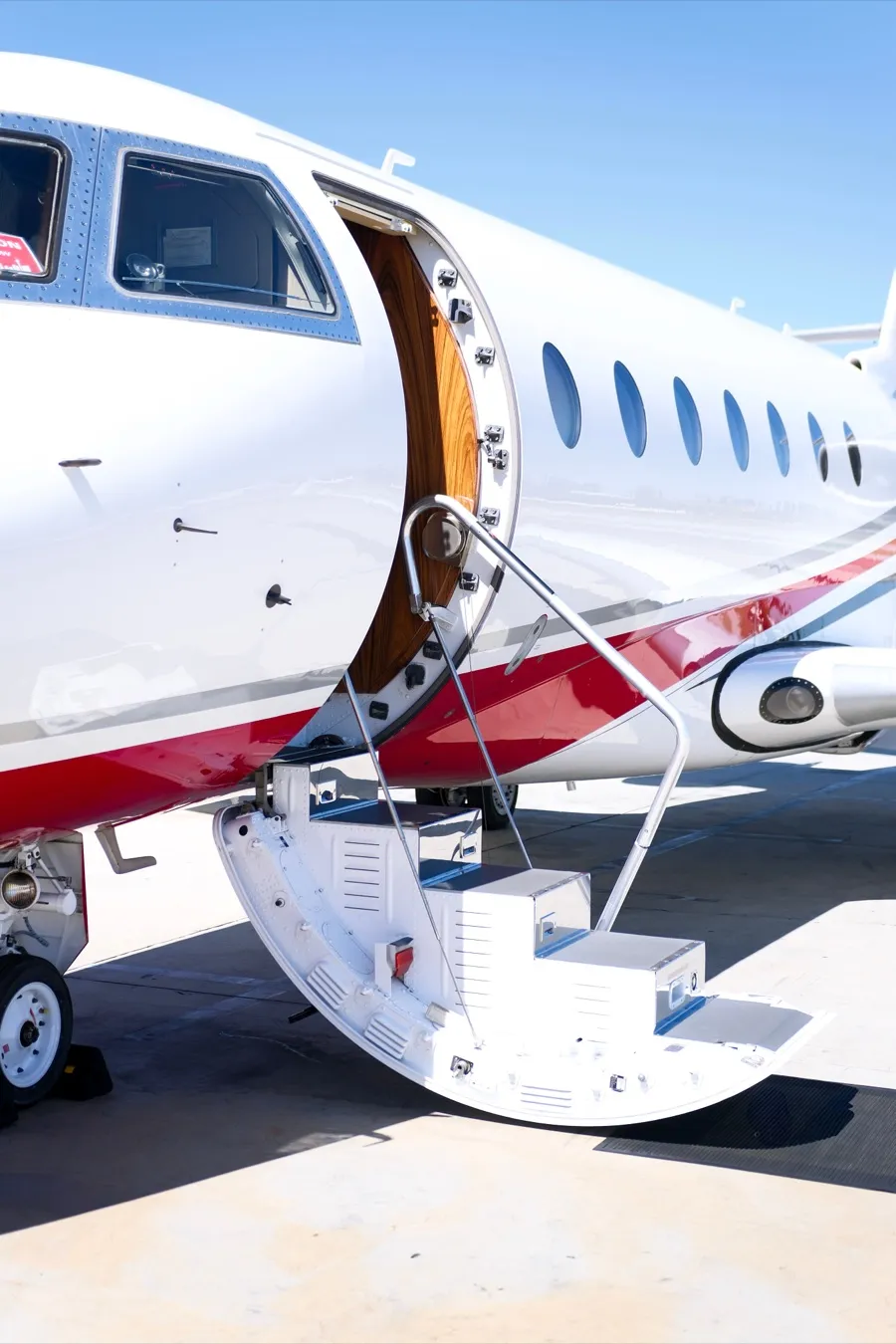




The phrase “FBO fee” can make a private terminal visit sound as though it carries one standard charge. In practice, FBO fees can refer to several separate costs associated with the airport, the fixed base operator, the aircraft operator, and the services required for a particular itinerary.
That distinction matters when comparing charter proposals. An attractive aircraft rate may not reflect the complete trip cost unless airport and ground charges are presented clearly, so each material item should have an identifiable purpose, billing source, and set of assumptions.
What FBO fees actually include
A fixed base operator coordinates passenger facilities and aircraft support at an airport. Depending on the location and itinerary, its role may include ramp access, fueling coordination, baggage assistance, aircraft cleaning, parking, passenger areas, and support for the flight crew.
Our guide to FBO airports and private jet terminals explains how these facilities support private aviation. From a cost perspective, the essential point is that an FBO charge is an umbrella description rather than a standardized price or service package.
One invoice may present a private jet terminal fee as a broad facility charge. Another may separate ramp access, handling, security, parking, fuel-related charges, staffing, and requested equipment into individual entries, even when the overall service is similar.
Neither presentation is inherently incorrect, but greater detail makes comparison easier. A traveler should be able to see whether the quoted figure covers only facility access or also includes the services the aircraft and crew will require during the visit.
FBO landing fees versus airport landing charges
Landing fees generally relate to an aircraft’s use of an airport. They may be assessed by an airport authority, municipality, or another governing entity rather than by the fixed base operator receiving the aircraft.
These charges can depend on aircraft weight, category, airport policy, or another basis established by the relevant authority. Current schedules and effective dates should always be confirmed because a previously published amount may no longer apply to a proposed trip.
This is why the phrase FBO landing fees can create confusion. A proposal may contain both an airport landing charge and a separate facility charge even though the two entries come from different parties and cover different aspects of the arrival.
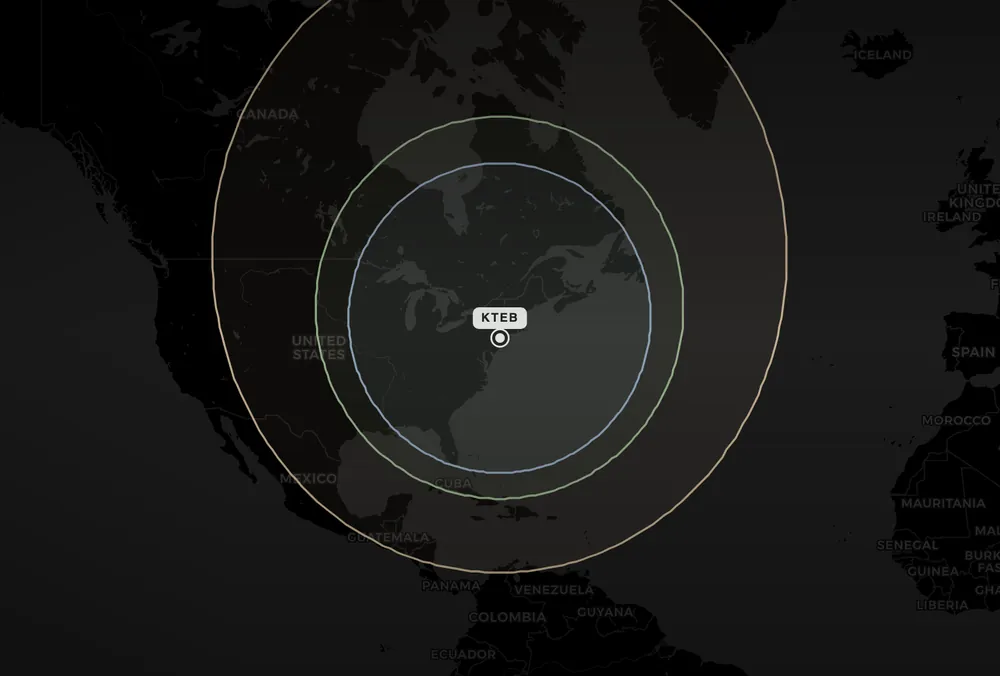
Teterboro (TEB), serving the New York metropolitan area, demonstrates the importance of that distinction. The applicable airport charge and the selected facility’s charges should be reviewed separately, with the proposal identifying whether both are included or whether either amount remains subject to final billing.
Van Nuys (VNY) in Los Angeles requires the same care. The airport schedule, aircraft category, selected facility, timing, and requested services should be confirmed for the specific itinerary rather than inferred from another trip or aircraft.
Private jet FBO cost: the principal line items
A ramp or facility charge generally relates to the aircraft’s use of the fixed base operator’s ramp and passenger areas. It may also reflect the resources required to receive, position, and service the aircraft while it is on the property.
An FBO handling fee can cover coordination such as marshalling, baggage assistance, fueling arrangements, passenger access, and support for the crew. Because the term is not standardized, two facilities may use the same label for different combinations of services.
Fuel flowage is another possible item associated with fuel delivered at the airport. It is distinct from the price of the fuel itself, although the charge may be presented within a broader fuel or facility calculation.
Some facilities may reduce or waive a ramp, parking, or handling charge when the aircraft purchases a qualifying amount of fuel. That waiver should not automatically be interpreted as a complimentary service because the required uplift, local fuel terms, and aircraft needs still influence the complete private jet FBO cost.
Parking may be charged when an aircraft remains at the airport between flight segments or overnight. If hangar space is requested, recommended, or required, that cost may appear separately and should be distinguished from ordinary ramp parking.
A ground power unit, commonly described as a GPU, can also generate an individual charge when requested or required. Other equipment, aircraft servicing, cleaning, catering coordination, and transportation for the crew may be listed separately depending on the facility and operator arrangements.
Customs coordination, security requirements, staffing outside regular service periods, quiet-hour procedures, and an extended aircraft stay can add further costs when they apply. These services are not universal, which is why the itinerary and operating plan matter more than a generic terminal estimate.
Who bills each airport and terminal charge
A complete charter proposal may include costs originating with several parties. The airport authority may assess landing, storage, passenger, cargo, or other airport use charges, while the fixed base operator may bill for handling, ramp access, fuel-related services, parking, equipment, and facility support.
The aircraft operator may incorporate applicable charges into the charter quote or pass them through according to actual use. Taxes, crew logistics, repositioning, and other operating items can appear nearby even though they are not all terminal or facility charges.
The label matters less than the underlying service and the party responsible for it. For each material amount, the proposal should make clear what the charge covers, whether it is required, and whether it is final, estimated, conditional, or subject to the services actually used.
Optional requests should also be separated from unavoidable operating costs. This gives travelers a clearer view of the core itinerary and makes it easier to decide whether an additional service supports their preferences.
Why FBO fees vary by airport and itinerary
Aircraft weight is a common variable because certain airport landing charges use weight categories or formulas. Fixed base operators may also classify ramp and facility charges according to aircraft size, which means two aircraft visiting the same airport may produce different ground totals.
Airport policy is equally important. One airport may publish a landing charge, another may use a different charging structure, and a third may require closer review of municipal rules and the practices of the selected facility.
Timing can change the result as well. An arrival requiring additional staffing, overnight parking, customs assistance, quiet-hour coordination, or an extended stay may involve services that are unnecessary for a straightforward daytime visit.
Fuel policy adds another layer. A handling or ramp charge may be reduced after a minimum fuel purchase, but the value of that arrangement depends on the aircraft’s requirements, the qualifying amount, and the applicable fuel terms.
Nearby airports should therefore not be compared solely by landing charges. An airport with a lower airport assessment may have different handling, parking, fuel, access, or operating considerations, while an airport with a published landing charge may still be more suitable for the itinerary as a whole.
FBO fees at VNY, TEB, OPF, DAL, and ASE
Private aviation travelers often compare airports by city, but the final ground cost is determined at the airport and itinerary level. Los Angeles, New York, Miami, Dallas, and Aspen each illustrate a different reason to request current, itemized information.
The following airport discussions do not assume a universal rate or policy. They identify the questions that should be resolved before a proposal is approved.
Los Angeles: Van Nuys Airport (VNY)
At Van Nuys Airport, the applicable landing charge and facility charges should be treated as separate components. The aircraft category, current airport schedule, selected fixed base operator, arrival time, parking plan, and requested services may all affect the proposal.
A charge shown by one facility should not be treated as a tariff that necessarily applies across the airport. Fuel conditions, ramp access, security support, quiet-hour coordination, and passenger facility use should be confirmed for the actual aircraft and schedule.
For a VNY charter quote, clarity begins with identifying which amounts originate with the airport and which originate with the facility. It should also state whether any item is estimated or may change according to fuel uplift, parking duration, or actual services.
New York: Teterboro Airport (TEB)
At Teterboro Airport, the distinction between airport billing and fixed base operator billing is particularly important. A landing charge may be separate from facility handling, ramp, parking, fuel, and other service costs.
A TEB proposal should make clear whether the relevant airport and facility charges are already included. It should also identify the weight basis, timing assumptions, selected facility, and any conditions that could change the final amount.
Travelers should avoid relying on a general expectation from a previous Teterboro trip. A different aircraft, schedule, parking requirement, or facility selection may produce a different cost structure even when the route appears similar.
Miami: Miami-Opa locka Executive Airport (OPF)
Miami-Opa locka Executive Airport is frequently considered for private aviation access to the Miami area. Any current landing charge policy should be confirmed for the proposed operation rather than treated as a permanent assumption.
Even when an airport landing charge does not apply, the arrival may still involve facility handling, ramp use, fuel, parking, customs coordination, crew support, and other ground services. The absence of one line item does not mean the complete airport visit has no associated cost.
International itineraries may require additional coordination based on the arrival, aircraft, passengers, and applicable procedures. The selected facility and aircraft operator should confirm those requirements before the charter proposal is finalized.
Dallas: Dallas Love Field (DAL)
Dallas Love Field illustrates why broad claims about airport costs require caution. The relevant municipal schedule, aircraft category, facility selection, fuel policy, parking plan, and requested support can all shape the ground portion of a DAL proposal.
Each airport or facility charge should therefore include an identifiable basis. If an amount is described as reduced or waived, the proposal should also explain the condition required to receive that treatment.
A waiver connected to fuel should be considered within the complete trip calculation. The value of removing one facility entry depends on the aircraft’s actual fuel needs and the terms attached to the qualifying purchase.
Aspen: Aspen/Pitkin County Airport (ASE)
Aspen/Pitkin County Airport requires current, itinerary-specific review because policies, operating conditions, and infrastructure considerations can evolve. Previously published information should not replace confirmation for the proposed aircraft, date, and schedule.
At ASE, parking duration, facility services, airport conditions, crew planning, and the operator’s arrangements may affect the final ground cost. A current itemized proposal is more useful than a general airport comparison or a fee recalled from an earlier trip.
The suitability of an aircraft and schedule is also an operational question that belongs with the qualified operator. As a charter broker, our team can coordinate available options and help clarify the assumptions included in each proposal.
How to compare private charter quotes accurately
Begin by confirming that each proposal identifies the aircraft and operator, along with the assumptions used to calculate the charter. A lower opening figure is not necessarily the stronger proposal if airport charges, handling, fuel adjustments, crew costs, or repositioning are added later.
The airport section should distinguish landing charges from handling and facility costs. It should also explain the fuel policy, any required minimum uplift, parking or hangar assumptions, GPU use, customs support, security requirements, and additional staffing when applicable.
Ask whether each material charge is included, estimated, conditionally waived, or billed after the trip according to actual use. If the treatment depends on aircraft size, fuel, arrival time, parking duration, or another condition, that dependency should be stated clearly.
Taxes and change or cancellation terms deserve the same attention. Tax treatment can depend on the specific charter transaction, so the proposal should explain what has been applied instead of relying on a universal assumption.
Our private jet charter cost guide provides broader context on the elements that can shape a complete trip budget. Used with an itemized review of airport and facility charges, it can help travelers compare proposals on consistent terms rather than focusing only on an aircraft rate.
Common questions about private jet terminal charges
Travelers often ask whether every airport visit includes both a landing charge and a facility charge. The answer depends on the airport, selected facility, aircraft, services, and current policies, so neither charge should be assumed without reviewing the itinerary.
Another common question is whether a fuel purchase makes handling complimentary. A qualifying fuel uplift may reduce or remove a specific charge, but the fuel terms and aircraft requirements remain part of the complete calculation.
Travelers may also ask whether an overnight stay automatically requires hangar space. Parking and hangar arrangements depend on availability, facility policy, airport conditions, operator planning, and the requirements of the specific trip.
The final question is often whether the initial quote will equal the final invoice. A carefully prepared proposal can identify expected costs, but amounts tied to actual use, schedule changes, additional requests, or updated facility policies may remain variable.
How Amalfi Jets approaches ground charges
As a premier charter broker, our team sources suitable aircraft through vetted operators and coordinates relevant details among the operator, airport, and fixed base operator for each itinerary. We never operate aircraft directly, ensuring our focus remains entirely on securing the optimal travel solution for your needs.
Our role is not to promise a universal fee schedule. It is to clarify the assumptions behind a proposal, identify relevant ground costs, and help travelers understand why one aircraft or airport option may produce a different total from another.
That process can include reviewing landing charge treatment, facility handling, fuel conditions, parking plans, crew requirements, and requested ground services. When an amount depends on actual use or a current facility policy, the proposal should make that dependency clear before approval.
The result is a proposal designed around the complete itinerary rather than a headline aircraft figure. Travelers can see what is expected, what is optional, and which charges may change if the schedule, aircraft, or operating requirements change.
Request an itemized charter proposal
FBO fees become easier to evaluate when every material charge has a clear name, purpose, billing source, and condition. The most useful question is not simply whether a terminal charge exists, but which airport and ground services the specific itinerary requires.
Share your schedule with our team to arrange your next private charter, and we will coordinate suitable aircraft options with an itemized view of the relevant assumptions. Your proposal will be shaped around the route, timing, and preferences of the trip, providing the clarity needed to make a confident decision.