



Eagle County Airport is the starting point for a carefully planned arrival in Vail or Beaver Creek. Officially named Eagle County Regional Airport, it uses the identifiers EGE and KEGE and serves the area throughout the year. Its mountain setting makes aircraft suitability, baggage requirements, and onward transportation essential parts of the same itinerary.
As fall 2026 approaches, October and November offer a useful opportunity to organize travel for the 2026 to 2027 ski season. Your dates, passenger count, ski equipment, and lodging address help Amalfi Jets identify suitable charter options. Outside winter, the same planning discipline applies, with temperature, weather, and aircraft availability shaping each trip.
Eagle County Airport: The Gateway to Vail and Beaver Creek
Located in Eagle, Colorado, the airport serves travelers visiting Vail and Beaver Creek. Its elevation is 6,548 feet, making mountain-airport performance an important consideration for both arrivals and departures. The right aircraft depends on the complete itinerary, not simply its seating capacity or cabin category.
EGE is the airport’s IATA code, while KEGE is its ICAO identifier. Both refer to the same facility, although you may encounter different destination names when researching a charter. Our Eagle County Airport private jet charter guide provides a natural starting point for discussing your arrival requirements.
Your itinerary should also account for the destination’s Mountain Time Zone. The arrival schedule needs to work with your vehicle reservation, lodging arrangements, and any commitments after landing. Coordinating those details early helps the airport arrival support the rest of your stay.
Aircraft Performance at EGE’s Mountain Elevation
Aircraft selection at a mountain airport involves more than choosing a cabin that feels comfortable for your party. Elevation, temperature, aircraft weight, fuel requirements, runway conditions, and weather all influence the operating plan. The aircraft’s operating company must assess suitability for your specific trip.
Density altitude describes the effect of atmospheric conditions on aircraft performance. At a high-elevation airport, warmer temperatures can make an aircraft perform as though it were at a higher altitude. Summer travel therefore deserves the same careful performance review as a winter ski itinerary, even when the planning considerations differ.
Passengers, baggage, and the fuel required for the route must be evaluated together. A larger cabin does not automatically resolve a performance limitation or guarantee space for every piece of equipment. Conversely, a smaller aircraft is not necessarily unsuitable when its capabilities align with the mission.
For a ski trip, share the number of ski or snowboard bags alongside your conventional luggage count. Winter clothing, equipment cases, and additional family baggage can make storage capacity as important as seating. These details allow our team to ask the operator the right questions before you select an aircraft.
Mountain Weather and Your Operating Plan
Mountain weather belongs at the center of the flight-planning discussion. Snow, changing winds, visibility, temperature, and surface conditions can affect the proposed arrival or departure. The operating crew evaluates the conditions and procedures relevant to the flight.
Amalfi Jets coordinates the itinerary with the operator and your supporting travel arrangements. The operator remains responsible for flight planning and aircraft operation, including decisions about whether and how the flight can proceed. That distinction is especially important when travel involves a mountain airport.
Some schedule flexibility can create additional options if conditions change. It does not guarantee that a delay will be avoided or that another airport will provide a practical solution. Share any fixed commitments before the itinerary is finalized so the team can discuss contingency arrangements in context.
Eagle Vail Airport Private Jet Arrival Planning
The fixed-base operator, commonly called an FBO, supports the airport handling arrangements for your flight. When reviewing FBO options at EGE, the useful questions concern aircraft support, baggage handling, vehicle coordination, and availability for your dates. A general airport description should not be treated as confirmation of a particular service.
For winter travel, ask about aircraft parking, requested hangar accommodation, deicing arrangements, and any support needed outside standard operating hours. These services may have separate availability or reservation requirements. The facility supporting your flight should confirm the arrangements that apply to your itinerary.
The choice of handling arrangements also needs to work with the aircraft operator’s requirements. Our team coordinates those details with the operator and the facility rather than assuming that every option is interchangeable. Any outstanding service requests should be addressed before the travel plan is considered complete.
Your ground vehicle should accommodate passengers, conventional luggage, and oversized equipment. The baggage handoff and meeting arrangements need to reflect the actual arrival plan. The same attention applies on departure, particularly when ski bags and catering requests add complexity to the return journey.
EGE Airport vs. ASE: Choosing the Right Mountain Gateway
A comparison between EGE and Aspen/Pitkin County Airport, identified as ASE, should begin with your destination. For a stay in Vail or Beaver Creek, EGE is a natural airport to evaluate first. If your itinerary centers on Aspen, the airport assessment should reflect that destination instead.
Airport elevation, runway characteristics, terrain, and operating procedures are relevant to the comparison. Their practical effect depends on the aircraft, payload, weather, and proposed schedule. No single airport characteristic establishes that one option is preferable for every flight.
A trip involving several mountain destinations may call for a broader review. Your lodging addresses, aircraft availability, and ground transportation requirements can influence whether one arrival point supports the entire stay. The operator’s mission-specific assessment remains central to the decision.
An alternate airport is useful only if the revised itinerary still works for you. A different arrival point may change the ground journey, lodging arrival time, or arrangements required for the aircraft. We consider those consequences alongside the flight rather than treating an alternate as an automatic substitute.
Los Angeles VNY, Dallas DAL, Chicago MDW, and New York TEB to EGE
For Los Angeles departures, Van Nuys Airport (VNY) is an origin option to discuss for a flight to EGE. Your location, preferred departure time, passenger count, and baggage requirements help shape the request. Aircraft suitability must account for the arrival in Colorado as well as the departure from Southern California.
Dallas travel may begin at Dallas Love Field (DAL), while Chicago travelers may consider Midway International Airport (MDW). Flights from DAL and MDW to EGE are useful airport pairings for an initial charter discussion. The final departure airport should reflect your location and the options available for your itinerary.
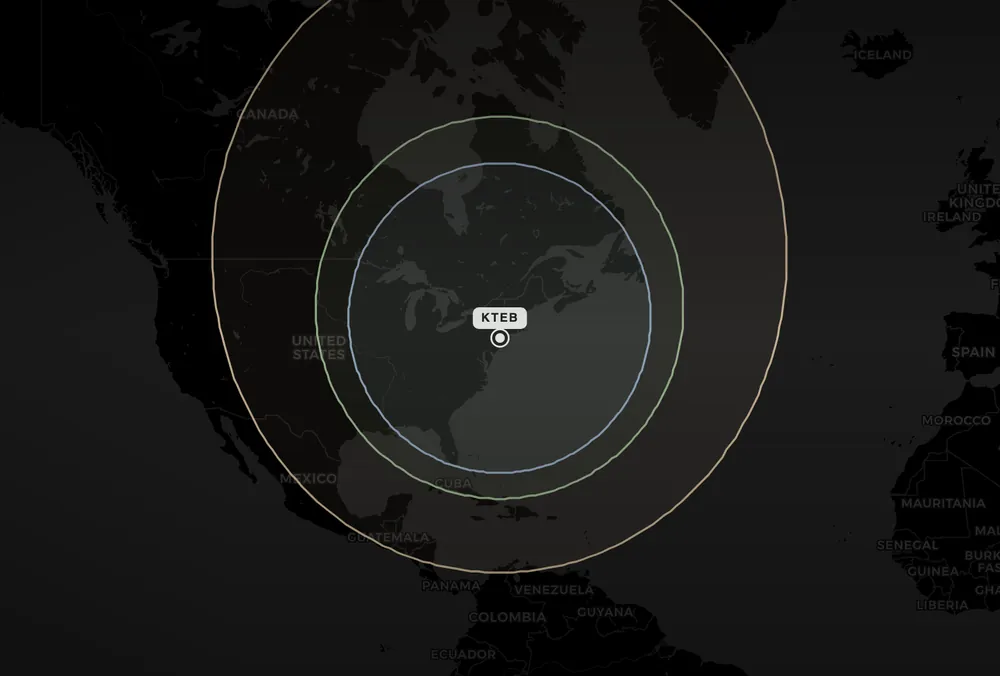
For New York area travel, Teterboro Airport (TEB) provides another departure option to evaluate. A flight from TEB to EGE requires details including your preferred schedule, party size, and equipment requirements. Those details help the team assess aircraft choices without assuming that every cabin category suits the trip.
Anticipated flight time is confirmed for the aircraft and itinerary under consideration. Winds, routing, payload, and operator planning can affect the schedule, so a generic city-pair estimate should not drive your resort arrival arrangements. The return flight also requires its own review because departure conditions and fuel requirements at EGE may differ from the inbound journey.
Fall 2026 Planning for Vail’s 2026 to 2027 Ski Season
Winter ski travel can concentrate requests for aircraft, airport services, and ground transportation around popular dates. Holiday periods and school breaks deserve particular attention when your group needs a specific cabin layout or substantial baggage capacity. Beginning the conversation once your dates are firm gives the team more time to evaluate the complete request.
October and November are useful months to settle the details for the approaching ski season. Confirm who is traveling, how much equipment they are bringing, where everyone is staying, and whether the return date is flexible. These answers bring aircraft selection, handling, and ground transportation into one coordinated plan.
There is no universal booking window that guarantees the right aircraft or supporting services. Availability depends on your dates and the requirements of the trip. Early planning is valuable because it allows those requirements to be considered together, rather than addressed separately as departure approaches.
For travel outside ski season, the same approach remains relevant. Warmer temperatures can change the performance assessment, while a different passenger count or baggage profile may lead to different aircraft options. A year-round itinerary deserves a fresh review rather than relying on the aircraft selected for a previous visit.
Ground Transportation to Vail and Beaver Creek
Your exact lodging address is more useful for transfer planning than the resort name alone. A private SUV or executive vehicle can be coordinated around your party, equipment, and arrival arrangements. Vehicle capacity should account for ski bags as well as passengers and standard luggage.
Winter road conditions and traffic can affect the journey from the airport. A general transfer estimate should not be treated as a fixed travel time, especially when your accommodation or arrival schedule creates additional considerations. Our team coordinates the flight and vehicle arrangements with those variables in mind.
Return transportation requires the same care. The pickup plan should reflect your departure schedule, baggage requirements, and the journey back to the airport. Addressing these details before the trip keeps the final morning aligned with the wider itinerary.
How Amalfi Jets Coordinates Your Charter
Amalfi Jets is a charter broker, not an aircraft operator. We source aircraft options through operators, present choices for your itinerary, and coordinate the quote and trip details. The operating company performs the flight and determines aircraft suitability for the mission.
An EGE charter request begins with your dates, departure airport, destination address, passenger count, and baggage requirements. We then work through suitable aircraft options and supporting arrangements, including handling, catering, ground transportation, and return travel. The recommendation stays tied to your actual trip rather than a preferred aircraft category alone.
Your charter quote reflects more than an hourly aircraft figure. Aircraft category, billable time, positioning, applicable taxes and airport charges, crew logistics, and seasonal availability may affect the total. We review the proposed itinerary and quote together so you can understand the terms and inclusions before making a decision.
Our private jet charter cost guide for 2026 offers additional context for that discussion. Your itinerary-specific quote remains the basis for evaluating the proposed trip. Any optional arrangements or unresolved charges should be clarified before you confirm your travel.
Frequently Asked Questions About Vail Eagle Airport
Which airport serves Vail and Beaver Creek? Eagle County Regional Airport is a gateway for both destinations. Your exact lodging address, schedule, and aircraft requirements still matter when assessing the appropriate arrival airport.
Are EGE Airport and KEGE Airport the same place? Both identifiers refer to Eagle County Regional Airport. EGE is the IATA code, while KEGE is the ICAO identifier used in aviation planning.
How does altitude affect private jet selection? Elevation and temperature influence performance alongside aircraft weight, fuel requirements, weather, and runway conditions. The operator must assess the complete mission rather than rely on seating capacity or cabin category alone.
What FBO arrangements should you confirm? You should discuss handling, baggage coordination, vehicle access, aircraft parking, and any requested winter services. Availability and service requirements need confirmation for your travel dates and the aircraft selected.
Should you compare EGE with ASE? This comparison is useful when your destination or broader itinerary makes both airports relevant. Ground travel, weather, aircraft availability, and the operator’s assessment should inform the decision rather than a general preference for one airport.
When should you begin planning a winter charter? We recommend starting once your dates are firm, particularly for holiday travel or a trip with specific cabin and baggage needs. Fall 2026 is a useful window to bring the aircraft request, airport arrangements, and ground transportation into one plan for the 2026 to 2027 ski season.
Plan Your Next Vail and Beaver Creek Arrival
A well-planned charter begins with the details that matter to your stay, including who is traveling, what they are bringing, where they are staying, and when they need to arrive. Amalfi Jets brings those requirements together with aircraft options and mountain-airport coordination. The approach remains the same whether your visit centers on winter skiing or another season in the mountains.
Begin your Vail and Eagle private jet charter planning with your preferred dates, departure airport, and destination address. Our team will help shape an itinerary around your party, equipment, and arrival priorities. From the initial request through the return journey, the goal is a considered travel plan that supports your time in Vail or Beaver Creek.