



Bombardier Challenger 3500: A Super-Midsize Evolution
The Bombardier Challenger 3500 builds on the Challenger 350 with a refreshed cabin and updated flight deck systems. For a charter traveler, its appeal is not simply that it is the newer model, but how its cabin, passenger capacity, and range align with a particular trip.
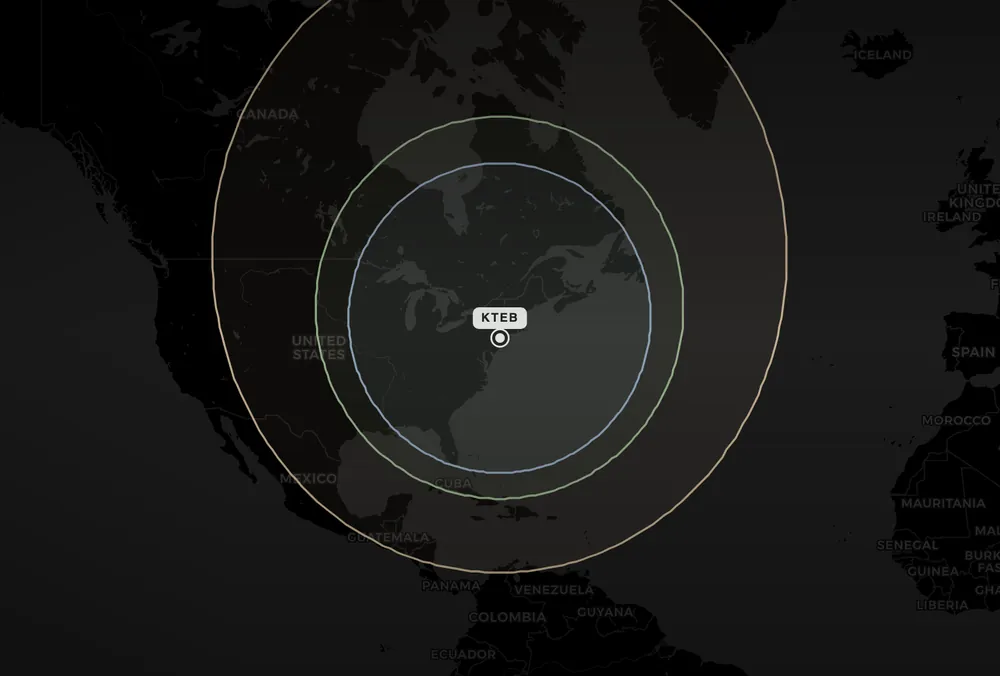
With a published range of 3,400 nautical miles and seating for up to 10 passengers, it deserves consideration for many domestic business and personal itineraries. Those figures are useful starting points, not a promise that the maximum passenger load and maximum range are available together on every flight.
Amalfi Jets is a charter broker, not an aircraft operator. We compare available aircraft against your itinerary, while the selected operator assesses whether the proposed flight can be performed under the expected conditions.
What Changed From the Challenger 350?
The Challenger 3500 succeeds the Challenger 350 as an evolution of an established super-midsize platform. The most relevant changes for travelers center on a redesigned passenger environment and updated aircraft systems rather than an entirely different category of travel.
Inside, the refreshed cabin and Nuage seating distinguish the newer model. If you already know the Challenger 350, the useful comparison is how those changes serve your preferences for working, conversation, and rest during the flight.
The newer model also incorporates flight deck developments, including autothrottle and updated avionics. These are part of the aircraft’s broader technical profile, but they should not replace an assessment of the specific aircraft, its operator, and the proposed itinerary.
A newer model designation alone does not establish the best charter choice. An aircraft with a suitable layout, appropriate baggage accommodation, and availability aligned with your schedule may be the more practical recommendation.
Challenger 3500 Range and Passenger Capacity
The published Challenger 3500 range is 3,400 nautical miles, while the model can accommodate up to 10 passengers. The seating arrangement of the aircraft offered for your trip should always be confirmed, because a model’s maximum capacity does not describe every cabin configuration.
Range requires the same careful evaluation before booking a flight. Passenger load, baggage weight, routing, departure conditions, and required fuel reserves can influence whether an itinerary is suitable for nonstop travel.
A larger group should therefore avoid treating the headline range as a guaranteed capability at full occupancy. Your proposal should reflect the actual passenger count and baggage requirements, with the operator evaluating the complete mission rather than the distance alone.
For a New York to Los Angeles itinerary, this model is a relevant candidate to consider. Whether a particular flight between Teterboro (TEB) and Van Nuys (VNY) can proceed nonstop depends on the aircraft and conditions for that departure, not simply the published range figure.
Our super-midsize jets resource provides broader context for comparing aircraft in this category. The most useful next step is to narrow that category to aircraft that can meet your schedule, cabin preferences, and operating requirements.
Challenger 3500 Interior: What Matters on Board
The Challenger 3500 interior is a central reason to consider the model. Its flat-floor cabin, refreshed design, and Nuage seating place the passenger environment at the heart of the update from the Challenger 350.
For business travel, begin with how your group intends to use the cabin space. A party planning a working discussion may value a different seating arrangement from colleagues who want to review documents independently or rest between meetings.
For personal travel, the priorities may include seating preferences, access to essential belongings, and space for the group to settle comfortably. The right layout depends on the travelers, so cabin photographs and a configuration review are more useful than relying on the aircraft name alone.
Technology should also be addressed at the aircraft level. If internet access, charging arrangements, or entertainment features are important, ask for those details before selecting an option rather than assuming every available example has the same equipment.
Baggage planning deserves equal attention. Share the number and approximate size of suitcases, garment bags, and any unusually shaped items so the operator can assess the complete load alongside the seating plan.
Challenger 3500 vs. Praetor 600
The Praetor 600 is a relevant comparison within the super-midsize category. When evaluating it against the Challenger, the practical question is which available aircraft best supports your route, passenger group, and preferred cabin experience.
If nonstop travel is central to the itinerary, ask for an operator assessment of both options. A published range comparison can help frame the discussion, but it cannot establish the outcome for a specific flight without considering load, conditions, and routing.
If both aircraft can meet the mission, the decision may turn on cabin configuration, onboard equipment, availability, or the complete charter proposal. Comparing a Bombardier Challenger 3500 with a Praetor 600 is most useful when those differences are tied to your trip rather than presented as a universal ranking.
Challenger 3500 vs. Phenom 300E
The Phenom 300E belongs to the light-jet category, so this is a comparison across categories rather than between direct equivalents. It may enter the discussion when a smaller party or shorter itinerary does not require a super-midsize cabin.
Begin with the seating, baggage, and route requirements that cannot be compromised. If a light jet meets those needs, it can be considered alongside larger options without assuming that a larger aircraft is automatically the better choice.
Conversely, a preference for more cabin space or a different passenger arrangement may favor the Challenger. The goal is to select an appropriate aircraft, not to make the group adapt to a category that does not suit the journey.
New York Charter Planning: Teterboro Airport (TEB)
Teterboro Airport (TEB) is a relevant starting point for private charter planning in the New York area. Its suitability for your trip should be considered alongside your ground destination, desired departure time, and the operator’s assessment of the flight.
When requesting a Challenger from Teterboro, provide the onward itinerary as well as the airport preference. This allows the aircraft comparison to reflect the full journey rather than treating the departure airport as a decision separate from everything else.
Los Angeles Charter Planning: Van Nuys Airport (VNY)
Van Nuys Airport (VNY) is an option to consider for travel involving Los Angeles. Your final destination within the area, schedule, and aircraft requirements should guide whether it is the appropriate airport for the itinerary.
For a trip between Los Angeles and New York, make your nonstop preference clear at the outset. Amalfi Jets can then seek suitable options while the operator evaluates the proposed mission and any conditions that could affect the flight plan.
Miami Charter Planning: Miami-Opa Locka Executive Airport (OPF)
Miami-Opa Locka Executive Airport (OPF) is a relevant gateway for Miami charter itineraries. Airport selection should reflect where you are going after arrival, your preferred timing, and the operating requirements of the aircraft offered.
If Miami forms part of an international itinerary, raise that detail early in the planning process. Customs arrangements, handling requirements, and the complete route need to be addressed for the specific flight rather than assumed from the airport code.
Dallas Charter Planning: Dallas Love Field (DAL)
Dallas Love Field (DAL) is an airport to consider when arranging a private charter involving Dallas. The appropriate aircraft and departure arrangements will depend on your itinerary, availability, and the operator’s requirements.
For a group traveling together, share baggage details and any scheduling constraints before comparing proposals. These details help establish whether the available cabin configuration and operating plan suit the entire party.
Chicago Charter Planning: Midway International Airport (MDW)
Chicago Midway International Airport (MDW) is a relevant option for private aviation planning in Chicago. Its suitability should be assessed in relation to your ground destination, timing, and the conditions applicable to the proposed flight.
If your travel connects Chicago with another target market, provide the complete sequence of stops. A single flight and a multiple-stop itinerary can lead to different aircraft recommendations, even when the passenger group remains the same.
Understanding Your Charter Proposal
An aircraft comparison is only useful when the financial scope is clear. A proposal should explain what is included and identify any conditions that could affect the final cost of the trip.
Our Private Jet Charter Cost 2026 guide introduces considerations such as aircraft positioning, airport charges, taxes, fuel adjustments, and crew logistics. It offers context for reviewing a proposal, but it is not a model-specific quote or a substitute for pricing your actual itinerary.
Availability also matters when comparing options. A preferred model may not be the most suitable available aircraft for your dates, particularly if another option better aligns with your schedule, cabin needs, or departure location.
As a broker, Amalfi Jets brings those considerations into one aircraft selection discussion. The recommendation should explain why an available aircraft fits your trip, while keeping the operator’s responsibilities and flight assessment clear.
Is the Challenger 3500 Right for Your Trip?
The Challenger 3500 merits consideration when you want a refreshed super-midsize cabin, flexible seating possibilities, and a range profile relevant to many longer domestic journeys. Its strongest case is an itinerary where those characteristics meet your needs without requiring assumptions about seating, baggage, or nonstop performance.
A different aircraft may be preferable if your priorities call for another cabin arrangement, a smaller category, or a different range profile. A considered recommendation leaves room for those alternatives rather than beginning with a model and forcing the itinerary to fit.
To request a charter with Amalfi Jets, share your travel dates, passenger count, baggage requirements, preferred airports, and any nonstop preferences. Our team will build a tailored aircraft comparison around your journey, with the available configurations and practical compromises clearly explained.