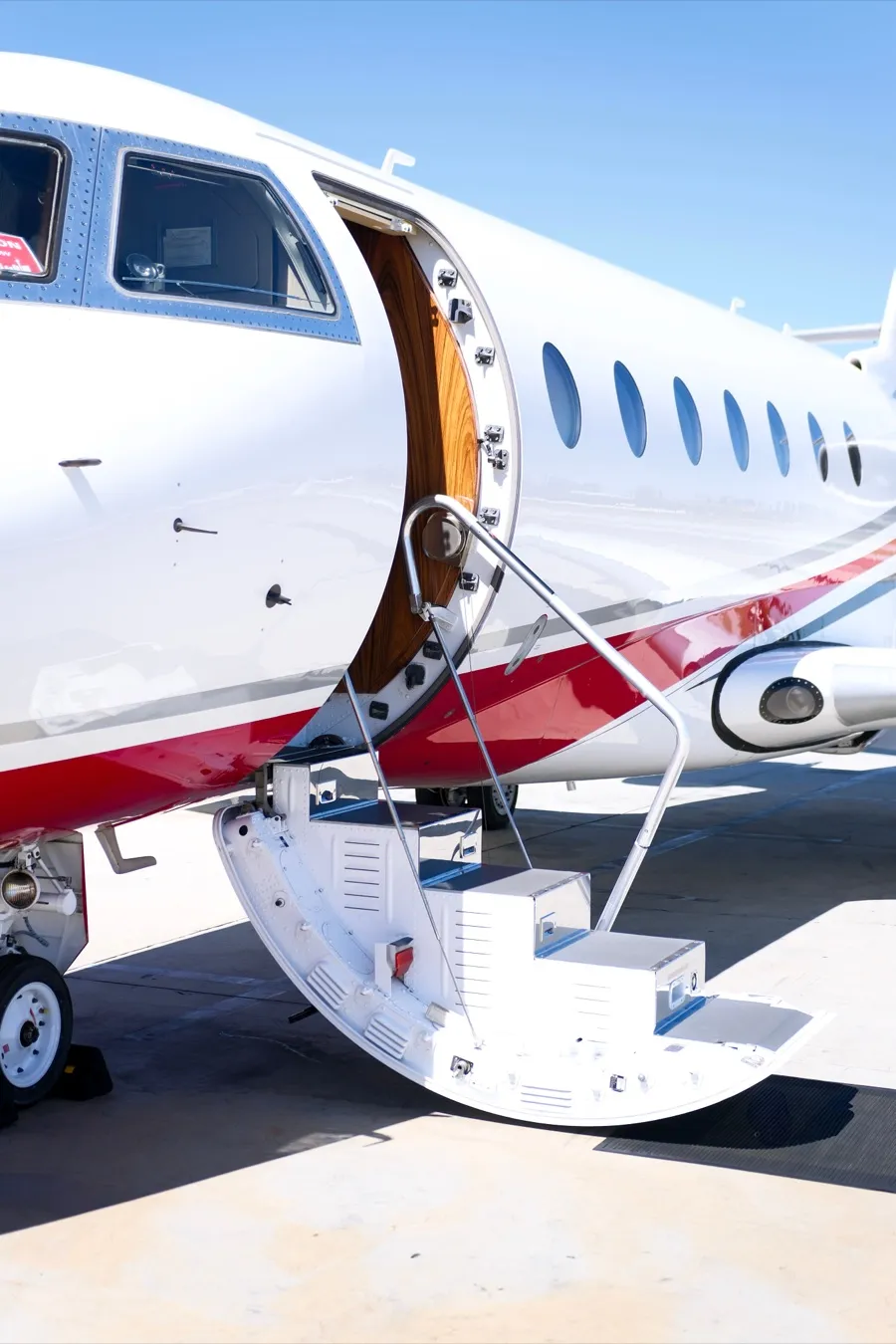





Understanding the Economics of Private Aviation
Flying private involves significant operational expenses that extend beyond the basic cost of a charter. Understanding these factors provides insight into the investment required to maintain a high-performance aircraft like the Gulfstream G-IV.
Operational and Maintenance Factors
The primary cost drivers start with the aircraft’s engines. These are sophisticated, expensive assets that demand continuous funding. This includes not only the variable cost of fuel for every hour of operation but also mandatory contributions to ongoing maintenance programs. These programs ensure that when an engine requires service, the costs of repairs or comprehensive overhauls—which can reach millions of dollars—are already accounted for.
Avionics and Interior Refurbishment
Beyond propulsion, advanced avionics are essential for safety and navigation, adding further complexity and cost to the aircraft’s maintenance profile. The cabin interior also represents a major investment. To maintain the highest standards for passengers, interiors undergo regular refurbishment. A full soft-goods refit, involving the complete renewal of seating and interior materials, requires a substantial capital commitment every few years.
The Charter Advantage
When chartering with Amalfi Jets, clients benefit from the flexibility of on-demand travel without the direct burden of these underlying ownership expenses. This model allows passengers to access aircraft precisely when needed, while the complexities of maintenance, engine cycles, and interior preservation are managed independently of the individual charter trip.