



Destination Hub
Private Jet Charter to Telluride
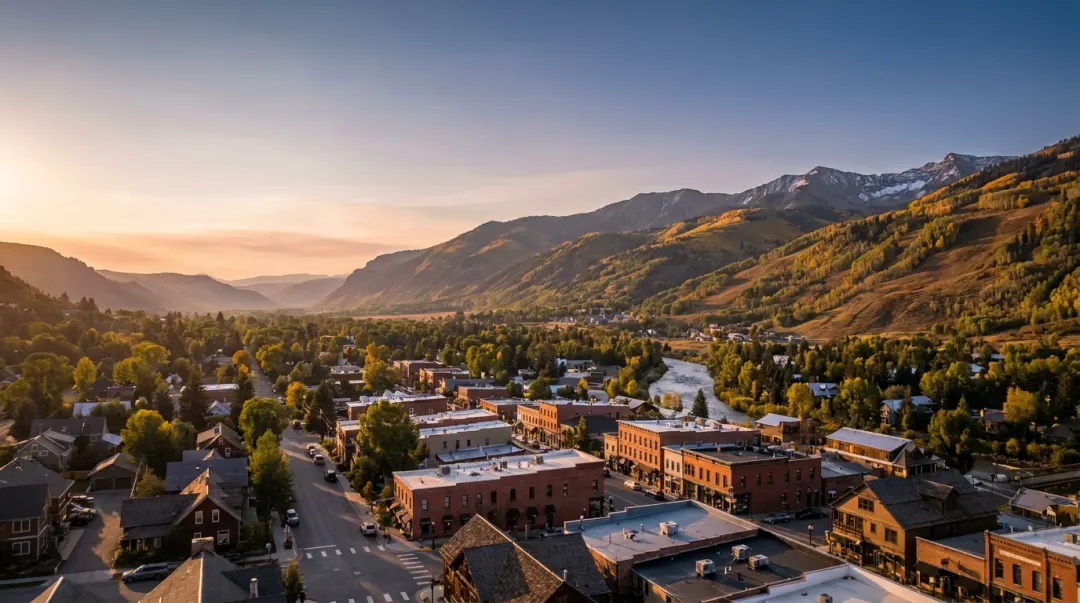
Arriving through Telluride Airport (TEX) brings the charter day straight to the mountains, with a single arrival plan and no airline connection to manage. The experience feels deliberately simple: land, meet your ground transfer, and let the schedule follow the trip rather than the other way around.
Quick facts
Why charter a private jet to Telluride?
Chartering privately into Telluride is about controlling the day in a mountain destination where timing matters. Flights can be organized around TEX, coordinated with ground transfers, and adjusted to the people actually traveling rather than a commercial timetable.
Why private travel fits the resort rhythm
A private itinerary can be built around first tracks, school calendars, house check-ins, dinner plans, or a same-day departure after the last run. Instead of building the trip around a hub connection, the aircraft, crew, and handling plan are aligned around your preferred arrival window.
That flexibility matters in a place where travelers often arrive with skis, film-festival wardrobes, hiking gear, family luggage, or a mix of all four. A well-briefed charter desk can sequence the flight, luggage, ground transportation, and alternate-airport strategy before the aircraft is released.
- Direct airport planning: TEX keeps the arrival plan focused when conditions, availability, and itinerary details support it.
- Flexible timing: Departure windows can be tailored around the trip, not an airline schedule.
- Simpler logistics: Private travel reduces connection risk, streamlines luggage handling, and keeps the group together from departure to arrival.
- Better contingency planning: Secondary airports can be reviewed early, giving the trip more structure if demand, weather planning, or ground logistics call for another option.
For families, executives, homeowners, and guests moving between a resort stay and a tight calendar, the value is not only the flight. It is the certainty of having one coordinated plan from aircraft selection to arrival on the ground.
“For peak December, March, and September dates, our charter desk secures the TEX handling plan first, then holds sensible alternates; firm dates early widen aircraft choice.”

When is the best time to fly to Telluride?
The best time to visit Telluride depends on the kind of mountain trip you want: winter skiing, spring-break energy, September culture, or a quieter shoulder-season stay. Private travelers should plan earliest when dates are fixed around school calendars, holidays, or festival commitments.
Peak demand
December brings holiday ski travel, with families and groups often competing for preferred aircraft and arrival times. March remains busy because spring break overlaps with strong late-season resort demand.
September has a different rhythm: Labor Day travel and film-festival traffic draw a polished, high-intent crowd. For those dates, early aircraft selection helps preserve cabin choice and a cleaner operating plan.
Quieter value windows
April, May, October, and November are the softer shoulder months, often referred to locally as mud season. Crowds are lighter, aircraft availability can be better, and travelers with flexible plans may find more room to shape departure times around their ideal schedule.
Travelers with firm peak-week plans should confirm early; those with flexible dates can ask the charter desk to compare nearby days, alternate airports, and empty-leg possibilities before locking the itinerary.
Where our clients stay and go
Telluride rewards travelers who like their luxury with altitude, old streets, and a dramatic mountain edge. The town’s appeal comes from the way a polished resort experience sits inside a rugged San Juan Mountains setting rather than apart from it.
The town sits in a box canyon, where steep rock walls frame the valley and the light changes quickly across the peaks. Mornings can feel crisp and blue, afternoons can turn golden on the ridgelines, and evenings bring a quiet that makes the restaurants, galleries, and lodges feel intentionally removed from the wider world.
Its historic core is part of a National Historic Landmark District, giving the destination a sense of permanence that many resort towns try to imitate. Colorado Avenue, mountain views, preserved storefronts, and the surrounding trails all contribute to a place that feels cultured without losing its frontier outline.
For private travelers, the draw is the ability to compress a complicated mountain journey into something elegant. A long weekend can include ski mornings, private dinners, spa time, a film-festival schedule, or a summer hiking agenda without surrendering the trip to airline timing.
Summer brings high-country trails, alpine air, and long evenings; winter sharpens the town around the mountain. The best stays leave enough room for both the planned and the unscheduled: a quiet coffee before the lifts open, a late table after the screening, or a drive through the valley when the peaks are still holding the last light.
What determines the cost of a flight to Telluride?
The cost of chartering into Telluride depends on aircraft category, route structure, airport planning at TEX, seasonal demand, and any empty-leg opportunities that match the trip. A precise quote is built around the actual itinerary, not a generic fare.
Aircraft and itinerary structure
Aircraft category is the first major variable because cabin size, baggage needs, passenger count, range, and crew planning all influence the aircraft that can be proposed. The right option is matched to the route, the group, and the level of comfort expected on board.
Route structure matters as much as the aircraft itself. A one-way trip may require aircraft repositioning, while a round trip can be priced differently depending on how long the aircraft and crew remain in the region, where the aircraft is based, and how the return is scheduled.
TEX planning, demand, and availability
TEX-specific items can affect the final quote, including handling arrangements, airport fees, parking considerations, crew logistics, and any repositioning needed to place the aircraft correctly for the trip. These items are reviewed before a charter agreement is finalized.
Demand rises during December holiday ski weeks, March spring break, and September film-festival and Labor Day travel. In those periods, aircraft choice can tighten and preferred departure times may require earlier commitment.
Empty legs can sometimes reduce the overall charter outlay when an existing aircraft movement lines up with your route and timing. They are opportunistic by nature, so they work best for travelers with flexibility rather than fixed arrival requirements.
Which airports serve Telluride?
Telluride is served primarily by TEX, with MTJ, CEZ, DRO, and GJT available as secondary airports when the itinerary calls for a different operating plan. The right choice depends on aircraft availability, handling, weather planning, ground destination, and the traveler’s tolerance for additional drive time.
Telluride Airport (TEX)
TEX is the primary airport for the destination and the first planning point for most private arrivals. It keeps the journey focused on the resort area, simplifies the handling conversation, and can reduce the number of moving parts between landing and arrival at the house, hotel, or lodge.
Montrose County Airport (MTJ)
MTJ gives the charter desk a strong regional alternate to evaluate when TEX timing, parking, aircraft positioning, or operating-day considerations make another plan sensible. For private travelers, it can be useful when aircraft choice matters more than landing as close as possible to the resort core.
Cortez Municipal Airport (CEZ)
CEZ can be a thoughtful option when the itinerary extends toward Cortez, the mesas, or the Four Corners side of southwest Colorado. It may also serve as a practical alternate when the ground plan begins or ends away from the ski village, giving the trip a different regional angle.
Durango - La Plata County Airport (DRO)
DRO works well for travelers combining the resort with Durango or the broader southwest Colorado region. It gives the charter desk another established airport conversation for handling, passenger flow, and ground logistics when the trip is not centered solely on the mountain.
Grand Junction Airport (GJT)
GJT widens the planning map to the north and west, which can help when aircraft availability, crew positioning, or a broader Western Colorado itinerary drives the decision. It is not always the closest-feeling choice, but it can be the right one when schedule resilience matters.
Choosing among these airports is a planning exercise, not a default list. The best recommendation weighs arrival preference, aircraft options, luggage, passenger privacy, ground transfer routing, and the operating conditions expected on the day of travel.
Routes to & from Telluride
Common questions about Telluride charter
Which airport do private flights use for Telluride?
Most private flights for Telluride are planned through TEX, with the charter desk confirming handling, timing, and any alternate strategy before the trip is released.
What determines the cost of chartering into Telluride?
Telluride charter pricing is influenced by aircraft category, route structure, round-trip versus one-way planning, airport handling, seasonal demand, and any available empty-leg options.
When should I book a ski-week charter?
For Telluride travel in December, March, or other fixed holiday periods, earlier booking helps preserve aircraft choice, preferred departure windows, and a stronger alternate-airport plan.
Are alternate airports worth considering?
For Telluride, MTJ, CEZ, DRO, and GJT can be useful when schedule, aircraft availability, weather planning, parking, or the final ground destination makes an alternate more practical.
Can the arrival be coordinated with ground transportation?
A Telluride itinerary can be coordinated with private ground transfer timing so the aircraft schedule, luggage plan, and arrival sequence are aligned before departure.

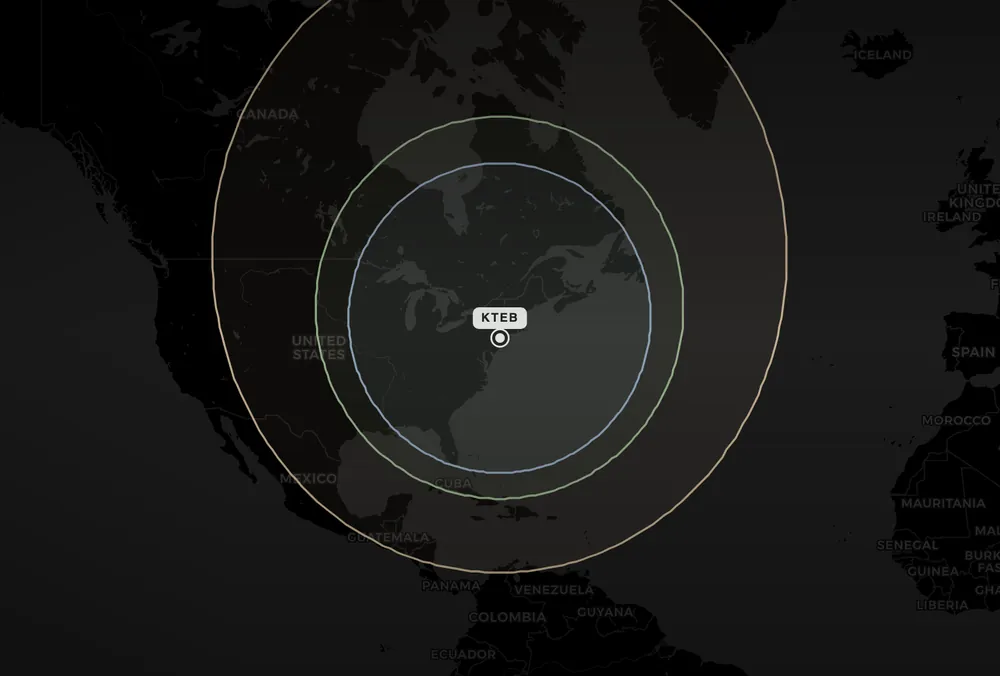
Try Range Explorer
See how far you can fly nonstop
Explore aircraft range, compare options, check flight times, and better understand which aircraft fits your trip.

Ready to fly to Telluride?
Request a charter and our team will tailor an itinerary for your next journey.
*Takes only about 40 seconds to request your quote.
