




Destination Hub
Private Jet Charter to St. George

Most private flights into St. George arrive through St. George Municipal Airport (SGU), keeping the charter day focused and uncomplicated. The ramp feels close to the red-rock country that draws travelers here, with your aircraft, ground transfer, and onward schedule arranged around your timing rather than an airline connection.
Quick facts
Why charter a private jet to St. George?
Chartering privately into St. George is about preserving time in a region where the best days often begin early and end under desert light.
Why private travelers choose SGU
St. George Municipal Airport (SGU) gives charter clients a direct aviation gateway to the city and the surrounding red-rock region. Instead of building a trip around airline routings, layovers, and fixed departure banks, your itinerary can be organized around tee times, canyon permits, resort check-ins, family schedules, or a same-day return.
Flexibility on both ends of the trip
Private aviation is especially valuable here because the destination is rarely just one address. A weekend may include golf, a spa stay, a Zion-area drive, dinner downtown, and time in Snow Canyon or the broader desert landscape. Chartering allows the aircraft schedule to support that rhythm, with arrival and departure windows planned around the actual trip rather than the nearest commercial option.
A smoother arrival experience
The appeal is not only the flight time. It is the absence of unnecessary friction: no commercial terminal sequence, no connection risk, no waiting for the last scheduled departure of the day. Your charter team can coordinate aircraft sourcing, arrival timing, ground transportation, and alternate-airport planning in one conversation, which is often the difference between a rushed travel day and a composed one.
“For peak spring and October dates, we secure the preferred aircraft and SGU arrival window first, then refine ground timing. Firm early dates widen aircraft choice and reduce last-minute repositioning surprises.”

When is the best time to fly to St. George?
The best time to visit St. George depends on how much you value cool outdoor conditions, firm event dates, and aircraft availability.
Peak planning windows
March and April are popular because the desert is more comfortable for hiking, golf, resort stays, and Zion-area day trips. Spring break can tighten both aviation and lodging availability, so travelers with school calendars or fixed dates should plan early.
October is another high-demand month. Cooler weather returns, outdoor time becomes easier to structure, and regional races or Senior Games activity can add pressure to aircraft, hotel, and ground-service availability.
Value-minded summer travel
June, July, and August can be attractive for travelers who are comfortable planning around desert heat. Demand often softens during the hottest stretch of the year, which can create better access to aircraft and accommodations for flexible clients.
How to time the charter
For peak months, secure the preferred departure window before building the rest of the itinerary too tightly. During summer, consider morning arrivals, later-day departures, and resort plans that respect the heat while still taking advantage of the region’s long, bright days.
Where our clients stay and go
St. George is a polished desert base for travelers who want red-rock scenery, warm light, outdoor access, and the ease of a compact city.
The setting does much of the work. Low mesas, sandstone cliffs, lava-dark hillsides, and irrigated pockets of green give the city a distinct southwestern profile. Morning light can make the rock faces look almost copper; by evening, the sky tends to turn broad and clear over golf courses, trailheads, and resort terraces.
A gateway to the greater red-rock region
Travelers come for proximity to canyon country without giving up the comforts of a full-service trip. Zion National Park is the best-known draw in the wider region, while Snow Canyon, Red Cliffs, and nearby desert roads add texture to shorter stays.
The city’s quieter luxury
St. George works well for private travelers because it does not require a single type of itinerary. A long weekend might center on golf and spa time; a family trip may favor hiking, pools, and scenic drives; an executive retreat can use the desert setting as a calm counterpoint to a working agenda.
Why it suits private aviation
The destination rewards control over timing. Cooler hours matter, daylight matters, and arrival pace matters when the plan includes trailheads, tee times, and dinner reservations. Private aviation turns the region into a more fluid escape, giving travelers the ability to arrive when the day still has shape.
What determines the cost of a flight to St. George?
The cost of a charter flight into St. George is shaped by aircraft selection, routing, schedule structure, airport planning, seasonality, and repositioning requirements.
Aircraft choice and trip profile
Aircraft class is one of the central variables. Cabin size, range, baggage needs, passenger count, and preferred onboard experience all influence which aircraft are suitable for a requested itinerary. A quick executive movement and a longer leisure trip with golf bags or family luggage may call for very different charter solutions.
One-way versus round trip
A round trip can price differently from a one-way because the aircraft, crew, and operator schedule may be kept with the itinerary or repositioned for other flying. If the aircraft must return to its base, wait in the region, or fly elsewhere between your arrival and departure, that operational pattern affects the quote.
SGU positioning and airport-related planning
St. George Municipal Airport (SGU) is the primary planning point for most itineraries, but the final charter quote may reflect aircraft positioning, crew logistics, ramp arrangements, handling, and any applicable airport or operator fees. When the best aircraft for your trip is not already nearby, repositioning can become an important part of the overall cost structure.
Demand and timing
March, April, and October often require earlier planning because cooler hiking and golf weather, Zion-area travel, spring break, and October races or Senior Games activity can increase demand for aircraft and lodging. June, July, and August can bring more value-oriented opportunities as desert heat softens demand and may widen availability.
Empty-leg potential
Empty legs can sometimes improve value when an aircraft is already moving in a useful direction, but they are schedule-dependent and less flexible than a dedicated charter. The strongest strategy is to confirm the trip you need first, then have the charter desk monitor whether an empty-leg option aligns with your timing, passenger count, and route.
Which airports serve St. George?
The airports serving St. George include SGU as the primary gateway, with Mesquite Airport, Cedar City Muni, Colorado City Municipal Airport, and Kanab Municipal Airport available as regional alternates when the itinerary points beyond the city.
St. George Municipal Airport (SGU)
For most private travelers, SGU is the natural first choice because it places the arrival plan closest to the city’s core itinerary: resorts, golf, meetings, dining, and red-rock excursions. It keeps the trip simple, with one primary airport to coordinate for aircraft arrival, ground transportation, and departure timing.
Mesquite Airport (MFH)
Mesquite Airport can make sense when the trip leans southwest of the main city plan or when a traveler’s lodging, golf, or meeting schedule is better served from that side of the region. It may also be considered when the charter desk is comparing alternate routings or seeking a smoother operating plan during busier local periods.
Cedar City Muni (CDC)
Cedar City Muni is useful for itineraries that pull north into southern Utah rather than staying centered on the city. A traveler combining canyon country, regional meetings, or a broader driving route may prefer this airport if it shortens the ground portion of the trip.
Colorado City Municipal Airport (AZC)
Colorado City Municipal Airport can serve as a practical alternate when the journey is oriented toward communities and desert routes along the Utah-Arizona side of the region. It is not usually the first planning point for a city-centered stay, but it can be worth evaluating when the ground itinerary points that direction.
Kanab Municipal Airport (KNB)
Kanab Municipal Airport suits itineraries that are built around Kanab or the eastern side of the broader canyon-country circuit. For travelers whose plans reach well beyond St. George itself, KNB may reduce unnecessary backtracking and create a more logical final approach by ground.
Choosing the right airport
The best airport is not always the one that appears first on a map. Your advisor will weigh aircraft availability, the passenger schedule, ground-transfer goals, lodging location, and peak-period demand before recommending SGU or a regional alternate.
Common questions about St. George charter
Which airport should I use for a private flight into St. George?
St. George is most often planned through SGU, the primary airport for the city, with regional alternates considered when lodging, meetings, or outdoor plans point elsewhere.
What determines the cost of chartering into St. George?
St. George charter pricing depends on aircraft class, routing, one-way or round-trip structure, aircraft positioning, airport-related fees, seasonal demand, and any empty-leg availability.
When should I book a charter for spring or fall travel?
St. George is busiest in March, April, and October, so fixed dates should be confirmed early to protect preferred departure windows and improve aircraft choice.
Can I use an airport other than SGU?
St. George itineraries can sometimes use Mesquite, Cedar City, Colorado City, or Kanab when those airports better match the traveler’s regional ground plan.
Are summer private flights easier to arrange?
St. George often sees softer demand in June, July, and August because of desert heat, which can improve aircraft and lodging availability for flexible travelers.

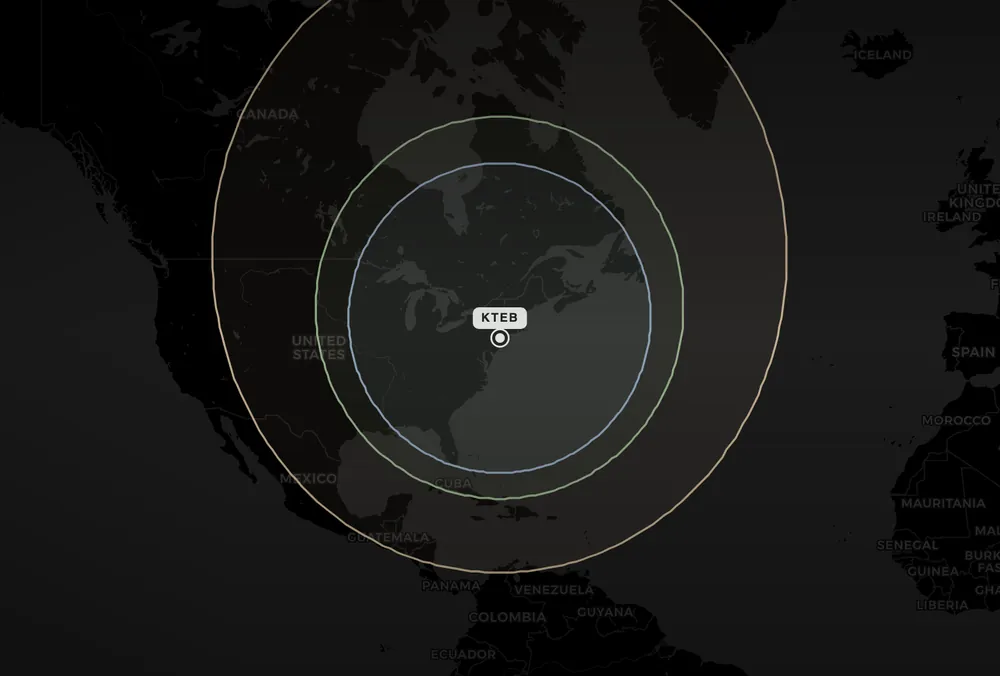
Try Range Explorer
See how far you can fly nonstop
Explore aircraft range, compare options, check flight times, and better understand which aircraft fits your trip.

Ready to fly to St. George?
Request a charter and our team will tailor an itinerary for your next journey.
*Takes only about 40 seconds to request your quote.
