




Destination Hub
Private Jet Charter to St. Croix Island

Arriving into St. Croix Island by private aircraft brings the Caribbean day back under your control, with Henry E. Rohlsen Airport as the primary gateway. The arrival plan can be built around your villa check-in, yacht transfer, or meeting time, so the island begins with a quiet ramp arrival rather than a connection.
Quick facts
Why charter a private jet to St. Croix Island?
A private flight into St. Croix Island is about controlling the day: fewer schedule compromises, a direct arrival plan, and more time for the people and places that brought you to the island.
Why travelers choose to charter
Commercial schedules often ask travelers to build around connections, boarding windows, and fixed departure banks. Charter reverses that order. The aircraft can be timed around your calendar, your guests, and the point on the island where the trip actually begins.
Most itineraries use Henry E. Rohlsen Airport, the primary airport for the island. After that first mention, the operational conversation becomes simpler: STX is the reference point for arrival timing, aircraft parking planning, ground transportation, and any contingency review.
Flexibility without noise
A private itinerary gives advisors room to refine details that matter to seasoned travelers:
- Departure timing shaped around home, business, and villa access.
- Passenger list control for families, principals, assistants, security, or household staff.
- Baggage planning for resort stays, watersports gear, special-occasion wardrobes, or extended-island travel.
- Schedule recovery if weather, crew duty, or late guests require a revised plan.
For travelers comparing private aviation options, the advantage of a private jet charter to St. Croix Island is not extravagance for its own sake; it is the ability to remove unnecessary friction from a trip that should feel unhurried from the first step.
“For peak winter and holiday weeks, our charter desk secures aircraft availability and STX handling first, then aligns ground transfer timing. Early firm dates widen aircraft choice and reduce last-minute positioning pressure.”

When is the best time to fly to St. Croix Island?
The best time to visit St. Croix Island depends on whether you value peak winter conditions and atmosphere or a quieter window with softer demand.
Peak winter months
December, January, February, and March are the island’s strongest charter months. The winter dry season, holiday travel, and demand around the Crucian Christmas Festival all contribute to a busier operating environment, so preferred aircraft and departure times are best secured early.
Travelers planning villa stays, yacht days, family gatherings, or special events during these months should treat aviation and lodging as one coordinated calendar. Locking the aircraft after accommodations are confirmed can work, but the strongest itineraries are often built when both are reviewed together.
Value-oriented months
September and October are typically quieter, with softer lodging and aircraft demand during the hurricane-season window. Flexibility matters more in these months: advisors should build room for weather-aware planning, backup timing, and clear communication with ground teams.
For travelers who can move dates, the shoulder periods around the busiest winter weeks may offer a more relaxed island rhythm while still preserving the comfort and privacy of a tailored charter plan.
Where our clients stay and go
St. Croix Island rewards travelers who prefer depth over spectacle: a broad Caribbean landscape of historic towns, reef-blue water, open roads, and a culture with its own Crucian cadence.
Christiansted brings the island into focus first for many visitors, with pastel facades, shaded arcades, a working waterfront, and the measured pace of a harbor town. Frederiksted, on the western side, has a different mood: wider streets, sunset light, and a beachfront rhythm that feels easy to inhabit rather than staged.
Offshore, Buck Island Reef National Monument gives the seascape its signature clarity. The water shifts from pale turquoise to deeper blue, and the day can move from a quiet breakfast to a boat, a reef, and a return to dinner without ever feeling overproduced.
Inland, the island changes tone again. Roads pass through green hills, old plantation landscapes, small farms, and pockets of rainforest, reminding travelers that this is not a one-note beach destination. The appeal is in the contrast: polished enough for a refined stay, relaxed enough to let the calendar loosen.
Private travelers come for that balance. A villa week can feel secluded without being remote, a business retreat can retain a sense of place, and a family holiday can move between beaches, history, boating, dining, and open-air quiet with very little theatricality. The luxury is not excess; it is having space, time, and the island’s natural pace all working in the same direction.
What determines the cost of a flight to St. Croix Island?
The cost of chartering into St. Croix Island is determined by the aircraft, the itinerary structure, airport-related expenses, seasonal demand, and whether an efficient empty-leg opportunity is available.
Aircraft selection
Aircraft class is one of the central cost drivers because it affects cabin size, luggage capacity, range planning, crew requirements, and operating profile. The right aircraft is not simply the largest available option; it is the one that fits the passenger count, route, baggage, comfort expectations, and schedule with the least unnecessary repositioning.
One-way versus round trip
A round-trip charter may allow the same aircraft and crew to remain connected to your itinerary, while a one-way trip can require positioning before pickup, after drop-off, or both. That positioning time is often a major factor in the final quote, especially when aircraft supply is tighter in the Caribbean.
STX positioning and airport fees
Flights into STX may include charges tied to landing, parking, handling, crew logistics, and overnight planning. These are reviewed during quoting so the itinerary reflects the true operating plan, not just flight time in the air.
Seasonal demand
Peak winter travel can narrow aircraft choice and strengthen demand for preferred departure windows. Holiday weeks and festival-period travel can add pressure to aircraft availability, lodging coordination, and ground arrangements, which is why early planning is useful when dates are firm.
Empty-leg availability
Empty legs can reduce inefficiency when an aircraft already needs to move in the same direction as your trip. They are opportunistic rather than guaranteed, and they usually come with less flexibility than a fully tailored charter, so they are best treated as a possible advantage rather than the foundation of the plan.
Which airports serve St. Croix Island?
St. Croix Island is primarily served by STX, with STT, NRR, SJU, and EIS considered when the broader itinerary, aircraft positioning, or regional access plan makes an alternate more practical.
Henry E. Rohlsen Airport (STX)
STX is the primary airport for the island and the natural first choice for most private arrivals. It keeps the plan focused: land on-island, coordinate handling in one place, and move directly into the ground itinerary without adding an inter-island transfer unless the trip calls for one.
For private travelers staying on the island, STX usually offers the cleanest planning logic. The charter desk can evaluate schedule, aircraft suitability, ground transportation, and local handling as one integrated arrival.
Cyril E King Airport (STT)
STT can be useful when the trip includes a broader U.S. Virgin Islands routing rather than a single-island stay. A traveler combining time across the territory may prefer to position through STT if the aircraft, crew schedule, or passenger flow supports that plan more cleanly.
This airport is best viewed as a strategic alternate, not a default substitute. It may make sense when regional timing, availability, or onward arrangements favor St. Thomas-area access before continuing elsewhere.
Jose Aponte de la Torre Airport (NRR)
NRR gives the charter team another regional option to evaluate, especially for itineraries tied to eastern Puerto Rico or aircraft positioning in that part of the Caribbean. It may be relevant when the most efficient aircraft movement does not begin or end at STX.
For a traveler whose final destination is the island itself, NRR would typically be considered only if the larger routing makes it useful. The advantage is optionality: another airport can sometimes help protect a schedule when aircraft availability or regional logistics are shifting.
Luis Munoz Marin International Airport (SJU)
SJU is the major San Juan gateway and can play a role when a charter itinerary connects with Puerto Rico, commercial airline arrivals, crew logistics, or a more complex Caribbean routing. For groups meeting from different origins, it may be part of a staged travel plan before continuing onward.
Private travelers may also consider SJU when aircraft choice or timing is stronger there than at a smaller regional airport. The decision should be made around the full itinerary, not simply the airport name.
Terrance B. Lettsome International Airport (EIS)
EIS can make sense for travelers extending a trip into the British Virgin Islands or planning a multi-stop charter in the region. If the itinerary includes time beyond the U.S. Virgin Islands, this airport may help reduce unnecessary backtracking.
Because alternates can introduce different procedures, handling requirements, and border considerations, the charter desk should compare the full route before confirming the best airport plan. The right answer is the airport that protects the traveler’s schedule with the least added complexity.
Common questions about St. Croix Island charter
What airport should I use for a private flight to the island?
For St. Croix Island, STX is typically the primary airport to plan around because it keeps the arrival closest to the stay and gives the charter team a clear point for handling and ground coordination.
Can Amalfi Jets look at alternate airports for my itinerary?
Yes, St. Croix Island trips can be reviewed against STT, NRR, SJU, and EIS when aircraft positioning, passenger pickup points, weather planning, or a multi-island schedule makes an alternate worth considering.
What determines the cost of chartering into St. Croix?
For St. Croix Island, cost is shaped by aircraft class, route structure, one-way versus round-trip planning, STX-related fees, seasonal demand, positioning needs, and whether a suitable empty leg is available.
When should I book a winter charter?
For St. Croix Island, December through March should be planned early because dry-season travel, holidays, and Crucian Christmas Festival demand can tighten aircraft choice and preferred departure times.
Are September and October good months for flexible travelers?
For St. Croix Island, September and October can be useful value months for travelers comfortable with hurricane-season planning, softer demand, and a more flexible approach to timing.
How does the charter desk choose between STX and an alternate airport?
For St. Croix Island, the desk starts with STX and then compares alternates only if they improve the full itinerary, including aircraft availability, passenger logistics, onward transfers, and schedule protection.

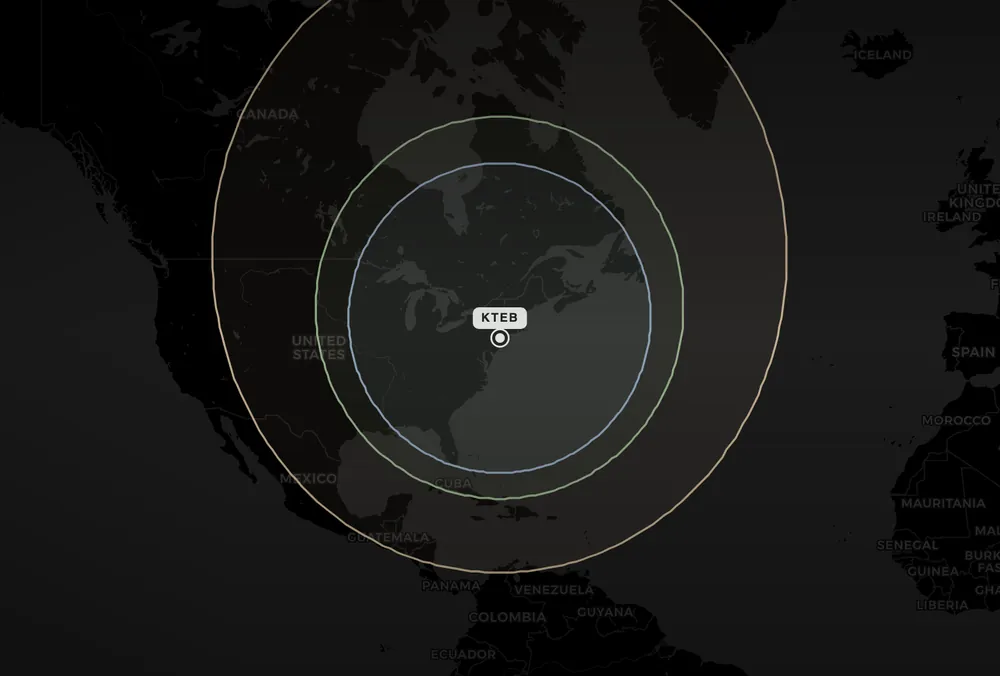
Try Range Explorer
See how far you can fly nonstop
Explore aircraft range, compare options, check flight times, and better understand which aircraft fits your trip.

Ready to fly to St. Croix Island?
Request a charter and our team will tailor an itinerary for your next journey.
*Takes only about 40 seconds to request your quote.
