




Destination Hub
Private Jet Charter to San Antonio

Most private arrivals into the city are planned through San Antonio International Airport (SAT), giving the day a clean, direct shape from touchdown to curbside departure. The experience is less about making a connection and more about preserving the hours around meetings, family plans, Hill Country weekends, and evening reservations.
Quick facts
Why charter a private jet to San Antonio?
Chartering privately into San Antonio lets travelers plan around the day they actually intend to have, with SAT serving as the primary airport and regional alternates available when the ground itinerary calls for them.
A simpler arrival
Commercial schedules often turn a short Texas trip into a sequence of airport timing, terminal waits, and fixed departure windows. A private itinerary reduces that friction by centering the aircraft around your preferred departure time, passenger list, luggage needs, and arrival plan.
Flexibility across the region
Many trips combine downtown meetings, River Walk hotels, Hill Country homes, ranch visits, university stops, medical appointments, or weekend events. Chartering allows the airport choice to follow the geography of the trip rather than forcing every traveler through the same path.
Time saved on the margins
The real value is often found before and after the flight. Passengers can avoid connections, coordinate ground transportation directly with the arrival plan, and adjust timing when meetings run long or weather requires a more careful operating decision.
Discretion for high-touch travel
Private aviation also keeps the movement quiet. Families, executives, entertainers, and advisors can travel with fewer public touchpoints, keep luggage and equipment together, and maintain control over the pace of the day.
“We secure the preferred SAT handling plan first, then compare SSF, 5C1, BAZ, and HYI against your final address. For February through April, firm dates confirmed earlier usually widen aircraft choice.”

When is the best time to fly to San Antonio?
The best time to visit San Antonio depends on whether you prioritize mild weather, marquee citywide demand periods, or easier aircraft availability.
Peak months
February, March, and April are the months to plan furthest ahead. The Stock Show & Rodeo, spring break travel, Fiesta, and comfortable spring weather all increase demand, so firm dates benefit from early confirmation and a clear airport plan.
Value months
January, August, and September are often more flexible. After the holidays, travel patterns tend to settle, while late-summer heat can soften demand and improve aircraft availability for travelers who are comfortable building the day around cooler morning or evening movements.
Planning advice
If your dates are tied to a wedding, board meeting, festival, or school calendar, treat the itinerary as fixed and reserve early. When your schedule can shift by a day or departure window, the charter desk has more room to compare aircraft, routing, and alternates.
Where our clients stay and go
San Antonio is a city of limestone light, river bends, mission walls, and courtyard evenings, drawing private travelers who want Texas history with a slower, more textured rhythm.
On the river
The city’s most recognizable geography is intimate rather than vertical. Paths trace the water below street level, cypress trees lean into the shade, and hotels, restaurants, and stone bridges turn the River Walk into a place best approached on foot after the flight has done its work.
History with daily life around it
The Alamo anchors the civic imagination, but the larger story stretches through the Spanish colonial missions, neighborhood plazas, market halls, and old trade routes that still shape how the place feels. Culture here is not sealed behind museum glass; it appears in tilework, church bells, barbecue smoke, mariachi notes, and the pace of a long dinner.
Why travelers come
Private guests arrive for corporate retreats, ranch weekends, weddings, medical travel, military ceremonies, university visits, sporting weekends, and Hill Country escapes. The appeal is that the itinerary can move from a downtown suite to a mission trail, from a boardroom to a shaded patio, without asking the city to become louder than it is.
The wider setting
North and west, the land begins to rise toward the Hill Country. East and south, the landscape opens into working Texas, with wide skies and warm evenings that make arrival feel less like entering a metropolis than joining a region with deep memory.
What determines the cost of a flight to San Antonio?
The cost to charter into San Antonio is determined by the aircraft selected, trip structure, SAT fees and positioning, seasonal demand, and the availability of empty-leg options.
Aircraft class and cabin requirements
Aircraft category is one of the first drivers. Cabin size, luggage volume, passenger count, nonstop planning, onboard service preferences, and scheduling range all influence which aircraft are appropriate for the mission.
One-way versus round trip
A one-way itinerary may require the aircraft to reposition before or after your flight, while a round trip can sometimes keep the same aircraft and crew attached to the journey. The more efficiently an aircraft can be routed, the more favorable the planning can become.
SAT positioning and airport fees
Flights using SAT may include airport-related fees, handling charges, and positioning considerations tied to aircraft availability. If the best aircraft is not already nearby, the quote may reflect the movement needed to bring it into place for your departure.
Seasonal demand
February, March, and April typically bring tighter availability as the Stock Show & Rodeo, spring break, Fiesta, and mild weather increase travel demand. January, August, and September can be more favorable for flexibility because the post-holiday lull and late-summer heat usually ease pressure on aircraft supply.
Empty-leg availability
Empty legs can be useful when an aircraft already needs to move in the right direction, but they are schedule-dependent and less flexible than a dedicated charter. They are best treated as an opportunity, not the foundation of a firm itinerary.
Which airports serve San Antonio?
For arrivals to the city, San Antonio International Airport (SAT) is the primary airport, with Stinson Municipal Airport (SSF), Boerne Stage Field Airport (5C1), New Braunfels Municipal Airport (BAZ), and San Marcos Municipal Airport (HYI) available as regional alternatives.
SAT
SAT is the natural first plan when the trip is centered on downtown, the northern business districts, major hotels, or a simple citywide ground transfer. It keeps the itinerary straightforward: one primary arrival point, one handling plan, and a clear path for coordinating vehicles, luggage, and passenger timing.
Stinson Municipal Airport (SSF)
SSF can make sense when a traveler wants an alternate field with a more general-aviation feel or when the day points toward the southern side of the region. It is also worth reviewing during peak periods, when shifting away from the primary airport may help the desk explore a calmer arrival or departure plan.
Boerne Stage Field Airport (5C1)
5C1 is best considered when the trip is really about the Boerne side of the map, a Hill Country residence, or a schedule that would lose time by routing every vehicle back through the central city. Its value is geographic: the airport can align the aircraft with a western or northwest-leaning ground plan.
New Braunfels Municipal Airport (BAZ)
BAZ is useful when New Braunfels, nearby river-country plans, or northeastern regional meetings are the center of gravity. Rather than treating the main city airport as automatic, the charter desk can compare whether this alternate shortens the ground portion and better protects the day.
San Marcos Municipal Airport (HYI)
HYI belongs in the conversation when the itinerary reaches toward San Marcos, university-related travel, or the broader Central Texas corridor. It may also be reviewed when aircraft availability, ramp flow, or passenger geography makes a regional airport more practical than forcing all movement through SAT.
How the desk chooses
Airport selection starts with the final address, passenger timing, aircraft requirements, handler availability, and ground transportation plan. The best choice is not always the largest airport; it is the one that makes the full journey feel composed.
Common questions about San Antonio charter
Which airport should I use for my arrival?
Most private flights into San Antonio use SAT, with SSF, 5C1, BAZ, and HYI considered when the ground plan points closer to another part of the region.
Can I choose one of the alternate airports instead of SAT?
Yes, San Antonio itineraries can be planned through alternates such as SSF, 5C1, BAZ, or HYI when they better match your final address, aircraft requirements, or desired handling plan.
What determines the cost of chartering into the city?
Costs for San Antonio flights are shaped by aircraft category, trip length, one-way or round-trip structure, airport fees and handling at SAT, seasonal demand, repositioning, and any empty-leg options.
When should I book for the busiest months?
February, March, and April are peak months for San Antonio because rodeo demand, spring break, Fiesta, and mild weather compress aircraft availability.
How early should I confirm my itinerary?
For San Antonio travel in February through April, earlier confirmation gives the charter desk more aircraft choice and more time to coordinate arrival preferences, ground transport, and alternates.

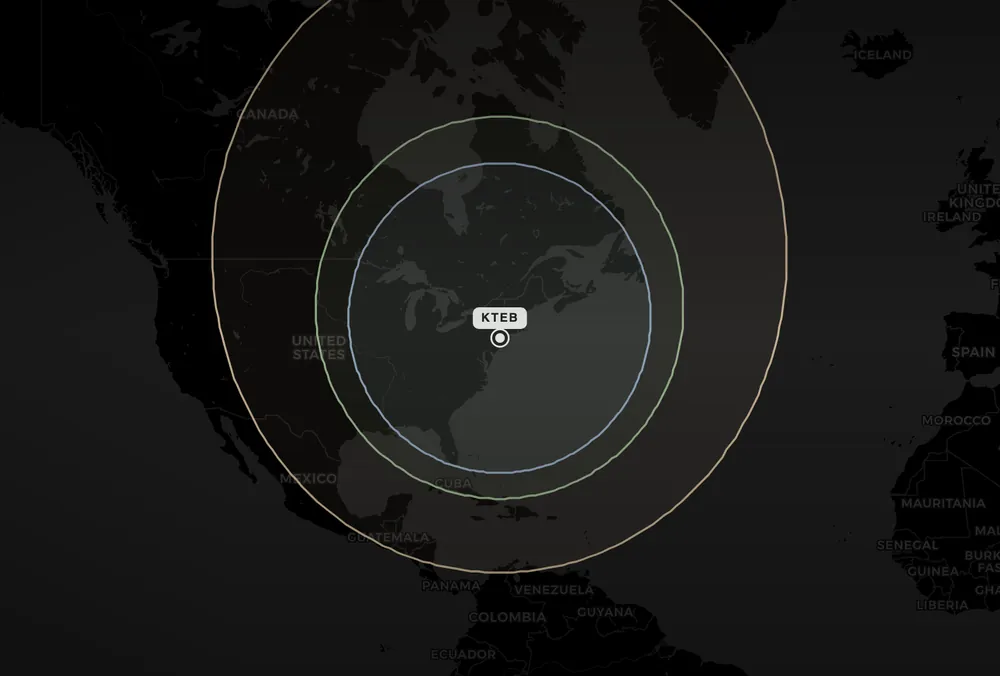
Try Range Explorer
See how far you can fly nonstop
Explore aircraft range, compare options, check flight times, and better understand which aircraft fits your trip.

Ready to fly to San Antonio?
Request a charter and our team will tailor an itinerary for your next journey.
*Takes only about 40 seconds to request your quote.
