



Destination Hub
Private Jet Charter to Montreal

Arriving into Montreal by private aircraft is a study in control: your schedule, your cabin, and a ground plan built around Montreal-Trudeau Airport. YUL keeps the arrival simple for travelers bound for downtown hotels, Old Port dinners, Westmount residences, or meetings that cannot wait.
Quick facts
Why charter a private jet to Montreal?
Chartering privately into Montreal gives travelers a more precise way to reach the city, especially when the calendar is built around meetings, performances, family weekends, or summer events.
Why private flyers choose this route
Commercial schedules ask travelers to work around departure banks, connections, and terminal time. A private flight reverses that equation: the departure time is planned around the passengers, the cabin is dedicated to the party, and the arrival can be coordinated with the driver, hotel, security team, or receiving host.
YUL is the primary airport for the city, which makes it the natural first planning point for most itineraries. For many clients, that means fewer moving parts: one airfield to coordinate, one handling plan to confirm, and one arrival flow for baggage, catering, and ground transportation.
Flexibility when plans move
The advantage becomes most visible when the day changes. A board meeting runs long, a dinner moves earlier, a family decides to extend the weekend, or weather elsewhere affects a connection that no longer needs to exist. Private aviation allows the itinerary to be managed as a live schedule rather than a fixed ticket.
Alternate airports may also be considered when the ground plan points away from the core of the city or when availability, congestion, or passenger preference calls for another option. St. Hubert Airport, Montréal-Mirabel International Airport, and Bromont Airport each give the charter desk another way to shape the trip without forcing every arrival through the same path.
Time saved, quietly
The value is not only the flight itself. It is the ability to reduce avoidable waiting, keep companions together, hold a confidential conversation in flight, and step into the next part of the day with fewer interruptions.
For travelers arranging private aviation to Montreal, the best itinerary is rarely the most complicated one. It is the one that protects the purpose of the trip, from the first departure slot to the last handoff on the ground.
“Our charter desk secures YUL handling first, then checks whether YHU, YMX, or ZBM better fits the ground plan. For firm June, July, and August travel, earlier confirmation widens aircraft choice.”

When is the best time to fly to Montreal?
The best time to visit Montreal depends on whether the trip is built around summer energy, cultural events, or quieter access to the city.
Peak summer months
June, July, and August are the busiest planning months for many private travelers. Grand Prix, Jazz Festival, Osheaga, Pride, and peak summer leisure travel all place more pressure on aircraft availability, hotel inventory, restaurant calendars, and ground movements.
Warm weather also changes the rhythm of the city. Terraces fill, the Old Port stays animated into the evening, and neighborhoods such as the Plateau and Mile End are easy to explore between meetings, dinners, and performances.
For firm summer dates, early booking matters. The closer travel falls to a major event or popular weekend, the more important it becomes to secure aircraft, crew, handling, catering, and ground transportation in the right order.
Value-oriented periods
January, April, and November can be more favorable for travelers who have flexibility. Cold post-holiday weeks and shoulder-season lulls tend to soften demand, which may improve aircraft availability and create more room to shape the schedule.
Winter rewards travelers who come for restaurants, galleries, private meetings, and a city that feels more local once the peak leisure rush has passed. Spring and late fall are useful for business trips, scouting visits, and shorter escapes where the priority is ease rather than spectacle.
Planning advice by trip type
Event-led travel should be treated as a fixed-date mission. Leisure trips with flexible arrival or departure times can often benefit from a wider aircraft search. Business itineraries should be built around the most important appointment first, then worked backward through flight timing, airport selection, and ground transfers.
Where our clients stay and go
Montreal feels European in its street life and North American in its scale, a river city with stone facades, glass towers, and Mount Royal rising above the grid.
The setting gives the city much of its character. Water frames the approach, the St. Lawrence shapes the old port, and the mountain remains a visual anchor from downtown, Westmount, and the central neighborhoods that private travelers often use as their base.
A city of distinct quarters
Old Montréal carries the most cinematic first impression: cobblestone streets, heritage buildings, church spires, galleries, and restaurants tucked into converted warehouses near the water. It suits travelers who want atmosphere close to dinner reservations, cultural stops, and evening walks along the port.
Downtown is more practical and vertical, with major hotels, offices, shopping, and performance venues within a compact business core. For executives, it keeps meetings close together and makes a short stay feel less compressed.
The Plateau and Mile End bring a different register: staircases, murals, bakeries, design shops, music, and cafés that turn a few free hours into a real sense of place. These neighborhoods are not polished in the hotel-lobby sense; they are lived-in, creative, and full of the small rituals that make the city memorable.
What draws private travelers
Food is a serious part of the trip here, from formal dining rooms to late-night counters and neighborhood institutions. Art, fashion, universities, festivals, architecture, and family ties all bring people in for reasons that rarely fit a standard airline weekend.
The city is also useful. It works for a board meeting, a production visit, a university drop-off, a discreet celebration, or a summer itinerary that pairs culture with time in the Eastern Townships or the Laurentians.
The pace on arrival
A private arrival lets the city unfold on the traveler’s terms. Step off the aircraft, meet the car, and the next scene can be a suite above downtown, a quiet table in Old Montréal, a residence on the mountain side, or a drive beyond the island.
The best version of the trip is not rushed. It leaves space for the light on the river, the view from Mount Royal, and the shift in language and mood that makes the city feel close to home and elsewhere at the same time.
What determines the cost of a flight to Montreal?
The cost of chartering into Montreal is determined by the aircraft selected, the itinerary structure, airport handling, seasonal demand, and the availability of repositioning opportunities.
Aircraft selection
Aircraft class is one of the first variables a charter advisor evaluates. The right fit depends on the number of passengers, luggage profile, cabin preference, nonstop routing goals, onboard service expectations, and the schedule for the day.
A larger cabin, more specialized onboard experience, or more complex routing can change the charter economics. The goal is not simply to choose the largest aircraft available, but to match the aircraft to the mission with an appropriate balance of comfort, performance, and availability.
One-way versus round trip
A one-way itinerary and a round trip can price differently because the aircraft and crew still need a logical operating plan. If the aircraft can remain in position for the return, that may be handled differently from a trip where the jet must reposition elsewhere after drop-off.
A round trip with firm times can sometimes create a cleaner schedule for the operator. By contrast, an open-ended stay may require more flexibility, more coordination, or a different aircraft solution.
YUL positioning and airport-related charges
YUL is the primary planning point for most arrivals, and the final quote reflects the operational details connected to the airport. Handling, parking, crew logistics, catering, deicing needs in colder periods, and any required aircraft positioning are all reviewed before a trip is confirmed.
If the best available aircraft is not already near the departure point, repositioning can affect the final charter structure. An advisor will look for the most efficient aircraft location before presenting options.
Seasonal demand
June, July, and August bring stronger demand because of Grand Prix, Jazz Festival, Osheaga, Pride, and peak summer leisure travel. During those weeks, aircraft choice can narrow faster, and preferred departure times may require more lead time.
January, April, and November often see softer demand, particularly during cold post-holiday periods and shoulder-season lulls. Those windows can improve aircraft availability for travelers with flexible dates.
Empty-leg availability
Empty legs may reduce the cost of a suitable one-way trip when an aircraft already needs to reposition along a compatible route. They are opportunistic rather than guaranteed, and they usually come with less flexibility than a dedicated charter.
The strongest pricing conversation starts with clear timing, passenger count, luggage needs, and preferred airports. From there, the charter desk can compare dedicated aircraft, repositioning requirements, and any viable empty-leg options without compromising the purpose of the trip.
Which airports serve Montreal?
Montreal is primarily served by Montreal-Trudeau Airport (YUL), with St. Hubert Airport, Montréal-Mirabel International Airport, and Bromont Airport available as alternates when the itinerary calls for a different ground plan.
YUL for the primary arrival
YUL is the default starting point for most private itineraries into the city. It is the airport most travelers expect to use when the final destination is downtown, the Old Port, Westmount, university districts, business appointments, or major hotels.
Choosing the primary airport keeps the operation straightforward. The charter desk can focus on confirming handling, arrival timing, catering, baggage flow, and onward transportation without adding an unnecessary alternate unless it improves the trip.
St. Hubert Airport for an alternate on the regional side
St. Hubert Airport can make sense when the traveler’s day is oriented away from the central island or when an alternate airport better supports the schedule. It is especially useful to evaluate when the receiving address, ground traffic pattern, or aircraft availability points toward a different arrival path.
This is not a substitute chosen by habit. It is a planning option used when it reduces friction for the passengers or gives the operating team a cleaner solution.
Montréal-Mirabel International Airport for specialized planning
YMX is best considered when the trip benefits from a less central airport environment or when operational availability makes it preferable to the primary field. Its role as a secondary airport gives the charter desk another option when the overall mission calls for flexibility.
For private travelers, the question is practical: does Mirabel improve the door-to-door plan, simplify aircraft positioning, or support a schedule that would be less efficient through YUL? If the answer is yes, it belongs in the airport discussion.
Bromont Airport for the Eastern Townships side of the trip
ZBM is most relevant when the itinerary points toward Bromont or the surrounding resort and country-house region rather than the city center. It can be a useful alternate for travelers whose final destination lies beyond the urban core.
A charter advisor will evaluate Bromont only when it improves the ground portion of the journey and fits the aircraft, weather, handling, and passenger requirements. For the right trip, that can mean arriving closer to the purpose of the visit instead of defaulting to a city airport and driving back out.
How the final airport is chosen
The best airport is the one that protects the full itinerary. Passenger address, aircraft availability, customs and handling needs, seasonal congestion, catering, crew logistics, and onward transportation all matter.
Most trips begin with YUL as the baseline. From there, the charter desk compares the alternates only if they create a better experience on the ground or a more efficient operating plan in the air.
Common questions about Montreal charter
Which airport should I use when flying privately into Montreal?
Most private travelers into Montreal start with YUL because it is the primary airport for the city and keeps the arrival plan straightforward for downtown, hotel, and business itineraries.
Can I use a secondary airport instead of YUL?
Yes, Montreal itineraries can be reviewed for YHU, YMX, or ZBM when an alternate better matches the passenger address, aircraft availability, or onward ground plan.
What determines the cost of chartering into Montreal?
Charter cost into Montreal is shaped by aircraft selection, itinerary type, aircraft positioning, airport handling, seasonal demand, and whether a suitable empty leg is available.
When should I book for a summer event trip?
For Montreal travel in June, July, or August, it is best to confirm early because Grand Prix, Jazz Festival, Osheaga, Pride, and summer leisure demand can reduce aircraft choice.
Is Bromont Airport useful for a city trip?
Bromont Airport may be useful for Montreal travelers whose final destination is outside the urban core, especially when the ground itinerary points toward Bromont or the Eastern Townships.

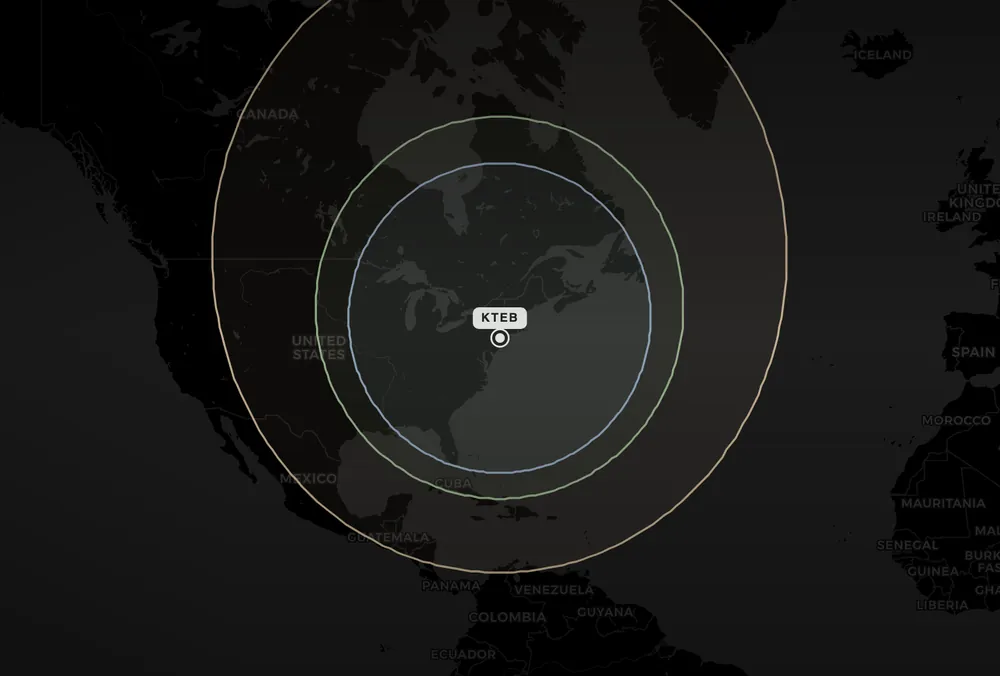
Try Range Explorer
See how far you can fly nonstop
Explore aircraft range, compare options, check flight times, and better understand which aircraft fits your trip.

Ready to fly to Montreal?
Request a charter and our team will tailor an itinerary for your next journey.
*Takes only about 40 seconds to request your quote.
