



Destination Hub
Private Jet Charter to Milan
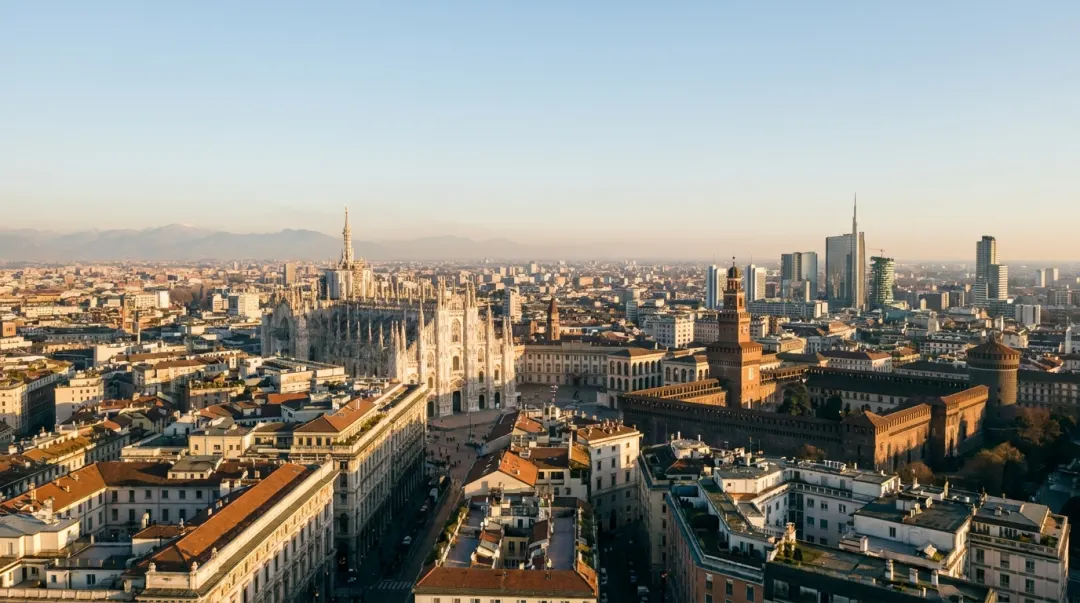
Private arrivals into Milan are most straightforward when the itinerary is built around Aeroporto di Milano Linate, the primary airport for the city. Your charter day can be organized around meetings, showroom appointments, hotel arrivals, and onward ground plans instead of fixed airline schedules.
Quick facts
Why charter a private jet to Milan?
Chartering privately into Milan gives travelers control over timing, routing, and arrival flow in a city where business, fashion, design, and private appointments often sit on the same calendar.
Why private aviation suits the city
A trip here is often tightly scheduled: a morning board meeting, an afternoon fitting, a dinner in Brera, or a transfer onward into Lombardy. Private charter keeps those pieces connected by placing the flight around the itinerary rather than forcing the itinerary around a published timetable.
Airport access with a single plan
Aeroporto di Milano Linate is the primary airport for this destination, making LIN the natural starting point for many private arrivals. Once the aircraft, handling, and ground transport are aligned, the arrival can feel composed from ramp to car.
Flexibility when plans move
Private travel is valuable when the day changes. A meeting runs long, a hotel arrival shifts, or a return needs to move earlier; the charter team can work with the operator and ground team to adjust where possible, subject to aircraft, crew, airport, and slot availability.
Time saved where it matters
The advantage is not only the flight. It is the reduction of friction around the day: fewer schedule compromises, direct coordination with the passenger manifest, luggage planning that matches the trip, and a departure time chosen for the people flying.
“For peak fashion and design weeks, we secure the preferred airport plan and aircraft availability first; firm dates early in the process usually widen the choice of aircraft and departure times.”

When is the best time to fly to Milan?
The best time to visit Milan depends on the purpose of the trip, with February, April, and September drawing especially strong private-travel demand.
Peak periods
February and September are shaped by fashion calendars, when showrooms, hotels, drivers, restaurants, and aircraft availability can all tighten. April brings Salone del Mobile and Design Week, turning the city into a global design forum with demand spread across business meetings, private previews, dinners, and brand events.
During these months, firm dates should be secured early. Aircraft choice, preferred departure times, and ground arrangements are easier to shape before the city’s most compressed weeks are underway.
Value-minded timing
January, August, and November can feel quieter for different reasons. The post-holiday lull in January may soften demand, August is affected by Ferragosto closures and a slower local rhythm, and November often brings a damp late-fall atmosphere with fewer leisure crowds.
Those periods can suit travelers who want a more discreet pace: private shopping appointments, museum time, design research, or business visits without the same intensity around hotels and city calendars.
Editorial timing advice
For fixed-event travel, book as soon as the dates are firm. For travelers with flexibility, consider shifting arrival or departure away from the busiest opening and closing days of major fashion and design weeks, then let the charter desk compare aircraft, airport, and ground options.
Where our clients stay and go
Milan rewards travelers who appreciate precision: a city of tailored appointments, measured elegance, and quick transitions between finance, fashion, design, art, and dinner.
A northern Italian capital of style and work
Set in Lombardy, the city carries a different rhythm from Italy’s more languid destinations. Mornings feel purposeful around business districts and ateliers; afternoons move through galleries, showrooms, and boutiques; evenings soften into aperitivo, private dining, and quiet courtyards behind heavy doors.
The city in detail
The Duomo anchors the center with pale stone and intricate spires, while the Galleria Vittorio Emanuele II turns shopping into theater under glass and iron. Brera brings a more intimate texture: art, narrow streets, polished cafés, and design addresses that reward unhurried wandering.
Porta Nuova and the surrounding modern skyline show another face of the city, all steel, glass, and ambition. Around the Navigli, water changes the mood; canals, low bridges, and evening light give the city a more relaxed edge without leaving its urban discipline behind.
What draws private travelers
The appeal is often access. A private traveler may come for couture fittings, a design fair, a board meeting, a collector’s appointment, or a short stay before Lake Como, the Alps, or another European capital. The city suits people who move quickly but still care deeply about where they land, dine, meet, and sleep.
Luxury here is rarely loud. It is found in punctual cars, a table held at the right hour, a showroom opened by appointment, a museum visited before dinner, and a flight plan that respects the day’s exact shape.
What determines the cost of a flight to Milan?
The cost of chartering into Milan is shaped by the aircraft selected, the itinerary structure, airport planning at LIN, seasonal demand, and the availability of suitable empty-leg opportunities.
Aircraft selection
Aircraft class is one of the central cost drivers. The right category depends on passenger count, luggage needs, cabin preferences, routing, and schedule expectations. A larger cabin, longer routing, or more complex service profile can change the quote, while a simpler regional itinerary may present a different set of options.
One-way versus round trip
A one-way charter and a round trip are priced differently because the aircraft and crew still have to be positioned efficiently. If the aircraft can remain with the passengers and return as planned, the structure may be more straightforward. If it must reposition before or after the passenger flight, that movement becomes part of the planning conversation.
LIN positioning and airport-related fees
When the trip is built around Aeroporto di Milano Linate, the quote reflects more than flight time. Handling, parking, crew logistics, airport permissions, and any required positioning all influence the final charter proposal. The charter desk evaluates the complete movement, not only the passenger sector.
Seasonal demand
February, April, and September can be more competitive because Fashion Weeks, Salone del Mobile and Design Week, and luxury-business travel concentrate demand. During those periods, earlier confirmation can widen aircraft choice and improve scheduling flexibility.
Empty-leg availability
Empty legs can occasionally offer value when an aircraft is already scheduled to reposition in a compatible direction. They are opportunistic rather than guaranteed, and they work best for travelers with some flexibility around timing, routing, and airport choice.
Which airports serve Milan?
Milan is served by LIN as the primary charter gateway, with Bresso Airport, Milano Malpensa Airport, and Orio al Serio International Airport available as secondary options when the itinerary calls for a different plan.
Aeroporto di Milano Linate (LIN)
LIN is the first airport to evaluate for many private itineraries because it is the stated primary airport for the city. It is especially compelling when the day is centered on central hotels, business meetings, fashion houses, private shopping, or dinner reservations that require a clean arrival-to-car sequence.
A charter plan through this airport should be confirmed with handling, parking, schedule, and ground transport in mind. During heavier demand periods, securing the preferred arrival and departure framework early can make the rest of the trip easier to organize.
Bresso Airport (LIMB)
Bresso Airport may be considered when the charter desk determines that the passenger itinerary, aircraft plan, and local handling environment make it suitable. Its value is not simply that it appears on the airport map; it is that an alternate field can sometimes align better with a specific ground destination or operational requirement after review.
Because private aviation is highly itinerary-specific, this option should be assessed rather than assumed. The desk would confirm feasibility first, then compare it against LIN and the wider airport set.
Milano Malpensa Airport (MXP)
MXP can be useful when a traveler’s plans point beyond the immediate city center or when the overall aircraft, crew, parking, or schedule picture makes a larger airport environment more appropriate. It may also make sense for itineraries connected to the broader Lombardy region or onward travel patterns.
For private travelers, the decision is practical: choose Malpensa when it better supports the full movement, not merely because it is familiar. The right answer depends on where the passengers are going on the ground and how the aircraft is operating before and after the trip.
Orio al Serio International Airport (BGY)
BGY is a secondary airport to consider for plans oriented toward the eastern side of the region, Bergamo-area commitments, or situations where an alternate airport may reduce schedule pressure. It can also be reviewed when LIN availability is constrained during peak citywide demand.
The choice should be made with ground routing in mind. A well-planned charter does not default to the largest name on the list; it matches the airport to the passenger’s first meeting, hotel, estate, or onward transfer.
How the charter desk compares them
The best airport is the one that supports the whole day: passenger schedule, aircraft positioning, handling availability, luggage, ground transport, and the final destination after landing. LIN is the primary point of reference, while LIMB, MXP, and BGY become valuable when the itinerary benefits from an alternate.
Routes to & from Milan
Common questions about Milan charter
Which airport is primary for private flights into Milan?
For Milan, Aeroporto di Milano Linate is the primary airport and the first option most charter plans evaluate for a streamlined city arrival.
Can I use another airport besides LIN?
Yes, Milan can also be planned through Bresso Airport, Milano Malpensa Airport, or Orio al Serio International Airport when the itinerary, handling, and ground route make an alternate more suitable.
What determines the cost of chartering into Milan?
The cost of chartering into Milan depends on aircraft class, routing, one-way or round-trip structure, airport planning, seasonal demand, positioning needs, and any suitable empty-leg availability.
When should I book for fashion or design weeks?
For Milan, February, April, and September should be booked early because fashion calendars, Salone del Mobile, Design Week, and luxury-business travel can tighten aircraft choice and preferred timing.
Is an empty leg a good option for this route?
An empty leg can work for Milan when an aircraft is already repositioning in a compatible direction, but it is best for travelers who can stay flexible on timing, airport choice, and routing.

Try Range Explorer
See how far you can fly nonstop
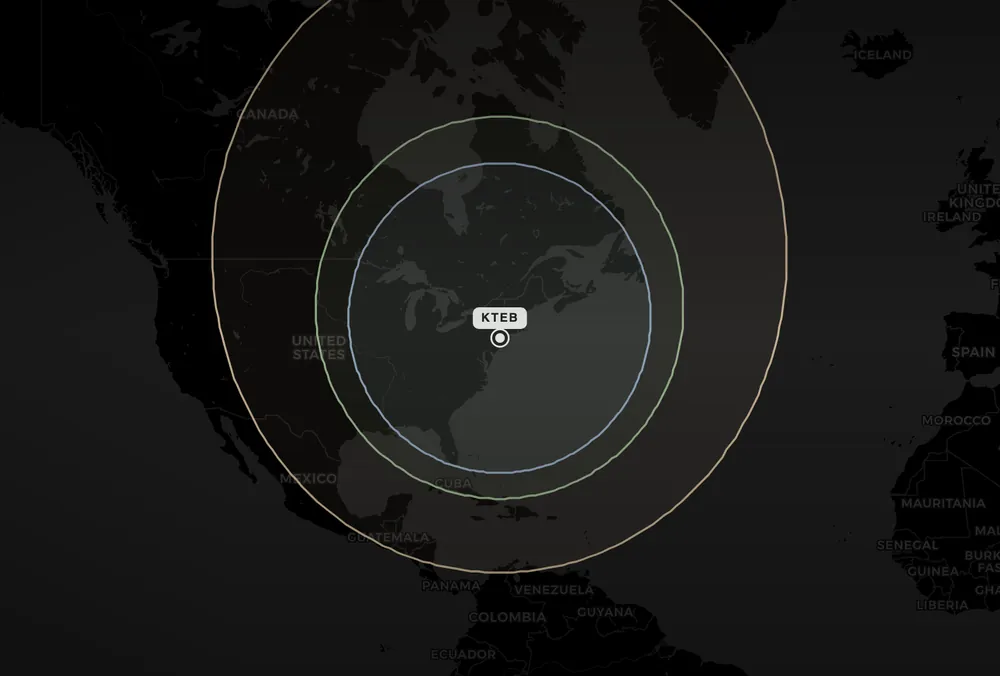
Explore aircraft range, compare options, check flight times, and better understand which aircraft fits your trip.

Ready to fly to Milan?
Request a charter and our team will tailor an itinerary for your next journey.
*Takes only about 40 seconds to request your quote.
