




Destination Hub
Private Jet Charter to London

Arriving by private jet into the capital is most seamless when the journey is built around London Luton Airport (LTN), with the aircraft, handling, and onward plan organized before departure. From the ramp, the day stays private and direct: no connections, no airline timetable, and no unnecessary time between arrival and the city.
Quick facts
Why charter a private jet to London?
Private flying into London gives travelers control over the parts of the journey that matter most: departure time, airport choice, ground coordination, and the pace of the day. Airline schedules can be useful for simple trips, but a charter lets the itinerary serve the meeting, the weekend, the family calendar, or the onward connection.
A simpler arrival
London Luton Airport is the primary gateway for Amalfi Jets itineraries to the capital, giving the charter desk a clear starting point for handling, arrival timing, and ground transfer planning. After the first request, LTN can also be weighed against alternate airports when another field better suits the final address or operating picture.
Time protected from end to end
Meetings in Mayfair, dinners in Soho, board sessions in the City, and weekends in the country all place different demands on a schedule. A private charter keeps the aircraft aligned to the traveler, rather than asking the traveler to build the day around a published departure.
Flexibility beyond the airport
For discerning travelers, the benefit is not only privacy in the cabin. It is the ability to revise a departure window, add a passenger, adjust ground transport, or plan around a peak social week with one coordinated team managing the moving parts.
Fewer transitions
Instead of moving through a crowded terminal flow, the private charter experience is built around a shorter, more discreet sequence. Because every minute on the ground affects the rest of the itinerary, Amalfi Jets focuses first on airport suitability, aircraft availability, and the cleanest timing for the trip.
“For London we book LTN first and compare FAB, BQH, and LCY only when the aircraft, routing, and schedule support a better plan. For London travel in any season, confirm handling as early as the itinerary is firm.”

When is the best time to fly to London?
The best time to visit London depends on whether the priority is atmosphere, access, or aircraft availability. The city is active year-round, but private-aviation demand changes noticeably around the social calendar.
Peak months
May, June, and July are the busiest months for many luxury itineraries. The Chelsea Flower Show, Royal Ascot, Wimbledon, and the wider summer season bring a concentration of visitors, private events, hospitality, and onward country-house travel.
Fixed dates during these months should be planned early. Aircraft choice, preferred arrival windows, and ground arrangements can all become more competitive when major events overlap with business travel and leisure demand.
Value months
January, February, and March often bring a softer leisure market after the holidays. Travelers with flexible dates may find better aircraft availability during this winter lull, especially when the itinerary does not depend on a specific event or weekend.
Planning advice
Shoulder periods can be especially practical for travelers who want the museums, restaurants, galleries, hotels, and private appointments without the strongest summer pressure. For firm dates, especially around marquee events, early confirmation remains the cleanest way to protect choice.
Where our clients stay and go
London draws private travelers because it compresses finance, culture, fashion, art, diplomacy, and private life into one intensely navigable capital. The city feels layered rather than uniform: Georgian squares, glass towers, royal parks, narrow lanes, and the Thames cutting a silver line through the center.
A city of arrivals
From the air, the approach gives a sense of scale before the itinerary begins. The river bends past bridges and embankments, the skyline rises in distinct clusters, and neighborhoods change character quickly from one address to the next.
Morning might begin with a boardroom in the City, continue with a private viewing in Mayfair, and end in a dining room where the room itself matters as much as the reservation. By the following day, the same trip may turn toward Richmond, Hampstead, Chelsea, or a country-house weekend beyond the ring of the capital.
Why it suits private travel
Private travelers come to London for trips that rarely sit neatly in a commercial schedule. An investor may need a same-day return, a family may want privacy after an overnight flight, and a host may need the aircraft held for a precise departure after an event.
Evenings carry their own rhythm: headlights along the Embankment, wet stone after rain, hotel lobbies glowing behind polished brass, and black cars moving quietly between dinner, theater, and home. The appeal is not spectacle alone, but control — the ability to move through a global city with calm, discretion, and a plan that feels personal.
What determines the cost of a flight to London?
The cost of chartering into London is determined by aircraft selection, routing structure, airport positioning, seasonal demand, and available supply. A quote is never just a cabin choice; it reflects how the aircraft, crew, airport, and schedule fit together on the day of travel.
Aircraft class and routing
Aircraft category influences cabin space, luggage planning, crew requirements, and operating profile. A one-way itinerary may price differently from a round trip because the aircraft may need to reposition before or after the passenger flight, while a round trip can sometimes keep the aircraft and crew aligned around the traveler’s schedule.
Positioning and airport fees
LTN positioning is an important part of the charter picture. Parking, handling, airport fees, crew logistics, and aircraft availability can all affect the final structure of a trip, especially when the preferred departure or arrival time falls during a busy operating period.
Seasonal demand
Demand rises during the late spring and early summer social calendar. May, June, and July bring the Chelsea Flower Show, Royal Ascot, Wimbledon, and a concentration of high-profile leisure and business travel, so aircraft choice can tighten and lead times become more important.
Empty-leg availability
Empty-leg opportunities can occasionally improve value when an aircraft is already moving in the right direction. They are schedule-dependent, less flexible than a standard charter, and best suited to travelers who can move with the aircraft rather than require the aircraft to move around them.
Which airports serve London?
LTN, FAB, BQH, and LCY are the private-flight airport choices for London, selected by ground address, schedule, handling needs, and congestion. The right airport is the one that makes the whole journey work cleanly, not simply the one that looks closest on a map.
LTN: London Luton Airport
For Amalfi Jets, LTN is the primary planning anchor for private arrivals into the capital. It is often the first airport the charter desk evaluates because it supports private aviation planning and gives the trip a clear operational base for handling, aircraft timing, and onward ground coordination.
It can be especially useful when the traveler wants a familiar private-flight gateway and a straightforward plan that can be built early. When demand is heavy, confirming the preferred arrival and departure windows as soon as the schedule is firm helps protect aircraft choice and airport coordination.
FAB: Farnborough Airport
Farnborough is a strong alternate when the traveler’s ground plans point west or southwest of the city, or when a dedicated business-aviation environment is preferred. It can make sense for itineraries that continue toward the country, the Thames Valley, or meetings outside the central core.
Choose FAB when the quality of the private-airport experience and the ground route align better than the primary plan. Its role as an alternate is not secondary in service; it is a strategic choice when the final address or operating conditions make it cleaner.
BQH: Biggin Hill Airport
Biggin Hill is often considered for travelers whose plans sit south or southeast of the capital, or for itineraries where an alternate private-aviation field may simplify the day. It gives the charter desk another way to route the trip when timing, traffic patterns, or the final destination suggest a different approach.
This airport can be useful for private travelers who value discretion and a less conventional arrival path. As with any alternate, the best decision depends on aircraft availability, airport suitability, and the road plan after landing.
LCY: London City Airport
LCY is the airport to consider when the traveler’s final address is tied closely to the eastern business districts, the City, Canary Wharf, or the Royal Docks area. Its central feel can be appealing, but suitability must always be checked against the aircraft, schedule, and airport operating requirements for the specific trip.
Consider LCY when proximity to an eastern address matters enough to justify evaluating it first. Because it is a distinct operating environment, Amalfi Jets confirms feasibility before treating it as the preferred arrival point.
Routes to & from London
Common questions about London charter
Which airport is best for a private jet arrival?
London itineraries are normally planned through LTN first, with FAB, BQH, and LCY evaluated when the traveler’s ground address, timing, or operating needs point to a better alternate.
Can I choose Farnborough instead of LTN?
London travelers may choose FAB when the ground plan favors the west or southwest, or when a dedicated business-aviation setting better fits the trip.
What determines the cost of chartering in?
London charter pricing is shaped by aircraft category, routing, one-way or round-trip structure, LTN positioning and fees, seasonal demand, and empty-leg availability.
When should I book for the busiest season?
London demand is strongest in May, June, and July, when the Chelsea Flower Show, Royal Ascot, Wimbledon, and the summer social calendar can tighten aircraft availability.
Is LCY always the most convenient choice?
London City can be convenient for eastern business addresses, but the charter desk must confirm aircraft suitability, schedule feasibility, and operating requirements before recommending it.

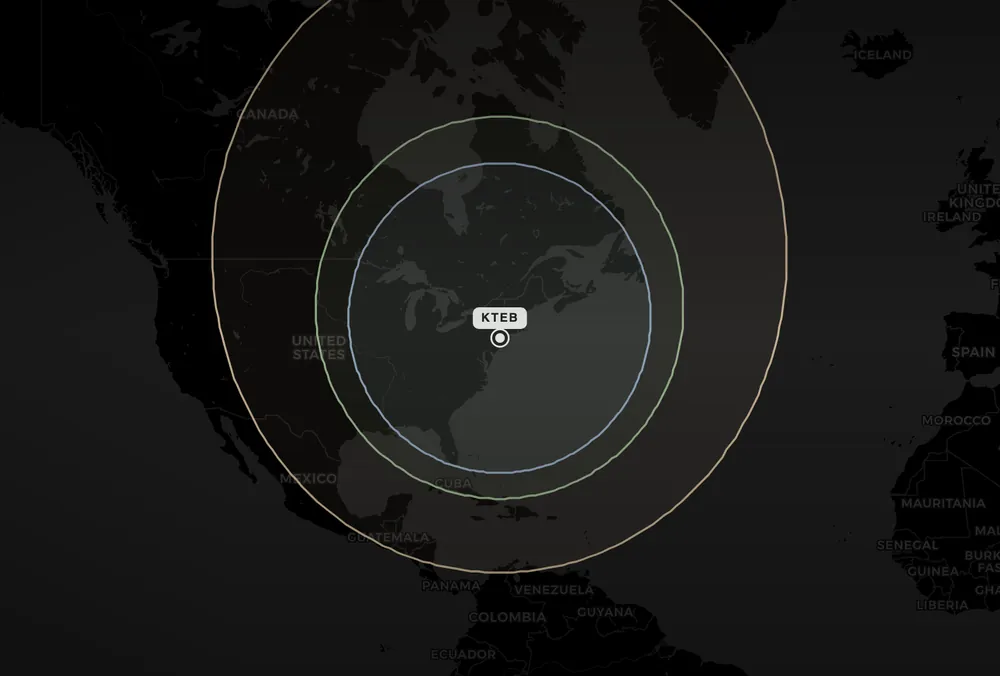
Try Range Explorer
See how far you can fly nonstop
Explore aircraft range, compare options, check flight times, and better understand which aircraft fits your trip.

Ready to fly to London?
Request a charter and our team will tailor an itinerary for your next journey.
*Takes only about 40 seconds to request your quote.
