



Destination Hub
Private Jet Charter to Little Rock

Arriving privately into Little Rock is a direct, composed way to reach Arkansas’s capital, with Bill And Hillary Clinton National/Adams Field Airport serving as the primary gateway. Your schedule stays centered on the aircraft rather than an airline timetable, so the day can move cleanly from ramp arrival to riverfront meetings, downtown hotels, or a country retreat beyond the city.
Quick facts
Why charter a private jet to Little Rock?
Private charter is the most efficient way to control an itinerary into Little Rock when timing, privacy, and a direct arrival matter.
Why travelers choose to arrive privately
Commercial schedules ask travelers to adapt to fixed departure banks, connection risk, and terminal dwell time. A private aircraft reverses that equation: departure is built around the passenger’s calendar, the cabin becomes productive space, and the arrival plan is coordinated before the aircraft lands.
For executives, university trustees, families, political travelers, and guests attending private events, that control is often the point. The aircraft can depart after a board session, wait while a meeting runs long, or return the same day when an overnight stay is not required.
Access without the airline routine
LIT keeps the arrival plan straightforward. Once the airport is selected, the charter team can organize handling, crew planning, ground transportation, and schedule updates around a single primary gateway.
That matters in a capital city where the day may include downtown appointments, River Market dining, a visit near the Arkansas River, or a drive to another part of central Arkansas. Less time in transit means more time where the trip has value.
Flexibility built into the day
A private itinerary can be shaped around the whole journey rather than one flight. Travelers may arrive early for a morning meeting, depart after dinner, or adjust the return if weather, client timing, or family plans change.
When clients compare private jet charter Little Rock options, the right plan is not only about the aircraft. It is about aligning airport choice, departure timing, passenger needs, and ground movement so the trip feels calm from origin to arrival.
“For April, May, and October trips, our charter desk secures the arrival airport, handling plan, and crew schedule first; early firm dates widen aircraft choice before convention, festival, and fair demand tightens availability.”

When is the best time to fly to Little Rock?
The best times to visit Little Rock are often April, May, and October, when milder weather and a stronger civic calendar make the city especially active.
Spring brings comfortable days for riverfront walks, downtown appointments, and outdoor hospitality, which is why April and May can see more demand for private arrivals. October has a similar appeal, with fall weather, festivals, conventions, and Arkansas State Fair travel adding pressure to aircraft availability.
For travelers with fixed dates in those months, earlier planning is prudent. Securing the aircraft, arrival airport, and ground plan in advance gives the charter team more options before peak weeks tighten.
January and February are often more flexible months for travel, especially after the holiday period. August can also present better availability, as late-summer heat softens some discretionary demand.
Value-season planning does not mean compromising the trip. It often means travelers have more room to choose departure times, cabin categories, and alternate airports that suit the ground itinerary.
Where our clients stay and go
Little Rock is a capital city shaped by the Arkansas River, where government, culture, and a quietly confident Southern rhythm meet along the water.
Downtown rises close to the riverbank, with bridges, parks, and the River Market giving the city an immediate sense of orientation. Morning light catches the water; by evening, the skyline feels compact rather than imposing, a practical backdrop for dinners, meetings, and private gatherings.
A city with a clear sense of place
Little Rock carries the weight of state government without losing its neighborhood scale. The State Capitol, historic districts, museums, and civic institutions sit within a city that still feels personal, where a well-planned day can move from policy conversations to art, hospitality, or a quiet drive west toward hills and open space.
The River Market area gives visiting travelers an easy downtown anchor. Restaurants, hotels, cultural stops, and riverfront paths cluster close together, making it useful for a short stay when the schedule is full and every transition matters.
History, culture, and the riverfront
Little Rock’s story is inseparable from its role in Arkansas history. The city is known for civil rights history, presidential connections, and a downtown riverfront that has become one of its most recognizable arrival points for visitors.
The Clinton Presidential Center adds a major cultural landmark near the Arkansas River, while the Quapaw Quarter gives the city a more residential, architectural character. Together, they create an itinerary that can feel substantive without becoming formal.
Why private travelers come
Private travelers often arrive for state business, legal and financial meetings, university and philanthropic commitments, medical visits, family occasions, and private weekends in central Arkansas. The city’s scale is part of its appeal: it is large enough to carry institutional importance, yet compact enough for a well-run charter day to remain efficient.
The right arrival plan turns that scale into an advantage. With the aircraft, ground transportation, and schedule aligned, a visitor can land, move through the day, and depart with little wasted motion.
What determines the cost of a flight to Little Rock?
The cost of chartering into Little Rock is determined by the aircraft, routing, aircraft positioning, airport-related charges, seasonal demand, and the availability of suitable empty-leg opportunities.
Aircraft selection
Aircraft class is one of the largest qualitative drivers. A smaller cabin may suit a short regional flight with a lean passenger count, while a larger cabin is generally selected for more travelers, more luggage, greater onboard comfort, or a longer itinerary.
The final recommendation depends on the full mission profile: passenger count, baggage, departure airport, preferred cabin experience, timing, and any special service requirements. The best value is usually the aircraft that fits the trip cleanly rather than the one that appears lowest at first glance.
One-way versus round trip structure
A one-way charter can be efficient when the aircraft has a strong onward use or can be repositioned intelligently. A round trip may be more favorable when the aircraft can remain with the itinerary and the schedule is firm.
If plans are likely to change, flexibility can affect the quote. Holding an aircraft, changing departure times, adding stops, or extending the trip can alter crew planning, airport arrangements, and positioning needs.
LIT positioning and airport charges
LIT is the primary airport for the city, but the aircraft selected for a trip may not begin there. If the aircraft must reposition before pickup or after drop-off, that movement becomes part of the overall charter structure.
Airport, handling, parking, and service-related charges can also vary by itinerary. These are reviewed as part of the quote so the client sees the trip as a complete operating plan, not just a flight time estimate.
Seasonal demand and availability
April, May, and October tend to see firmer demand, supported by mild spring and fall weather, conventions, festivals, and Arkansas State Fair travel. During those periods, earlier planning helps widen aircraft choice and can reduce the pressure of last-minute sourcing.
January, February, and August can offer softer demand patterns. Post-holiday winter travel and late-summer heat may create better availability, though the best aircraft still depend on route, timing, and passenger requirements.
Empty-leg opportunities
Empty legs can create appealing value when an aircraft is already positioned to fly a compatible route. They are opportunistic rather than guaranteed, and they usually offer less schedule flexibility than a dedicated charter.
For travelers with firm departure times, a standard charter is typically the more controlled option. For flexible travelers, the charter desk can monitor empty-leg availability and compare it against a purpose-built itinerary.
Which airports serve Little Rock?
Little Rock is served by LIT as the primary private-flight gateway, with ORK, SUZ, CXW, and PBF available as alternates when the ground itinerary points beyond the core arrival plan.
Bill And Hillary Clinton National/Adams Field Airport (LIT)
Use LIT when the trip is centered on downtown, state-government meetings, the River Market area, medical or legal appointments, or a classic capital-city itinerary. As the primary airport, it is typically the first airport evaluated for private arrivals because it keeps the aviation plan simple and places the traveler close to the city’s main commercial and civic districts.
North Little Rock Municipal Airport (ORK)
ORK is the natural alternate to consider when meetings, lodging, or a residence are north of the river. Its municipal-airport profile may suit a private itinerary when confirmed services, aircraft requirements, and passenger preferences align, especially if avoiding the primary airport shortens the ground portion of the day.
Saline County Regional Airport (SUZ)
SUZ can make sense when the schedule is organized around Saline County or a southwest-side regional stop. For a traveler whose final destination is outside the downtown core, evaluating this airport may reduce unnecessary backtracking and create a more direct transfer plan.
Conway Municipal Airport (CXW)
CXW belongs in the conversation when Conway is the actual destination rather than an extension of a city-center visit. University, business, family, or regional commitments in that area may be better served by an airport plan that starts closer to the appointment.
Grider Field Airport (PBF)
PBF is useful as a planning alternate when Grider Field places the aircraft closer to the next stop in a broader Arkansas itinerary. It may also be considered when airport availability, operational requirements, or ground routing make an alternate field more practical than returning to the primary gateway.
Choosing the right field
The right airport is not always the largest or most familiar one. A charter advisor should weigh passenger address, aircraft suitability, handling needs, ground transportation, crew planning, and any same-day departure timing before confirming the arrival airport.
Common questions about Little Rock charter
Which airport should I use when flying privately into Little Rock?
Most private flights into Little Rock begin with LIT because it is the city’s primary airport and keeps the arrival plan straightforward for downtown, riverfront, and central appointments.
Can I use a smaller regional airport instead of LIT?
Little Rock trips can sometimes use ORK, SUZ, CXW, or PBF when the ground itinerary is better aligned with those airports, subject to aircraft fit, handling, and schedule requirements.
What determines the cost of chartering into Little Rock?
For Little Rock, cost is shaped by aircraft class, routing, one-way or round trip structure, aircraft positioning, airport and handling charges, seasonal demand, and any suitable empty-leg availability.
When should I book a private flight for spring or fall travel?
Little Rock sees stronger demand in April, May, and October, so confirming firm dates early gives the charter team more aircraft options before peak weeks tighten.
Are empty legs available for flights to or from the city?
Empty-leg options for Little Rock may appear when an aircraft is already moving on a compatible route, but they are schedule-dependent and usually less flexible than a dedicated charter.

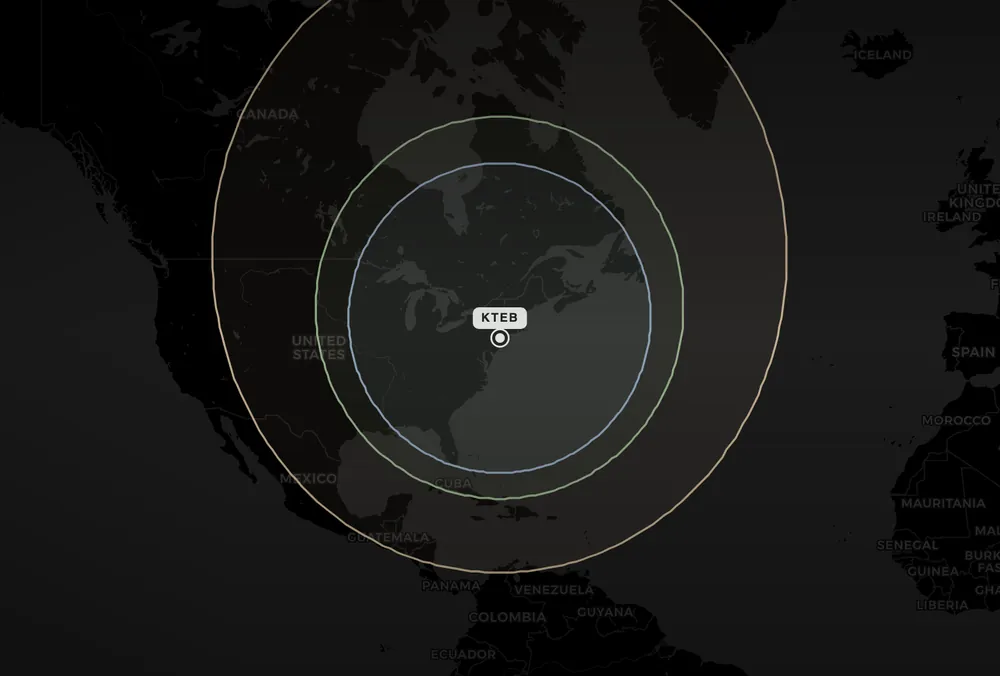
Try Range Explorer
See how far you can fly nonstop
Explore aircraft range, compare options, check flight times, and better understand which aircraft fits your trip.

Ready to fly to Little Rock?
Request a charter and our team will tailor an itinerary for your next journey.
*Takes only about 40 seconds to request your quote.
