



Destination Hub
Private Jet Charter to Grand Rapids

Most private flights into Grand Rapids arrive through Gerald R. Ford International Airport (GRR), giving the trip a clear and controlled point of entry. From there, the day can stay centered on the traveler’s schedule: direct arrival, discreet coordination, and ground movement timed to the itinerary.
Quick facts
Why charter a private jet to Grand Rapids?
Chartering privately into Grand Rapids gives travelers control over arrival time, routing, and the pace of the day.
Gerald R. Ford International Airport (GRR) is the primary gateway, which keeps the plan simple for most itineraries. Instead of building a day around airline departures, layovers, and fixed boarding windows, a private flight can be organized around the meeting, the family weekend, the golf round, or the lakeshore transfer that actually matters.
Time, privacy, and fewer moving parts
Private aviation is most valuable here when the schedule is compressed. A traveler can arrive closer to the intended hour, move through a more discreet aviation environment, and continue directly to the next appointment without absorbing the delays that often come with commercial connections.
A better fit for West Michigan travel
The city often works as both a destination and a starting point for the wider region. Chartering allows the aircraft, ground transportation, and luggage plan to be coordinated together, so a downtown stay, a client visit, or a Lake Michigan weekend can be handled as one continuous itinerary.
Flexibility when plans change
Private flying also protects the trip when the calendar shifts. Departure times can often be adjusted within the operating plan, alternates can be evaluated when useful, and the charter desk can keep the aviation schedule aligned with the traveler rather than the other way around.
“Our charter desk first secures the preferred GRR plan, aircraft match, and ground timing; for June through September dates, confirming early widens choice before summer and ArtPrize-driven demand builds.”

When is the best time to fly to Grand Rapids?
The best time to visit Grand Rapids depends on whether the priority is warm-weather energy, cultural demand, or quieter aircraft availability.
June through September is the peak window. Lake Michigan summer trips, golf weekends, festivals, concerts, and ArtPrize demand can all place pressure on preferred aircraft and schedules, especially when travelers need a precise arrival or departure time.
Summer and early fall
The region feels most active in the warm months, when city itineraries often extend toward the lakeshore and outdoor plans. For firm dates during this period, charter planning should begin early enough to protect aircraft choice, preferred departure windows, and coordinated ground transportation.
Winter value months
January, February, and March tend to be more flexible for leisure travel as cold weather softens demand. Travelers who can work around winter conditions may find better aircraft availability and more room to shape the schedule around personal preference.
Planning advice
For peak-season weekends, treat the aircraft as part of the full travel design rather than a last step. During the quieter winter period, keep backup timing in the plan so weather-sensitive movements can be handled with care.
Where our clients stay and go
Grand Rapids is a polished West Michigan city with riverfront texture, creative energy, and easy access to the lakeshore.
The Grand River gives downtown its line and rhythm, cutting past bridges, hotels, restaurants, performance venues, and office towers with a sense of movement that feels distinctly regional. Morning light sits low on the water; by evening, the city has the relaxed confidence of a place that knows how to host without becoming theatrical.
A city with culture at street level
Art is not confined to one museum district here. ArtPrize has helped define the city’s public-facing creative identity, turning downtown into a walkable canvas of galleries, installations, storefronts, and civic spaces during its run. Frederik Meijer Gardens & Sculpture Park adds a quieter counterpoint, pairing landscape, architecture, and large-scale sculpture in a way that suits a slower afternoon.
Why private travelers come
The appeal is practical as much as cultural. Grand Rapids can support a board meeting, a university or medical visit, a concert weekend, a family gathering, or the first leg of a Lake Michigan escape without forcing the trip through a major coastal hub.
West Michigan character
There is a specific ease to the place: brick warehouses adapted into restaurants, a downtown that still feels manageable, neighborhoods with mature trees, and a hospitality scene shaped by local makers rather than spectacle. For travelers who value discretion, it offers access and substance without the noise of a larger market.
Beyond the city center
A well-planned itinerary can move naturally from downtown to golf, lakeshore homes, summer concerts, or regional business stops. That is where private aviation fits especially well: the aircraft brings the traveler into position, and the rest of the day can unfold without a commercial schedule dictating the pace.
What determines the cost of a flight to Grand Rapids?
The cost of a charter flight into Grand Rapids depends on aircraft selection, itinerary structure, airport logistics, seasonal demand, and aircraft availability.
Aircraft class is usually the first cost driver. Cabin size, range requirements, passenger count, luggage volume, onboard service expectations, and crew planning all influence which aircraft are appropriate for the mission.
Itinerary structure
A one-way trip is priced differently from a round trip because the aircraft may need to reposition before or after the passenger flight. Round-trip plans can be more efficient when the aircraft and crew remain aligned with the traveler’s schedule, while open-jaw or multi-stop itineraries introduce more planning variables.
GRR positioning and airport-related charges
GRR logistics can affect the quote through aircraft positioning, landing and handling arrangements, crew timing, parking availability, and other airport-related fees. The most efficient plan is not always the shortest flight on paper; it is the one that matches aircraft location, schedule certainty, and ground coordination.
Seasonal demand
June, July, August, and September can bring firmer demand because Lake Michigan trips, golf travel, festivals, concerts, and ArtPrize all draw private travelers into West Michigan. During those periods, earlier planning tends to preserve a wider set of aircraft options.
Empty-leg opportunities
Empty legs may reduce the cost of travel when an aircraft is already scheduled to reposition in a compatible direction. Availability is highly specific to date, route, and timing, so these opportunities are best treated as a useful possibility rather than the foundation of a firm itinerary.
Which airports serve Grand Rapids?
Grand Rapids is served primarily by Gerald R. Ford International Airport (GRR), with Tulip City Airport, Muskegon County Airport, Battle Creek International Airport, and W.K. Kellogg Airport used as regional alternates when the ground plan calls for them.
GRR
GRR is the default starting point for most private arrivals because it is the primary airport for the city. Travelers choose it when they want the cleanest operational plan, a straightforward arrival into the main gateway, and a schedule built around meetings, hotels, residences, or onward ground travel in the core area.
Tulip City Airport (BIV)
Tulip City Airport can be considered when the trip is oriented away from the primary gateway and the western side of the itinerary matters more than arriving at GRR. It may be useful when a shorter ground transfer to that part of the region is the priority, subject to aircraft suitability and handling arrangements.
Muskegon County Airport (MKG)
Muskegon County Airport is a logical alternate to review for itineraries tied to Muskegon County, lakeshore plans, or northern West Michigan ground movements. For travelers continuing toward Lake Michigan communities, MKG may reduce unnecessary backtracking if the operational details line up.
Battle Creek International Airport (AZO)
Battle Creek International Airport can make sense when the passenger’s final destination sits closer to the southern or southeastern part of the regional plan. Rather than defaulting to the main gateway, the charter desk can compare AZO against GRR to see which produces the better arrival and departure sequence.
W.K. Kellogg Airport (BTL)
W.K. Kellogg Airport gives the operations team another regional option when the itinerary points away from the primary arrival pattern. It is best evaluated case by case, with aircraft compatibility, private handling expectations, and the final ground address reviewed before it is recommended.
How Amalfi Jets selects the right airport
The best airport is the one that supports the whole charter day, not just the nearest code on a map. Amalfi Jets reviews the passenger schedule, luggage profile, preferred arrival experience, aircraft availability, and ground transportation plan before confirming GRR or one of the regional alternates.
Common questions about Grand Rapids charter
Which airport should I use for a private flight into the city?
For Grand Rapids, Gerald R. Ford International Airport (GRR) is the primary airport and the usual starting point for a private arrival plan.
Can Amalfi Jets use alternate airports in the region?
Yes, Grand Rapids itineraries can be evaluated against BIV, MKG, AZO, and BTL when a secondary airport better matches the traveler’s final ground destination or schedule.
When should I book summer or ArtPrize travel?
For Grand Rapids trips in June, July, August, or September, earlier booking is recommended because Lake Michigan travel, golf, festivals, concerts, and ArtPrize can tighten aircraft availability.
What determines the cost of chartering into Grand Rapids?
Grand Rapids charter cost is shaped by aircraft class, one-way versus round-trip structure, aircraft positioning, GRR fees and handling, seasonal demand, and any compatible empty-leg availability.
Is GRR always the best airport choice?
GRR is often the most efficient choice for Grand Rapids, but the charter desk may recommend BIV, MKG, AZO, or BTL when an alternate creates a more practical ground plan.

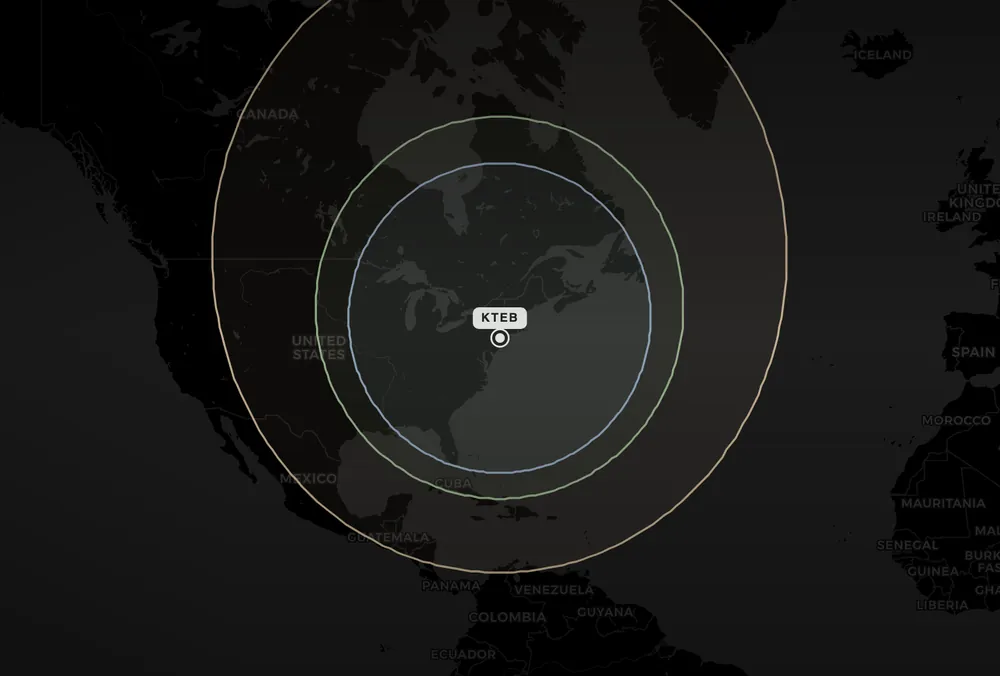
Try Range Explorer
See how far you can fly nonstop
Explore aircraft range, compare options, check flight times, and better understand which aircraft fits your trip.

Ready to fly to Grand Rapids?
Request a charter and our team will tailor an itinerary for your next journey.
*Takes only about 40 seconds to request your quote.
