




Destination Hub
Private Jet Charter to Galveston

Arriving by private aircraft through Galveston International Airport (GLS) brings the island into focus without a connection or fixed airline schedule. Your flight plan, ground timing, and departure window can be organized around the beach, the harbor, or a cruise embarkation rather than the other way around.
Quick facts
Why charter a private jet to Galveston?
Private travel to Galveston gives discerning travelers control over the arrival day, from aircraft timing to ground coordination at GLS.
Why fly privately
Commercial travel can add friction to a coastal itinerary: airline schedules, terminal queues, and extra connections often shape the day before the trip has begun. A private flight keeps the plan direct and personal, with arrival and departure times selected around your calendar.
For many travelers, the value is not only privacy in the cabin. It is the ability to move from aircraft to car with fewer handoffs, keep luggage and companions together, and adjust the schedule when a meeting, weather window, or ship departure requires precision.
A simpler island arrival
Galveston International Airport is the primary airport for the city, making GLS the natural starting point for most private itineraries. Once the aircraft is positioned and handling is arranged, your charter team can coordinate the details that matter most on the ground: arrival timing, passenger preferences, onward transportation, and departure planning.
Flexibility that fits the trip
Private aviation is especially useful when the itinerary does not resemble a standard weekend. Families heading to the coast, executives adding a Houston-area meeting, and travelers connecting to the port can all benefit from a schedule that bends to the purpose of the journey.
The right plan may mean using GLS, selecting an alternate airport in the region, or timing the aircraft around peak island demand. Amalfi Jets helps shape those choices before departure, so the flight feels composed from the first call to the final step off the ramp.
“We secure preferred handling at GLS and ground timing first; firm dates in March and summer peak weeks widen aircraft choice and improve positioning options.”

When is the best time to fly to Galveston?
The best time to visit Galveston depends on whether the priority is peak beach energy, cruise convenience, or a quieter coastal pace.
Peak months
March brings spring break demand to the island, and summer travel strengthens in June, July, and August. Families, beach travelers, and cruise passengers tend to concentrate demand in these periods, so firm dates should be arranged early.
For private flyers, the practical advantage of advance planning is choice. Earlier lead time can widen aircraft options, improve schedule control, and give the charter desk more room to align the flight with ground transfers and port timing.
Value months
January often feels lighter after the holiday period, while September and October can bring a quieter shoulder-season rhythm during the Atlantic hurricane season. These months may suit travelers who want more flexibility, fewer crowds, or a more measured island stay.
Coastal weather deserves respect in any season, but it matters especially when late-summer systems can affect the Gulf. A private itinerary should leave room for sensible timing adjustments when forecasts call for them.
How to plan
If your trip is tied to a school break, ship departure, wedding weekend, or fixed business obligation, book the aircraft as soon as the date is firm. Flexible travelers can often give the advisor a range of acceptable times, which may open better aircraft matches and smoother airport planning.
Where our clients stay and go
Galveston is a Gulf Coast island city where beach light, harbor traffic, and 19th-century architecture give the trip a distinct Texas character.
The first impression is often horizontal: wide sky, warm air off the water, and a causeway approach that makes the mainland feel behind you. Along the Seawall, the horizon stays in view; downtown, the mood shifts to brick storefronts, ironwork, galleries, restaurants, and the layered history of a port city.
The island mood
This is not a polished resort enclave sealed off from its setting. The appeal comes from the working harbor, the beach road, the cruise terminals, and the historic districts sharing the same compact coastal stage.
Private travelers come for weekends by the water, pre- or post-cruise stays, family gatherings, medical and university visits, and Houston-area business that benefits from a calmer overnight base. The island rewards unhurried time: a walk along the Seawall, dinner near the Strand, sunrise over the Gulf, or a late afternoon when the buildings downtown catch softer light.
History with salt air
Galveston carries its past visibly. Victorian-era architecture, maritime heritage, and the story of the 1900 storm remain central to the city’s identity, while Juneteenth history gives the destination national significance beyond the beach.
For a charter client, that mix matters. The trip can feel like more than a transfer to sand and water; it can become a few deliberate days in a place with a recognizable sense of itself.
Why it suits private travel
A private flight keeps the island schedule clean. Arrive when the house is ready, when the ship timing works, or when the business day in the Houston region is complete.
The most elegant itineraries here are often simple: aircraft, car, coast, harbor, dinner, return. With the right planning, the journey stays as relaxed as the destination asks it to be.
What determines the cost of a flight to Galveston?
The cost of chartering to Galveston is shaped by the aircraft, routing, airport plan, seasonal demand, and aircraft availability.
Aircraft selection
Aircraft class is one of the largest qualitative drivers of a charter quote. Cabin size, range needs, baggage requirements, passenger count, and preferred onboard experience all influence which aircraft are suitable for the mission.
A short regional trip with light luggage may call for a very different aircraft than a coast-to-coast itinerary with a full cabin, multiple bags, and a tighter departure window. The quote reflects the aircraft that best matches the journey, not simply the destination.
One-way versus round trip
A one-way flight and a round trip can price differently because the aircraft and crew may need to reposition before or after your itinerary. If the aircraft can remain useful in the same region, the structure may be more efficient; if it must be moved specifically for your trip, that positioning becomes part of the planning.
For travelers with firm return dates, a round trip can sometimes create a cleaner operating plan. For those who need open-ended flexibility, the charter desk may compare multiple structures to balance convenience and aircraft availability.
GLS positioning and airport-related costs
Using Galveston International Airport places the aircraft close to the island itinerary, but the final quote still depends on aircraft positioning, crew logistics, ground handling, landing-related charges, and any applicable parking or service requirements at GLS.
When another regional airport is better aligned with aircraft availability or ground plans, an advisor may evaluate the difference. The best choice is the one that serves the full itinerary, not only the map point.
Seasonal demand
March can be busier as spring break travel builds, while June, July, and August bring strong summer beach and cruise demand. During those periods, earlier planning generally gives access to a broader aircraft set and more favorable scheduling options.
January, September, and October often bring lighter crowds after the holidays and during the hurricane-season shoulder. Flexible travelers may find those windows useful when the trip does not need to follow school calendars or peak cruise patterns.
Empty-leg availability
Empty legs can reduce total charter cost when an aircraft is already moving in the right direction at the right time. They are opportunistic rather than guaranteed, and they usually require flexibility on timing, routing, and sometimes airport choice.
Amalfi Jets can monitor relevant empty-leg options while also preparing a conventional charter plan, so the itinerary is not dependent on a single uncertain aircraft movement.
Which airports serve Galveston?
The island is served first by Galveston International Airport (GLS), with Ellington Airport (EFD), William P. Hobby Airport (HOU), Pearland Regional Airport (LVJ), and Sugar Land Regional Airport (SGR) available as Houston-area alternates.
GLS
GLS is the natural starting point when the trip is centered on the island: it keeps the arrival plan closest to local hotels, beaches, harbor commitments, and cruise departures. Selecting the primary field also simplifies the handling conversation because the crew, vehicle, and passenger schedule can be built around one intended arrival point.
EFD
EFD can make sense when an itinerary has a meaningful southeast-Houston component before or after the island stay. As an alternate, it gives the charter desk another way to compare aircraft positioning, handler availability, and ground routing without forcing every plan through the primary field.
HOU
HOU is useful when schedule, aircraft placement, or passenger plans point toward the established Houston airport system rather than the island field. For some trips, the right decision may be to accept additional surface time in exchange for a better aircraft match or a more convenient mainland pickup.
LVJ
LVJ may be considered when plans are oriented around Pearland or the south side of the Houston area. It is best treated as a practical routing option to be confirmed against aircraft availability, handling arrangements, and the final address on the ground.
SGR
SGR is a useful alternate for itineraries that begin or end around Sugar Land or the western side of the region. For some travelers, the best airport is not simply the closest to the beach, but the one that shortens the total day across meetings, residences, and the onward drive.
Common questions about Galveston charter
Which airport should I use for a private flight to the island?
Galveston International Airport (GLS) is the primary airport for Galveston and is usually the first choice when your plans are centered on the beach, harbor, or cruise terminals.
What determines the cost of chartering into Galveston?
The cost is shaped by aircraft class, routing, one-way or round-trip structure, aircraft positioning, GLS-related fees, seasonal demand, and any suitable empty-leg availability.
Can I use a Houston-area airport instead of GLS?
For Galveston trips that also involve the Houston region, EFD, HOU, LVJ, or SGR may make sense depending on aircraft availability, private handling, and the final ground route.
When should I book a private flight for peak travel periods?
For Galveston travel in March, June, July, or August, booking once dates are firm helps preserve aircraft choice and gives the charter team more room to coordinate timing.
Are empty legs available for this route?
Empty legs may appear for Galveston when an aircraft is already repositioning in a useful direction, but they require flexibility and should not be the only plan for a fixed schedule.

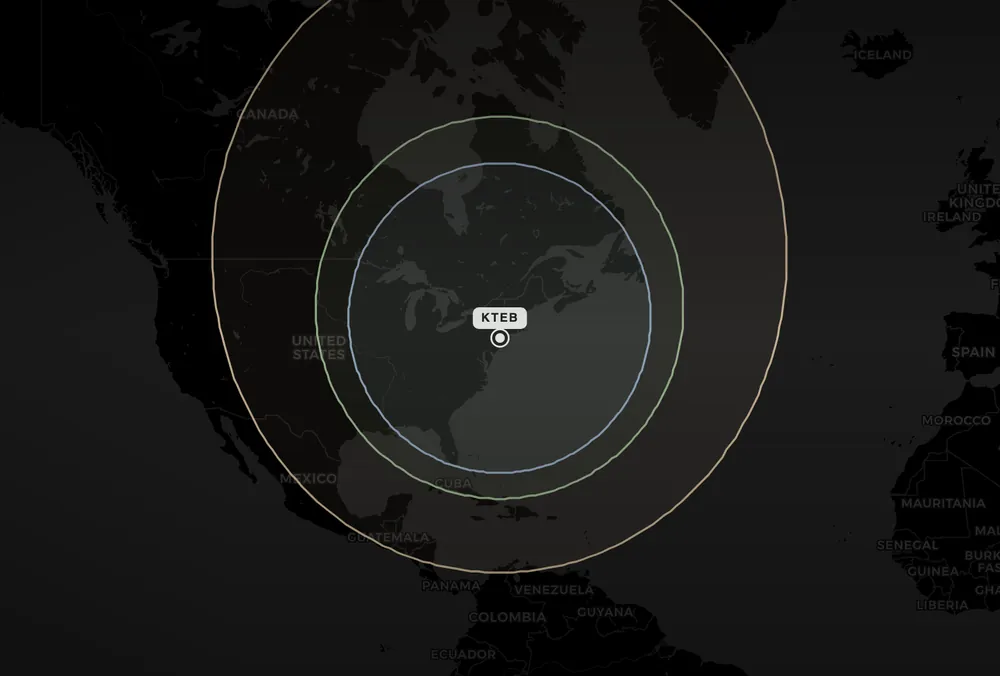
Try Range Explorer
See how far you can fly nonstop
Explore aircraft range, compare options, check flight times, and better understand which aircraft fits your trip.

Ready to fly to Galveston?
Request a charter and our team will tailor an itinerary for your next journey.
*Takes only about 40 seconds to request your quote.
