



Destination Hub
Private Jet Charter to Ft. Myers
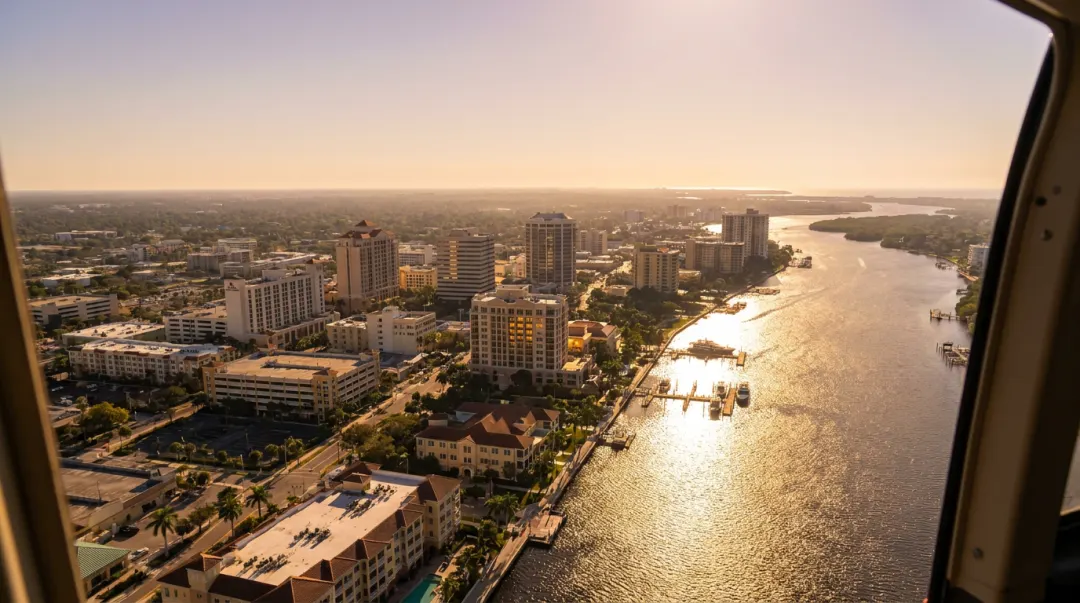
Most private arrivals for Ft. Myers use Page Field Airport, a straightforward gateway that keeps the day focused on the Gulf Coast rather than airline connections. From the ramp, your schedule can move toward waterfront homes, the River District, island departures, or a spring-training afternoon without surrendering the day to a commercial timetable.
Quick facts
Why charter a private jet to Ft. Myers?
Chartering privately into Ft. Myers is about controlling the day: arrive at FMY, step directly into ground transportation, and keep the itinerary aligned with your calendar.
A simpler arrival
Page Field Airport gives private travelers a focused point of entry for the city and the surrounding Gulf Coast. Instead of building the trip around airline schedules, connections, and terminal dwell time, the aircraft plan is organized around when you want to depart and where you need to be after landing.
Flexibility for Gulf Coast itineraries
Many trips here are not confined to a single address. A long weekend might move between the Caloosahatchee River, Sanibel or Captiva, Fort Myers Beach, Cape Coral, Naples, or a private residence elsewhere in Southwest Florida. Flying privately allows the arrival airport, ground transportation, and return timing to be planned as one itinerary rather than separate compromises.
Time saved where it matters
The value of private aviation is most visible on short stays, family holidays, owner visits, and business travel with multiple decision-makers onboard. Your aircraft can wait on your schedule, depart when the meeting ends, and avoid the friction of fixed airline departure banks.
Discretion and continuity
A private flight also keeps the travel party together. Luggage, pets, equipment, and family members move on the same plan, with fewer public touchpoints and a smoother handoff from aircraft to vehicle.
“For peak winter and spring-training weeks, our charter desk confirms FMY handling and ground timing first; firm dates early widen aircraft choice and keep alternates like RSW or APF in play.”

When is the best time to fly to Ft. Myers?
The best time to visit Ft. Myers depends on whether you want winter energy or quieter late-summer availability.
January, February, and March are the peak months. Winter sun brings seasonal residents, beach travelers, and high-demand weekend patterns, while Red Sox and Twins spring training add another layer of travel around game days and preferred arrival windows.
August, September, and October are the value months. Heat, rain, and hurricane-season planning tend to soften demand, which can improve aircraft availability for travelers with flexible dates and a practical approach to weather contingencies.
For firm winter plans, secure aircraft early and keep ground arrangements aligned with the arrival time. During the softer late-summer window, remain flexible on timing and alternates so the charter desk can adjust around weather systems without disrupting the larger trip.
Where our clients stay and go
Ft. Myers draws private travelers with a Gulf Coast rhythm: river light in the morning, barrier islands to the west, and an easy shift from waterfront leisure to business or family time.
The city sits along the Caloosahatchee River, where broad water and low horizons give the arrival a distinctly Southwest Florida feel. Downtown’s River District brings a more walkable, historic texture, while nearby island and beach communities pull the day toward boats, shelling, sunset dinners, and time outside.
A trip here often has several purposes at once. Owners come to open a seasonal home, families gather for school breaks, executives fold meetings into a warm-weather stay, and baseball fans arrive for Red Sox and Twins spring training. The destination works because it does not demand a single pace.
There is also a quieter cultural current. The Edison and Ford Winter Estates connect the city to invention, gardens, and old Florida architecture, offering a contrast to the beach-and-marina image many travelers know first.
For private flyers, that variety is the appeal. The aircraft can be timed to the weekend house, the island ferry, the dinner reservation, or the return meeting, while the destination itself stays relaxed: palm shade, brackish river air, Gulf light, and a shoreline that keeps pulling the itinerary outward.
What determines the cost of a flight to Ft. Myers?
The cost of chartering into Ft. Myers is shaped by aircraft selection, routing, timing, airport-related expenses, and live market availability.
Aircraft class and cabin requirements
Larger cabins, longer nonstop routings, additional luggage needs, pets, catering preferences, and onboard service expectations all influence the aircraft options available for a given trip. The right aircraft is selected around the passenger count, route, comfort profile, and schedule rather than a generic category.
One-way versus round trip
A one-way itinerary may require the aircraft to reposition before or after your flight, while a round trip may allow the operator to keep the same aircraft assigned if the timing makes sense. Length of stay matters: a short turn, long weekend, or extended visit can each create a different operating picture.
FMY positioning and fees
FMY is the primary planning point for the city, but the final quote reflects the aircraft’s starting location, repositioning needs, ground handling, crew logistics, and airport-related charges. If an alternate airport is more efficient for the aircraft or your ground destination, the charter desk can compare the operational fit before confirming the itinerary.
Seasonal demand
Winter sun, snowbird travel, beach weeks, and spring training can tighten aircraft availability during the busiest part of the season. Late-summer and early-fall periods often bring softer demand, though weather planning becomes more important along the Gulf Coast.
Empty-leg availability
Empty legs can reduce the cost of a specific routing when an aircraft already needs to move in the right direction at the right time. They are opportunistic, less flexible than a dedicated charter, and best suited to travelers who can adjust departure times, airports, or dates.
Which airports serve Ft. Myers?
Private travelers to Ft. Myers are served by FMY as the primary airport, with RSW, APF, PGD, and MRK available as regional alternates when the itinerary points beyond the city center.
Page Field Airport (FMY)
FMY is the natural first choice for trips centered on the city. It keeps the arrival plan simple: one primary airport, direct coordination with the handling team, and a ground route that can be organized around downtown, the riverfront, Cape Coral, beach communities, or private residences in the surrounding area.
This is usually the first option the charter desk evaluates when the schedule, aircraft, and passenger plans align. If the trip is built around convenience into the urban core, FMY provides the cleanest planning framework.
Southwest Florida International Airport (RSW)
RSW is the major regional airport name most commercial travelers associate with the area, and it can be useful for private itineraries that benefit from a broader regional gateway. It may make sense when ground plans point toward the southern side of the area, when airline connections for part of the travel party are involved, or when operational conditions make an alternate preferable.
For charter clients, the decision is less about name recognition and more about the day’s total movement: aircraft arrival, passenger handoff, luggage, vehicles, and the next destination after landing.
Naples Municipal Airport (APF)
APF belongs in the conversation when the trip leans south toward Naples, private clubs, coastal homes, or a stay that is more Collier County than Lee County. Choosing it can reduce unnecessary ground movement when the passenger’s final destination sits closer to Naples than to the core of the Fort Myers area.
It is also a practical alternate when the aircraft plan, passenger timing, or airport availability makes a southern gateway more efficient.
Charlotte County Airport (PGD)
PGD can suit itineraries aimed north toward Charlotte County, Punta Gorda, or the upper reaches of the Southwest Florida coast. Rather than bringing every traveler through the same central gateway, the charter desk can evaluate PGD when the final address or pickup point makes a northern arrival more logical.
This option is especially useful for trips where ground time matters and the traveler’s plans are not centered on the city itself.
Marco Island Executive Airport (MRK)
MRK is the alternate to consider when the trip is built around Marco Island or nearby coastal stays. For travelers whose first appointment is a residence, boat, resort, or island-side transfer, an arrival closer to that part of the region can be more elegant than landing farther north and driving back south.
The best airport is ultimately the one that makes the whole itinerary quieter: aircraft availability, handling, weather, ground transportation, and the traveler’s actual destination all have to align.
Common questions about Ft. Myers charter
Which airport should I use for a private arrival?
Most travelers flying into Ft. Myers start with FMY because it is the primary airport for the city and keeps the arrival plan focused. The charter desk may compare RSW, APF, PGD, or MRK if your final destination sits closer to another part of Southwest Florida.
What determines the cost of chartering into this area?
The cost of chartering into Ft. Myers depends on aircraft selection, passenger needs, routing, one-way versus round-trip structure, aircraft positioning, airport-related fees, seasonal demand, and any empty-leg opportunities that match your timing.
When is demand highest for private flights?
Demand for Ft. Myers is typically strongest in January, February, and March, when winter sun, snowbird travel, beaches, and Red Sox and Twins spring training all increase competition for aircraft and preferred departure times.
Are there better-value months to consider?
August, September, and October can offer better availability for Ft. Myers because late-summer heat, rain, and hurricane-season planning tend to soften demand. Flexible travelers should keep alternates and timing options open.
Can I land closer to Naples or Marco Island instead?
Yes, travelers using Ft. Myers as part of a broader Southwest Florida trip may consider APF for Naples-focused plans or MRK for Marco Island itineraries. The best choice depends on aircraft availability, handling, weather, and the final ground destination.

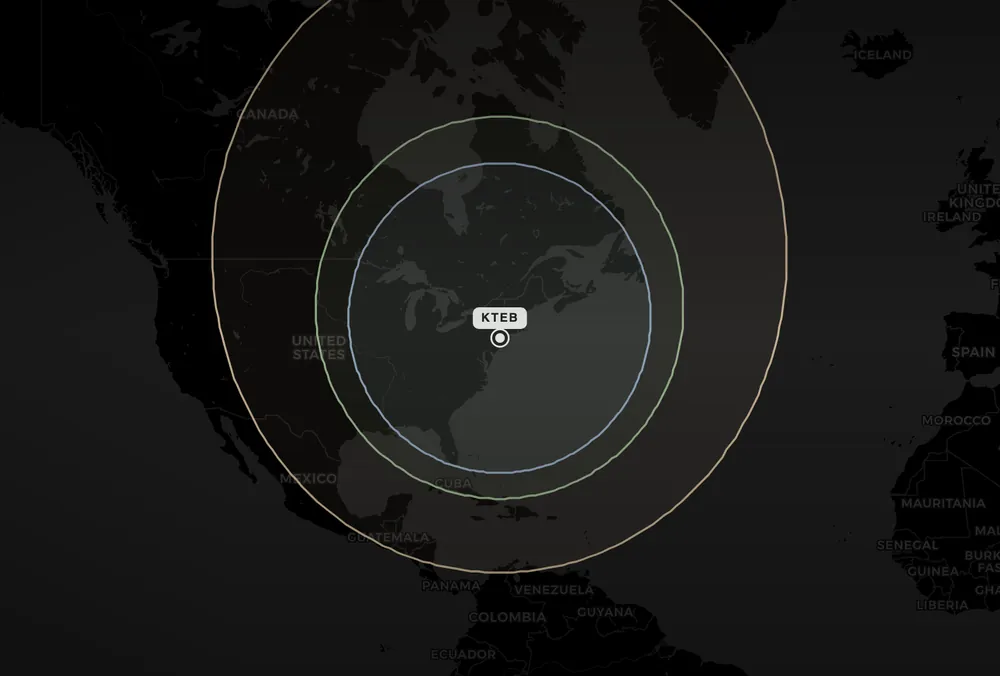
Try Range Explorer
See how far you can fly nonstop
Explore aircraft range, compare options, check flight times, and better understand which aircraft fits your trip.

Ready to fly to Ft. Myers?
Request a charter and our team will tailor an itinerary for your next journey.
*Takes only about 40 seconds to request your quote.
