



Destination Hub
Private Jet Charter to Columbus

Most private flights into Columbus arrive through John Glenn Columbus International Airport, setting the tone for a trip built around control rather than connections. That single primary gateway keeps the arrival plan clean: land, meet the car, and move into the city on your own schedule.
Quick facts
Why charter a private jet to Columbus?
Flying privately into Columbus gives travelers a more direct way to manage time, privacy, and ground movement in Ohio’s capital.
For executives, alumni, families, and university guests, the benefit is not simply a quieter cabin. It is the ability to align the aircraft with the day’s actual commitments: a board meeting downtown, a campus arrival, a hotel check-in, or a late return after dinner.
Why private aviation fits the city
- A clear primary arrival point: CMH is the main airport to consider first, which helps simplify the handling conversation and the ground-transfer plan.
- Schedule control: Departures can be planned around the traveler’s calendar rather than a published airline timetable.
- Fewer connection risks: A nonstop private itinerary can remove the missed-connection exposure that often complicates commercial travel.
- Discreet movement: The experience is designed around limited dwell time, private handling, and a more contained arrival process.
- Regional flexibility: Secondary airports can be reviewed when the final address, aircraft plan, or ramp conditions make an alternate more sensible.
Private aviation is especially useful when the day has hard edges. A same-day business visit, a game-weekend arrival, or a multi-city itinerary can be arranged with less friction when the aircraft, crew, and ground team are working from one coordinated plan.
“We secure the preferred departure window and airport handling first, then compare CMH with suitable alternates. Firm fall dates should be requested early, as football weekends and university travel can narrow aircraft choice.”

When is the best time to fly to Columbus?
The best time to visit Columbus depends on whether the trip is tied to a fixed university, business, or event calendar.
September, October, and November are the months to plan earliest. Ohio State football weekends, fall conventions, and university-driven travel can tighten aircraft availability, so firm dates and preferred departure windows should be secured as soon as possible.
Football energy gives autumn a distinct rhythm: restaurants fill earlier, hotels become more competitive, and airport plans benefit from sharper coordination. Travelers with immovable schedules should expect less latitude than they might find in a quieter period.
January, February, and April are typically better value months for charter planning. Cold post-holiday weeks and quieter spring gaps usually bring softer demand and broader availability, which can help when the traveler is weighing aircraft options or schedule preferences.
For the smoothest experience, set the must-have times first, then let the aircraft search work around them. Flexible departure windows can make a noticeable difference, especially when the city is moving around campus weekends or convention demand.
Where our clients stay and go
Columbus sits in central Ohio where government, higher education, health care, design, and Midwestern ease meet without much ceremony.
The city’s skyline rises cleanly above the Scioto River, with downtown edges softened by riverfront paths, bridges, and green space. Morning light reflects off the water near the Scioto Mile; by evening, restaurants and galleries pull travelers north along High Street toward the Short North Arts District.
A private traveler’s itinerary often moves through several versions of the city in a single day. There is the formal face of the state capital, the collegiate gravity of Ohio State, the brick streets and restored houses of German Village, and the polished hospitality of downtown hotels and dining rooms.
What makes the place work is its practicality. Meetings, campus visits, medical appointments, family weekends, and cultural stops can be organized without the intensity of a coastal gateway. The pace is measured, but not sleepy; polished, but not aloof.
For travelers arriving by private aircraft, that character matters. The value of the trip is often in the ability to land close to the day’s purpose, move discreetly, and let the schedule expand or contract without losing the shape of the visit.
What determines the cost of a flight to Columbus?
The cost of chartering into Columbus is determined by the aircraft selected, the itinerary structure, airport planning at CMH, seasonal demand, and the availability of repositioning opportunities.
Aircraft selection
Aircraft class is usually the first cost driver. Cabin size, range needs, passenger count, luggage volume, onboard service expectations, and crew requirements all shape which aircraft are appropriate for the mission. A short regional flight with light luggage may be planned differently from a longer itinerary with more passengers and a fuller service profile.
One-way versus round trip
Trip structure matters. A one-way charter may require the aircraft to reposition before or after the passenger flight, while a round-trip plan may allow the aircraft and crew to remain tied to the itinerary if timing and logistics support it. The most efficient structure depends on route, timing, aircraft availability, and how long the traveler intends to stay.
CMH positioning and airport fees
At CMH, the quote must account for the complete movement of the aircraft, not only the passenger leg. Positioning, parking, handling, crew timing, and airport-related charges can all influence the final proposal. A nearby aircraft is not always the best value if another option offers a stronger operational fit, so the charter desk weighs both convenience and efficiency.
Seasonal demand
Peak periods can narrow the aircraft pool. In September, October, and November, Ohio State football weekends, fall conventions, and university-driven travel can create tighter availability, particularly for firm departure times. During quieter windows, there may be more flexibility in aircraft choice and scheduling.
Empty-leg availability
Empty legs can create value when an aircraft already needs to move along a compatible route. They are highly schedule-dependent and often less flexible than a standard charter, but they are worth monitoring when the traveler’s timing can adapt to the aircraft’s required movement.
Which airports serve Columbus?
Airports serving Columbus include CMH as the primary gateway, with OSU, TZR, LCK, and DLZ available as secondary options when the itinerary calls for a different operating plan.
John Glenn Columbus International Airport (CMH)
As the primary airport, CMH is usually the first field the charter desk evaluates. It makes sense for travelers whose plans center on downtown, major hotels, campus-facing visits, or any itinerary where the simplest ground plan matters most.
Use CMH when priority is clarity: one principal arrival point, coordinated handling, and straightforward communication between the aircraft team, driver, and passenger party. If demand is heavy or the traveler’s final address suggests another fit, alternates can be reviewed before the aircraft is confirmed.
Ohio State University Airport (OSU)
This airport is a practical secondary option for itineraries connected to the university environment or the northern side of the travel plan. It may be worth considering when the passenger’s first appointment, hotel, or host is closer to that part of the region than to the primary airport.
It is not simply a name on a list; it changes the ground-planning conversation. For campus-driven travel, alumni weekends, academic meetings, or private visits tied to Ohio State, OSU can be screened as part of the initial airport strategy.
Bolton Field (TZR)
Bolton Field can be a useful alternate when a traveler wants the desk to compare a smaller-airport experience against CMH. For certain schedules, avoiding the main commercial gateway may simplify the day if aircraft handling, ramp availability, and the final ground route align.
For private travelers, the value of considering TZR is optionality. It gives the operations team another way to protect the itinerary when the primary airport is less convenient for the passenger’s exact timing or destination within the region.
Rickenbacker International Airport (LCK)
Rickenbacker International Airport is another secondary choice for charter planning, especially when the flight requires the desk to look beyond the primary gateway. Consider LCK when the traveler’s ground destination, aircraft plan, or operating preferences point toward a different arrival environment.
Its role is strategic rather than automatic. The charter desk can compare LCK with CMH before departure so the client is not making an airport decision after landing conditions, ramp logistics, or driver routing have already become constraints.
Delaware Municipal Airport (DLZ)
Delaware Municipal Airport may make sense when the northern part of the broader area is more relevant to the trip than downtown. It can be reviewed for passengers whose meetings, residences, or host locations pull away from the urban core.
It adds another layer of precision to the itinerary. Instead of defaulting to the most familiar airport code, the desk can assess whether DLZ creates a cleaner arrival, a shorter ground movement, or a better match for the aircraft’s operational needs.
Your best airport is the one that protects the whole itinerary, not just the landing. Amalfi Jets evaluates the aircraft, passenger schedule, ground route, and handling requirements together before recommending CMH or one of the secondary fields.
Routes to & from Columbus
Common questions about Columbus charter
Which airport should I use for a private flight into the city?
For Columbus, CMH is the primary airport and usually the first option to evaluate, with OSU, TZR, LCK, and DLZ reviewed when an alternate better matches the traveler’s final address or schedule.
What determines the cost of chartering into Columbus?
The cost for Columbus is shaped by aircraft class, route structure, one-way or round-trip planning, positioning, airport fees, seasonal demand, and any empty-leg availability that fits the traveler’s timing.
When should I book for Ohio State football weekends?
Trips to Columbus in September, October, and November should be planned early because football weekends, fall conventions, and university-driven travel can tighten aircraft availability.
Can Amalfi Jets compare CMH with secondary airports?
Yes, for Columbus we can review CMH alongside OSU, TZR, LCK, and DLZ to determine which airport best supports the aircraft, handling plan, and ground transfer.
Are quieter months better for charter availability?
January, February, and April can be more flexible for Columbus because post-holiday cold weeks and quieter spring gaps often bring softer demand and broader aircraft choice.

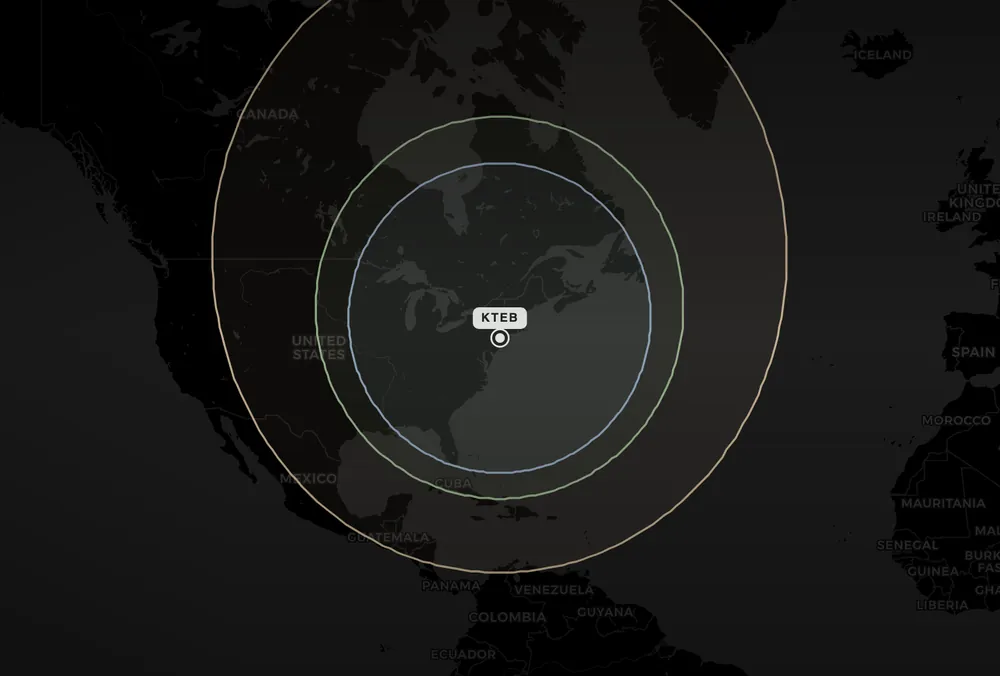
Try Range Explorer
See how far you can fly nonstop
Explore aircraft range, compare options, check flight times, and better understand which aircraft fits your trip.

Ready to fly to Columbus?
Request a charter and our team will tailor an itinerary for your next journey.
*Takes only about 40 seconds to request your quote.
