




Destination Hub
Private Jet Charter to British Virgin Islands

Private arrivals into British Virgin Islands are centered on Terrance B. Lettsome International Airport, setting a calm tone for yacht transfers, villa arrivals, and time-sensitive island stays. That single primary gateway keeps the charter day focused: arrive on your schedule, step off close to the water, and let the onward plan unfold without airline connections.
Quick facts
Why charter a private jet to British Virgin Islands?
Chartering privately into British Virgin Islands is about preserving time in a destination where the best itinerary is often measured by tides, tender pickups, and villa check-in rather than airline schedules.
Why private flyers choose EIS
EIS gives travelers a defined arrival point for the territory, which helps the charter team organize crew timing, ground coordination, and onward movement with fewer variables. An arrival can be planned around the real start of the trip: a marina handoff, a resort transfer, or a quiet evening on Tortola before moving through the islands.
For guests connecting from a commercial hub, private aviation removes the wait between published flights and replaces it with a schedule built around the party. It is especially useful for families, yacht groups, and travelers with luggage or provisions that need a more controlled arrival.
Flexibility that matters on island time
Weather, customs formalities, aircraft positioning, and peak-period demand can all shape the final plan, so flexibility is valuable before and after the flight. Your advisor can compare routing through EIS with secondary airport options when timing, availability, or the wider itinerary calls for it.
The result is not simply a more comfortable flight. It is a cleaner day of travel, with fewer handoffs and a better chance that the first hour on arrival feels like part of the vacation rather than the end of a commute.
“We secure the preferred EIS arrival window and handling plan first, then hold aircraft options. Firm December-April dates earlier in the process widen choice during yacht and villa season.”

When is the best time to fly to British Virgin Islands?
The best time to visit British Virgin Islands depends on whether you prioritize prime sailing conditions and social energy or quieter anchorages and more flexible availability.
December through April is the peak travel window, shaped by dry-season sailing, winter sun, holiday demand, and spring regattas. Villas, yachts, and preferred aircraft can all move earlier in this period, so travelers with fixed dates should begin planning well ahead of departure.
May and June can be appealing shoulder months, with fewer crowds after the main winter season and more room to shape the itinerary. September and October can also offer softer rates and improved aircraft availability, though travel plans during hurricane-season periods should stay flexible and closely monitored.
For the smoothest experience, match the flight plan to the real purpose of the trip. A holiday villa week, yacht embarkation, or regatta calendar calls for early coordination, while a flexible escape can often benefit from waiting for stronger aircraft availability.
Where our clients stay and go
British Virgin Islands is a sailing-forward Caribbean destination of clear water, sheltered channels, volcanic hills, coral islands, and days that often begin and end by boat.
The rhythm here is different from a single-resort island. Tortola gives the journey its practical center, with Road Town, marinas, hillside villas, and the working harbor forming the usual point of orientation. From there, the trip quickly becomes a sequence of water crossings, beach landings, and quiet bays.
Virgin Gorda draws travelers toward granite boulders, pale beaches, and the North Sound’s polished marina culture. Jost Van Dyke has a looser, barefoot character, where beach bars and small harbors give the day a sociable edge without making it feel overbuilt. Anegada feels flatter, brighter, and more remote, known for coral surroundings and long horizons rather than dramatic peaks.
What makes the territory so suited to private travel is not only privacy. It is the ability to arrive with the whole itinerary already in motion: aircraft, tender, villa staff, yacht crew, and dinner plans aligned before the wheels touch down. The destination rewards that kind of orchestration because movement between islands is part of the pleasure.
Light matters here. Morning is often for departures and crossings; late afternoon turns the water silver-blue and makes the hillsides glow. For travelers who prefer discretion over spectacle, the islands offer a refined kind of Caribbean luxury: informal on the surface, carefully arranged behind the scenes.
What determines the cost of a flight to British Virgin Islands?
The cost of chartering into British Virgin Islands is determined by the aircraft selected, the routing structure, airport-related charges, seasonal demand, and aircraft availability at the time of booking.
Aircraft selection
Aircraft class is one of the central cost drivers. Cabin size, range, luggage capacity, crew requirements, and onboard service level all influence which aircraft are appropriate for the mission and how the trip is quoted.
One-way versus round trip
A one-way itinerary may require the aircraft to reposition before or after your flight, while a round trip may allow the same aircraft and crew to remain aligned with your return. The more efficient the aircraft movement, the stronger the quote can be.
EIS positioning and airport charges
Costs can also reflect where the aircraft is based before departure, how it must position to meet you, and the confirmed operating charges associated with EIS. Handling, parking, crew logistics, and required airport services are reviewed as part of the charter proposal.
Seasonal demand
Winter sun, holiday travel, yacht itineraries, and spring sailing demand can tighten aircraft supply. During peak periods, preferred departure times and specific cabin categories tend to require earlier commitment.
Empty-leg availability
Empty legs can sometimes reduce the cost of a suitable itinerary, but they depend on another aircraft movement already being scheduled in the right direction. They are best treated as opportunistic options rather than the foundation of a firm travel plan.
Which airports serve British Virgin Islands?
Terrance B. Lettsome International Airport is the primary airport serving British Virgin Islands, while STT and SJU can be considered when the wider routing, aircraft availability, or connection strategy makes an alternate more practical.
EIS: the primary gateway
EIS is usually the first airport evaluated for a private arrival because it places the traveler directly into the territory’s main aviation plan. For yacht charters, villa stays, and Tortola-based itineraries, it keeps the day compact and reduces the number of separate travel steps after landing.
Choosing EIS also helps simplify coordination. The aircraft schedule, passenger arrival, baggage handling, and onward transfer can be built around one clear point, which is often the most valuable advantage in an island itinerary.
STT: a secondary option in the Virgin Islands region
Cyril E King Airport can make sense when the travel plan already includes St. Thomas, the U.S. Virgin Islands, or a transfer strategy that works better from that side of the region. It may also be reviewed when preferred timing into EIS is constrained or when the aircraft plan benefits from using a nearby alternate.
For private travelers, STT is not simply a backup name on a list. It can be part of a deliberate regional routing, especially when the party is coordinating with marine transfers, commercial arrivals, or a broader Virgin Islands stay.
SJU: a larger Caribbean gateway for complex routings
Luis Munoz Marin International Airport is often considered when San Juan works better as the aviation gateway for a broader Caribbean movement. It can be useful for itineraries that require more connection options, aircraft positioning flexibility, or a staged arrival before continuing onward.
SJU is best viewed as a strategic routing tool rather than a substitute for arriving close to the final island. Your charter advisor weighs the total journey, not just the airport code: aircraft availability, schedule resilience, passenger comfort, and the handoff from air to sea or ground transfer.
Common questions about British Virgin Islands charter
Which airport should I use for a private arrival?
British Virgin Islands trips are usually planned around EIS because it is the primary airport for the territory and keeps onward transfers as direct as possible.
When would STT make more sense than EIS?
British Virgin Islands travelers may consider STT when the wider itinerary includes St. Thomas, when regional timing works better from that side, or when EIS availability is constrained.
Can SJU be used as part of the routing?
British Virgin Islands itineraries can include SJU when San Juan is the better gateway for aircraft positioning, connection strategy, or a staged Caribbean arrival.
What determines the cost of chartering there?
British Virgin Islands charter pricing depends on aircraft class, one-way or round-trip structure, aircraft positioning, EIS charges, seasonal demand, and any suitable empty-leg availability.
How early should I book for winter or spring travel?
British Virgin Islands peak demand runs from December through April, so firm holiday, yacht, villa, and regatta-period dates should be secured early to preserve aircraft choice.

Try Range Explorer
See how far you can fly nonstop
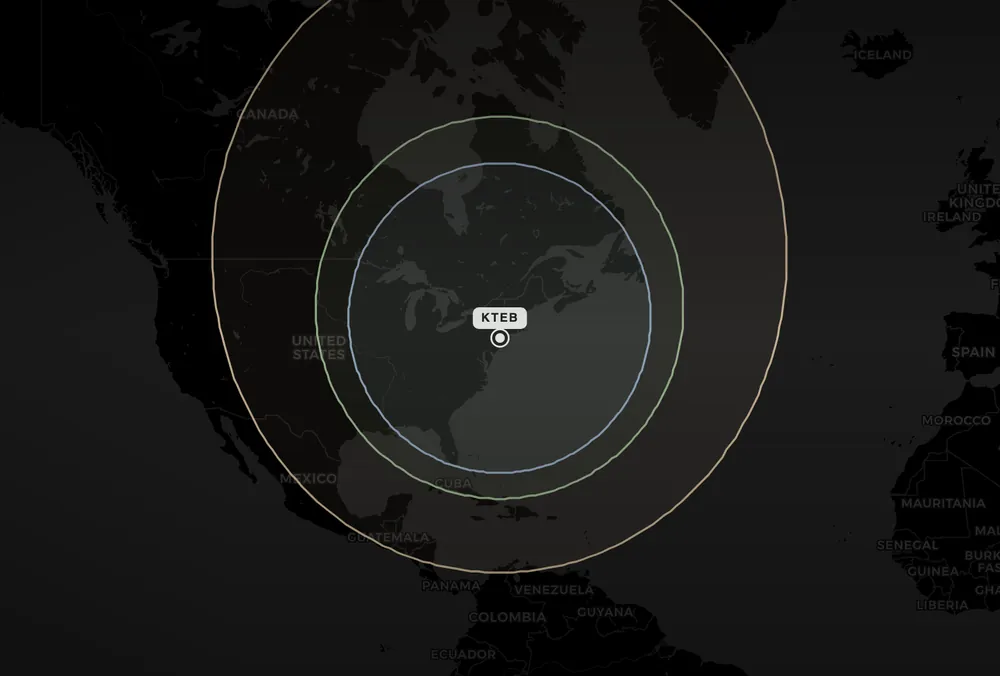
Explore aircraft range, compare options, check flight times, and better understand which aircraft fits your trip.

Ready to fly to British Virgin Islands?
Request a charter and our team will tailor an itinerary for your next journey.
*Takes only about 40 seconds to request your quote.
