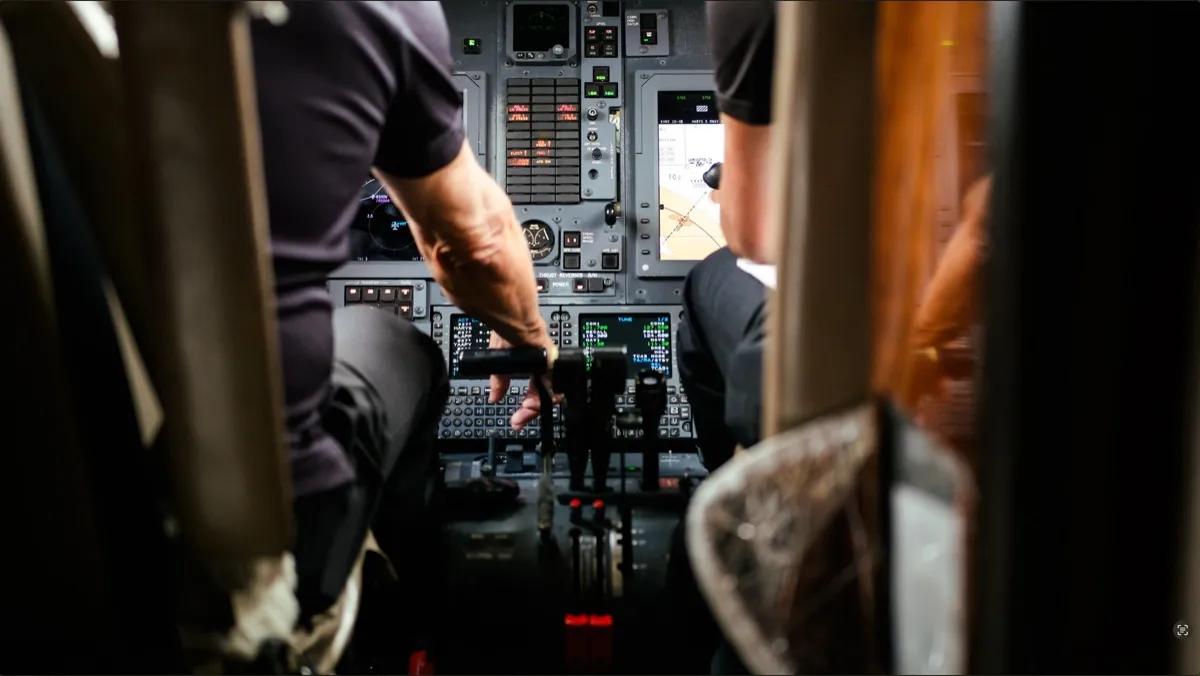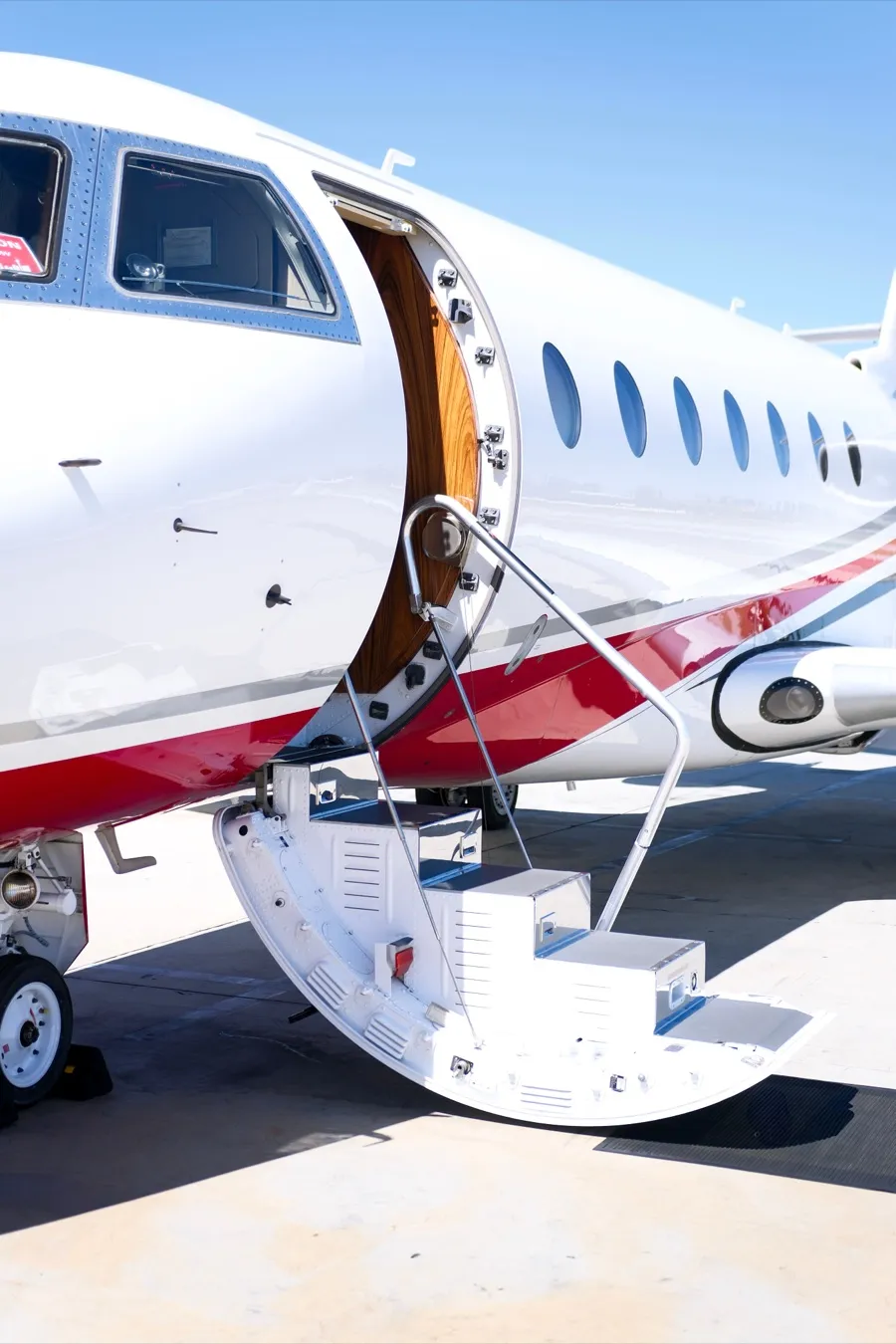




When you step into a private terminal for your departure, it is natural to wonder who is behind the polished experience. More specifically, travelers often want to know exactly who flies private jets and what rigorous standards those aviators must meet. The answer lies at the center of aviation safety, revealing how regulations and continuous vetting protect your journey before you ever board the aircraft.
At Amalfi Jets, our role as a dedicated charter broker is to match your itinerary with the ideal aircraft and an elite operating crew. We source from a carefully curated network that provides access to thousands of strictly vetted aircraft worldwide to ensure ultimate consistency. Whether you are departing Los Angeles, New York, or Miami, your experience remains seamless, discreet, and professionally managed from your first call to wheels down.
This comprehensive guide explains the qualifications and training standards that apply to premium charter crews. We explore Federal Aviation Administration regulations, recurrent training expectations, and how independent safety programs help validate operator performance. Understanding these vital metrics allows you to book your next flight with absolute confidence.
Who flies private jets and what Part 135 means
In the United States, commercial charter flights are conducted under Federal Aviation Administration Part 135 regulations. This rigorous regulatory framework sets strict minimum standards for pilot experience, training regimens, proficiency checks, and operational control. It also defines strict requirements for manuals, maintenance programs, and daily oversight that go far beyond standard private flying.
Because of these regulations, the professionals answering who flies private jets are never casual aviators. For legitimate charter missions, your flight is commanded by a deeply experienced crew flying for a certificated air carrier. The most reputable operators then layer additional safety standards on top of these baselines, ensuring consistent performance on every single flight.
For new private flyers, the most reassuring fact is that your aircraft and crew are not simply chosen for convenience. Our team selects them within a highly structured ecosystem of aviation rules, training cycles, and independent verification. This meticulous approach uniquely protects your investment and your time.
Charter pilot requirements under federal regulations
Federal rules establish strict experience baselines that aviators must meet before serving as Pilot in Command on charter operations. A standard benchmark requires at least 1,200 total flight hours, encompassing extensive night, instrument, and cross country experience. These specific hour categories are vital because they represent practical time spent managing complex weather systems and controlled airspace.
However, charter pilot requirements in the premium market rarely stop at these basic minimums. Many highly regarded operators require significantly more experience, often demanding 3,000 or more total hours with extensive time logged as Pilot in Command. This advanced experience becomes invaluable during challenging operational days, such as navigating tight traffic flows approaching New York or maneuvering around summer weather over Florida.
Beyond flight hours, pilots must hold the correct certifications and specialized ratings for your specific aircraft and mission. For larger aircraft, an Airline Transport Pilot certificate is mandatory, representing the highest credential in civil aviation. Aviators commanding jet aircraft must also secure specific type ratings, proving they have mastered the exact systems, performance capabilities, and emergency procedures for that precise model.
Evaluating private jet pilot qualifications beyond basic minimums
A flawless charter experience results from a professional aviation culture built around standardization, repetition, and disciplined decision making. When evaluating private jet pilot qualifications crew standards, clients want to ensure their flight deck is staffed by true specialists. Top operators look closely at recent flight experience to verify pilots are deeply familiar with their specific aircraft type.
These operators evaluate vital soft skills that directly impact safety, including cockpit communication, workload management, and spatial awareness in busy airspace. They also strictly manage duty time and rest requirements to entirely eliminate fatigue risk across your itinerary. An expertly managed operation never pushes a crew into a duty day that compromises performance, prioritizing your safety above all else.
From the passenger perspective, professional crews brief systematically, communicate clearly, and appear unhurried even under tight schedules. This profound sense of calm invariably comes from rigorous training and endless repetition. True command presence reflects thousands of hours spent perfectly executing standardized procedures.
Private aviation crew training and simulator proficiency
Initial qualifications merely serve as the beginning of a professional aviation journey. The true heart of aviation safety is the private aviation crew training that happens continuously throughout a distinguished career. This encompasses recurrent ground instruction, complex scenario learning, and regular proficiency checks designed to keep skills perpetually sharp.
Under federal regulations, crews complete recurrent training every 12 months, extensively covering aircraft systems, performance planning, and emergency drills. Many elite operators also incorporate advanced simulator sessions, allowing crews to meticulously practice critical events in a highly controlled environment. Pilots routinely complete command proficiency checks every six months to ensure they remain entirely ready for any variable.
Crew Resource Management training serves as a central pillar of modern aviation safety programs. This structured approach to communication and cross checking prevents minor issues from escalating by ensuring both pilots actively share situational awareness. For further technical context regarding standardized industry education, you can review the official pilot training guidance provided by the Federal Aviation Administration.
Cabin crew training standards for premium charter
While not every charter flight carries a dedicated flight attendant, many midsize and large cabin missions certainly do. When a cabin attendant joins your trip, their role is highly safety critical while remaining strictly service oriented. Premium operators consistently treat this dual responsibility with exceptional seriousness during their rigorous educational regimens.
Comprehensive cabin crew training includes safety equipment mastery, emergency communications, rapid evacuation procedures, and advanced medical response. It also covers acute situational awareness in the cabin, seamless coordination with the flight deck, and a discreet service style aligned with luxury expectations. A calm, highly competent cabin professional materially improves outcomes in any abnormal situation while providing immaculate service.
For travelers who deeply value their privacy, a trained cabin crew perfectly understands confidentiality and the subtle logistics defining a quiet atmosphere. On longer transcontinental routing, this quiet professionalism makes your private flight feel entirely effortless. You can simply relax knowing every aspect of your environment is strictly controlled and graciously managed.
Operator vetting with independent safety programs
Knowing that federal regulations exist is comforting, but verifying whether a specific operator consistently exceeds them is paramount. This rigorous verification is exactly where independent safety auditing becomes incredibly valuable. Prestigious programs such as ARGUS Platinum and Wyvern Wingman rigorously evaluate how an operating company performs well beyond baseline compliance.
These prestigious audits review pilot backgrounds, training programs, maintenance practices, and broader safety systems in exhaustive detail. Operators holding these ratings represent the strongest performers in the industry, demonstrating documented processes and ongoing accountability. This detailed vetting process significantly reduces guesswork and elevates the consistency of your travel portfolio.
Amalfi Jets heavily relies on this precise vetting to ensure the highest caliber of safety for your journey. When you ask who flies private jets on your itinerary, we guarantee a properly qualified crew. They will invariably be flying for an operator with an immaculate track record that stands up to intense scrutiny.
Navigating elite airspace at major global hubs
Major aviation hubs amplify the immense value of pilot experience because they dramatically compress time and vastly increase operational complexity. Departures from Los Angeles International Airport (LAX) typically route through highly dense airspace across the busy coastal basin. Van Nuys (VNY) adds the rapid pace of a premier aviation environment with frequent jet movements and exceptionally quick turnarounds.
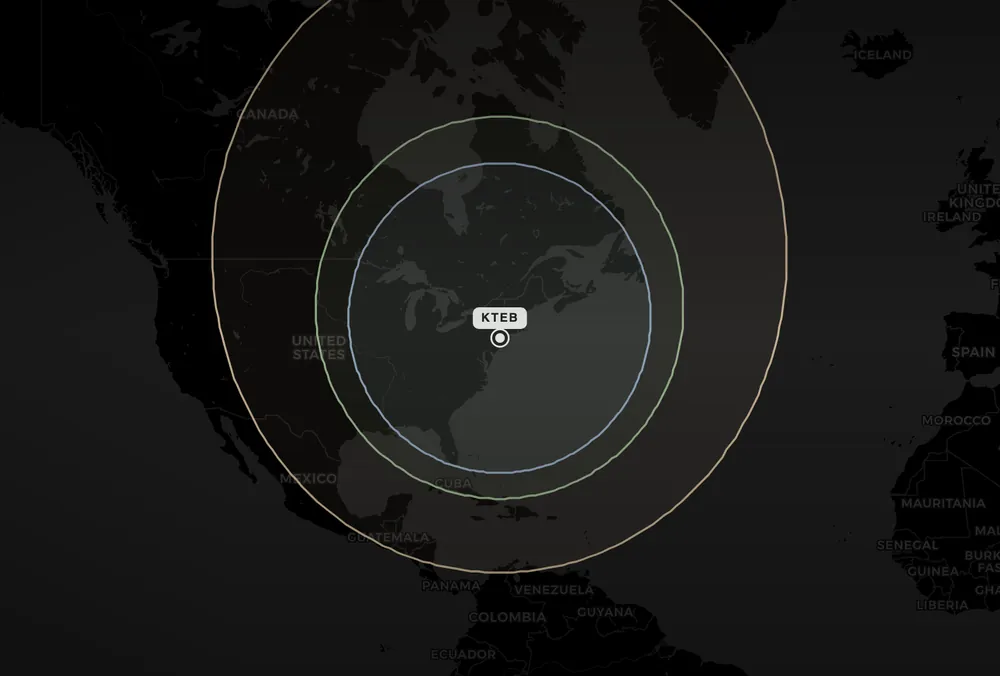
On a typical transcontinental flight of approximately five hours from Teterboro (TEB) or John F. Kennedy International Airport (JFK), your crew executes extensive performance planning. Their workflow includes precise weather analysis, detailed fuel strategy, and complex air traffic coordination starting long before you arrive. When your aircraft effortlessly departs these heavily congested zones, it clearly reflects profound operational discipline.
At the arrival terminal, this total professionalism continues flawlessly without interruption. Crews coordinate discreet ground handling, rapid luggage transfer, and exact timing so you can step directly from your aircraft to your waiting car. For travelers valuing both speed and absolute privacy, this complete coordination serves as an essential feature of your journey.
Securing peace of mind for your next flight
Crew quality fundamentally ensures your punctuality, comfort, and absolute safety on every single charter mission. Understanding who flies private jets allows you to confidently select a provider based on genuine substance rather than simple marketing. We deeply encourage you to ask your broker specific questions regarding operator safety ratings and crew experience before booking.
Pricing will naturally vary based on your specific aircraft category, routing choices, scheduling flexibility, and overall market availability. To better understand what drives your total trip investment, please review our comprehensive guide covering private jet charter costs. This detailed resource beautifully complements your safety research by clearly demonstrating how mission variables actively influence dynamic pricing.
When you are ready to discuss your next itinerary, we invite you to easily request a charter quote with our dedicated team. If you wish to learn more about our rigorous sourcing approach, please explore exactly why clients choose Amalfi. You can also read more premium aviation insights by visiting our latest news updates, where we proudly publish transparent guidance for luxury travelers.