




A private jet pilot salary in 2026 depends on far more than the aircraft a pilot flies. The seat, employer, qualifications, schedule, and definition of compensation all shape an offer. If you are asking how much private jet pilots make, it helps to compare roles before comparing figures.
For pilots, those distinctions can clarify a career decision and outline expectations. For travelers, they offer a better understanding of the highly trained crews behind a charter itinerary. Amalfi Jets is a charter broker, not the operator of the aircraft it arranges. The certificated operator remains entirely responsible for the crew and the operational control of the flight.
Private jet pilot salary in 2026: What can you compare?
A single published figure cannot completely describe every business aviation pilot position. An advertised salary may reflect base pay, while another figure may include incentives or describe total compensation. Even two openings with the exact same title can involve significantly different schedules, aircraft qualifications, and time away from home.
That is why a universal 2026 range for every Captain or First Officer would offer false precision. A more useful salary guide starts by identifying the seat and operating model, then asks what an offer truly includes. Any posted figure should be read in the context of the particular job, rather than treated as a promise about the broader aviation market.
Captain and First Officer pay: Why the seat matters
A First Officer serves as the second pilot in a two-pilot crew, while a Captain holds command responsibility. Those differences matter when comparing pay, but the titles alone do not establish a dependable dollar range. An employer’s specific requirements for experience, aircraft qualifications, and training can fundamentally change the terms of either role.
Captain openings may call for substantial time as pilot in command or experience in a particular aircraft. For a First Officer, the path toward command may be just as important as the initial salary. A Chief Pilot role adds leadership responsibilities that extend beyond flying, so its compensation should not be compared with a line pilot position on title alone.
If you are reviewing Captain and First Officer salary ranges, verify whether the figures come from comparable jobs. The same operating model, aircraft category, location, schedule, and definition of pay make for a meaningful comparison. This targeted approach is always more informative than a broad average drawn from entirely unrelated positions.
Charter jet pilot pay and Part 135 roles
Part 135 is the regulatory framework directly associated with on-demand charter operations. A Part 135 pilot salary is determined through the pilot’s arrangement with the certificated operator, not by a passenger purchasing a pilot’s services separately. The regulatory designation identifies an operating context, but it does not set a uniform national pay scale.
Two charter Captains can encounter vastly different offers even when both positions are described as Part 135. Their aircraft assignments, command requirements, schedules, and compensation terms may differ significantly. First Officer positions also vary, particularly when the employer specifies prior experience in a specific aircraft or a particular training background.
For someone assessing charter jet pilot pay, the most useful questions concern what the stated salary actually covers. Ask how time away from home, training, changes to assignments, and any additional compensation are handled by the operator. The answers reveal much more about the career opportunity than its basic regulatory label alone.
Fractional and corporate pilot compensation
Fractional operations and corporate flight departments offer distinct professional settings for business aviation pilots. A fractional position may follow an employer-specific staffing and scheduling structure that differs from traditional charter flying. A corporate flight department may serve a single business or aircraft owner under a different set of responsibilities and scheduling expectations.
Neither setting can be declared the definitively highest-paying choice in every market. Comparing a fractional Captain opening with a corporate First Officer opening obscures the profound effect of the seat. A sound comparison keeps the role, aircraft category, experience requirements, and compensation definition as consistent as possible.
A corporate role may also involve administrative duties that are not apparent from a raw salary figure. Meanwhile, a fractional offer may describe schedule terms that deserve equal attention from a prospective applicant. Pilots weighing either path should read the full written offer and discuss how the position operates in practice, as no operating model guarantees a particular salary on its own.
Type ratings and aircraft experience
A type rating establishes an aircraft qualification, but it is not a fixed addition to every paycheck. Certain aircraft and pilot duties require an appropriate rating, and employers certainly value current experience in the aircraft they intend to use. The resulting offer still depends heavily on the complete role and the candidate’s broader professional background.
For a pilot, the relevant question is whether a specific qualification opens access to a position that fits long-term career goals. Aircraft experience, time as pilot in command, and training currency may all matter immensely in a hiring decision. However, none of these factors supports a universal dollar premium that automatically applies to every employer in 2026.
This distinction proves especially useful when comparing two apparently similar job openings. One employer may prioritize a candidate who can meet a specific training timeline, while another may place greater emphasis on deep command experience. Understanding those unique requirements is far more informative than assuming that a particular aircraft name predicts exact compensation.
Look beyond the advertised salary
Before accepting a salary comparison, establish whether each number represents base pay, expected total cash compensation, or an advertised figure with terms still to be negotiated. Incentives and benefits can change the overall value of an offer without changing its headline salary. Thorough written terms are considerably more useful than an isolated number found online.
Schedule considerations warrant the exact same level of careful scrutiny. Time off, overnight duty, commuting expectations, recurrent training, and the handling of assignment changes can all affect how a role feels over time. These vital conditions vary by employer, so they should be discussed directly rather than inferred from an aircraft category or operating model.
Insurance, retirement provisions, and travel-related allowances may also be highly relevant to a pilot’s final decision. Their availability and exact terms should always be confirmed with a prospective employer before accepting an offer. For someone comparing roles, the absolute best choice may not always be the position with the highest advertised base salary.
Pilot demand and career decisions in 2026
Demand for qualified crews can certainly influence hiring conversations, but it does not translate into one dependable national pay figure. Employers may approach compensation, recruitment, retention, and schedule predictability differently based on their specific operating needs. Those distinct differences matter greatly to an experienced Captain considering a move and to a First Officer planning a path toward command.
Pilots can make the comparison significantly more productive by asking precisely what experience the employer requires. They should also ask how the schedule is communicated and what long-term progression may be available within the company. A truly compelling offer is a balanced combination of responsibilities, support, compensation, and manageable time away from work.
For travelers, a pilot’s individual salary is never a direct measure of crew quality or safety. Crew qualifications, rigorous training, and consistent operator oversight are far more relevant to the safety and success of an individual flight. Pay and retention belong in the broader workforce conversation, rather than replacing essential questions about who will operate a particular itinerary.
Private jet pilot salary in Los Angeles (VNY) and New York (TEB)
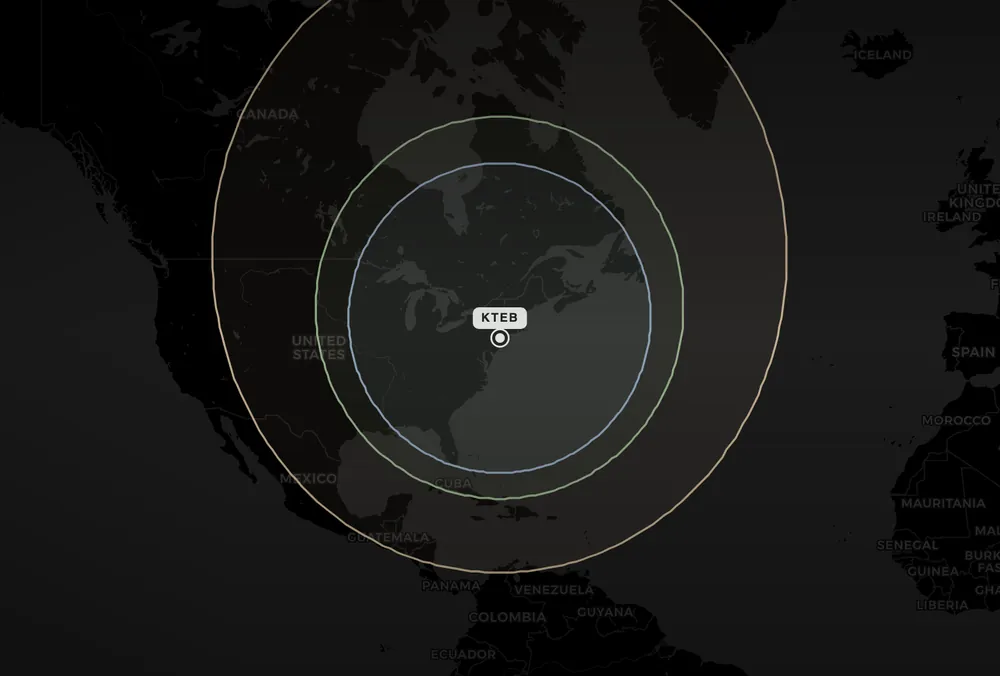
Van Nuys Airport (VNY) serves as a remarkably useful reference point for business aviation in the Los Angeles area. Teterboro Airport (TEB) plays a comparable and highly significant role in conversations about the bustling New York market. However, neither specific airport code tells a pilot exactly what a local Captain or First Officer position will pay.
A candidate considering either market should look first at the specific operator or flight department and the assignment itself. Geographic location can shape a job search, but an airport name alone is never definitive evidence of a salary premium. The aircraft, seat, schedule, and complete compensation terms remain the most reliable basis for comparing available offers.
For a traveler, these major airports are itinerary considerations rather than direct indicators of crew pay. Ground plans, airport arrangements, and airspace congestion should be thoughtfully assessed for the specific trip being planned. That tailored approach is far more helpful than assuming that every departure from a major business aviation airport follows the exact same pattern.
Pilot pay in Miami (OPF) and Dallas (DAL)
Miami-Opa locka Executive Airport (OPF) and Dallas Love Field (DAL) provide two further dynamic settings for considering business aviation careers. Just as in Los Angeles and New York, a pilot should avoid treating the airport as shorthand for an employer’s baseline compensation policy. Positions strongly associated with the exact same city can differ substantially in core responsibilities and financial terms.
For pilots actively searching Miami or Dallas openings, it is well worth separating the location from the detailed terms of the job. Compare Captain roles directly with Captain roles, or First Officer roles with First Officer roles, and ask exactly how each employer defines its advertised pay. The most relevant financial range is the one fully supported by comparable, current opportunities that closely match your professional qualifications.
Travelers inherently possess a distinctly different set of questions about navigating these busy regional markets. Airport suitability and ground arrangements depend heavily on the itinerary, the available aircraft, and the certificated operator’s thorough planning. A broker can expertly help clients consider those choices without implying that a specific city or airport code dictates a pilot’s individual salary.
What pilot compensation means for a charter itinerary
A traveler simply does not purchase an individual pilot’s salary by the hour when booking a trip. A charter proposal reflects an available aircraft and the operator’s proven ability to carry out a specific trip effectively. Crew and scheduling requirements are considered entirely as part of that broader, comprehensive operation. A pilot’s personal compensation should never be confused with the structural components of a detailed charter quote.
Our 2026 private jet charter cost guide explains why a quote often reflects significantly more than raw flight time. That comprehensive pricing typically includes vital crew logistics, potential overnight fees, and possible aircraft repositioning costs. Amalfi Jets proudly helps clients compare aircraft through thoroughly vetted operators and coordinates seamlessly around their preferred itineraries. Ultimately, the certificated operator retains full responsibility for the aircraft, crew, and overarching operational control.
That clear separation of responsibilities helps keep a charter proposal remarkably transparent for the traveler. Our team can discuss exactly how an available aircraft and operator align perfectly with your travel plans. Meanwhile, the operator independently determines exactly how the flight is conducted and how its dedicated crew is managed. The result is a highly informed conversation about the trip itself, avoiding inaccurate assumptions about what any individual crew member earns.
Private jet pilot salary questions answered
There is no single figure that fairly represents every charter, fractional, and corporate aviation position across the industry. Captain and First Officer pay should always be compared strictly within similar roles. Candidates must use current offers that clearly define base salary and any additional compensation in the exact same way. This comprehensive approach ensures a much more accurate understanding of the rapidly evolving aviation job market.
The search phrase “private pilot salary 2026” can dangerously blur a private pilot certificate with a professional job flying private aircraft. This article specifically concerns professional business aviation positions requiring extensive training and advanced commercial credentials. Holding a basic private pilot certificate does not, by itself, qualify someone to fly a paid passenger charter trip. Travelers can rest assured that professional charter crews hold advanced certifications far beyond a private license.
A Part 135 pilot salary is not universally higher than corporate pilot pay as a general rule. Professionals must compare the same seat, aircraft category, experience requirements, schedule, and compensation terms before reaching a conclusion. They should never assume that one position automatically offers more than another based solely on regulatory operating models. Each specific flight department sets its own unique standard for professional compensation and associated lifestyle benefits.
A type rating may be entirely necessary for a position, but it carries no universal pay premium in 2026. The complete role and the pilot’s comprehensive flight experience determine whether a particular opportunity is truly attractive. Amalfi Jets is exclusively a charter broker, meaning the certificated operator is fully responsible for the crew and the flight. If you are planning a trip, discuss a charter itinerary with Amalfi Jets, and our expert team can help you consider exceptional aircraft options.