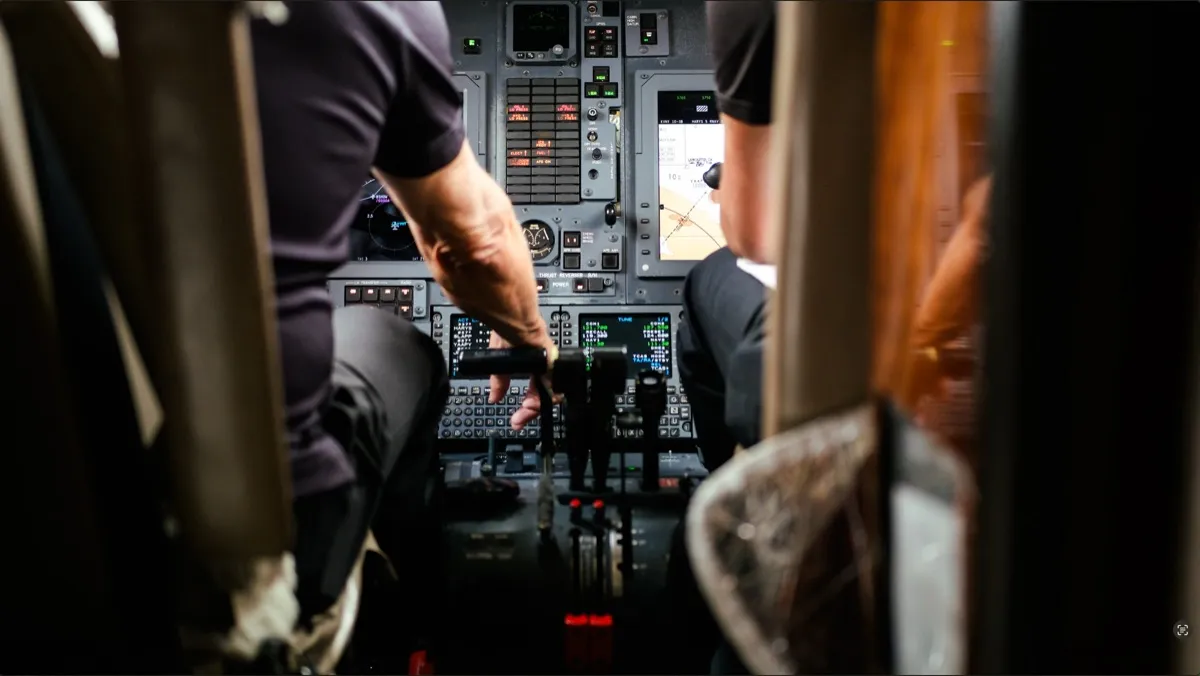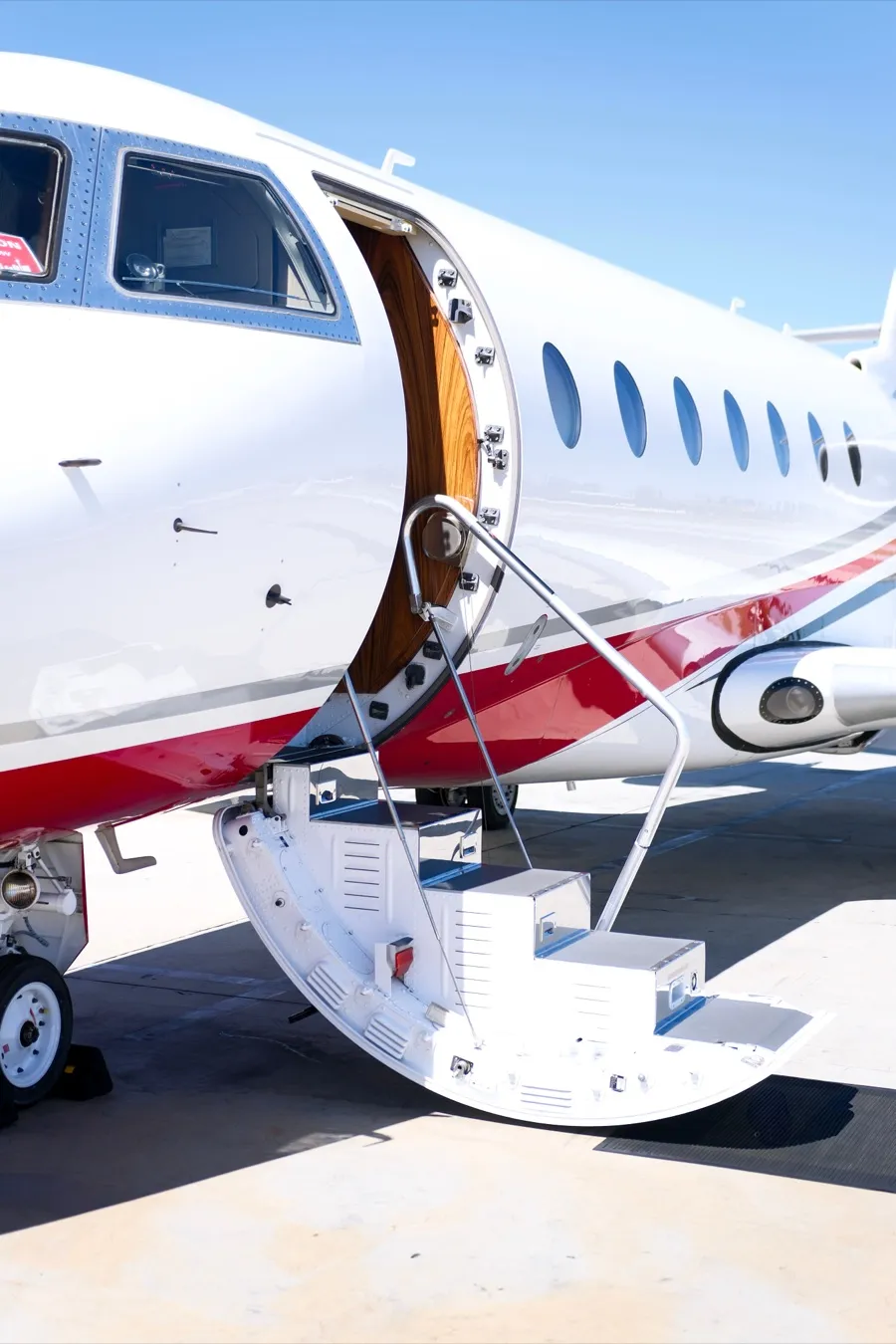





A private jet in movies can establish an entire character before anyone speaks. A quiet cabin, a waiting aircraft, and a conversation above the clouds suggest privacy, influence, and control over time. What the camera rarely shows is everything that had to happen before departure.
For our 2026 screen test, we are revisiting familiar films and television rather than limiting the conversation to new releases. Succession, Iron Man, and Goldfinger offer three different answers to the same question. The question is whether the aircraft serves a believable journey or simply makes an unforgettable entrance. At Amalfi Jets, we appreciate the storytelling while keeping the real charter experience in focus.
Private Jet in Movies: What Earns a Passing Grade?
The most convincing portrayals understand why the passengers are there. A cabin can provide space for a sensitive conversation, time with a traveling party, or a quieter transition between commitments. Those purposes are more credible than the suggestion that private aviation makes every practical constraint disappear.
Our screen test therefore separates atmosphere from operations. A scene can capture the appeal of privacy beautifully while saying very little about aircraft selection, crew arrangements, or airport procedures. Getting the mood right deserves credit, but it does not make the sequence a charter planning guide.
Succession: A Private Jet TV Show Gets the Social Dynamics Right
In Succession, private aircraft sit naturally within a world of corporate influence and family negotiation. Travel becomes another setting in which access, proximity, and control matter. The aircraft is not merely transportation, as it helps show who belongs in the conversation.
That is the show's strongest point of contact with real private travel. A cabin can keep a traveling group together and create a more contained environment than a public terminal. The series understands the narrative value of that separation, even though a dramatic conversation tells viewers little about the arrangements behind the journey.
The realism verdict is strongest on social dynamics rather than logistics. A recurring aircraft setting can feel familiar without establishing whether the passenger count, baggage, route, and selected aircraft align. Those questions still need answers when the trip moves from television to an actual itinerary.
Iron Man: A Memorable Cabin, Not a Charter Brief
Tony Stark's aircraft in Iron Man is an extension of his personality, presenting a theatrical environment designed to command attention. The onboard party sequence makes the cabin feel like a private stage. It is an effective introduction to a character whose surroundings are meant to be as conspicuous as he is.
The scene gets something important right about storytelling. Cabin design, service, and the people traveling together can communicate character before the plot needs an explanation. What it does not establish is that the same arrangement would be available, suitable, or appropriate for another passenger's journey.
A real charter starts with requirements rather than a cinematic wish list. The operating carrier's procedures and the selected aircraft determine what is possible onboard, while service requests need to be discussed in advance. Enjoy the scene for its personality, not as a specification for your next departure.
Goldfinger: Private Jet Film Style Versus Aviation Reality
Goldfinger uses private aviation to reinforce its atmosphere of power, exclusivity, and danger. The aircraft belongs to the story's carefully controlled world, where transportation can become another expression of a character's influence. That remains an effective cinematic device decades after the film's release.
Its dramatic airborne climax is a different matter. An action sequence is not a reliable explanation of aircraft systems, cabin conditions, or emergency response. Viewers can admire the staging without treating the spectacle as an aviation lesson.
Our verdict is that Goldfinger gets the symbolism right rather than providing a model for modern charter travel. Alongside Iron Man and Succession, it demonstrates how an aircraft can carry narrative meaning well beyond the journey itself. None of these examples needs to be operationally complete to be memorable cinema.
Which Private Jet Aircraft Appear on Screen?
Aircraft identification is part of the fun, but a brief exterior shot is not always enough to establish an exact model. An interior sequence may also provide too little information to connect the cabin confidently with the aircraft shown outside. A familiar silhouette is a starting point, not a definitive identification.
Viewers may recognize names such as Gulfstream, Learjet, or Citation when discussing business aircraft on screen. Those names should not be mistaken for a ranking of the aircraft most frequently used in film and television. Establishing that ranking would require a defined set of productions and consistent identification across them.
For an actual trip, categories are often a more useful starting point than screen recognition. Our guide to private jet aircraft categories introduces options such as light, midsize, super-midsize, heavy, and ultra-long-range jets. Passenger needs, baggage, airports, and the itinerary determine which options merit consideration, not the prominence of a particular aircraft in a favorite scene.
Celebrity Private Jet Scenes Are Not Ownership Records
A recognizable actor stepping into a private cabin can blur the line between a fictional character and the person playing the role. The scene establishes something about the story, not necessarily the performer's personal travel arrangements. It is not evidence of aircraft ownership or an ongoing relationship with a particular aircraft.
The same caution applies to a cabin that appears unusually spacious or perfectly arranged for a conversation. Framing, editing, and production design shape what the audience sees. Enjoying the image does not require assuming that every visible detail represents an available charter configuration.
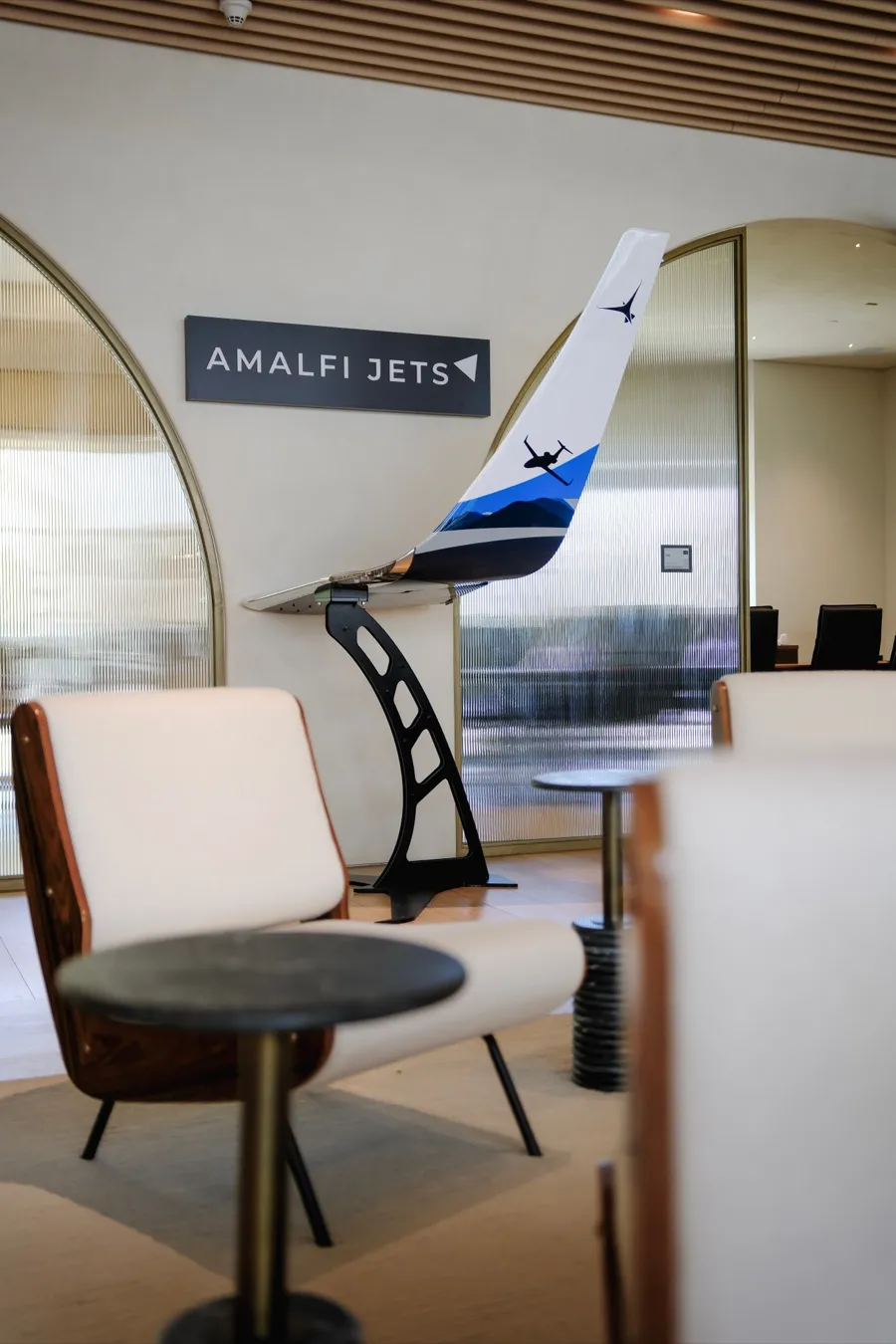
What a Real FBO Looks Like
An FBO, short for fixed-base operator, is a business that provides aviation services at an airport. Depending on the facility, those services may include passenger handling, aircraft fueling, parking, and support for flight crews. A passenger lounge is one part of that environment rather than the whole operation.
On screen, the FBO may appear to be little more than a quiet room connected to a waiting aircraft. In practice, facilities differ, and the passenger experience sits alongside active ground operations. A calm arrival can coexist with substantial coordination that remains out of view.
For your itinerary, the important questions are practical. Confirm the designated arrival location, passenger information requirements, baggage arrangements, and coordination with the operating carrier. The right preparation is more useful than expecting every facility to resemble a television set.
Los Angeles VNY: Beyond the Hollywood Departure
Van Nuys Airport (VNY) brings the private jets of Hollywood into a real Los Angeles travel conversation. A hangar, a ramp, and an aircraft can make a persuasive establishing shot, but they do not tell a passenger where to arrive or how the trip has been arranged. The airport code is a planning detail, not a complete set of instructions.
For a Los Angeles departure, your schedule and ground destination belong in the discussion alongside the aircraft. The designated facility and arrival arrangements should be confirmed for the specific itinerary. A familiar-looking backdrop is no substitute for those details.
At Amalfi Jets, we begin with what you need to accomplish in Los Angeles. We then help evaluate suitable aircraft and airport arrangements with the operating carrier. The aim is a journey that fits your day, not a recreation of a camera angle.
New York TEB: The Transfer the Camera Skips
Teterboro Airport (TEB) offers the New York-area counterpart to that conversation. Television can move from an aircraft cabin to a Manhattan meeting in a single cut. A real itinerary needs to account for the journey between those settings.
Your onward destination and ground transportation should be considered before departure. The timing depends on the actual arrangements and conditions, not on the pace of an edit. Treating the transfer as part of the trip creates a more coherent plan.
The same principle applies to a Los Angeles to New York storyline. It does not establish a reliable flight time between VNY and TEB, or prove that any aircraft shown would suit the journey. Aircraft selection, routing, weather, and operating considerations all matter when building the actual itinerary.
The Instant Departure Gets a Rewrite
A character makes a call, steps onto a ramp, and arrives in another city after the next scene change. It is efficient storytelling because the audience immediately understands the transition. It also compresses several distinct planning decisions into a single gesture.
Aircraft availability, positioning, crew arrangements, and airport requirements all belong to a real charter discussion. Passenger details and service preferences also need attention, while weather and operational restrictions can affect the plan. A waiting aircraft does not establish that every departure condition has already been met.
The cinematic version deserves credit for conveying convenience. The real experience feels straightforward when the relevant details have been coordinated, not because those details cease to exist. That is the difference between an effortless impression and an unplanned departure.
What the Departure Montage Leaves Out of the Budget
A charter proposal reflects an itinerary rather than simply a cabin or an hourly figure. Aircraft time, positioning, crew logistics, applicable taxes, airport charges, and other trip-specific items can affect the overall quote. The relevant components depend on the proposed journey and its terms.
Our 2026 private jet charter cost guide explores that broader budgeting perspective. The useful question is what your proposal includes and which conditions apply to it. A fictional character's apparent spending offers little guidance for that conversation.
A film rarely needs to pause for those details unless they advance the plot. Charter planning has a different priority because the details help define the journey. Understanding that distinction lets you enjoy the montage without treating it as a purchasing guide.
The Verdict: Purpose Matters More Than Spectacle
The strongest private jet in movies is not necessarily the largest or most dramatic aircraft. It is the one that makes sense within the story, showing why the passengers are traveling together and how the setting supports the scene. Succession is persuasive about access, Iron Man about personality, and Goldfinger about power.
Their limitations are equally useful to recognize. A compelling cabin does not establish aircraft suitability, an elegant terminal does not explain ground operations, and a quick edit does not demonstrate immediate availability. The best viewing experience leaves room to appreciate both the fiction and the preparation that real travel requires.
Make the Journey Fit Your Story
Amalfi Jets is a charter broker, not an aircraft operator. We help source and compare suitable aircraft operated by third-party carriers and coordinate trip requirements with the operating carrier. Aircraft selection, cabin preferences, airports, timing, and service requests belong in one considered conversation.
The screen version often begins with an aircraft and builds a story around it. We begin with your plans and help identify options that fit the journey. Request your charter with Amalfi Jets, and let our team help shape an itinerary around what matters to you.