



Arriving at the private terminal on time does not always mean your aircraft can depart immediately. Private jet de-icing may be necessary when frost, snow, or ice is present, and the crew must complete the appropriate treatment and checks before departure. This is aircraft preparation for safe flight, not an optional service that can be skipped to preserve a schedule.
As November 2026 brings winter planning into focus across the Northeast and Midwest, understanding the process can make both your itinerary and your quote easier to navigate. Private jet winter weather planning extends beyond the forecast at your destination to include aircraft positioning, ground services, and conditions along the itinerary. As a charter broker, Amalfi Jets coordinates aircraft options and trip details with the selected operator while keeping those responsibilities clear.
Private Jet De-Icing vs. Anti-Icing
De-icing removes existing frost, snow, and ice from an aircraft. Contamination can affect aircraft performance, so the crew must establish that the aircraft meets the applicable clean-aircraft requirements before departure. A prepared cabin and passengers ready to board do not change that obligation.
Anti-icing provides temporary protection against new contamination on a clean aircraft. It serves a different purpose from removing ice that is already present, although both treatments may be part of the same departure preparation. The operator and crew determine what is appropriate for the aircraft and the conditions.
For travelers, the important distinction is that an initial treatment does not necessarily finish the process. If precipitation continues or conditions change, the crew must assess whether the aircraft remains suitable for departure. The question is not simply whether treatment has occurred, but whether the aircraft meets the requirements when it is ready to leave.
What Happens Before a Winter Departure?
De-icing on a charter flight involves coordination among the aircraft operator, crew, and relevant ground-service personnel. Depending on the airport and the arrangements for your aircraft, treatment may take place at its parking position or require movement to another service location. The selected operator can explain the plan for your particular flight.
Treatment is one part of a broader sequence that can include inspection, communication with ground personnel, and coordination of departure timing. Equipment availability, other aircraft awaiting service, and changing conditions can affect that sequence. Passenger readiness alone does not determine when the aircraft can depart.
Amalfi Jets can help clarify the latest plan and coordinate passenger arrival information with the operator. That communication can make a changing situation easier to manage, but it does not replace the crew's assessment. Departure remains dependent on completion of the required preparation and the conditions affecting the flight.
Holdover Time: Why Treatment Does Not Guarantee Departure
Holdover time is an estimated period of protection against new contamination following an anti-icing treatment under specified conditions. It is not a universal countdown or a guarantee that the aircraft can depart until a particular minute. Its applicability depends on the treatment and the conditions encountered.
Changes in precipitation or the aircraft's condition can affect the crew's next steps. Travelers should therefore rely on the operator's assessment for their flight rather than a general time range. A treatment that was appropriate earlier does not remove the need to evaluate conditions before departure.
This becomes particularly important when an aircraft has been treated but is waiting because of a traffic restriction or another interruption. Further inspection or treatment may be necessary before it can leave. A delay after treatment can therefore affect both the departure plan and the services required.
What Determines the Cost of De-Icing a Private Jet?
There is no single private jet de-icing fee that applies to every charter. The charge depends on the aircraft, airport, operator, service arrangements, and treatment required. Aircraft size and configuration, the conditions encountered, and whether additional treatment becomes necessary can influence the expense.
The fee appears because winter treatment is a ground service associated with preparing the aircraft for departure. Depending on the charter agreement, it may be included in the quoted amount, estimated separately, or billed according to the services actually required. Those distinctions matter more than a generic figure that may not reflect your trip.
Consider the complete itinerary when discussing cost. A later departure from another airport may also require treatment, even if the first flight leaves without it. Changes to the itinerary can introduce different ground-service requirements as well.
Before confirming, ask whether the quote includes de-icing, how any additional treatment would be charged, and how variable expenses will be communicated. The private jet charter cost guide provides a starting point for the broader cost discussion. For a specific winter itinerary, our team can help clarify the assumptions with the selected operator rather than suggest an unconfirmed standard fee.
Why Winter Charges May Change After Booking
The need for treatment depends on the aircraft's condition and the weather around departure, not simply the month of travel. A quote prepared well ahead of the flight cannot resolve every condition that may arise that day. Understanding how variable expenses are handled is therefore an important part of reviewing the initial total.
Ask whether winter ground services have been included, estimated, or left subject to actual requirements. You should also understand whether a change in airport, departure time, or aircraft positioning could affect those arrangements. Clear expectations make it easier to distinguish a foreseeable variable expense from a change to the underlying itinerary.
The private jet pricing guide offers additional context for an individualized charter quote. Our team can then discuss your departure airport, aircraft option, and schedule with the selected operator. The objective is a transparent explanation of your trip, not a winter charge applied without context.
Winter Private Jet Delays Beyond De-Icing
De-icing is one possible cause of winter private jet delays, but it should not be considered in isolation. Runway and taxiway conditions, reduced visibility, air traffic restrictions, and airport closures may also affect departure. Several constraints can occur together, even after the aircraft itself has been prepared.
For example, treatment may be complete while departure clearance remains constrained. At another point, the airport may be accepting departures while the aircraft is waiting for ground service. Understanding which constraint is currently affecting the flight helps explain why a departure estimate may change.
A prolonged interruption may also require the operator to revisit the flight plan or consider crew duty limits. These are possible consequences, not assumptions to make about every winter itinerary. Private aviation offers flexibility, but it does not remove the weather or operational requirements affecting an airport.
November 2026 Planning: New York TEB, Chicago MDW, and Boston BED
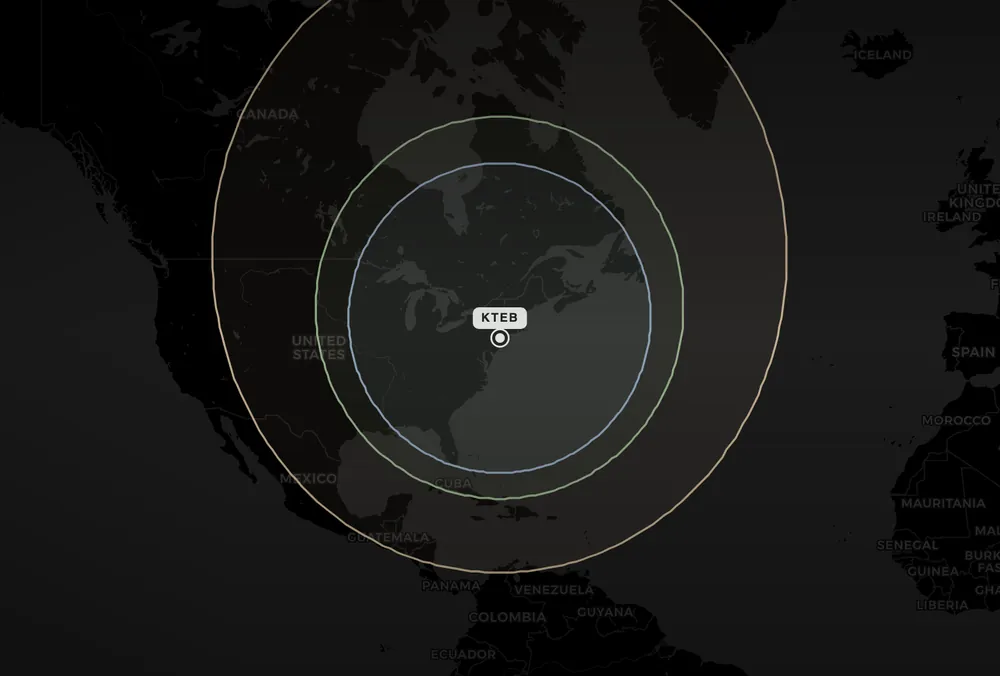
November is a useful point to revisit winter arrangements across the Northeast and Midwest, although conditions do not follow a fixed calendar. For New York travel through Teterboro Airport (TEB), ask how the operator plans to prepare the aircraft if treatment becomes necessary. The airport choice alone does not establish the exact service location, availability, or sequence for your flight.
For Chicago departures through Chicago Midway International Airport (MDW), discuss aircraft positioning alongside passenger timing. Conditions affecting an earlier aircraft movement can influence your itinerary even when the local forecast appears manageable. Our team can help establish how the operator expects to communicate any resulting adjustment.
For Boston travel through Laurence G. Hanscom Field (BED), the same trip-specific approach applies. Confirm the planned winter ground arrangements rather than assuming that every departure follows an identical process. The relevant details depend on the selected aircraft, operator, and conditions on the day.
Denver APA, Aspen ASE, and Minneapolis FCM
For Denver itineraries through Centennial Airport (APA), ask where the aircraft is expected to be before your flight. Overnight positioning and possible hangar arrangements may be relevant to the planning conversation, subject to availability and the operator's assessment. Neither should be presented as a guarantee that treatment or delay can be avoided.
For Aspen/Pitkin County Airport (ASE), consider the entire itinerary rather than only the destination forecast. Weather at the departure airport or during the aircraft's earlier movements may also affect the plan. The Aspen private jet charter page provides a starting point for destination planning, while our team coordinates the specific itinerary with the operator.
For Minneapolis travel through Flying Cloud Airport (FCM), discuss aircraft suitability and winter ground-service arrangements early. If flexibility around the airport or departure time is possible, make those preferences known before travel. Any alternative still needs to be evaluated against weather, availability, and your actual travel priorities.
How to Reduce Avoidable Disruption Before Travel
Start by identifying the commitments in your schedule that cannot move. A meeting, an event, or an onward connection may make arrival timing more important than your preferred departure hour. Sharing that context helps our team discuss practical options with the operator.
Ask about aircraft positioning, overnight arrangements, and responsibility for coordinating winter ground services. It can also be useful to discuss whether a different departure time or another suitable airport could be considered if conditions warrant. These choices may create flexibility, but none eliminates weather risk.
Allow room in ground transportation and post-arrival plans for a possible adjustment. A tightly connected schedule can become difficult even when the flight remains feasible. The most useful preparation is a clear contingency conversation, not an assumption that arriving early will prevent a delay.
What to Do on the Day of Your Flight
Stay in contact with Amalfi Jets before leaving for the airport, particularly if conditions have changed overnight. Ask whether the latest passenger arrival time remains appropriate and whether the operator has identified any new constraints. An earlier arrival does not necessarily move an aircraft ahead in a treatment queue or resolve an airport restriction.
If a delay develops, ask what is currently preventing departure and when the next update is expected. Waiting for treatment requires a different explanation from waiting for improved visibility or an air traffic restriction. Knowing the reason helps you adjust ground plans without treating an estimate as a commitment.
Let our team know if your priorities change during the wait. You may have more flexibility around the departure time than the destination, or around the airport than the day of travel. We can communicate those preferences while the operator and crew retain responsibility for operational decisions.
Plan Your Winter Charter With Amalfi Jets
Amalfi Jets is a charter broker, not an aircraft operator or a provider of de-icing services. We help match your itinerary with aircraft options, clarify quote assumptions, and coordinate trip details with the selected operator. The operator and crew make operational decisions, while the relevant service providers handle or coordinate ground treatment.
For your next winter trip, request a charter with Amalfi Jets and share your preferred airports, timing, and essential commitments. Our team can help coordinate an aircraft option and a considered itinerary, with a clear discussion of winter arrangements before you travel. The aim is informed planning and attentive communication, without promising that weather-related uncertainty can be removed.