




Before you approve a private jet charter, understanding Part 91 vs Part 135 helps you look beyond the aircraft and departure time. You should know which company will conduct the flight, what commercial authority it holds, and whether that authority covers the proposed aircraft and itinerary.
Those questions belong at the center of a well-arranged charter. They help you understand the transportation you are purchasing without turning the booking process into a regulatory examination. Knowing who operates your aircraft ensures peace of mind from departure to arrival.
Amalfi Jets arranges charter flights as a broker, not as an aircraft operator. The direct operating carrier’s identity and authority matter just as much to an informed decision as the cabin, schedule, and destination.
Part 91 vs Part 135: Private Flying and Commercial Charter
Part 91 establishes general operating and flight rules across a broad range of aviation activities. It is commonly associated with private, noncommercial flying, including flights conducted for an owner’s own purposes, but it is not, by itself, a general authorization to sell charter transportation.
Part 135 is the principal operating framework for ordinary U.S. on-demand charter. Part 119 addresses the certification of air carriers and commercial operators, while Part 135 sets requirements for commuter and on-demand operations.
This distinction is about the authority and rules governing a flight, not the appearance of the aircraft. A private flight department may have experienced pilots and carefully maintained aircraft, yet those qualities alone do not authorize it to provide commercial charter transportation.
Payment also requires a more careful explanation than a universal rule. Other authorities, exceptions, and specific arrangements can apply, meaning not every compensated flight falls under Part 135. For an ordinary U.S. on-demand charter, however, appropriate commercial certification and authorization are essential.
What Part 135 Charter Authorization Means
A Part 135 charter is conducted by an operator authorized for the applicable commercial operation. That framework includes requirements addressing matters such as crew qualifications and training, maintenance, and operating procedures.
These requirements are not optional amenities or substitutes for good service. They form part of the regulatory obligations of the carrier responsible for your flight. Ensuring these standards are met provides a baseline of safety and accountability.
An operating certificate is also not unrestricted permission to conduct any mission with any aircraft. The proposed flight must fall within the operator’s applicable authorizations and limitations, including those reflected in its operations specifications.
The useful question is therefore more specific than whether a company holds a certificate. Ask whether the identified carrier is authorized to conduct your particular flight using the proposed aircraft.
How Illegal Private Jet Charter Can Happen
An unauthorized charter may look much like an ordinary charter from the passenger’s perspective. A polished aircraft, professional communication, and a straightforward itinerary do not establish that the underlying arrangement has the required authority.
One potential issue is a sham dry lease, sometimes described as a wet lease in disguise. Separate aircraft and crew agreements can create the appearance of independent arrangements while the parties effectively work together to provide transportation.
A genuine dry lease generally provides an aircraft without crew, but the label on a contract does not settle the regulatory analysis. Who actually exercises operational control, and how the arrangement functions in practice, matter more than the document’s title.
Expense sharing can raise similar questions. Calling a payment a contribution or reimbursement does not automatically make an otherwise unauthorized commercial arrangement permissible. Regulators scrutinize these financial exchanges closely to ensure compliance with the law.
A certificated operator can also conduct an unauthorized flight if the aircraft or mission falls outside its approved authority. The appropriate response is not to assume that every unfamiliar proposal is improper, but to examine the operator, aircraft, and flight together.
Is My Charter Legal? Start With the Direct Operator
Begin by requesting the legal name of the direct air carrier that will conduct your flight. If you book through a broker, distinguish the company arranging the trip from the carrier operating the aircraft.
Next, ask for the operator’s FAA air carrier or operating certificate information, including its certificate name and number. A trading name or recognizable brand is not a substitute for identifying the actual certificate holder.
When reviewing an FAA Part 135 operator, connect that identity to the specific aircraft proposed for your itinerary. Available FAA operator and aircraft information can support your review, but a public listing may not answer every question about a particular mission or operating limitation.
Ask the operator or broker how the proposed aircraft’s charter authorization is being confirmed. If questions remain, request clarification from the operator and, where appropriate, the FAA office responsible for its oversight.
Verify the Aircraft and the Proposed Mission
Request the aircraft’s registration, not simply its model or cabin category. A registration identifies the specific aircraft, allowing the discussion to move beyond a general description of what the operator offers.
Then ask whether that aircraft is authorized for the itinerary you intend to book. Applicable operating areas, approvals, and limitations can matter alongside the carrier’s certificate.
If the aircraft or direct operating carrier changes, revisit the corresponding information. An earlier review should not be assumed to cover a replacement aircraft or a different operator automatically. New aircraft require the same rigorous verification process as your initial selection.
Insurance confirmation can also support your assessment of the arrangement. Ask for information identifying the relevant aircraft and coverage, while recognizing that insurance does not establish commercial operating authority.
Understand Who Has Operational Control
Operational control concerns the exercise of authority over initiating, conducting, or terminating a flight. For a charter client, the practical objective is to understand which carrier is responsible for the operation and how that responsibility is reflected in the arrangement.
A broker coordinates the charter but is not the direct operating carrier. An aircraft owner, crew provider, and broker may all participate in a transaction without performing the same role.
If an ordinary charter request unexpectedly becomes a proposal for you to lease an aircraft and separately engage a crew, ask for a clear explanation before signing. Such an arrangement can carry responsibilities that differ materially from purchasing charter transportation.
Do not rely solely on assurances that a structure is customary. Questions about leases, compensation, and operational control warrant advice specific to the arrangement, including qualified aviation counsel when needed.
What a Transparent Charter Quote Should Explain
A quote should help you understand both the proposed transportation and the terms you are accepting. The operator’s identity, included charges, applicable taxes, and change or cancellation provisions should be understandable.
Our private jet charter cost guide discusses components such as billable time, positioning, airport handling, crew expenses, and fuel adjustments. Those details help explain a proposal, but they do not replace confirmation of the carrier’s operating authority.
An unusually low quote may justify further questions, yet the amount alone does not prove that a flight is unauthorized. A higher quote likewise does not establish that the necessary approvals are in place. Reviewing the detailed breakdown ensures you understand exactly what you are paying for.
Pay particular attention when the paperwork divides what appears to be one transportation service into separate aircraft and crew agreements. There may be a legitimate explanation, but you should understand the structure and your responsibilities before committing.
Safety Ratings Do Not Replace Charter Authority
Voluntary safety audits and assessments can contribute to an operator review. They address a different question from whether the carrier is legally authorized to conduct your flight.
ARGUS, Wyvern, and IS-BAO do not themselves grant commercial operating authority. A rating, audit, or registration should therefore be considered alongside regulatory authorization, not in place of it.
Our private jet safety ratings guide explains the distinction between regulatory requirements and voluntary programs. Keep any discussion of assessments connected to the direct carrier proposed for your trip, rather than a credential associated with another company.
The sequence should remain clear: identify the operator, confirm the aircraft and mission authorization, and then consider relevant additional assessments. No single credential answers every question about a proposed charter. Taking a systematic approach provides the most accurate picture of your chosen carrier.
Los Angeles and New York: Charter Checks at VNY and TEB
For a Los Angeles departure from Van Nuys Airport (VNY), the essential questions remain the carrier’s identity, aircraft registration, and authorization for the mission. The departure airport does not establish whether a flight is being arranged under the appropriate commercial authority. Even at highly regulated facilities, verifying the operator remains your responsibility.
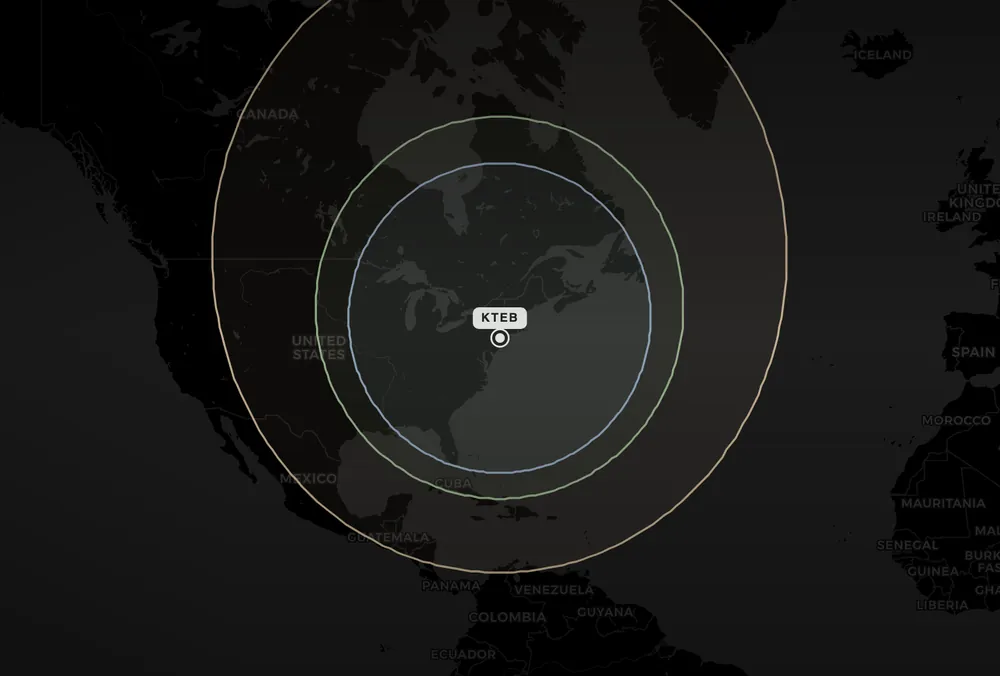
The same principle applies to Teterboro Airport (TEB), which serves the New York area. Familiarity with an airport or a previous charter experience should not replace reviewing the operator and aircraft proposed for a new booking. Each individual flight requires its own diligent confirmation process.
Miami, Dallas, and Chicago: Charter Checks at OPF, DAL, and MDW
A departure from Miami-Opa Locka Executive Airport (OPF) in Miami requires the same attention to the proposed operating arrangement. Passenger handling and departure logistics are separate from the question of whether the carrier is authorized to conduct the flight.
That approach also applies to Dallas Love Field (DAL) in Dallas and Midway International Airport (MDW) in Chicago. Wherever you begin your trip, connect the certificate holder, aircraft, and itinerary rather than relying on the airport’s name or the presentation of the proposal. Consistent verification procedures protect you regardless of your departure region.
Can a Part 91 Aircraft Carry Paying Passengers?
The answer depends on the actual operation and applicable rules, not simply how an aircraft is described. Part 91 alone is not general authority to sell charter flights, while some compensated operations may be permitted under other provisions or arrangements.
For an ordinary U.S. on-demand charter, focus on the proposed operator’s commercial authority and the aircraft’s authorization for that flight. If “Part 91” is offered as the complete explanation for a paid charter proposal, request a more specific explanation before proceeding.
What Should You Do if the Aircraft Changes?
Ask for the replacement aircraft’s registration and reconfirm the direct operating carrier. Then request confirmation that the revised aircraft and itinerary fall within that operator’s authority.
Review any corresponding changes to the commercial terms and relevant insurance information. An aircraft substitution need not indicate a problem, but it does create a reason to revisit the details that supported your original decision.
Where Amalfi Jets Fits in Your Charter Planning
Amalfi Jets is a charter broker, separate from the carrier conducting your flight. Our role is to arrange charter options around your travel requirements and help you understand the proposed arrangement.
As you discuss your itinerary with our team, aircraft preferences should remain connected to the identity of the proposed direct operator. Our Aircraft for Every Mission page can help you explore aircraft categories, but selecting a category is only the beginning of evaluating a specific proposal.
A broker’s value lies in coordinating suitable options and making the material terms understandable. You should know both who is arranging your travel and who will be responsible for conducting the flight.
Plan Your Charter With a Clear Understanding
Understanding Part 91 vs Part 135 gives you a practical foundation for an informed booking. The objective is to know which carrier will conduct your flight, what authority applies, and whether the proposed aircraft and mission fit that authority.
This article provides general information, not legal advice. Questions involving leases, compensation, expense sharing, or uncertain operating authority should be directed to the operator, the FAA, or qualified aviation counsel for guidance specific to the arrangement.
When you are ready to plan your next trip, start a charter request with Amalfi Jets. Our team can help you explore suitable options and understand the proposed arrangement, so you can make your decision with clarity.