



NBAA BACE 2026 brings a practical question into focus for private charter clients, exploring which industry developments could improve the journeys you are planning for 2027. With Las Vegas at the center of the late-October conversation, the most useful perspective goes beyond the aircraft attracting attention to the details that may eventually affect your itinerary.
The National Business Aviation Association brings aircraft manufacturers, technology companies, aviation professionals, and policymakers into a shared industry conversation. At Amalfi Jets, we approach that conversation as a charter broker, translating developments into questions about aircraft suitability, operator responsibilities, airport choice, and the complete travel plan.
NBAA BACE 2026: What matters for your next charter
The business aviation convention connects subjects that travelers often consider separately throughout the year. Aircraft design, cabin equipment, regulatory priorities, training, and airport infrastructure can each influence a charter, but they do not all affect the booking process in the same way or on the same timeline. A new cabin concept might inform your future preferences, while a regulatory development could require closer attention to the proposed operator’s planning.
An air traffic initiative may matter to the wider aviation system without changing the arrangements for your next departure. The important distinction is between an industry direction and an option that is ready for your particular trip.
For clients following the October 2026 discussions, announcements are best treated as the beginning of a conversation. Before a development becomes part of a booking decision, its availability, applicability, and practical benefit need to be clear.
New aircraft announcements are not immediate charter options
A new aircraft announcement can describe a concept, a cabin mockup, a development milestone, or an aircraft moving toward entry into service. Those stages are not interchangeable, and none should be taken alone as confirmation that a model can be chartered for your preferred dates.
Certification is an important distinction, but charter availability also depends on aircraft entering service with an appropriate operator and being available for the requested mission. A model can attract substantial attention while remaining irrelevant to the aircraft that can actually be proposed for your trip. That is why a compelling introduction should lead to a precise availability question rather than an assumption.
For a 2027 itinerary, start with passenger count, baggage, cabin preferences, routing, and schedule. A familiar aircraft category may be the better match even when a newer design dominates the conversation. The strongest proposal explains why the aircraft suits your journey, not simply why its model is receiving attention.
Technology launches need an itinerary-level benefit
Cabin connectivity, entertainment systems, interior controls, and other onboard technology can be meaningful to travelers reviewing their options. Their usefulness depends on what is installed and available on the specific aircraft being proposed, rather than on what a manufacturer or technology company has announced.
If you expect to work during the flight, describe the activities that matter to you before aircraft selection begins. Video calls, document access, and communication requirements deserve a clear conversation about the proposed aircraft’s capabilities and any service limitations. A general description of connectivity is not a guarantee that every task will perform as it would in your office.
The same principle applies to cabin features and new environmental controls. Photographs and model-level descriptions can help establish preferences, but the actual aircraft’s configuration should guide the decision. Your proposal should reflect the cabin you are considering, not an exhibition concept or equipment available only on another example of the same model.
Regulatory updates and operator responsibilities
Regulatory discussions can shape business aviation, but an announcement, a proposal, and an effective requirement have different implications. For a charter client, the relevant questions are whether a development applies to the planned operation and whether it affects the aircraft or arrangements being proposed.
Amalfi Jets is a charter broker, not an aircraft operator, meaning the operator conducting the flight retains responsibility for its safe execution. Our role is to help clients compare suitable charter options and coordinate the booking details, distinguishing how Amalfi Jets approaches charter planning from general industry chatter.
Safety Management Systems, training, equipment requirements, and operational procedures are substantive topics rather than substitutes for identifying the operator. Ask who will conduct the flight, how that operator is evaluated, and what information supports the proposed arrangement. Those questions belong alongside discussions about cabin layout, schedule, and service preferences.
A regulatory headline should not be interpreted as evidence that your flight will be disrupted or materially changed. Its relevance depends on the rule, its effective date, the aircraft, and the intended operation. Any itinerary implications should be addressed specifically rather than inferred from a broad industry discussion.
Advanced air mobility requires a separate planning conversation
Advanced air mobility can introduce new possibilities for shorter journeys and local airport connections. Demonstrations and development milestones can make those possibilities easier to imagine, but they do not establish routine passenger-service availability.
Before an emerging service can become part of a travel plan, applicable approvals, operating arrangements, infrastructure, and actual availability must align. Your connection should not depend on an option that has not been confirmed for the requested journey. For now, the practical question is whether a service can reliably support your itinerary, rather than whether its concept is appealing.
That distinction leaves room for interest without creating unrealistic expectations for your next departure. If a suitable new option becomes available, it can be considered on its merits alongside established aircraft and ground arrangements.
Las Vegas airport planning: HND or LAS?
For travelers considering NBAA 2026 Las Vegas charter arrangements, airport selection deserves attention early in the process. Henderson Executive Airport (HND) and Harry Reid International Airport (LAS) should be compared in relation to the complete itinerary, rather than selected solely by familiarity or proximity on a map.
Your final destination, aircraft suitability, requested arrival time, ground transportation, and confirmed airport arrangements all matter. During a major event, parking and handling requirements also deserve itinerary-specific attention to ensure a seamless arrival. Neither an airport code nor a previous experience establishes what can be arranged for a new trip.
The right comparison includes the journey after arrival and the specific logistics required for your group. A preferred meeting location, hotel, or onward commitment may change which airport makes the most sense, especially when ground travel is considered. Confirm the selected handling location and transportation plan before treating the airport decision as complete.
The same discipline applies to departure planning and scheduling. A coordinated plan should account for your schedule and the operator’s requirements without promising that any airport choice removes the possibility of operational changes.
Departure planning in Los Angeles, New York, Dallas, and Miami
A Las Vegas itinerary often begins with a critical decision in another city. In Los Angeles, Van Nuys Airport (VNY) may be an option to evaluate against your starting location, aircraft requirements, and intended schedule. The airport should fit the complete journey, including the ground transfer before departure.
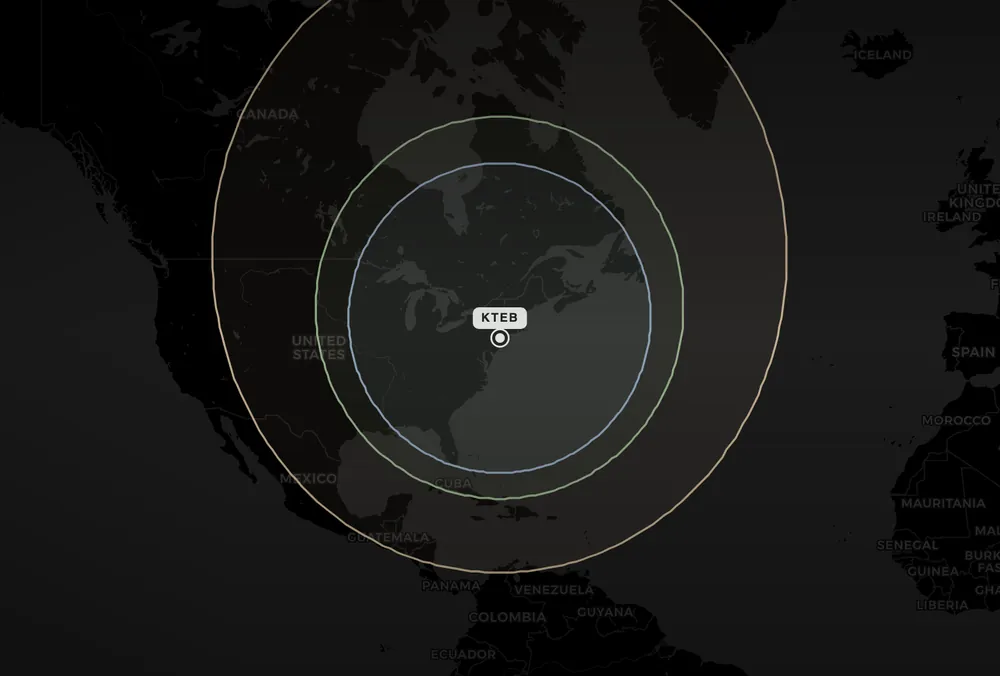
For New York travel, Teterboro Airport (TEB) belongs in the same itinerary-level discussion for a cross-country flight. Confirming the airport is only part of the arrangement, as the selected handling facility and ground transportation also need to be understood. Those details help turn a general departure plan into instructions you can use with confidence.
In Dallas, Dallas Love Field (DAL) should be assessed against the actual departure requirements rather than assumed to be the best choice for every traveler. In Miami, Miami-Opa locka Executive Airport (OPF) can likewise be considered within a broader airport comparison for flights heading west. Aircraft suitability, access arrangements, and your final ground destination remain central in both markets.
For international journeys, any required customs arrangements need separate attention during the planning phase. The presence of a service at an airport does not establish that it will be available for every requested itinerary or time. The relevant arrangements should be confirmed for the trip itself well in advance.
What could change for charter clients in 2027?
The most meaningful implications of NBAA BACE 2026 may emerge gradually rather than immediately after the event concludes. Aircraft introductions could influence future selection, cabin technology could change onboard expectations, and regulatory developments could affect operational planning. Each becomes useful to a client only when its effect on an actual charter is understood.
For travelers planning ahead, flexibility in aircraft category can be more valuable than attachment to a newly announced model. Describing what you need to accomplish allows suitable alternatives to be considered without making the itinerary dependent on a future delivery or service introduction. That keeps the conversation focused on confirmed options that can be booked today.
Infrastructure and training developments also deserve proportionate expectations as the industry evolves. They can matter to the long-term capabilities without proving that a particular aircraft will be easier to secure or that a specific departure will face fewer delays. Your dates, routing, crew requirements, and available aircraft remain the relevant basis for a solid proposal.
How industry developments may affect your charter quote
An aircraft introduction or technology launch does not translate directly into a lower charter price. A proposal reflects the requested journey and may include aircraft time, positioning, taxes, airport and handling charges, and crew-related logistics. Any additional cost implications should be explained in relation to the actual itinerary being flown.
Our 2026 private jet charter cost guide offers a starting point for understanding those components. The useful comparison is the complete proposed trip, including what is included and which assumptions apply. An isolated hourly figure cannot explain all the differences between two distinct arrangements.
Before comparing proposals, make sure they address equivalent requirements and matching trip details. Different airports, aircraft categories, schedules, or ground arrangements may produce materially different travel plans. Understanding those distinctions is more useful than attributing a price change to an industry headline.
Choose an aircraft around the journey you need
Our private charter aircraft guide introduces aircraft categories and provides a starting point for discussing your preferences. It should be used to understand possible directions, not as a guarantee that a particular model or configuration will be available for your exact dates.
The next step is to match the category to your passenger count, baggage, routing, and cabin expectations. A short business visit, a longer journey, and a trip with additional passengers can call for different solutions entirely. Specific preferences are most helpful when they explain what matters to you, whether that is workspace, seating arrangement, or the overall cabin environment.
As a charter broker, Amalfi Jets helps connect those requirements with suitable options available through third-party operators. The aim is a clear proposal that explains the aircraft choice, identifies the operating responsibilities, and brings the airport and schedule details into the same conversation.
Bring the right questions to your next charter request
Before planning a 2027 charter, ask whether the aircraft under discussion is available for your dates and why it suits the mission. Ask which operator will conduct the flight, which cabin features are confirmed, and what the proposed airport arrangements include. These questions turn broad industry interest into a highly useful booking conversation.
Then review the assumptions behind the quote and schedule to ensure everything aligns. Positioning, crew logistics, handling arrangements, and ground transportation should be understood in the context of your trip. No general industry outlook replaces that itinerary-specific discussion.
The lasting value of the Las Vegas convention is the perspective it brings to those important decisions. Tell Amalfi Jets where you need to be, when you need to arrive, and what matters most onboard, and request your next charter with a plan built around your priorities.