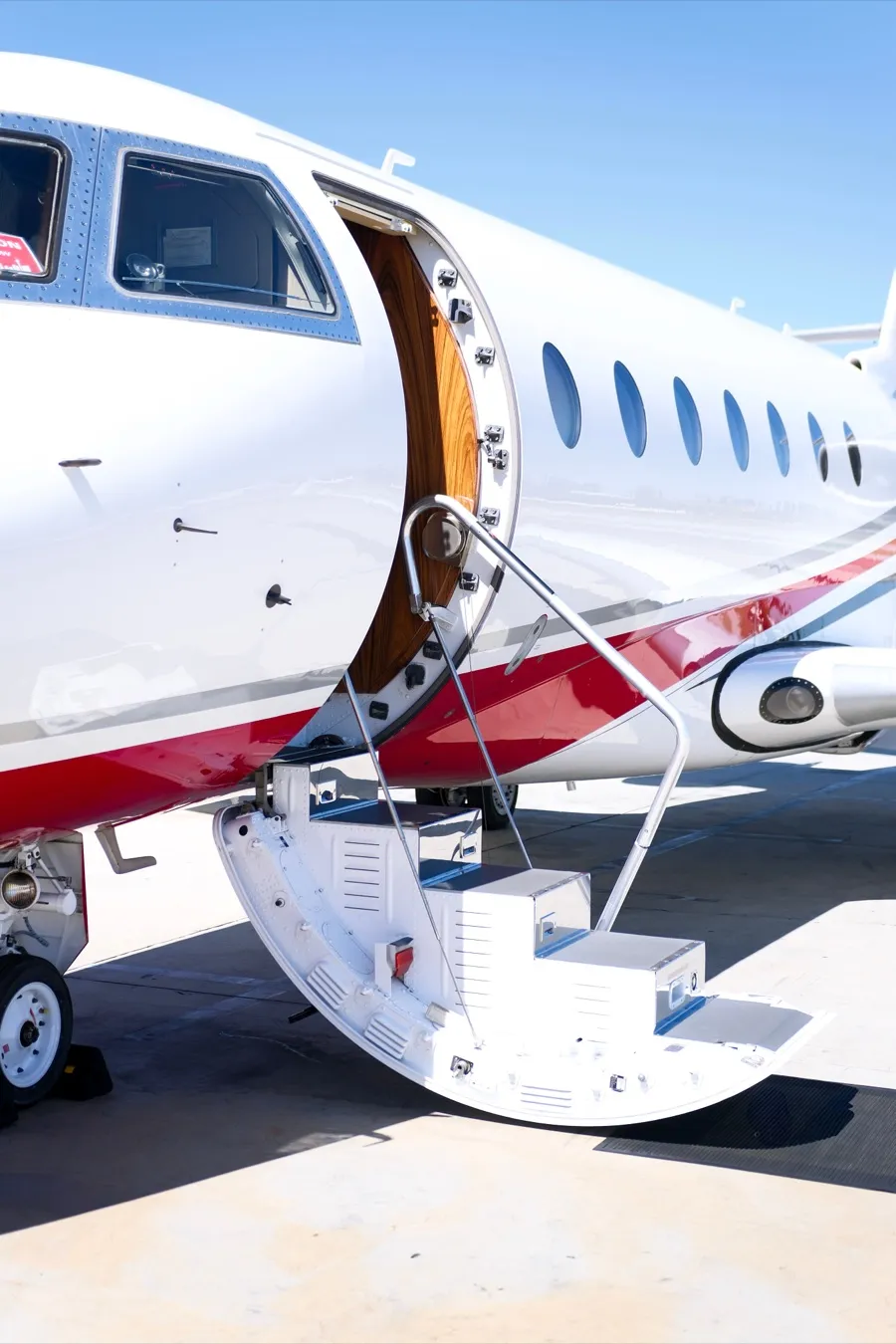





A search for “LeBron James private jet” often begins with a simple question about whether he owns the aircraft associated with his name. That question deserves a careful answer, because access to private aviation, an appearance aboard an aircraft, and ownership are not the same thing. No particular aircraft should be described as his personal property without confirmed ownership information.
With attention turning to the NBA season in October 2026, the broader travel story is equally useful. Team road trips and a player’s personal charter involve different schedules, responsibilities, and financial arrangements. Understanding those distinctions offers a more practical guide to private aviation than a celebrity aircraft association alone.
LeBron James Private Jet: Ownership and Access
An aircraft photograph or a reported journey does not establish who owns the aircraft or how the flight was arranged. A player might travel aboard an aircraft through a charter booking, a team arrangement, or another form of access. None of those possibilities, by itself, supports a definitive ownership claim.
The same restraint applies to aircraft models associated with James in public discussion. No model is identified here as his confirmed aircraft, and a past association would not establish his current travel arrangements. Cabin layout, passenger capacity, and operating suitability should not be inferred from a celebrity connection.
For readers researching “LeBron private jet,” the useful distinction is between the aircraft someone has used and the aircraft they own. For your own journey, neither distinction replaces the practical questions of passenger count, baggage, destinations, and timing. Those requirements should lead the selection process.
NBA Private Jets: Team Travel Versus Personal Charter
NBA private jets are often discussed as if team transportation and individual travel were interchangeable. They serve different purposes, as a team movement supports the organization’s shared itinerary, while a personal charter serves the individual traveler’s requested journey. An independently arranged flight does not automatically replace a player’s team travel obligations.
A team trip may need to accommodate players, coaches, other staff, and equipment within a coordinated schedule. A personal trip might involve family, a separate commitment, or travel outside the team itinerary. Those differences affect the aircraft request and the arrangements surrounding it.
Discussions of NBA players’ private jets also tend to blur charter access with ownership. A passenger’s public profile does not reveal who contracted the aircraft, who paid for the journey, or which terms applied. Keeping those questions separate makes the travel picture clearer without attributing unconfirmed arrangements to an athlete.
What NBA Travel Agreements and Charter Contracts Govern
The first contractual question concerns a player’s obligations to the team. Applicable league rules, collective bargaining provisions, team requirements, and individual circumstances may all be relevant. A personal charter agreement does not override those obligations or establish permission to travel separately.
Separate travel, reimbursement, and required arrival times should therefore be treated as questions to resolve rather than automatic entitlements. A practice associated with one organization should not be presented as a rule for every team. Where a player intends to arrange an independent journey, the necessary permissions and responsibilities need to be clear before booking.
The second contractual question concerns the charter itself. The trip terms should identify the agreed itinerary, what the quoted amount includes, and how changes or cancellations are handled. Any arrangements for waiting time, an altered return, or additional stops should be understood before the itinerary becomes time-sensitive.
For a private traveler, the practical lesson is straightforward. Distinguish the reason you must arrive from the agreement governing how you get there. A game, meeting, or personal commitment establishes a deadline, while the charter proposal defines the requested flight and its terms. Both need to align with the ground journey at the destination.
Why Team Travel Requires Different Planning
A team charter is not simply a personal flight with more seats. The traveling party, baggage, equipment, departure requirements, and coordinated transfers create a different planning problem. Aircraft suitability must reflect the complete movement rather than passenger count alone.
A smaller personal party has its own priorities. Family seating preferences, substantial luggage, catering requests, and onward commitments can all affect the proposal. An aircraft that suits one trip may not be the appropriate choice for another, even when the destination is unchanged.
Privacy also extends beyond the cabin. Passenger coordination, terminal arrangements, and ground transportation should be considered alongside the flight schedule. Treating those elements as one itinerary helps avoid a well-planned flight followed by an uncertain arrival.
How Per-Player Charter Costs Are Calculated
A charter quote begins with the aircraft and the requested mission, not a price assigned to each passenger. Aircraft category, billable time, positioning, airport charges, crew arrangements, and applicable taxes can affect the total. Comparing an hourly figure alone may leave important parts of the journey out of view.
The Private Jet Charter Cost 2026 guide provides a useful starting point for understanding charter pricing and the distinction between passenger flight time and total billable operational time. The aircraft may need to move before or after the segment carrying your party. The complete quote, rather than the occupied segment alone, is the appropriate basis for comparison.
For travelers sharing an expense, begin with the confirmed total for the requested journey. Add only applicable charges that are not already included, then divide that total by the number of travelers sharing the cost. Counting an included item twice would inflate the result, while omitting a required charge would understate it.
A return trip or multi-city itinerary requires the same discipline across the entire journey. A change in departure time, aircraft requirements, or the return plan may change the amount being allocated. A per-person figure remains useful only while it describes the same scope as the underlying proposal.
This calculation is an allocation exercise, not evidence of how an NBA organization bills its players. Dividing a team’s travel expense by its roster would not establish an individual player’s personal cost. That conclusion would depend on the actual financial and contractual arrangements.
Los Angeles VNY and Cleveland CLE: Plan Around the Final Destination
For Los Angeles, Van Nuys Airport (VNY) is an option to assess against the aircraft requirements and your final destination. An airport preference is not confirmation of availability or acceptance for a particular flight. The proposed handling arrangements and ground transfer should be established as part of the itinerary.
For Cleveland, Cleveland Hopkins International Airport (CLE) provides another airport option to evaluate. The appropriate private aviation facility, access instructions, and services need to be confirmed for the trip. An airport code alone does not tell your traveling party where to meet or how the arrival will connect with onward transportation.
A proposed Los Angeles to Cleveland charter also requires itinerary-specific planning. Aircraft selection, routing, weather, and operating conditions can affect the departure plan, so a fixed flight duration should not be assumed. Start with the time you need to reach your destination, then work backward through the transfer and flight requirements.
Miami OPF, Dallas DAL, and New York TEB: Coordinate the Arrival
For a Miami itinerary, Miami Opa-locka Executive Airport (OPF) is an option to consider alongside your final destination and the aircraft’s operating requirements. The airport decision should account for the journey after landing, not just the flight itself. A preferred arrival airport still requires confirmation for the requested mission.
Dallas Love Field (DAL) is an airport option for Dallas charter planning. The selected facility, passenger access instructions, and arrangements for the arriving party should be confirmed before departure. Ground transportation needs the same agreed arrival details as the passengers.
For New York, Teterboro Airport (TEB) can be considered in relation to a Manhattan destination and the proposed aircraft. Airport operating restrictions and applicable charges need to be assessed for the itinerary. Landing charges and handling charges should not be treated as interchangeable items in a quote.
These destinations illustrate why a familiar airport name is only the beginning of planning. Availability, aircraft suitability, handling arrangements, and transfers remain specific to the requested trip. The best proposal connects each airport choice to where you actually need to be.
LeBron James Aircraft Searches and Choosing the Right Charter
A search for “LeBron James aircraft” can put a model name ahead of the journey. A more useful approach starts with your passenger group, luggage, preferred destinations, and schedule. Aircraft options can then be evaluated against those requirements rather than a public figure’s association with a particular model.
Amalfi Jets’ aircraft categories and cabin options resource can help frame that conversation. It is a starting point for discussing preferences, not confirmation that a particular aircraft is available on your dates or suitable for every airport. A tailored proposal must connect the cabin request with the complete route and operating requirements.
Amalfi Jets is a charter broker, not an aircraft operator. We source charter options through third-party operators and coordinate the arrangements around your requested trip. We do not own or operate the aircraft, and the operating details must be confirmed with the selected operator.
October 2026: Planning Around the NBA Season
As attention returns to NBA season travel in October 2026, schedules may involve games, media commitments, and personal obligations. The practical starting point is the required arrival time, not a generic estimate of how long a journey should take. Weather, airport conditions, and the ground transfer can all affect the plan.
Share your intended dates, passenger count, luggage requirements, and final destination at the beginning of the conversation. Include preferred airports, onward stops, and whether the return departure is fixed or still developing. Privacy preferences and requested onboard arrangements also belong in the initial brief.
A changing itinerary deserves particular care. A revised arrival requirement can affect aircraft options, departure planning, handling arrangements, and the car meeting your party. Evaluating the change across the whole journey is more useful than adjusting the flight in isolation.
There is no single booking window that fits every trip. A straightforward return journey and a multi-city schedule with uncertain departure times present different requirements. Early clarity allows the proposal to identify both the available options and the details still requiring confirmation.
Common Questions About NBA Charter Travel
People often ask if LeBron James owns a private jet. Ownership is not established here, and an aircraft appearance or reported flight should not be treated as proof. The responsible answer keeps personal ownership separate from access to private aviation.
Travelers also wonder whether NBA players travel on team charters or arrange their own flights. Team travel and personal charter are distinct arrangements, and an individual trip should not be assumed to satisfy a team travel requirement. Separate travel permission and any financial responsibilities depend on the applicable arrangements.
Another common question is whether a charter cost can be divided among passengers. A complete quoted trip total can be allocated among travelers sharing the expense, provided the calculation avoids omitted or duplicated charges. That arithmetic does not establish how a team accounts for its travel spending.
Plan a Charter Around Your Priorities
The practical lesson behind LeBron James private jet searches is not to choose an aircraft because of a famous association. It is to bring timing, privacy, aircraft suitability, trip terms, and ground logistics into one considered plan. Distinguishing ownership, team travel, and personal charter makes that planning more precise.
At Amalfi Jets, we begin with where you need to go, who is traveling, and what your schedule requires. Our team can source options through third-party operators and coordinate the requested itinerary around those priorities. Share your travel requirements and request a tailored charter proposal to begin the conversation.